

Belly Fat Loss: 15 Proven and Science-Backed Strategies for Fast, Healthy Results
Belly fat loss doesn’t have to be frustrating. Discover 15 proven, science-backed strategies, visual guides, workout charts, and nutrition tables to burn stubborn abdominal fat safely and effectively.
Belly fat loss is one of the most common health goals worldwide. Many people struggle with stubborn abdominal fat that just won’t seem to budge. The good news? With the right combination of nutrition, exercise, and lifestyle changes, you can reduce belly fat safely and sustainably.
This complete guide covers everything you need — including visual explanations, practical tables, and evidence-based strategies — to help you succeed.
Understanding Belly Fat Loss
Before jumping into solutions, let’s understand what belly fat really is and why it behaves differently.
What Is Belly Fat?
Belly fat refers to fat stored around your abdomen. It comes in two forms:
- Subcutaneous fat – located just under the skin.
- Visceral fat – stored deep inside, surrounding organs.
Visceral fat is the more dangerous type and is strongly linked to chronic diseases.
Subcutaneous vs. Visceral Fat (Visual Comparison)


Key Differences:
| Feature | Subcutaneous Fat | Visceral Fat |
|---|---|---|
| Location | Under the skin | Around organs |
| Health Risk | Moderate | High |
| Texture | Soft, pinchable | Deep, firm |
| Linked to Disease | Less | Strongly |
Why Belly Fat Is Hard to Lose
Belly fat is hormonally active. Stress hormone cortisol, insulin resistance, and genetics all play a role. The body also tends to store emergency energy in the abdomen — making belly fat loss slower than fat loss in other areas.
Major Causes of Belly Fat Gain
Understanding causes helps create targeted solutions.
1. High Sugar and Refined Carbohydrates
Sugary drinks, white bread, pastries, and processed snacks spike insulin levels. Elevated insulin promotes fat storage — especially around the midsection.
Learn more about dietary sugar impact from the Harvard School of Public Health:
🔗 https://www.hsph.harvard.edu/nutritionsource/carbohydrates/
2. Lack of Physical Activity
Sedentary lifestyles slow metabolism. When calorie intake exceeds expenditure, fat accumulates.
3. Chronic Stress
High cortisol levels increase fat storage in the abdominal region. Stress eating compounds the issue.
4. Poor Sleep Patterns
Less than 6 hours of sleep per night disrupts hunger hormones (ghrelin and leptin), increasing cravings and weight gain.
Health Risks Linked to Excess Belly Fat
Belly fat loss isn’t only about appearance — it’s about health.
Heart Disease
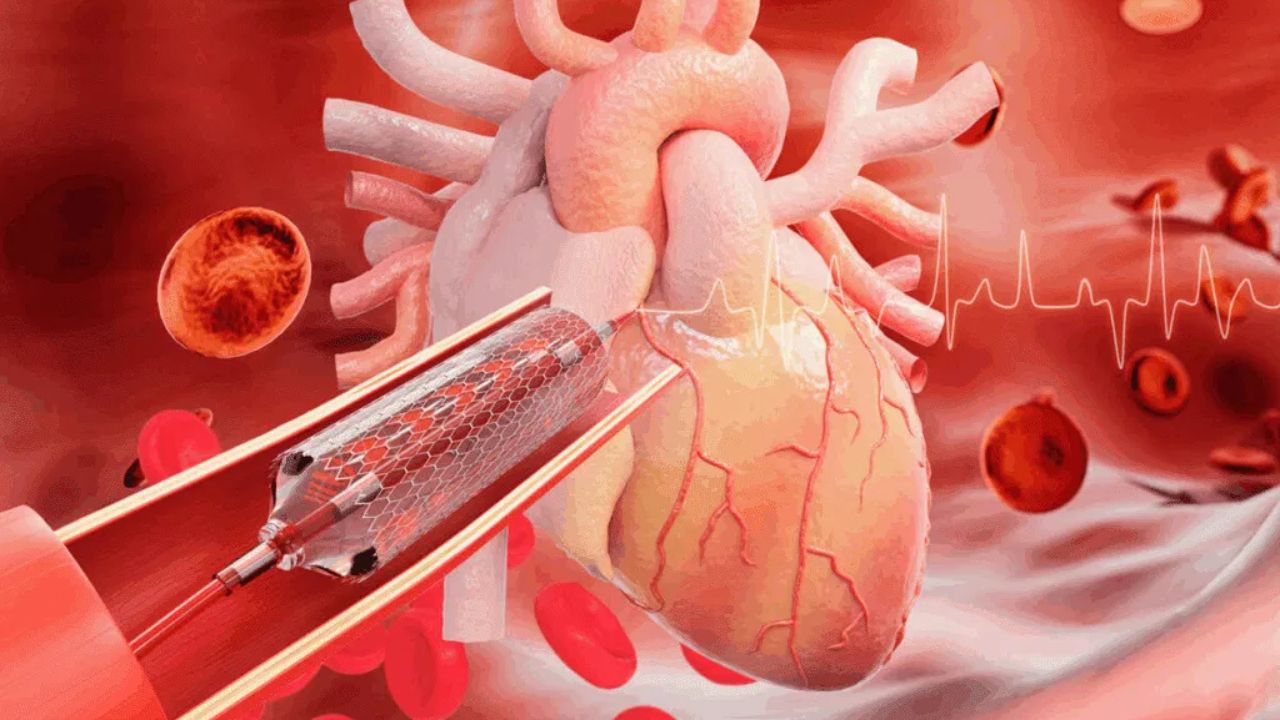
Excess visceral fat increases LDL cholesterol and inflammation. According to the American Heart Association:
🔗 https://www.heart.org/
Abdominal obesity significantly raises cardiovascular risk.
Type 2 Diabetes
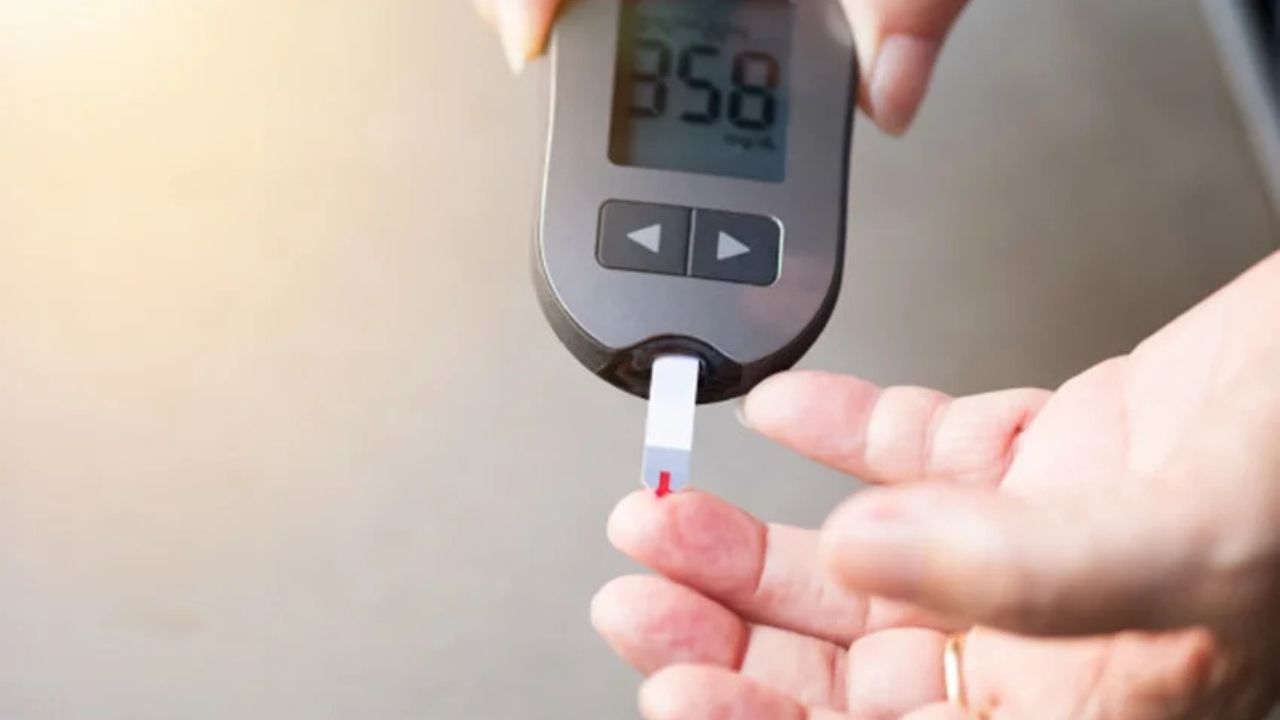
Visceral fat contributes to insulin resistance, a precursor to diabetes.
Metabolic Syndrome
Includes:
- High blood pressure
- Elevated blood sugar
- Abnormal cholesterol
- Increased waist circumference
Nutrition Strategies for Effective Belly Fat Loss
Diet plays the biggest role in belly fat loss.
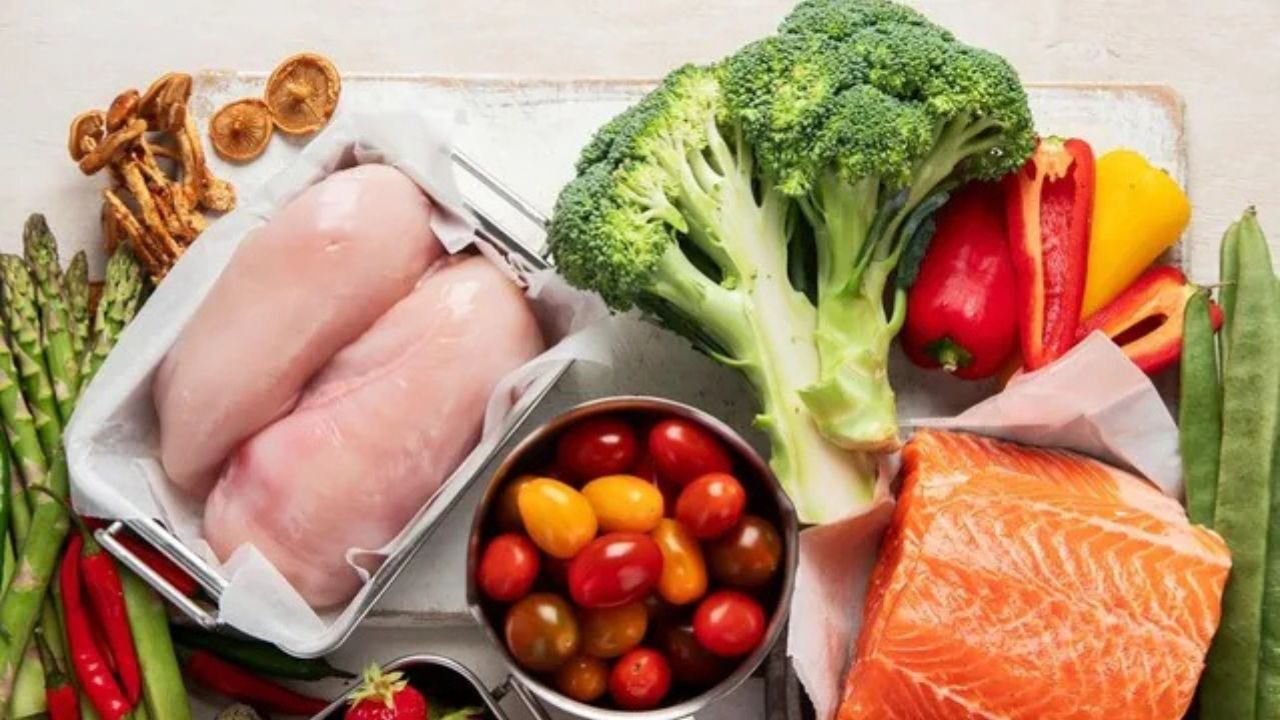
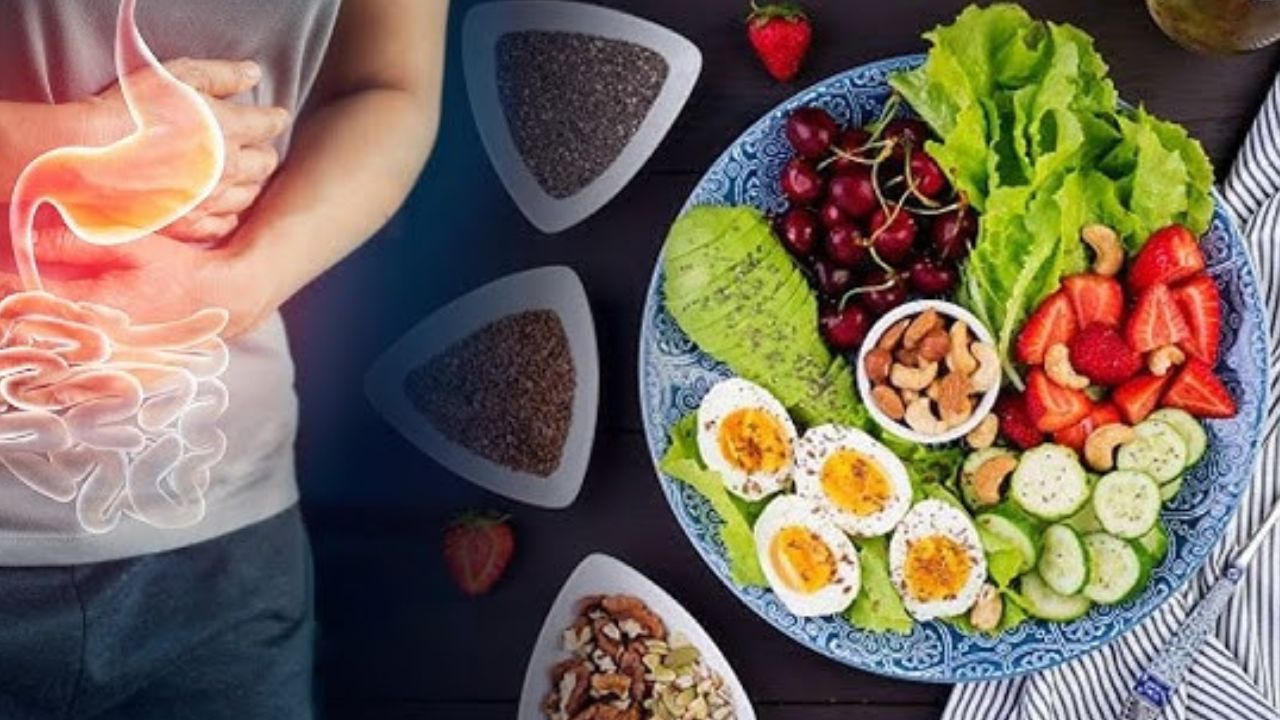
High-Protein Eating Plan
Protein boosts metabolism and reduces appetite.
Best Protein Sources:
| Food | Protein per 100g | Added Benefit |
|---|---|---|
| Eggs | 13g | Increases fullness |
| Chicken breast | 31g | Lean muscle support |
| Greek yogurt | 10g | Gut-friendly |
| Lentils | 9g | Fiber-rich |
| Salmon | 20g | Omega-3 fats |
Aim for protein in every meal.
Fiber-Rich Foods for Fat Reduction
Soluble fiber slows digestion and reduces visceral fat.
Top Fiber Sources:
- Oats
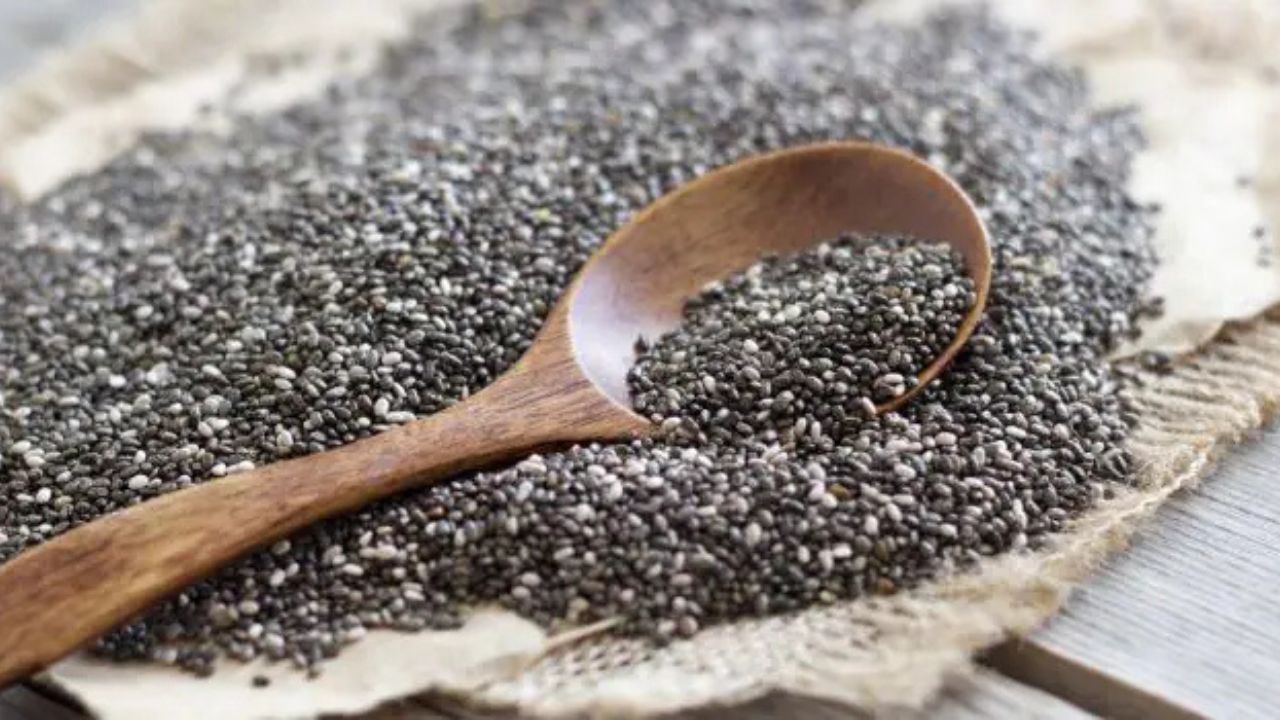
- Chia seeds
- Apples
- Beans
- Broccoli
Healthy Fats vs. Harmful Fats
Healthy fats improve hormone balance.
Avoid:
- Trans fats
- Deep-fried foods
- Packaged snacks
Choose:
- Olive oil
- Avocados
- Nuts
- Fatty fish
Exercise Methods That Accelerate Belly Fat Loss
Exercise enhances fat-burning hormones and improves insulin sensitivity.
Cardio Training
Brisk walking, jogging, cycling, and swimming help burn calories efficiently.
Recommended:
150 minutes of moderate-intensity cardio weekly.
Strength Training
Building muscle increases resting metabolic rate.
Focus on compound exercises:
- Squats
- Deadlifts
- Push-ups
- Rows
HIIT (High-Intensity Interval Training)


HIIT alternates short intense bursts with rest.
Sample HIIT Session:
| Interval | Activity |
|---|---|
| 30 sec | Sprint |
| 30 sec | Walk |
| Repeat | 10 rounds |
Studies show HIIT effectively reduces visceral fat.
Belly Fat Loss Progress Tracking Graph
Below is a realistic example of fat loss progress when combining diet + exercise over 12 weeks:
Week Waist (inches)1 383 37.26 369 34.812 33.5
Visual Trend:
38 | *37 | *36 | *35 | *34 | *33 | *
Consistency produces gradual but steady improvement.
Lifestyle Changes That Maximize Belly Fat Loss
Sleep 7–9 Hours
Sleep regulates appetite hormones and recovery.
Hydration
Drink 8–10 glasses of water daily.
Stress Management
Try:
- Meditation
- Journaling
- Nature walks
- Deep breathing
Lower stress = lower cortisol = easier belly fat loss.
Common Myths About Belly Fat Loss
❌ Spot Reduction Works
No exercise can target fat in only one area.
❌ Crunches Burn Belly Fat
Crunches strengthen muscles but don’t burn fat directly.
❌ Skipping Meals Helps
It slows metabolism and increases overeating later.
Safe Supplements for Belly Fat Loss
Some may support results:
- Green tea extract
- Whey protein
- Fiber supplements
Always consult a healthcare provider first.
FAQs About Belly Fat Loss
1. How long does belly fat loss take?
Most people see measurable changes within 6–12 weeks.
2. Can walking reduce belly fat?
Yes. Regular brisk walking burns calories and reduces visceral fat.
3. Is belly fat harder to lose after 40?
Hormonal changes slow metabolism, but consistency still works.
4. Are carbs bad?
Refined carbs are harmful; whole grains are beneficial.
5. Does drinking water reduce belly fat?
It supports metabolism and reduces bloating.
6. What is the fastest safe method?
A combination of protein-rich diet, strength training, HIIT, sleep, and stress management.
Conclusion
Belly fat loss is not about extreme dieting or endless crunches. It’s about smart nutrition, consistent training, proper sleep, hydration, and stress management.
There’s no overnight miracle — but there is a proven system.
Start small. Stay consistent. Trust the process.
Your healthier, stronger body is closer than you think.

Discover more from NewsNation Online
Subscribe to get the latest posts sent to your email.
आपके लिए सुझाव








































































Leave a Reply