
Thousands Mourn Iran’s Supreme Leader Ayatollah Ali Khamenei Killed in US–Israel Attack
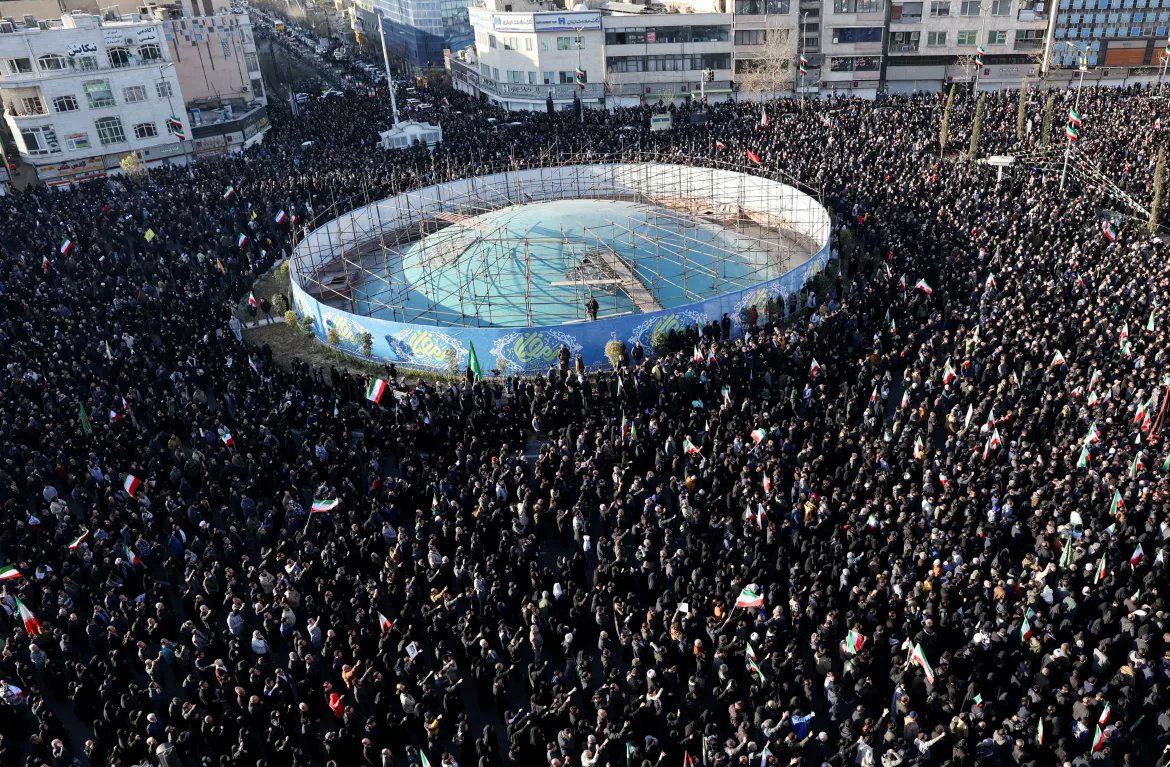
Tehran: Thousands of mourners gathered in central Tehran on Sunday following the killing of Iran’s Supreme Leader Ayatollah Ali Khamenei, who died during large-scale military strikes carried out by the United States and Israel. The attack marks one of the most dramatic developments in Middle East geopolitics in decades and has pushed the region closer to a wider war. (The Guardian)
Iranian state media confirmed that Khamenei, who had ruled the Islamic Republic since 1989, was killed in missile and air strikes targeting leadership facilities in Tehran. (Reuters)
The strikes were part of a major joint U.S.–Israeli military campaign targeting Iran’s nuclear and military infrastructure. (Wikipedia)
Massive Mourning Gatherings in Tehran
Large crowds assembled in the center of Tehran shortly after the announcement of Khamenei’s death. Thousands of supporters gathered to pay tribute to the long-time leader, many chanting slogans against the United States and Israel.
Iranian authorities declared a national mourning period, with state institutions closed and religious ceremonies being held across the country. (Al Jazeera)
State television broadcast emotional scenes, including news presenters breaking down in tears while announcing the Supreme Leader’s death. (New York Post)
Many Iranians described Khamenei as a symbol of resistance against Western influence, while government officials vowed that the country would respond decisively.
How the Attack Happened
According to international reports, Khamenei was killed on 28 February 2026 during the opening phase of coordinated U.S.–Israeli strikes on Iran. (Wikipedia)
The attack targeted a leadership compound in Tehran where Khamenei and several senior officials were believed to be present. (The Times of India)
Satellite imagery showed heavy damage to the compound following the strikes, and his death was confirmed hours later by Iranian authorities. (The Guardian)
The operation included advanced aircraft and precision missiles aimed at key Iranian strategic sites including nuclear facilities. (Wikipedia)
Several high-ranking Iranian officials were also reportedly killed in the attacks, including senior military commanders and security advisers. (Wikipedia)

Iran Declares 40 Days of Mourning
Iran’s government declared 40 days of national mourning, calling Khamenei a martyr who died defending the Islamic Republic. (Al Jazeera)
Religious ceremonies and memorial gatherings are being held nationwide.
Senior officials described the killing as a “criminal act” and accused the United States and Israel of committing war crimes. (The Guardian)
Iran’s Supreme National Security Council warned that retaliation would follow.
Beginning of a Major War
The strikes that killed Khamenei are widely seen as the start of a broader war between Iran and the U.S.–Israel alliance.
The military campaign targeted:
- Nuclear facilities
- Missile bases
- Command centers
- Military leadership sites (Wikipedia)
Following the attacks, Iran launched missile strikes at U.S. bases and Israeli targets across the region. (The Guardian)
Air raid sirens were reported in Israeli cities, while several Middle Eastern countries reported intercepting missiles and drones. (The Guardian)
Global Reactions and Protests
The killing of Iran’s Supreme Leader triggered protests in several countries.
Demonstrations were reported in:
- Pakistan
- Iraq
- India
- Middle Eastern countries (Hindustan Times)
In some locations, protests turned violent, reflecting strong emotions surrounding the death of the Iranian leader.
Several governments expressed concern that the conflict could escalate into a regional or global crisis.

Who Was Ayatollah Ali Khamenei
Ayatollah Ali Khamenei served as Iran’s Supreme Leader for more than three decades after taking power in 1989.
During his rule:
- Iran expanded its regional influence
- The nuclear program advanced
- Relations with the United States deteriorated
- Internal dissent was suppressed (Reuters)
He was considered the most powerful political and religious authority in Iran.
His death has created a leadership vacuum that could reshape the future of the Islamic Republic. (Axios)
Uncertain Future for Iran
With the death of Khamenei, Iran faces one of the biggest political transitions since the 1979 Islamic Revolution.
Experts say several scenarios are possible:
- A new Supreme Leader appointed quickly
- Increased role of the Revolutionary Guards
- Political instability
- Continued war with Israel and the United States
The succession process is expected to be closely watched by governments around the world.

Rising Tensions in the Middle East
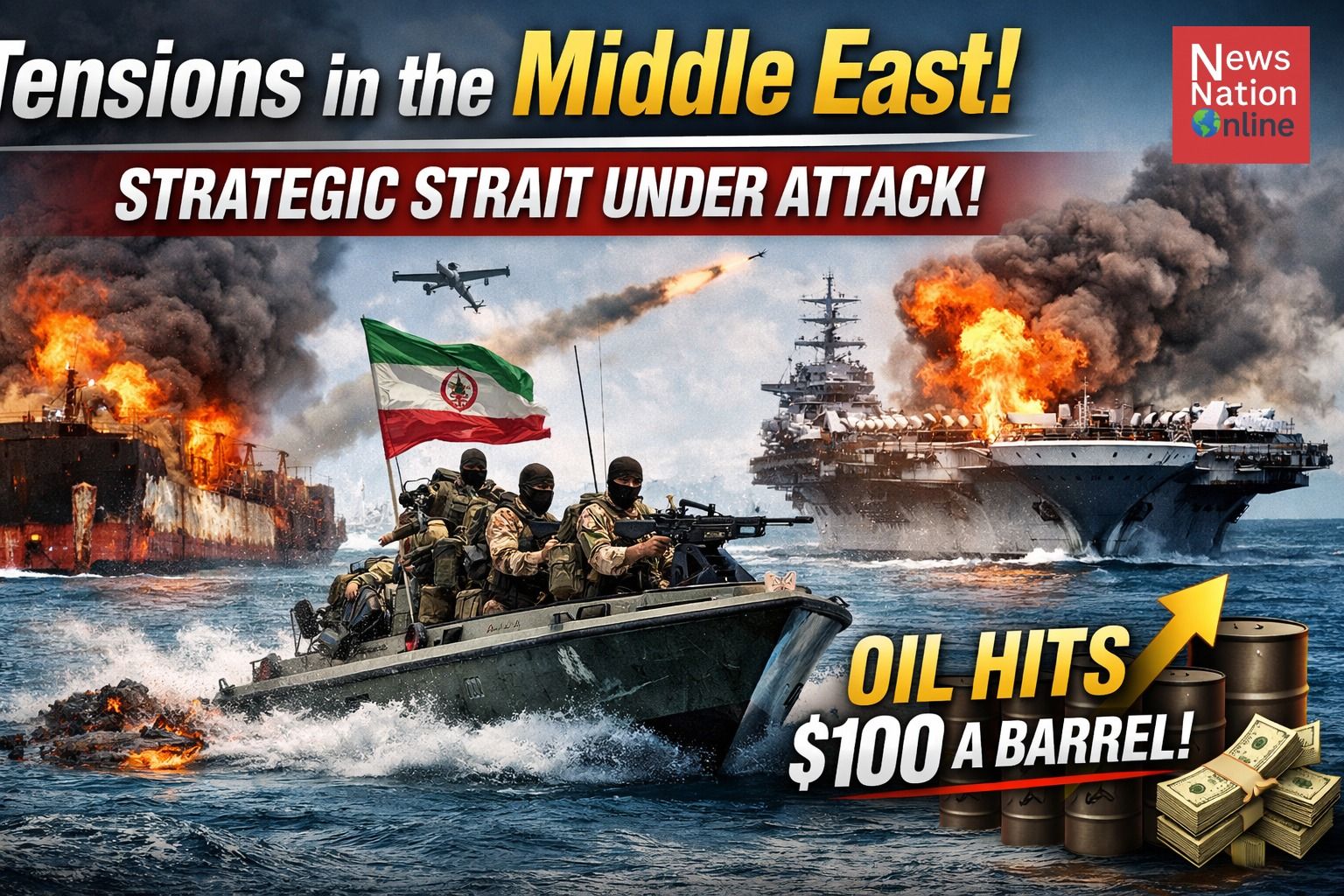
The killing of Iran’s Supreme Leader has dramatically increased tensions in the Middle East.
Military analysts warn that the situation could escalate into:
- A full-scale regional war
- Global oil market disruption
- International military involvement
The United Nations has called for restraint and urged both sides to avoid further escalation.
Discover more from NewsNation Online
Subscribe to get the latest posts sent to your email.



























































Leave a Reply