
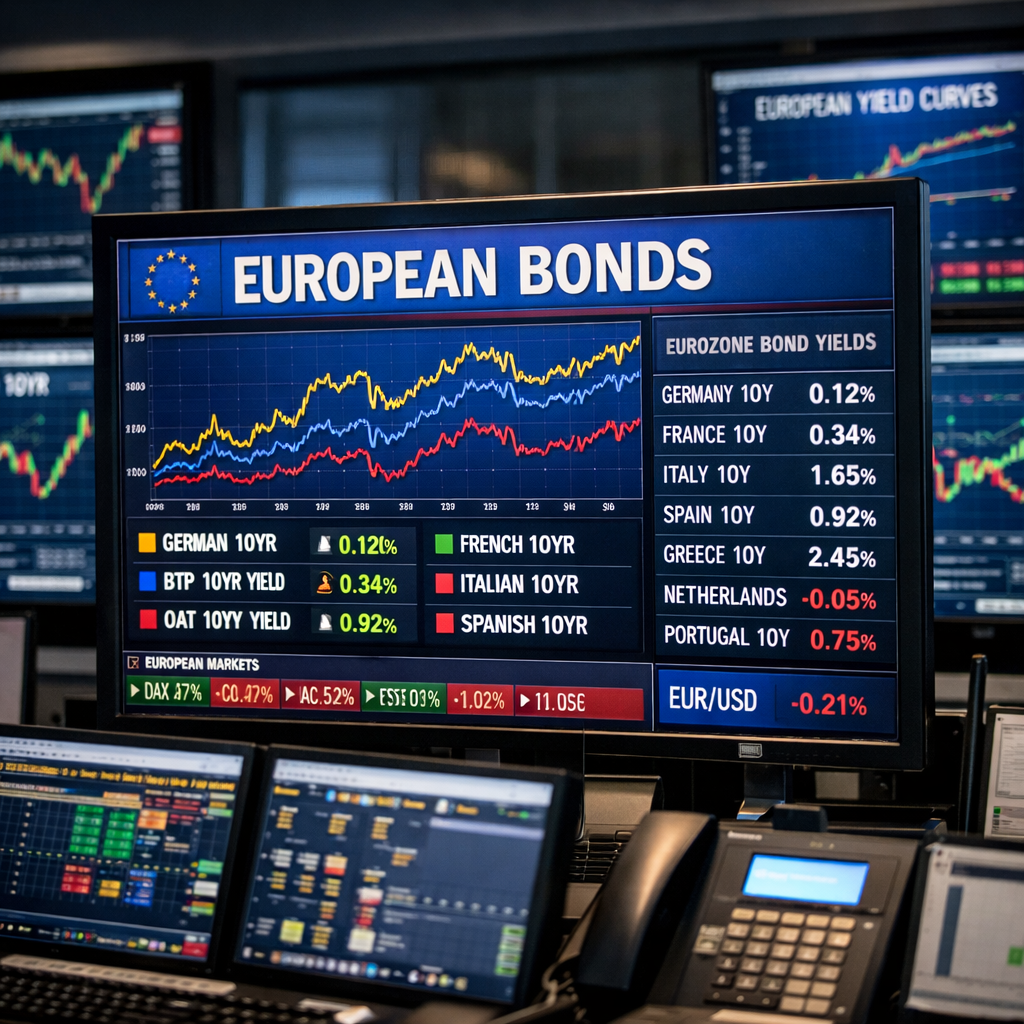
European Rate Markets Show ‘Pricing Disconnect’, Says BNY Strategist Geoff Yu
Global risk sentiment improves after U.S.–Iran ceasefire, but markets still expect too many rate hikes from European central banks
European financial markets continue to show a “pricing disconnect” in interest rate expectations, according to analysts at BNY Mellon. BNY strategist Geoff Yu has warned that investors are still overestimating the number of interest rate hikes expected from major European central banks, even as global market sentiment improves following the U.S.–Iran ceasefire.
Markets Expecting Too Many Rate Hikes
According to the BNY strategist, current market pricing suggests that investors expect additional tightening from several key European monetary authorities, including:
- European Central Bank
- Bank of England
- Swiss National Bank
However, Yu believes these expectations may be too aggressive given the current economic conditions across Europe.
Financial markets are currently pricing:
- Around 80 basis points of additional rate hikes from the Bank of England
- More than 50 basis points of further tightening from the European Central Bank
- A move by the Swiss National Bank to push interest rates above zero before the end of the year
But analysts argue that such expectations may not align with the economic realities facing European economies.
Ceasefire Improved Global Risk Sentiment
The recent geopolitical developments following the U.S.–Iran ceasefire have helped calm global markets.
The easing of tensions has contributed to:
- Improved investor confidence
- Stabilization in energy markets
- Stronger performance in risk assets such as equities
With global tensions easing, many analysts expected markets to scale back their expectations for aggressive monetary tightening.
However, interest rate markets in Europe have not yet fully adjusted to this shift, creating what analysts describe as a disconnect between pricing and economic fundamentals.
Fragile European Economic Outlook
Economists say the economic outlook across Europe remains uncertain.
Key concerns include:
- Weak consumer demand
- Slowing economic growth
- Persistent inflation pressures in some sectors
These factors mean central banks may need to balance inflation control with protecting economic growth.
According to Yu, if policymakers push interest rates too high too quickly, it could increase the risk of economic slowdown or recession in parts of Europe.
What It Means for Global Financial Markets
If investors eventually revise their expectations, it could lead to significant movements in financial markets.
Possible outcomes include:
- Decline in European bond yields
- Repricing of interest rate futures
- Impact on major currencies such as the euro, pound and Swiss franc
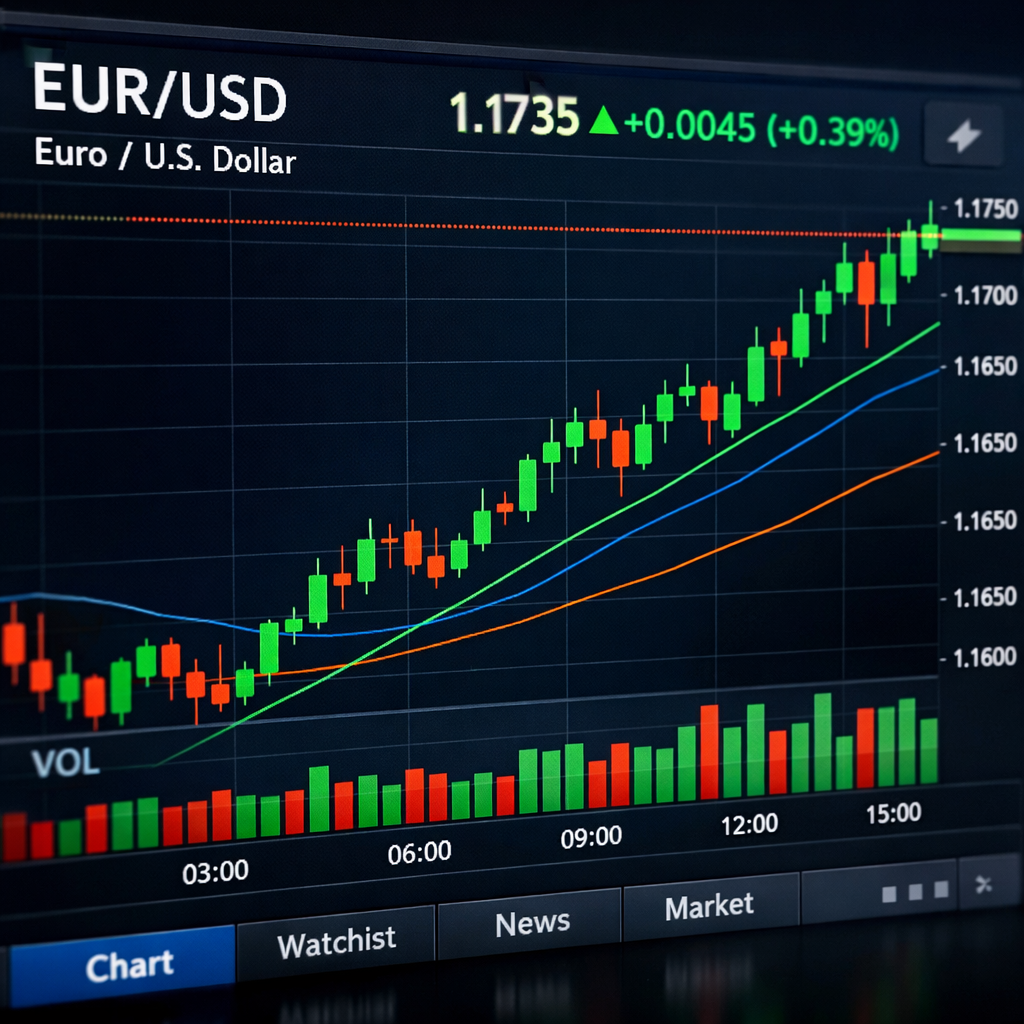
Currency markets, particularly pairs like EUR/USD and GBP/USD, could experience volatility as traders adjust their positions.

Central Banks Remain Data-Dependent
Officials at the European Central Bank, Bank of England, and Swiss National Bank have repeatedly stated that their policy decisions will remain data-dependent.
This means future interest rate decisions will depend heavily on:
- Inflation data
- Economic growth indicators
- Labor market performance
- Global financial conditions
As a result, analysts believe markets may need to recalibrate their expectations in the coming months.
Growing Debate Among Economists
The discussion around European rate expectations has sparked broader debate among economists and investors.
While some believe inflation will force central banks to continue tightening monetary policy, others argue that economic weakness may lead policymakers to pause or slow down further rate hikes.
Market participants will closely monitor upcoming policy meetings and economic data releases to better understand the direction of monetary policy across Europe.
Also Read
- Read more global economic news on News Nation Online:
https://www.newsnationonline.com - Related global finance coverage:
https://www.newsnationonline.com/category/business/
- Official website of the European Central Bank
https://www.ecb.europa.eu - Bank of England Monetary Policy Updates
https://www.bankofengland.co.uk - Swiss National Bank Policy Information
https://www.snb.ch
- European Rate Markets Show ‘Pricing Disconnect’: Markets are overestimating interest rate hikes from European central banks, despite improving global risk sentiment after the U.S.–Iran ceasefire.
- Market Expectations for Rate Hikes May Be Overly Optimistic: Investors currently price in significant rate hikes from the ECB, Bank of England, and Swiss National Bank, which might not align with the current economic realities across Europe.
- Global Risk Sentiment Improved After U.S.–Iran Ceasefire: The ceasefire has boosted investor confidence, stabilized energy markets, and strengthened risk assets, though European interest rate markets haven’t fully adjusted to this shift.
- European Economic Outlook Is Fragile: Weak consumer demand, slowing growth, and inflation pressures raise concerns that European central banks may need to carefully balance inflation control with supporting economic growth.
- Potential Market Movements if Expectations Adjust: Revisions in interest rate expectations could lead to lower bond yields, repricing of futures, and increased volatility in currencies like EUR/USD and GBP/USD.
Why are European markets showing a ‘pricing disconnect’ in interest rate expectations?
European markets are showing a ‘pricing disconnect’ because investors are overestimating the number of interest rate hikes from major European central banks compared to what the current economic conditions suggest.
What does Geoff Yu say about the market expectations for rate hikes in Europe?
Geoff Yu warns that the market expects too many rate hikes, including over 80 basis points from the Bank of England, more than 50 from the European Central Bank, and rate increases by the Swiss National Bank, which may not reflect the actual economic situation.
How has the U.S.–Iran ceasefire influenced global risk sentiment?
The U.S.–Iran ceasefire has improved global risk sentiment by calming tensions, boosting investor confidence, stabilizing energy markets, and strengthening risk assets like stocks.
Why might European central banks hesitate to raise interest rates further?
European central banks might hesitate because the economic outlook remains fragile with weak consumer demand, slow growth, and inflation pressures, so they need to balance inflation control with supporting economic growth.
What could be the impact if investors adjust their expectations on interest rates in Europe?
If investors revise their expectations to be more in line with actual economic conditions, we could see a fall in bond yields, reprice interest rate futures, and increased volatility in major currency pairs like EUR/USD and GBP/USD.
If you want, I can also generate:
European rate markets pricing disconnect
Discover more from NewsNation Online
Subscribe to get the latest posts sent to your email.
आपके लिए सुझाव




























































































Leave a Reply