

Understanding the Indian Constitution: Basic Rights Every Citizen Should Know
The Indian Constitution, adopted on 26 November 1949 and enforced on 26 January 1950, is one of the longest and most comprehensive written constitutions in the world. It serves as the supreme law of the land, laying down the framework that defines the political principles, establishes the structure, procedures, powers, and duties of government institutions, and sets out the fundamental rights and duties of citizens. For every Indian citizen, understanding the Constitution is not merely an academic exercise — it is a civic responsibility. Knowledge of one’s constitutional rights empowers individuals to seek justice, challenge unlawful authority, and participate meaningfully in democracy. In a diverse nation like India, these rights serve as the great equaliser, ensuring dignity, freedom, and protection for all, regardless of religion, caste, gender, or social background.
Overview of Basic Rights
Part III of the Indian Constitution, spanning Articles 12 to 35, enshrines the Fundamental Rights guaranteed to every citizen of India. These rights are justiciable, meaning that if they are violated, a citizen can approach the courts for redress. Originally six in number after the abolition of the Right to Property as a Fundamental Right in 1978, these rights form the bedrock of individual liberty in India. They protect citizens from the arbitrary exercise of power by the state and create an environment where every person can live with dignity. From the right to equality before the law to the right to seek constitutional remedies, these rights collectively uphold the democratic and secular character of the Indian republic. Let us examine each of these six Fundamental Rights in detail.
Right to Equality (Articles 14–18)
The Right to Equality, covered under Articles 14 to 18, is the foundation upon which all other rights rest. Article 14 guarantees equality before the law and equal protection of the laws within the territory of India. This means that no individual or group can be treated differently by the state without a reasonable and justifiable basis. Article 15 prohibits discrimination on grounds of religion, race, caste, sex, or place of birth, whether in public places or in matters of state-provided services. Article 16 ensures equal opportunity in matters of public employment, preventing favoritism or bias in government jobs. Article 17 abolishes untouchability, making its practice in any form a punishable offence — a landmark provision addressing centuries of social discrimination. Article 18 abolishes titles, ensuring no citizen can receive a hereditary title from the state that might create social inequality. Together, these articles commit India to being a truly egalitarian society.
Right to Freedom (Articles 19–22)
The Right to Freedom, enshrined in Articles 19 to 22, is one of the most expansive sets of rights in the Constitution. Article 19 guarantees six freedoms to Indian citizens: freedom of speech and expression, freedom to assemble peacefully without arms, freedom to form associations or unions, freedom to move freely throughout India, freedom to reside and settle in any part of the country, and freedom to practise any profession or carry on any trade or business. However, these freedoms are not absolute and can be reasonably restricted by the state in the interests of national security, public order, or morality. Article 20 provides protection against arbitrary conviction, including protection against double jeopardy and self-incrimination. Article 21 guarantees the right to life and personal liberty, which the Supreme Court has interpreted broadly to include the right to livelihood, health, education, and a clean environment. Article 22 provides certain safeguards to persons who are arrested or detained.
Right Against Exploitation (Articles 23–24)
Articles 23 and 24 constitute the Right Against Exploitation, a crucial set of provisions aimed at protecting the most vulnerable sections of Indian society. Article 23 prohibits traffic in human beings, beggar (forced labour without payment), and other similar forms of forced labour. Any violation of this provision is a punishable offence under Indian law. This article directly addresses the deeply entrenched practices of bonded labour and human trafficking that have historically plagued Indian society. Article 24 takes special care of children by prohibiting the employment of children below the age of 14 years in any factory, mine, or other hazardous occupation. This provision reflects the constitutional commitment to protecting children’s right to a safe and healthy childhood. Together, these two articles represent the Constitution’s firm stance against all forms of economic exploitation, whether directed at adults or children, and provide the legal foundation for numerous child labour and anti-trafficking laws enacted in India.
Right to Freedom of Religion (Articles 25–28)
India is home to a remarkable diversity of religions and faiths, and the Right to Freedom of Religion, covered under Articles 25 to 28, reflects the Constitution’s commitment to secularism and religious harmony. Article 25 grants every individual the freedom of conscience and the right to freely profess, practise, and propagate religion, subject to public order, morality, and health. Article 26 allows religious denominations to manage their own religious affairs, establish and maintain institutions for religious and charitable purposes, and own and manage property. Article 27 ensures that no person can be compelled to pay taxes for the promotion or maintenance of any particular religion, thereby preserving the secular character of state finances. Article 28 prohibits religious instruction in educational institutions fully maintained by the state. These provisions collectively ensure that India remains a secular nation where every citizen is free to follow their faith without interference, while the state maintains its impartiality towards all religions.
Cultural and Educational Rights (Articles 29–30)
India’s remarkable cultural and linguistic diversity is protected by Articles 29 and 30, which together form the Cultural and Educational Rights. Article 29 protects the interests of minorities by guaranteeing any section of citizens residing in India the right to conserve its distinct language, script, or culture. It also provides that no citizen shall be denied admission to any educational institution maintained by the state or receiving state aid on grounds only of religion, race, caste, or language. Article 30 grants all religious and linguistic minorities the right to establish and administer educational institutions of their choice, ensuring that no minority community is deprived of the means to preserve and transmit its cultural and educational heritage to future generations. The state is also directed not to discriminate against minority-run institutions when granting aid. These rights are particularly significant in a multilingual and multi-religious society like India, where cultural preservation is essential for national unity and social harmony.
Right to Constitutional Remedies (Article 32)
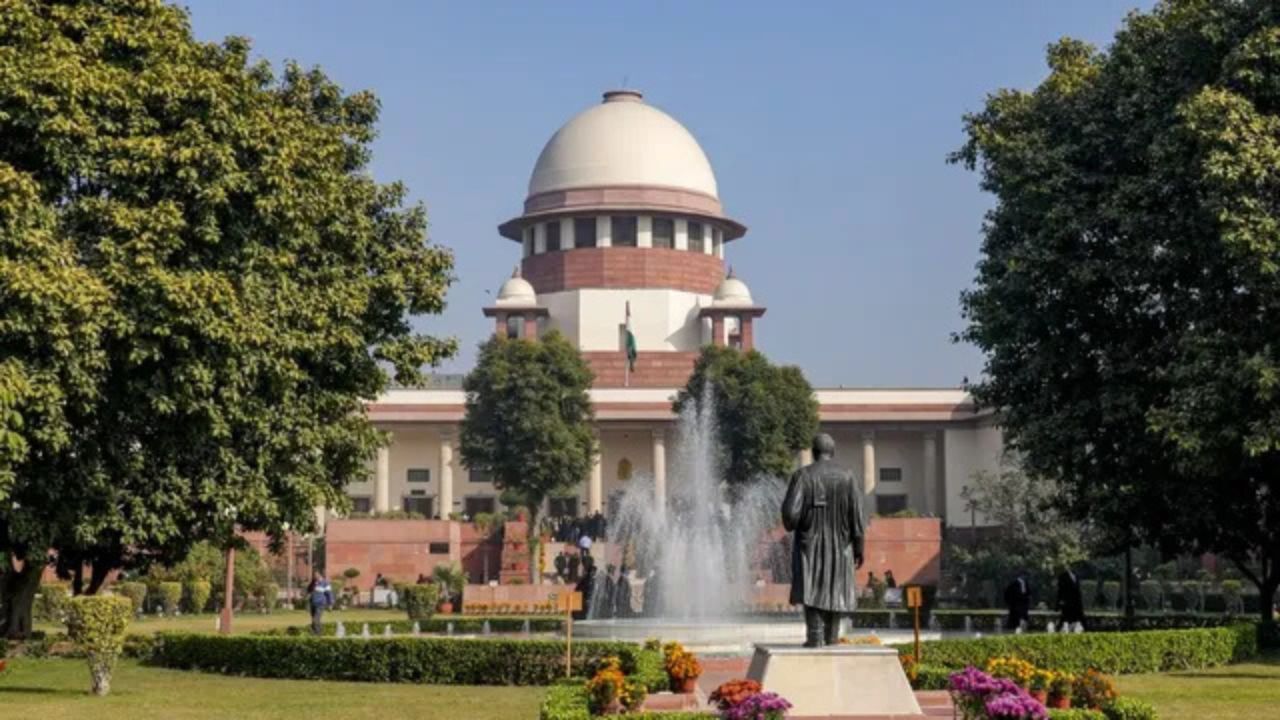
Dr. B.R. Ambedkar, the chief architect of the Indian Constitution, described Article 32 as the ‘heart and soul’ of the Constitution — and rightly so. The Right to Constitutional Remedies guarantees every citizen the right to move the Supreme Court for the enforcement of Fundamental Rights. This right makes all other rights real and enforceable. Without a remedy, rights would exist only on paper. Article 32 empowers the Supreme Court, and Article 226 similarly empowers High Courts, to issue writs — namely, habeas corpus, mandamus, prohibition, quo warranto, and certiorari — to enforce Fundamental Rights. The writ of habeas corpus, for instance, can be invoked to produce a person who has been unlawfully detained before a court. This right itself cannot be suspended except during a national emergency. It transforms the Indian citizen from a passive subject into an active participant in the legal system, capable of holding even the state accountable to constitutional standards.
Directive Principles and Fundamental Duties: The Other Pillars
While Fundamental Rights protect individuals from state overreach, the Constitution also provides two complementary frameworks: the Directive Principles of State Policy (Part IV, Articles 36–51) and the Fundamental Duties (Part IV-A, Article 51-A). The Directive Principles, though non-justiciable, direct the government to strive towards social and economic justice — securing adequate livelihood, equal pay for equal work, and free and compulsory education for children. They serve as guiding principles for lawmaking and governance. Fundamental Duties, added by the 42nd Constitutional Amendment in 1976, remind citizens that rights come with responsibilities. These include duties such as respecting the national flag, protecting the environment, promoting scientific temper, and upholding the sovereignty of the nation. Together, these provisions ensure that the Constitution is not merely a charter of rights, but also a vision for a just, responsible, and harmonious society.
Why These Rights Matter in Modern India
In contemporary India, the relevance of Fundamental Rights has never been more pronounced. As the country navigates complex challenges — from issues of press freedom and digital rights to questions of religious tolerance and social justice — the constitutional guarantees enshrined in Part III serve as a crucial bulwark against authoritarianism and injustice. Courts continue to expand the scope of Article 21 to cover new-age rights such as the right to privacy, recognised by the Supreme Court in the landmark 2017 Puttaswamy judgment. Awareness of one’s rights enables citizens to challenge discriminatory laws, demand government accountability, and seek redress in courts. For a democracy to truly function, its citizens must not only know their rights but also be willing to exercise and defend them. The Indian Constitution, with its Fundamental Rights at its core, remains the most powerful tool available to every Indian citizen in their pursuit of liberty, equality, and justice.
Discover more from NewsNation Online
Subscribe to get the latest posts sent to your email.
आपके लिए सुझाव



























































































Leave a Reply