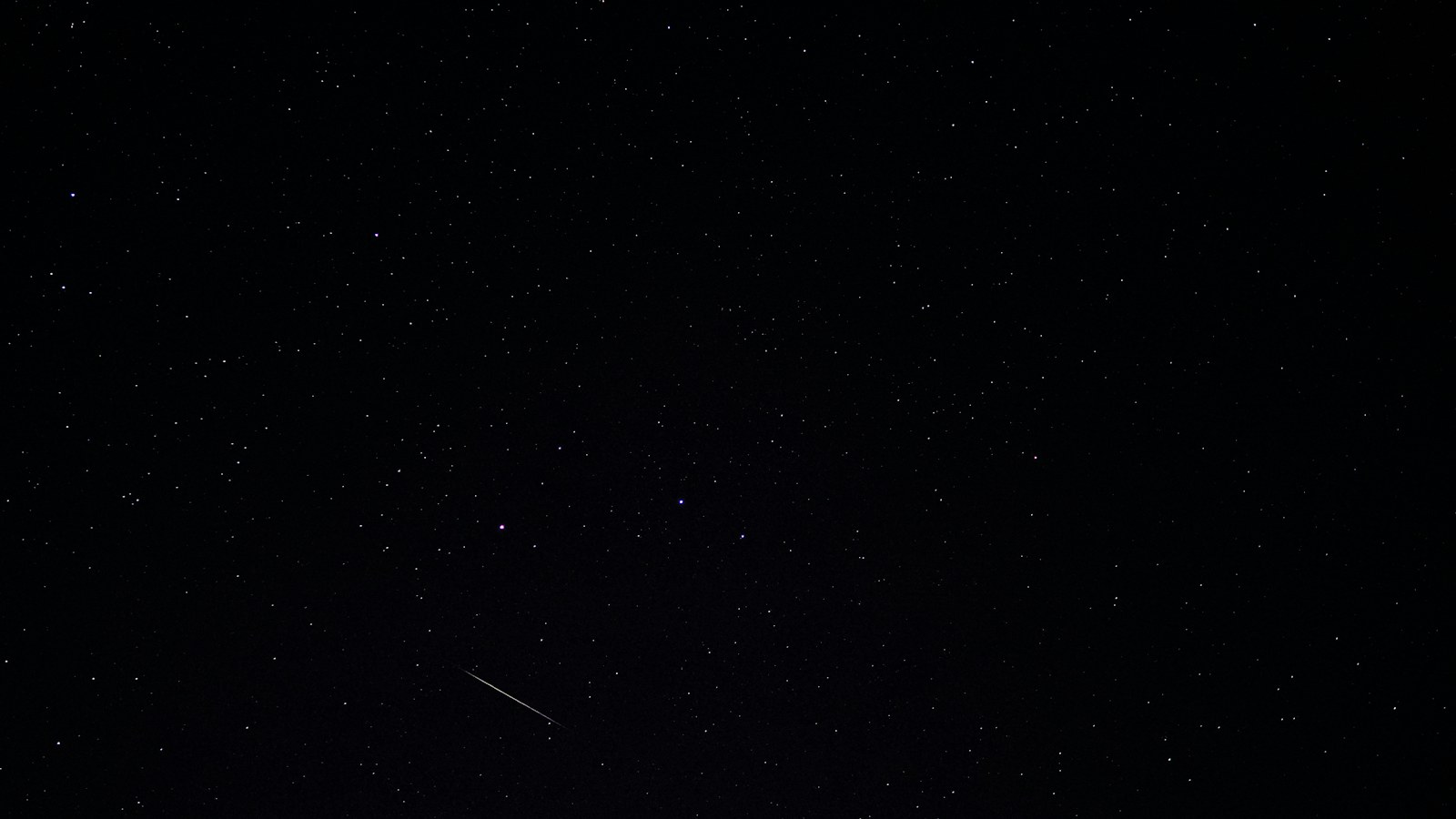
Meteor Shower Viewing Guide for Beginners. What meteor showers are, when to watch and how to find better viewing conditions. This article is an evergreen explainer, not an unverified breaking-news claim.
What is a meteor?
A meteor is a streak of light created as a small object enters Earth’s atmosphere. A meteorite is material that survives to reach the ground.
Why showers happen
Earth sometimes passes through streams of debris associated with comets or asteroids. Activity can vary significantly from year to year.
The radiant point
Meteor showers are named for the area of sky from which meteors appear to radiate, but meteors can be visible across much of the sky.
Darkness matters
City lighting reduces visibility. Choose a safe, accessible site away from bright lights and allow your eyes time to adjust.
Weather and moonlight
Clouds and a bright Moon can make meteors difficult to see. A predicted peak does not guarantee a clear local sky.
What equipment is needed?
You generally do not need a telescope or binoculars. Comfortable clothing, patience and a broad view of the sky are more helpful.
Where to learn more
NASA explains meteors and meteorites at NASA Science. See related meteor shower coverage.
Editorial note: Verify current policies, prices and dates with the relevant primary source before making decisions.
Why meteor showers happen
As Earth travels around the Sun, it sometimes passes through streams of tiny particles left behind by comets or, in some cases, asteroids. When those particles enter the atmosphere at high speed, they produce brief streaks of light called meteors. A meteor shower is not a sudden storm of rocks reaching the ground. Most particles burn up high above the surface.
Meteor, meteoroid and meteorite: three different terms
A meteoroid is a small natural object traveling through space. A meteor is the visible streak produced when material enters Earth’s atmosphere. A meteorite is material that survives its passage and reaches the ground. Understanding these distinctions helps readers interpret scientific announcements and avoid exaggerated headlines about objects ‘falling from the sky.’
What the radiant means
During a meteor shower, streaks appear to trace back toward a region of the sky called the radiant. The radiant is a perspective effect, similar to how parallel railway tracks seem to meet in the distance. Meteors can appear far from that point, so observers should look across a broad area of sky rather than stare through a telescope at one spot.
How to choose a viewing location
Find a safe place with a wide, unobstructed view of the sky and as little artificial light as practical. Rural areas may be darker than city centers, but accessibility and personal safety matter more than a theoretical perfect location. Avoid restricted land, unsafe roadside stops and isolated areas where you cannot comfortably return home.
Why moonlight changes the experience
A bright Moon can wash out faint meteors, reducing the number visible to the naked eye. The Moon’s phase and position during your planned viewing period are therefore useful to check. A shower may be active even when local conditions make it difficult to see. Published peak rates should not be interpreted as a promise of that many meteors from your location.
Clouds, haze and atmospheric conditions
Cloud cover can hide meteors entirely, while haze and light pollution reduce visibility. Check a local weather forecast before traveling and consider whether the sky will be clear during the relevant hours. A forecast can change, and a brief clearing may still provide a useful opportunity. Never drive or hike into dangerous weather merely to observe a shower.
When should beginners start watching?
The best local viewing period depends on the shower’s radiant, moonlight and seasonal conditions. For many showers, the hours after midnight can be favorable because of Earth’s motion, but that is not a universal rule. Consult an established astronomy calendar for the specific shower and convert published times carefully into your own time zone.
How long should you observe?
Watching for only two or three minutes may lead to disappointment because meteors arrive irregularly. Set aside a longer, comfortable session if conditions allow. Give your eyes time to adapt to darkness and avoid looking repeatedly at a bright phone screen. A dim red light can help preserve night vision when checking notes or equipment.
Do you need a telescope or binoculars?
Usually not. Telescopes and binoculars show a narrow section of the sky, while meteors may appear almost anywhere overhead. The naked eye provides a wider field of view. A reclining chair, warm clothing and patience are often more valuable than specialized optical equipment for a casual meteor-watching session.
What to bring for a safe night outdoors
Dress for the expected temperature, bring drinking water and use a comfortable chair or ground mat. If visiting a public viewing area, follow local access rules and keep pathways clear. Let someone know your plans when traveling to a remote location. In areas with insects or wildlife, prepare appropriately without disturbing the environment.
Can you photograph a meteor shower?
A camera with manual controls, a stable tripod and a wide-angle lens can help record meteors. Longer exposures may capture streaks, but results depend on sky brightness and camera settings. Beginners should test their equipment before the event. Avoid using flash or bright screens around other observers, and do not mislabel an aircraft trail or satellite as a meteor without checking.
Why predictions and observed rates differ
A forecast may describe activity under ideal dark-sky conditions with the radiant favorably positioned. Actual visibility varies with clouds, Moon brightness, radiant altitude, local light pollution and the shower’s natural variability. Some years are more active than others. An unusually high predicted rate is not a guarantee of a dramatic display.
How to identify reliable astronomy information
Look for established scientific organizations and astronomy groups that explain their dates, time zones and observational assumptions. NASA’s meteors and meteorites guide is a useful introduction to the science. Be cautious of social posts promising that a meteor shower will be ‘visible everywhere’ at an exact minute.
Viewing with family and beginners
A meteor shower can be a simple introduction to astronomy. Explain that long gaps between visible meteors are normal and encourage observers to notice stars, constellations and changes in sky brightness. Choose a safe location and reasonable viewing duration. An educational outing should not depend on capturing a spectacular photograph.
After the observing session
Record the date, local time, weather, approximate number of meteors seen and whether the Moon was visible. Such notes can help compare future viewing sessions, even if they are not formal scientific observations. For related reporting, read NewsNationOnline’s Draconid meteor shower coverage, and verify any date-specific claims against updated astronomy sources.
Editorial note: This is an evergreen beginner’s guide. It does not promise a particular meteor rate, peak time or local visibility on a specific night.
Discover more from NewsNation Online
Subscribe to get the latest posts sent to your email.
आपके लिए सुझाव




















Leave a Reply