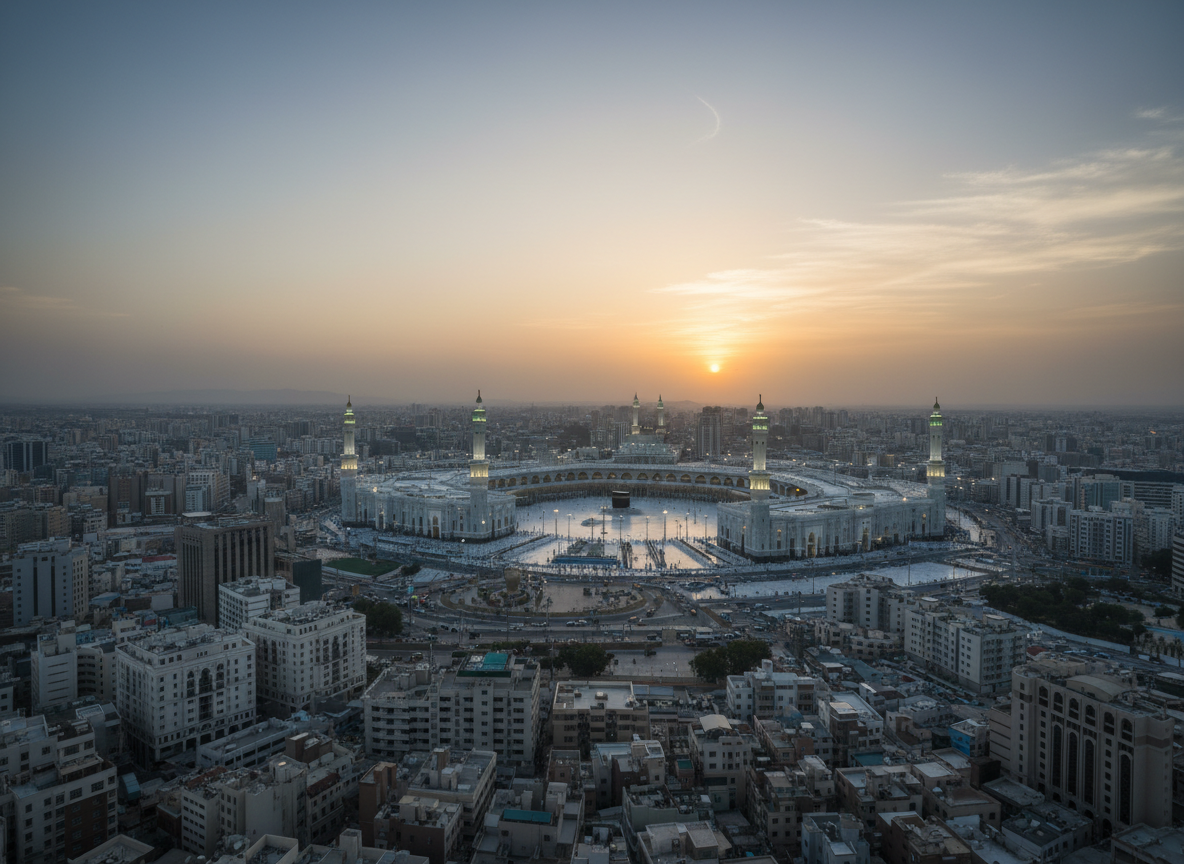
MAKKAH: Saudi authorities have rejected social-media claims that a suicide bomber was involved in an incident at the Grand Mosque in Makkah, offering an important reminder of how quickly misinformation can spread when Islam’s holiest site is involved.
Authorities said a person was arrested for harassing passersby and spreading fear and panic. They explicitly denied the circulating claims about a bombing attempt.
Why false reports spread so quickly
Any security-related video or message connected to Masjid al-Haram can attract enormous attention because millions of Muslims have a deep emotional and spiritual connection with the site. That creates an environment in which unverified posts can travel across countries and languages before official information catches up.
The safest approach is to distinguish what a video appears to show from what authorities and credible news organisations have verified. Old footage, incorrect captions and dramatic claims can all create a false impression during fast-moving events.
Verification matters around sacred sites
News organisations and social-media users have a particular responsibility when reporting incidents in Makkah and Madinah. False claims can cause unnecessary fear among pilgrims and families, while inaccurate allegations can also inflame political or sectarian tensions.
In this case, the verified official account is that a man was detained after causing panic and that Saudi authorities said the viral suicide-bomber claim was untrue. Readers should be cautious about posts that present more dramatic claims without reliable sourcing.
The episode is also a useful digital-literacy lesson: check the date, location and original source of a clip; look for confirmation from multiple credible outlets; and avoid forwarding alarming claims simply because they are trending.
Source: Dawn.
Discover more from NewsNation Online
Subscribe to get the latest posts sent to your email.
आपके लिए सुझाव







Leave a Reply