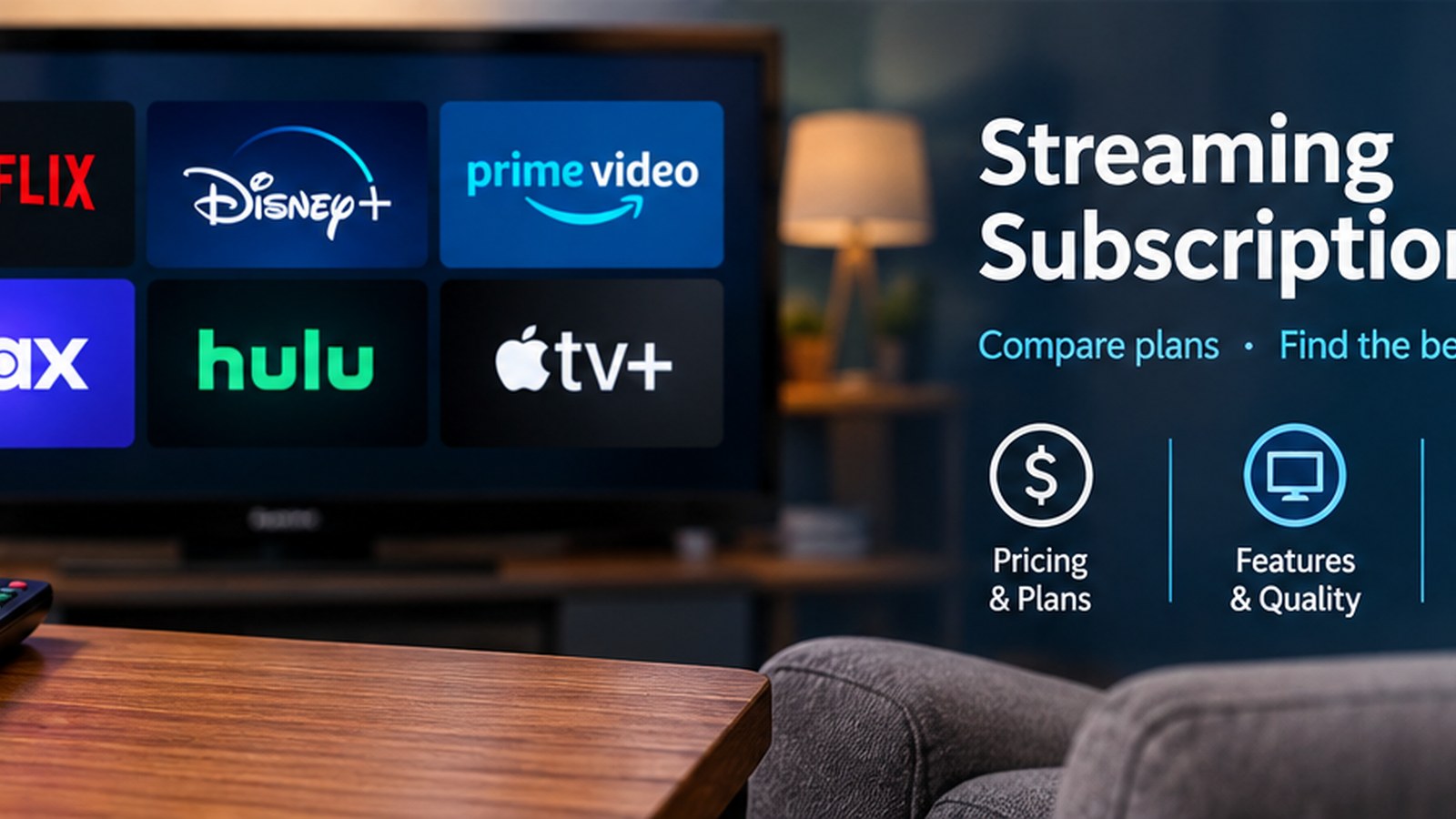
Streaming Subscription Costs: A Practical Comparison Guide. How to compare video streaming plans, renewals, bundles and cancellation terms. This article is an evergreen explainer, not an unverified breaking-news claim.
Look beyond the monthly price
Convert recurring charges into an annual total and include applicable taxes or fees. Promotional prices can expire.
Compare plan features
Check advertisements, video quality, supported devices, simultaneous streams and offline downloads. The cheapest plan may not match your needs.
Understand bundles
A bundle is useful only when you use enough included services to justify its cost. Compare the total with subscribing separately.
Automatic renewals
Free trials and discounted offers may turn into paid recurring subscriptions. Read the billing terms and note the renewal date.
Household and travel restrictions
Providers may apply household-sharing or location rules. Consult the current terms rather than an outdated review.
Cancellation and refunds
Cancellation methods and refund eligibility vary. Use the official account billing page and save confirmation.
A simple budget habit
Review active subscriptions every few months and consider rotating services. For consumer guidance, consult the US Federal Trade Commission. See entertainment coverage.
Editorial note: Verify current policies, prices and dates with the relevant primary source before making decisions.
Why the advertised monthly price is only a starting point
Streaming platforms commonly advertise a headline monthly price, but the real cost depends on the billing cycle, taxes, promotions, plan features and any extra subscriptions. A plan costing $12 per month, for example, represents $144 across twelve months before any other charges. The calculation is simple, yet many households underestimate the annual cost when several services renew on different dates.
Compare annual and monthly billing
An annual plan may reduce the effective monthly price, but it requires a larger upfront payment and may be less flexible. A monthly plan can be preferable when you want to subscribe only during a particular series or sports season. Before choosing, check whether cancellation stops future renewals or ends access immediately and whether any unused period is refundable.
Advertising-supported versus ad-free tiers
Some platforms offer lower-priced plans that include advertising. The difference is not simply whether ads appear: supported video quality, downloads and content availability may also vary by tier. Check the provider’s current comparison page rather than assuming all features are identical. If you watch only occasionally, a lower-cost tier may be adequate; frequent viewers may value fewer interruptions.
Simultaneous screens and household rules
Two plans with similar prices may permit different numbers of simultaneous streams. Household-sharing restrictions, travel rules and additional-member charges can also affect the value of a subscription. Confirm the applicable terms before paying for a higher tier or attempting to share an account across addresses.
Video quality and device compatibility
High-definition, 4K and surround-sound features may require specific plans, compatible devices and sufficient internet bandwidth. Paying for a premium tier makes little sense if your television or connection cannot use its features. Review the streaming service’s supported-device list and the technical specifications of your equipment.
Sports rights and changing catalogues
A streaming platform’s library is not fixed. Films and shows may leave because of licensing changes, while live sports rights can vary by region and season. If one event or series is the main reason for subscribing, confirm that it is actually available in your location and included in the selected plan before paying.
Bundled services: savings or extra spending?
A bundle may combine video, music, mobile service or other products for a single fee. Compare the bundle price against the cost of only the services you regularly use. An apparently generous discount can still mean spending more if it encourages subscriptions you would otherwise avoid.
Watch for introductory offers
Free trials and discounted introductory periods may convert to standard recurring prices. Note the trial’s expiration date, what payment method is required and how to cancel. Do not rely solely on an advertisement’s large print; read the offer terms that explain renewal and eligibility.
How to audit your current subscriptions
Review bank and card statements for recurring digital charges. Make a simple list with each provider, current plan, amount, billing date and whether anyone in the household actually uses it. Include subscriptions purchased through app stores or mobile operators, since those may not appear under the service’s direct billing page.
Use a subscription rotation strategy
Rather than maintaining every platform throughout the year, some viewers subscribe to one or two services at a time. Watch the programs that interest you, cancel according to the provider’s rules, and return later if the catalogue changes. This approach requires checking that saved profiles, watchlists and access behave as expected after cancellation.
What to do when cancellation is confusing
Locate the original billing provider: the streaming company, an app store, a cable provider or a telecommunications bundle. Cancellation often must be completed through the same billing channel. Keep the confirmation email or screenshot and review the next statement for unexpected charges. For general consumer guidance on recurring charges and subscriptions, consult the US Federal Trade Commission.
Account security is part of the cost
Use a unique password and enable available account-security features. Be cautious of emails claiming your subscription will be suspended unless you immediately enter payment details. Instead of opening links in unexpected messages, sign in through the service’s official app or website. Check the account’s signed-in devices if you suspect unauthorized access.
A fair comparison worksheet
For each service, record the monthly price, annual equivalent, advertisements, simultaneous streams, downloads, video quality, the shows you want, renewal date and cancellation method. Compare the total annual cost of your chosen combination, not just one service at a time. The cheapest option is not necessarily the best if it lacks the content you intend to watch.
Questions before subscribing
Will you watch the service this month? Is the program available in your region? Does the advertised price include the features you need? Will the price rise after a promotion? Who handles billing and cancellation? Answering these questions can prevent avoidable charges. Explore related entertainment coverage for updates.
Editorial note: This is a general consumer guide, not a live price comparison. Subscription prices, catalogs and policies change, so confirm the current terms on each provider’s official website.
Discover more from NewsNation Online
Subscribe to get the latest posts sent to your email.
आपके लिए सुझाव



















Leave a Reply