

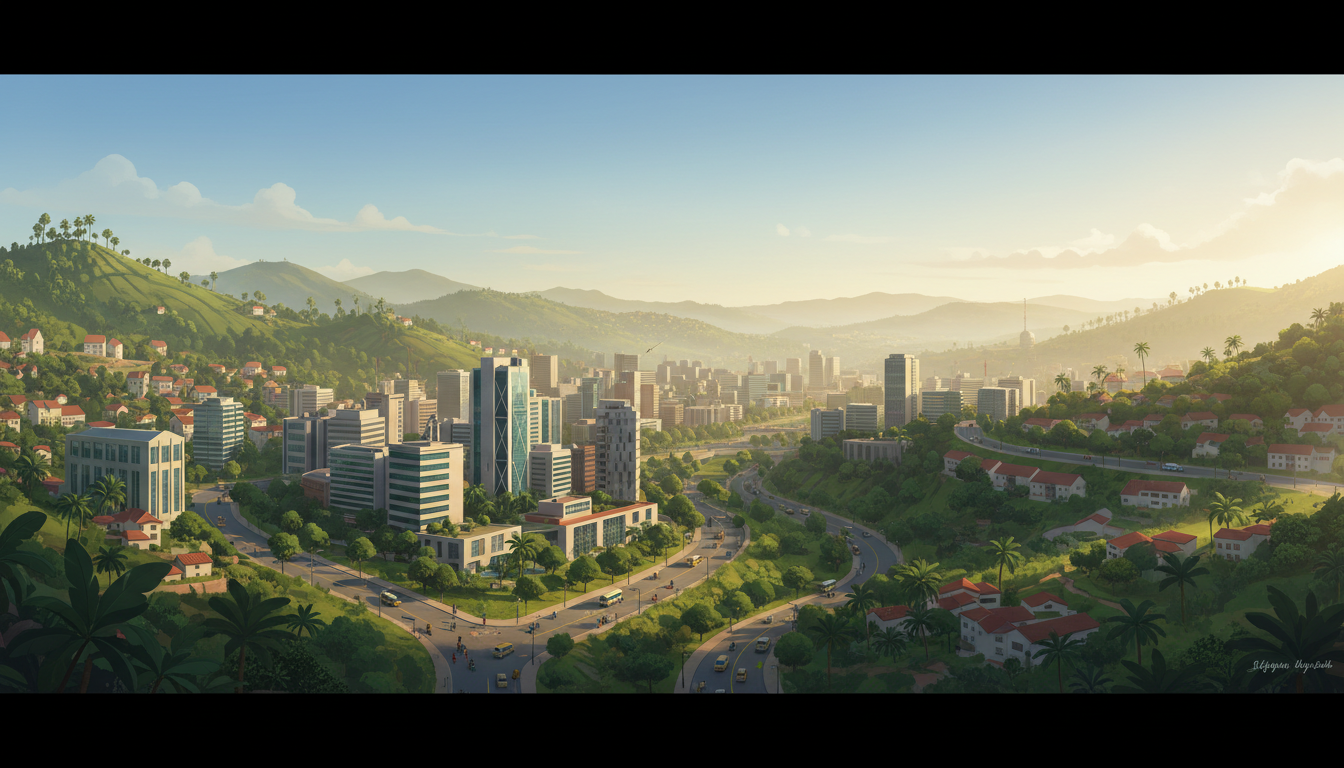

1. Kigali’s hills and neighbourhoods
Kigali is not a flat, single-centre metropolis. Residential districts, business areas and markets spread over a succession of hills and valleys. This geography creates striking views but also means that apparently short journeys can involve steep roads and changing traffic conditions. Travellers benefit from grouping nearby stops rather than crossing the city repeatedly.2. Kigali Genocide Memorial
The memorial at Gisozi honours victims of the 1994 Genocide against the Tutsi and provides historical interpretation and a place for remembrance. Its purpose is educational and commemorative, not entertainment. Visitors should allow unhurried time, observe photography restrictions and approach the exhibits with sensitivity. Gisozi forms part of Rwanda’s UNESCO-listed memorial sites property.3. Kimironko Market
Kimironko is associated with fresh produce, textiles, household goods and everyday commerce. Markets can provide insight into urban livelihoods, but visitors should ask permission before photographing traders, keep valuables secure and avoid obstructing business. Prices and opening arrangements should be checked locally.4. Nyamirambo and everyday culture
Nyamirambo is among Kigali’s historically diverse neighbourhoods, known for its busy streets and community enterprises. Locally organised walking or cultural experiences can help visitors understand the area beyond a quick photo stop. Respect for residents and privacy is essential.5. Kigali’s art scene
Contemporary art spaces and studios provide a different lens on Rwanda, showcasing painting, design and cultural exchange. Exhibition programmes and gallery hours change, so verify current details rather than assuming a particular show is running.6. Kandt House and the colonial-era story
The former residence associated with Richard Kandt is linked to the history of early colonial administration and Kigali’s development. Any account of the city’s past should also centre Rwandan perspectives and avoid reducing local history to European arrival.7. Mount Kigali and city viewpoints
The elevated landscape around Mount Kigali offers a sense of the capital’s scale and its green setting. Conditions on trails and access roads vary; use local guidance and avoid isolated routes after dark.8. Food: brochettes, isombe and more
Kigali’s restaurants and casual eateries reflect both Rwandan traditions and regional influences. Brochettes are common grilled skewers, while isombe is made with cassava leaves. Vegetarian options, beans, plantains and fresh produce are widely relevant to the local food story. Follow sensible food and drinking-water precautions.9. Coffee culture
Rwanda’s coffee industry links rural growers with urban roasters and cafés. Kigali provides opportunities to learn about processing and flavour, but ethical sourcing claims should be evaluated rather than assumed from marketing.10. Crafts and souvenirs
Basket weaving, textiles and locally made design objects are part of the city’s creative economy. Ask about makers and materials, compare quality and buy from businesses that clearly explain how artisans are compensated.11. Getting around Kigali
Road-based transport dominates movement around the city. Use licensed or reputable transport options, agree on fares where appropriate and allow extra time for hills and traffic. Motorcycle-taxi safety deserves particular consideration, including suitable helmets.12. Where to stay
Accommodation choices range from business hotels to guesthouses and smaller properties. Location can matter as much as room price: proximity to planned activities, reliable transport and a sensible route to the airport may save substantial time.13. A respectful one-day itinerary
Begin with a thoughtful memorial visit, followed by lunch and an art or cultural stop. Later, explore a market or neighbourhood with a local guide. Keep the schedule flexible and avoid combining emotionally demanding memorial experiences with rushed sightseeing.14. A two-day itinerary
Use the first day for historical context and central-city experiences. On the second, focus on neighbourhood food, design, coffee or crafts. A two-day plan is better than an overpacked checklist because Kigali’s interest lies partly in its everyday urban life.15. Safety, entry and current advice
Rwanda’s travel conditions and entry requirements can change. Check official visa information, relevant health guidance and the latest travel advisories before departure. Be especially cautious about planning onward travel toward the Democratic Republic of the Congo without checking border-specific security advice.Why Kigali matters to Rwanda’s wider story
Kigali is the country’s political and economic centre, but it is also a gateway to other environments. Volcanoes National Park lies to the northwest, Akagera to the east and Nyungwe to the southwest. Travellers should resist treating the capital merely as an overnight transit stop. Its memorials, markets and cultural institutions help place Rwanda’s landscapes in a fuller historical and social context.Official sources and further reading
Consult Kigali Genocide Memorial for visitor information and educational resources, UNESCO for Rwanda’s inscribed World Heritage properties, and UK FCDO advice for current travel conditions. For broader planning, see our Rwanda travel guide, 15 best places in Rwanda and Uganda travel guide.Also read:
➤ Bujumbura City Guide: Lake Tanganyika, Markets, Culture and Travel Tips
➤ 15 Places to Know in Burundi: Lake Tanganyika, Gitega, Waterfalls and Forests
➤ Rwanda Travel Checklist 2026: 15 Essential Tips for Visas, Health, Safety and Trekking
जालना, महाराष्ट्र और देश-दुनिया की ताज़ा खबरें
सीधे अपनी Facebook फ़ीड में पाएँ — News Nation Online पेज को Follow करें।
👍 Facebook पर Follow करेंसीधे अपनी Facebook फ़ीड में पाएँ — News Nation Online पेज को Follow करें।
Discover more from NewsNation Online
Subscribe to get the latest posts sent to your email.
Never miss a storyFollow News Nation Online on WhatsApp for breaking news from India and the world.
आपके लिए सुझाव


