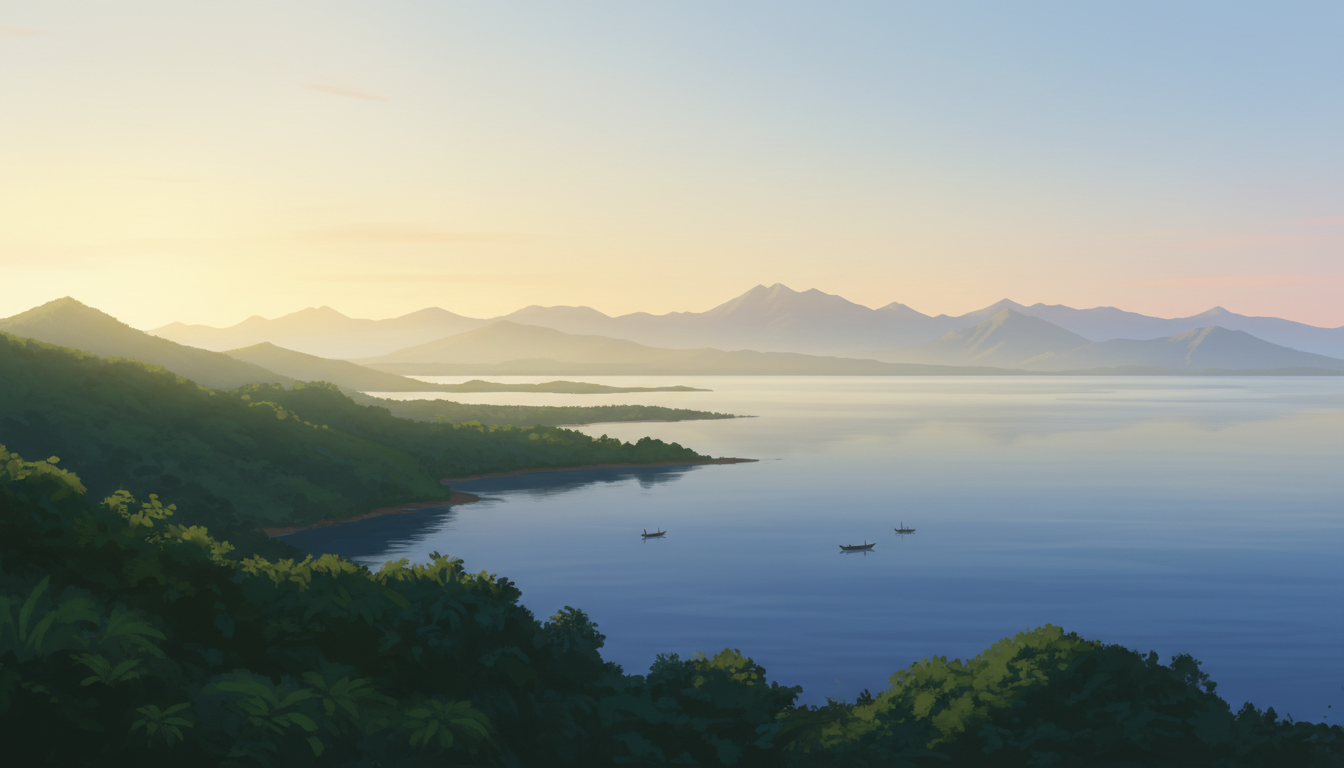
Burundi’s destinations extend from Lake Tanganyika to central highland heritage and protected forests. Although the country is often overlooked in East African travel writing, its landscapes, drumming traditions and lakeside communities offer distinct stories. This guide introduces 15 places and themes without assuming that every site is currently accessible or suitable for independent tourism.

1. Lake Tanganyika
One of the world’s deepest and oldest lakes, Tanganyika defines much of Burundi’s western edge. Its fisheries, ports and communities are as important as the waterfront scenery. Travellers should check local boating and swimming safety rather than assuming conditions are uniform along the shore.
2. Bujumbura
Burundi’s largest city and economic hub lies near Lake Tanganyika. Markets, urban history and lakeside areas offer context for the country’s commercial life. Gitega is the political capital, so calling Bujumbura the present political capital would be inaccurate.
3. Gitega
Gitega serves as Burundi’s political capital and is associated with central highland culture. The national museum and nearby drum heritage traditions make it a valuable destination for visitors interested in history beyond the lakeshore.
4. Gishora Drum Sanctuary
Near Gitega, Gishora is associated with Burundi’s royal drum traditions. The ritual dance of the royal drum is inscribed on UNESCO’s Representative List of the Intangible Cultural Heritage of Humanity; that recognition is distinct from UNESCO World Heritage Site status.
5. Rusizi National Park
Wetlands and riverine habitats near Bujumbura support birds and other wildlife. Protected-area visits require attention to official access rules, conservation and safety around waterways.
6. Kibira National Park
Kibira protects montane forest in northwestern Burundi. Its ecological importance includes watershed functions and forest biodiversity. Guided access, current security conditions and park arrangements should be verified before a trip.
7. Ruvubu National Park
Burundi’s eastern protected landscapes include Ruvubu, associated with savanna and river habitats. Wildlife experiences depend on conservation management and local access; do not assume the facilities of better-known East African safari parks.
8. Karera Waterfalls
The Karera falls in southeastern Burundi are a group of cascading waterfalls in a green setting. Water flow varies with rainfall, and slippery approaches make appropriate footwear and local guidance important.
9. Source of the Nile monument
Burundi has sites linked to historical claims about the Nile’s most distant headwaters. The river system has multiple tributaries and competing definitions of its source; monuments should be interpreted as part of geographic history rather than as the final word in a complex debate.
10. Teza tea-growing highlands
Highland tea landscapes illustrate Burundi’s agricultural economy and cooler elevations. Any plantation or processing visit should be arranged with permission and respect for workers.
11. Rumonge lakeshore
South of Bujumbura, Rumonge is linked to fishing and lakeside commerce. It offers a different perspective on Lake Tanganyika from urban waterfronts. Local transport, accommodation and security should be checked in advance.
12. Bururi forest landscapes
Southern Burundi’s forest reserves and highlands contribute to biodiversity conservation. Access can be limited, and responsible visits should prioritise approved routes and local ecological guidance.
13. Ngozi
Ngozi is a northern urban centre connected to surrounding farming communities. Its relevance lies in everyday Burundian life, markets and regional geography rather than a single famous attraction.
14. Mwaro highlands
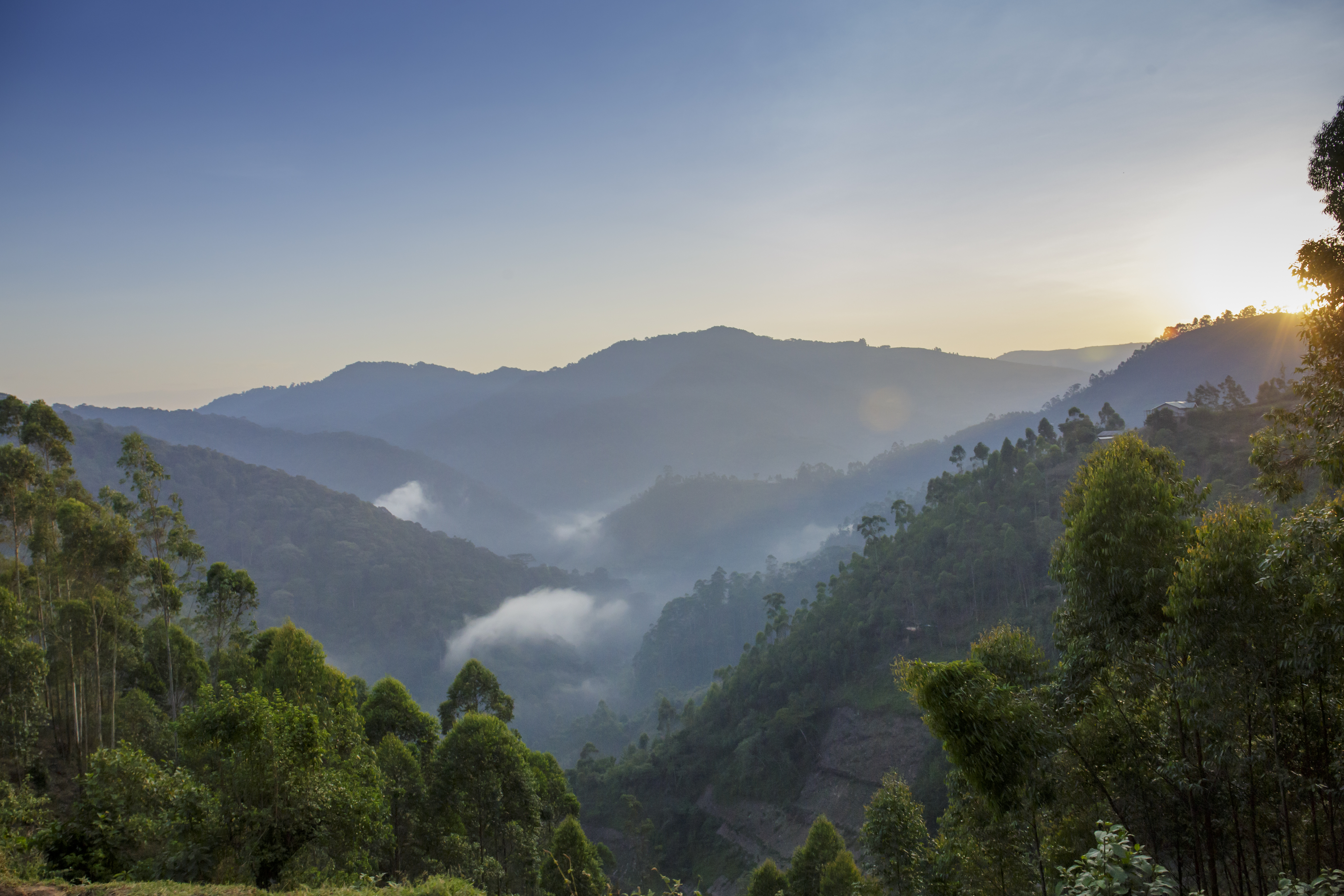
Central highland scenery reflects Burundi’s densely cultivated landscape. Visitors should seek locally led experiences and respect private agricultural land instead of treating villages as open-air displays.
15. Tanganyika fishing communities
Fishing livelihoods and local food traditions provide insight into how the lake sustains households. Travellers can support locally owned services, but should obtain consent before photography and avoid disrupting working areas.
UNESCO heritage: an important distinction
Burundi’s ritual dance of the royal drum is recognised as intangible cultural heritage. This does not mean Gishora is a UNESCO World Heritage property. Check UNESCO’s Burundi country page for the current World Heritage status of sites and tentative listings.
Travel safety and practical planning
Security, infrastructure and entry conditions require careful assessment. Read the latest UK FCDO Burundi travel advice and your own government’s guidance before considering a trip. Avoid implying that border crossings, protected areas or remote routes are open without current confirmation. Arrange reputable local transport, allow time for road conditions and respect community and conservation rules.
Explore the region
Read our complete Burundi travel guide, Rwanda travel guide and Uganda travel guide for wider regional context.
Discover more from NewsNation Online
Subscribe to get the latest posts sent to your email.
आपके लिए सुझाव













Leave a Reply