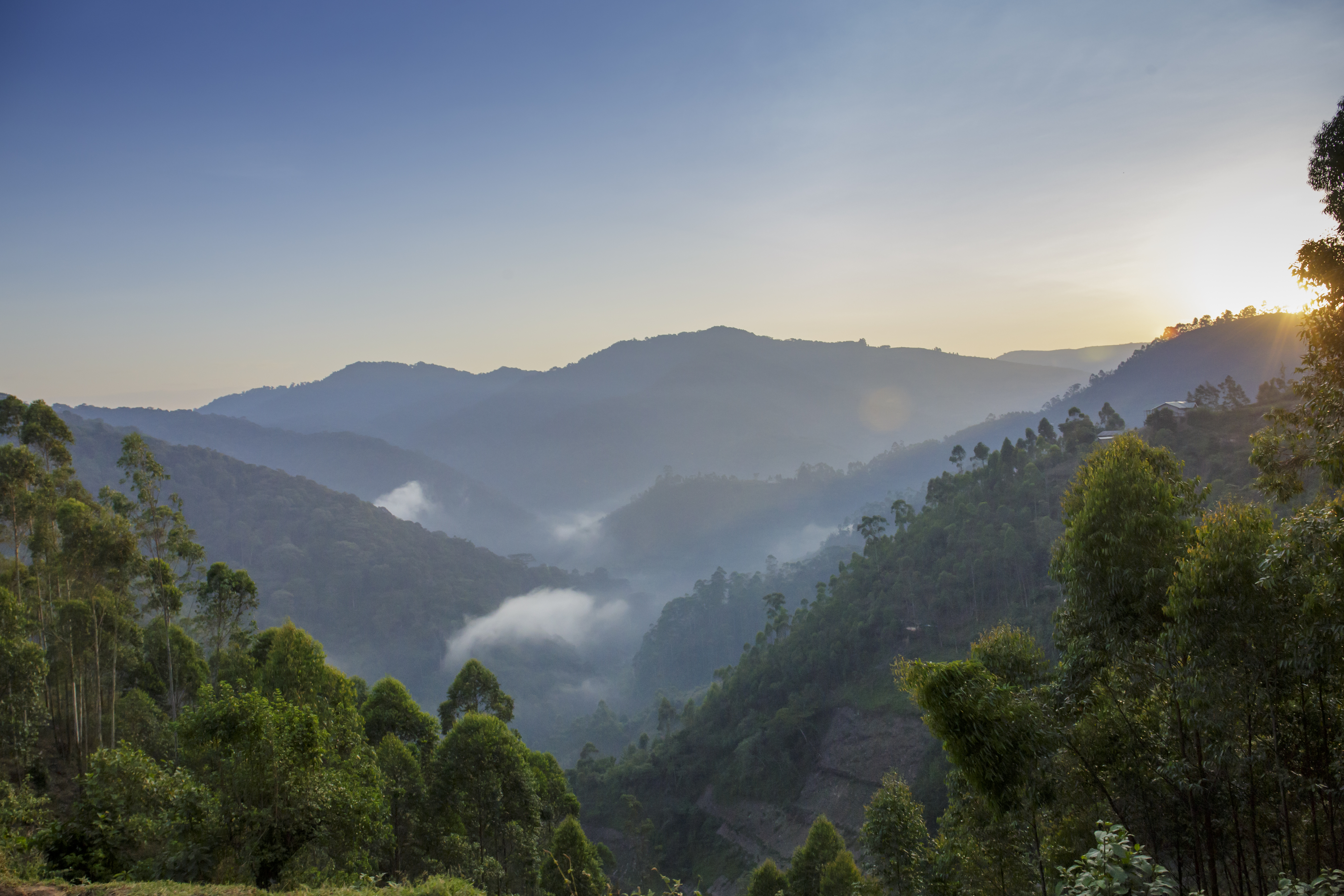
Learn about Uganda’s traditional dishes, regional staples, markets and food culture. Uganda’s varied geography and communities make this subject more complex than a single checklist. This guide offers an editorial starting point, with practical decisions to be verified against current official information.
1. Matoke
Matoke is an important part of understanding ugandan food. Its significance depends on local geography, history, conservation and community life. Readers should look beyond promotional descriptions, check local operating conditions and seek locally informed guidance. Where access involves protected areas or sensitive cultural sites, follow official rules, permit requirements and respectful visitor practices.
2. Luwombo
Luwombo is an important part of understanding ugandan food. Its significance depends on local geography, history, conservation and community life. Readers should look beyond promotional descriptions, check local operating conditions and seek locally informed guidance. Where access involves protected areas or sensitive cultural sites, follow official rules, permit requirements and respectful visitor practices.
3. Rolex street food
Rolex street food is an important part of understanding ugandan food. Its significance depends on local geography, history, conservation and community life. Readers should look beyond promotional descriptions, check local operating conditions and seek locally informed guidance. Where access involves protected areas or sensitive cultural sites, follow official rules, permit requirements and respectful visitor practices.
4. Posho
Posho is an important part of understanding ugandan food. Its significance depends on local geography, history, conservation and community life. Readers should look beyond promotional descriptions, check local operating conditions and seek locally informed guidance. Where access involves protected areas or sensitive cultural sites, follow official rules, permit requirements and respectful visitor practices.
5. Groundnut sauce
Groundnut sauce is an important part of understanding ugandan food. Its significance depends on local geography, history, conservation and community life. Readers should look beyond promotional descriptions, check local operating conditions and seek locally informed guidance. Where access involves protected areas or sensitive cultural sites, follow official rules, permit requirements and respectful visitor practices.
6. Beans and legumes
Beans and legumes is an important part of understanding ugandan food. Its significance depends on local geography, history, conservation and community life. Readers should look beyond promotional descriptions, check local operating conditions and seek locally informed guidance. Where access involves protected areas or sensitive cultural sites, follow official rules, permit requirements and respectful visitor practices.
7. Cassava
Cassava is an important part of understanding ugandan food. Its significance depends on local geography, history, conservation and community life. Readers should look beyond promotional descriptions, check local operating conditions and seek locally informed guidance. Where access involves protected areas or sensitive cultural sites, follow official rules, permit requirements and respectful visitor practices.
8. Sweet potatoes
Sweet potatoes is an important part of understanding ugandan food. Its significance depends on local geography, history, conservation and community life. Readers should look beyond promotional descriptions, check local operating conditions and seek locally informed guidance. Where access involves protected areas or sensitive cultural sites, follow official rules, permit requirements and respectful visitor practices.
9. Millet traditions
Millet traditions is an important part of understanding ugandan food. Its significance depends on local geography, history, conservation and community life. Readers should look beyond promotional descriptions, check local operating conditions and seek locally informed guidance. Where access involves protected areas or sensitive cultural sites, follow official rules, permit requirements and respectful visitor practices.
10. Tilapia and Nile perch
Tilapia and Nile perch is an important part of understanding ugandan food. Its significance depends on local geography, history, conservation and community life. Readers should look beyond promotional descriptions, check local operating conditions and seek locally informed guidance. Where access involves protected areas or sensitive cultural sites, follow official rules, permit requirements and respectful visitor practices.
11. Chapati
Chapati is an important part of understanding ugandan food. Its significance depends on local geography, history, conservation and community life. Readers should look beyond promotional descriptions, check local operating conditions and seek locally informed guidance. Where access involves protected areas or sensitive cultural sites, follow official rules, permit requirements and respectful visitor practices.
12. Fresh tropical fruit
Fresh tropical fruit is an important part of understanding ugandan food. Its significance depends on local geography, history, conservation and community life. Readers should look beyond promotional descriptions, check local operating conditions and seek locally informed guidance. Where access involves protected areas or sensitive cultural sites, follow official rules, permit requirements and respectful visitor practices.
13. Coffee-growing regions
Coffee-growing regions is an important part of understanding ugandan food. Its significance depends on local geography, history, conservation and community life. Readers should look beyond promotional descriptions, check local operating conditions and seek locally informed guidance. Where access involves protected areas or sensitive cultural sites, follow official rules, permit requirements and respectful visitor practices.
14. Food markets
Food markets is an important part of understanding ugandan food. Its significance depends on local geography, history, conservation and community life. Readers should look beyond promotional descriptions, check local operating conditions and seek locally informed guidance. Where access involves protected areas or sensitive cultural sites, follow official rules, permit requirements and respectful visitor practices.
15. Food safety for visitors
Food safety for visitors is an important part of understanding ugandan food. Its significance depends on local geography, history, conservation and community life. Readers should look beyond promotional descriptions, check local operating conditions and seek locally informed guidance. Where access involves protected areas or sensitive cultural sites, follow official rules, permit requirements and respectful visitor practices.
Planning and reliable sources
For protected areas, consult the Uganda Wildlife Authority. For the country’s three World Heritage properties, see UNESCO’s Uganda profile. Before travel, review the UK government’s latest Uganda travel advice and your own country’s guidance. Prices, access, security and health requirements can change.
Explore more of East Africa
Read our complete Uganda guide, then compare the region with Rwanda and Burundi.
Discover more from NewsNation Online
Subscribe to get the latest posts sent to your email.
आपके लिए सुझाव






Leave a Reply