Burundi is a small Great Lakes country with an unusually varied landscape, stretching from the shores of Lake Tanganyika to highland ridges, forests, waterfalls and the rolling hills around Gitega. Known for its drumming traditions, fertile hills and lake scenery, Burundi has a cultural and natural heritage that is increasingly being documented for international recognition.
But a 2026 guide must also reflect the country’s current security conditions. Official advice warns against travel to several areas, particularly near the Democratic Republic of the Congo border and around parts of Kibira National Park. This article is therefore a geographical, cultural and heritage guide, not a recommendation to undertake travel.

1. Bujumbura — Burundi’s Lakeside Gateway
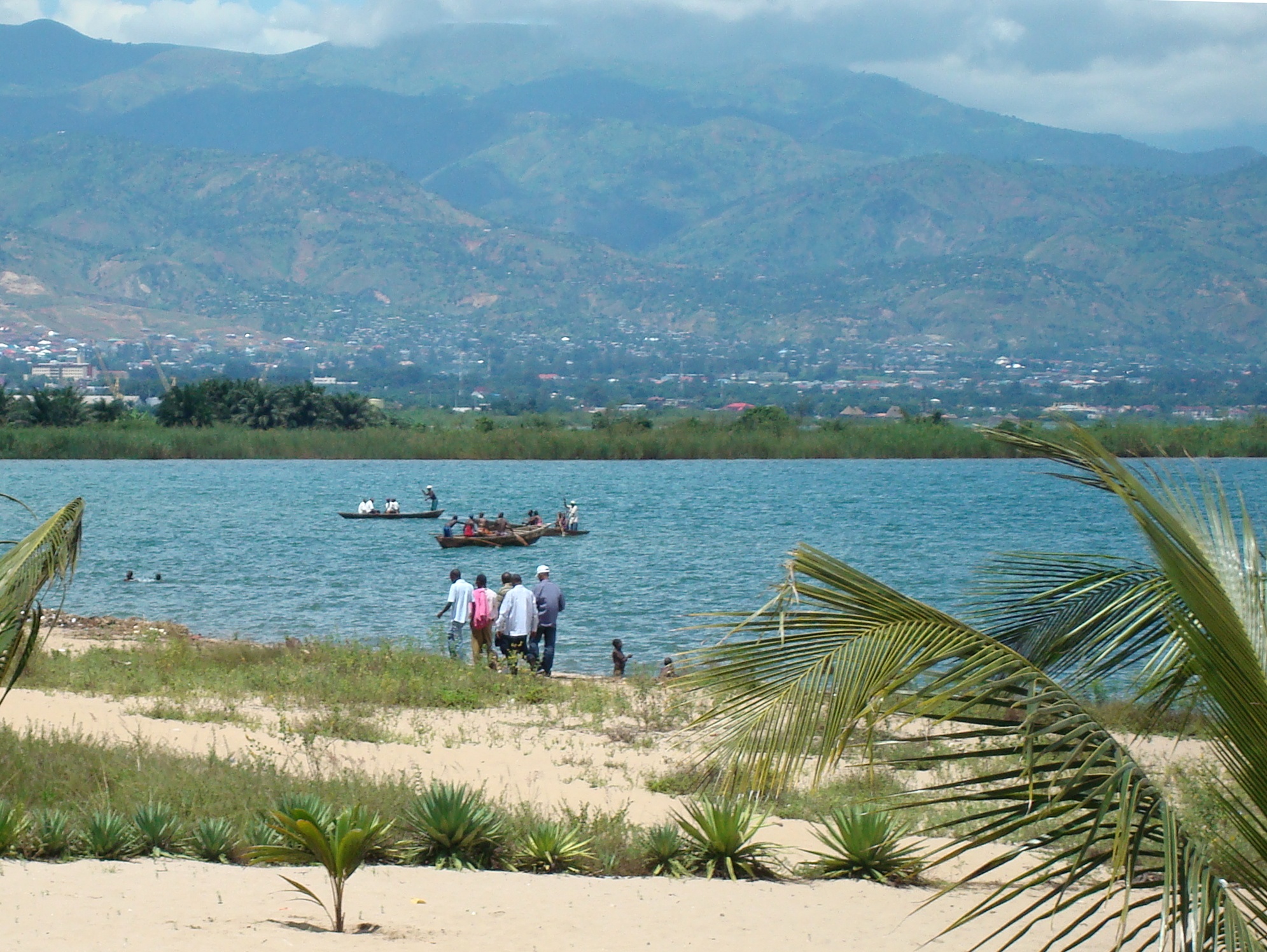
Bujumbura is Burundi’s largest city and its principal economic centre. Located on the northeastern shore of Lake Tanganyika, the city sits between the lake and the steep escarpment rising toward the interior. Its markets, neighbourhoods, waterfront and cultural institutions provide an introduction to modern Burundian life.
2. Lake Tanganyika
Lake Tanganyika is one of Africa’s Great Lakes and one of the world’s deepest freshwater lakes. Burundi occupies a relatively small section of its northeastern shore, but the lake has enormous importance for fishing, transport, food and local livelihoods. Its shoreline around Bujumbura and Rumonge combines sandy beaches, wetlands and dramatic mountain scenery.
3. Gitega — Cultural and Political Heritage
Gitega is Burundi’s political capital and an important cultural centre in the country’s central highlands. The city is associated with the former Burundian monarchy and the preservation of traditional arts. The National Museum of Gitega provides a window into the country’s history, archaeology and cultural traditions.
4. Gishora Drum Sanctuary
Gishora is famous for Burundi’s royal drum tradition. The Royal Drummers of Burundi have helped make the country’s drumming heritage internationally recognised. Performances combine complex rhythms, coordinated movement and ceremonial traditions connected with the history of the Burundian monarchy.
5. Kibira National Park
Kibira National Park protects high-altitude rainforest in northern Burundi. It forms part of the larger Congo-Nile mountain ecosystem and contains forest habitat for primates, birds and other species. The park is ecologically important because its forests help regulate water resources and protect steep mountain landscapes.
6. Ruvubu National Park
Ruvubu National Park follows the Ruvubu River through northeastern Burundi. Its landscape includes savanna, woodland, river valleys and wetlands. The park is known for antelope, hippos, crocodiles, primates and birdlife and represents one of the country’s most important protected savanna ecosystems.
7. Rusizi Nature Reserve
The Rusizi Reserve lies near Bujumbura where the Rusizi River enters Lake Tanganyika. Its wetlands and floodplains provide habitat for hippos, crocodiles and numerous birds. The reserve is particularly valuable because it protects wetland ecosystems immediately beside one of Burundi’s largest urban areas.
8. Karera Waterfalls
The Karera waterfalls in southeastern Burundi are among the country’s best-known natural attractions. A series of cascades cuts through a green landscape of forest and cultivated hills. The site is also included on UNESCO’s Tentative List, reflecting its potential cultural and natural heritage value.
9. Nyakazu Fault
The Nyakazu Fault, sometimes called the German Gorge, is a dramatic geological feature in southeastern Burundi. Deep valleys and exposed rock illustrate the geological forces that shaped the Great Lakes region. UNESCO added the site to Burundi’s Tentative List in 2026.
10. Gasumo — Source of the Nile
Gasumo is associated with one of the southernmost headwaters traditionally linked with the Nile system. The site has long attracted geographical and historical interest because of debates surrounding the Nile’s remotest sources. UNESCO has included Gasumo on Burundi’s Tentative List since 2007.
11. Northern Lakes of Burundi
Burundi’s northern lakes form a varied wetland and agricultural landscape. Smaller lakes and marshes support birds, fish, farming and local communities. UNESCO added the Northern Lakes of Burundi to the Tentative List in 2026, recognising their potential natural and cultural significance.
12. Sacred Natural Landscapes of Muramvya, Mpotsa and Nkiko-Mugamba
Burundi’s highlands contain landscapes that carry both ecological and spiritual significance. The sacred natural landscapes of Muramvya, Mpotsa and Nkiko-Mugamba have been on UNESCO’s Tentative List since 2007, illustrating the connection between environmental features and traditional beliefs.
13. Rumonge and the Southern Lake Tanganyika Coast
Rumonge is an important town on Burundi’s Lake Tanganyika shoreline. Fishing, agriculture and trade shape the local economy, while the surrounding hills descend toward the lake. The southern coast also contains wetlands and forested areas important to biodiversity.
14. Burundian Hills and Highland Agriculture
The landscape between Bujumbura and the central highlands is characterised by densely settled hills and cultivated slopes. Small farms produce crops including bananas, beans, cassava, maize and other foods. The hills are central to Burundi’s visual identity and to the livelihoods of much of its population.
15. Burundian Food, Drumming, Dance and Crafts
Burundian food reflects the country’s agricultural base. Beans, cassava, sweet potatoes, plantains, maize and rice are common, while fish from Lake Tanganyika is especially important in lakeside communities. Fresh produce and locally grown bananas feature prominently in everyday meals.
Music and dance are central to Burundian cultural identity. The famous royal drum tradition is accompanied by ceremonial dance, singing and storytelling. Basketry, pottery, weaving and other crafts continue to express local artistic traditions and provide livelihoods for artisans.
UNESCO Heritage in Burundi
Burundi currently has no property inscribed on the UNESCO World Heritage List. UNESCO’s country page records 10 sites on the Tentative List. These include Gishora Royal Residence, Lake Tanganyika, Nyakazu Fault, Ruvubu National Park, Karera Falls, Kibira National Park, the Northern Lakes, sacred natural landscapes, Gasumo and Rusizi Nature Reserve.
Several of these sites were added or updated in 2026. Readers can verify the current list through the UNESCO Burundi country page and the Burundi Tentative List. citeturn0search8turn0search13
Current Travel Safety in 2026
Burundi’s travel situation varies by region. As of 29 September 2026, the UK Foreign, Commonwealth & Development Office advises against all travel to specified areas of Bujumbura Province, including parts of the route toward the DRC border, and against all travel on specified roads through Kibira National Park because of armed-group and cross-border risks.
The UK also warns that armed-group activity and conflict along the Burundi-DRC border have increased. Its guidance says the Rwanda land border remains closed, while the Tanzania-Burundi border continues to operate, although transport may be affected by fuel shortages. Crime, road safety and grenade attacks are also identified as risks.
The U.S. State Department currently lists Burundi at Level 3 — Reconsider Travel, citing unrest, crime and health risks. Anyone considering travel should check the latest official advisory before making plans because conditions can change quickly.
For current information, consult the UK FCDO Burundi travel advice and the U.S. Department of State travel advisories. citeturn0search0turn0search10
Burundi in the Great Lakes Region
Burundi sits at the centre of the African Great Lakes region. Its western border connects with the Democratic Republic of the Congo, while its northern border meets Rwanda and its eastern and southern frontier reaches Tanzania. Lake Tanganyika links Burundi with the wider lake system and gives the country a direct geographical connection to southeastern Africa.
Readers can continue through our country series with the guides to Republic of the Congo, Central African Republic, Cameroon, Chad and Niger.
The Bottom Line
Burundi combines Lake Tanganyika, steep green hills, rainforest, savanna, waterfalls and a distinctive royal drum tradition. Although the country has not yet placed a property on the UNESCO World Heritage List, its 10 Tentative List sites demonstrate the breadth of its natural and cultural heritage. Current regional security warnings remain an essential part of understanding Burundi in 2026, so practical travel decisions should always rely on the latest official guidance.
Featured image: View of Bujumbura and Lake Tanganyika from a beach north of the capital. Photo by Andreas31, Wikimedia Commons, CC BY-SA 3.0.
आपके लिए सुझाव
