Cameroon is often described as “Africa in miniature” because few countries combine so many landscapes in one place. From the Atlantic coast and volcanic mountains to Congo Basin rainforest, northern savannas and the Lake Chad region, Cameroon offers an unusually broad picture of Central and West-Central Africa. Its cities, traditional kingdoms, food, music and wildlife add another layer to that geographical diversity.
But a 2026 Cameroon travel guide also needs an important qualification. Current foreign-government advice identifies serious security risks in several regions, including terrorism, kidnapping, armed conflict, crime and improvised explosive devices. This article is therefore a geographical, cultural and heritage guide rather than a recommendation to travel to any particular area.

1. Yaoundé — Cameroon’s Green Capital
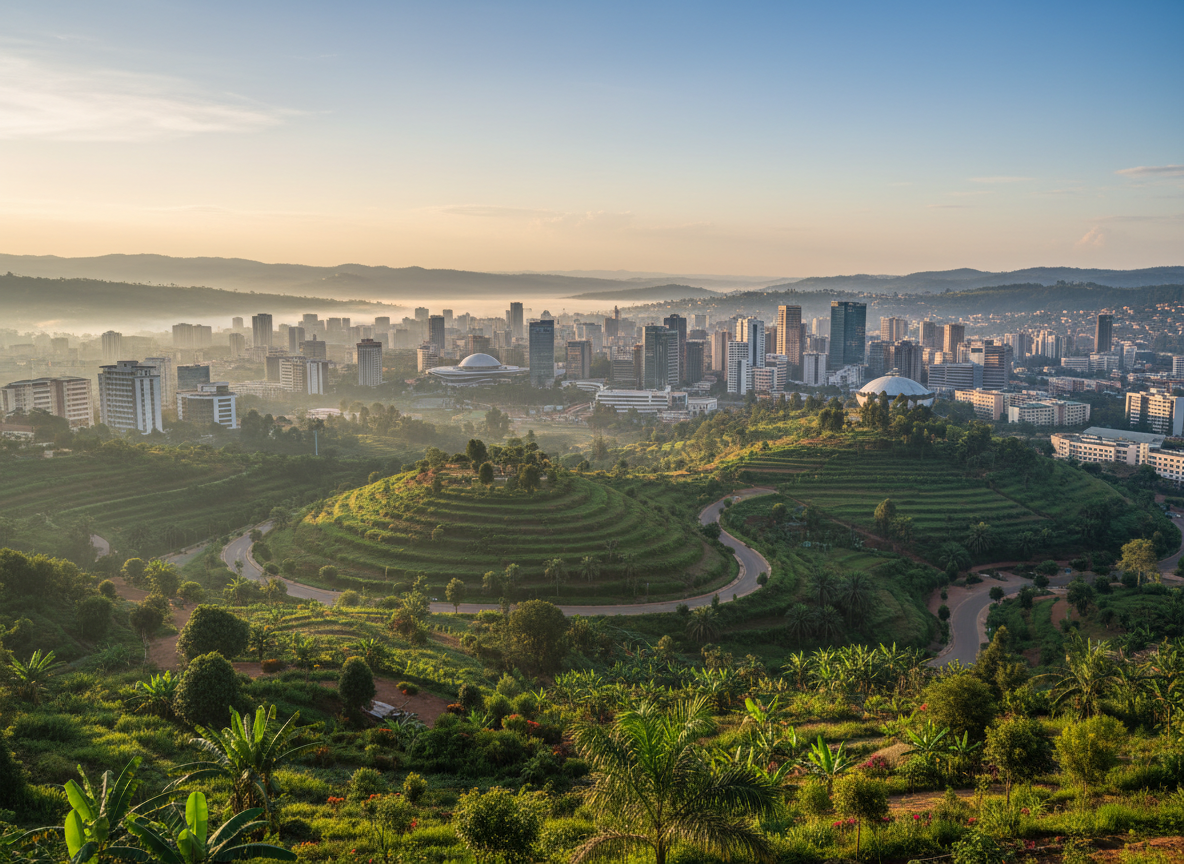
Yaoundé, built across a series of hills in the centre of the country, is Cameroon’s political capital. Government buildings, markets, museums, churches, mosques and neighbourhoods spread across a landscape of ridges and valleys. The city is an important starting point for understanding Cameroon’s modern political and cultural life.
2. Douala — The Atlantic Gateway
Douala is Cameroon’s largest city and its major commercial and port centre. Located near the Wouri River and the Gulf of Guinea, it has long connected inland Cameroon with Atlantic trade. The city’s markets, restaurants, contemporary music and busy streets provide a very different experience from the quieter highlands and forest regions.
3. Mount Cameroon and Buea
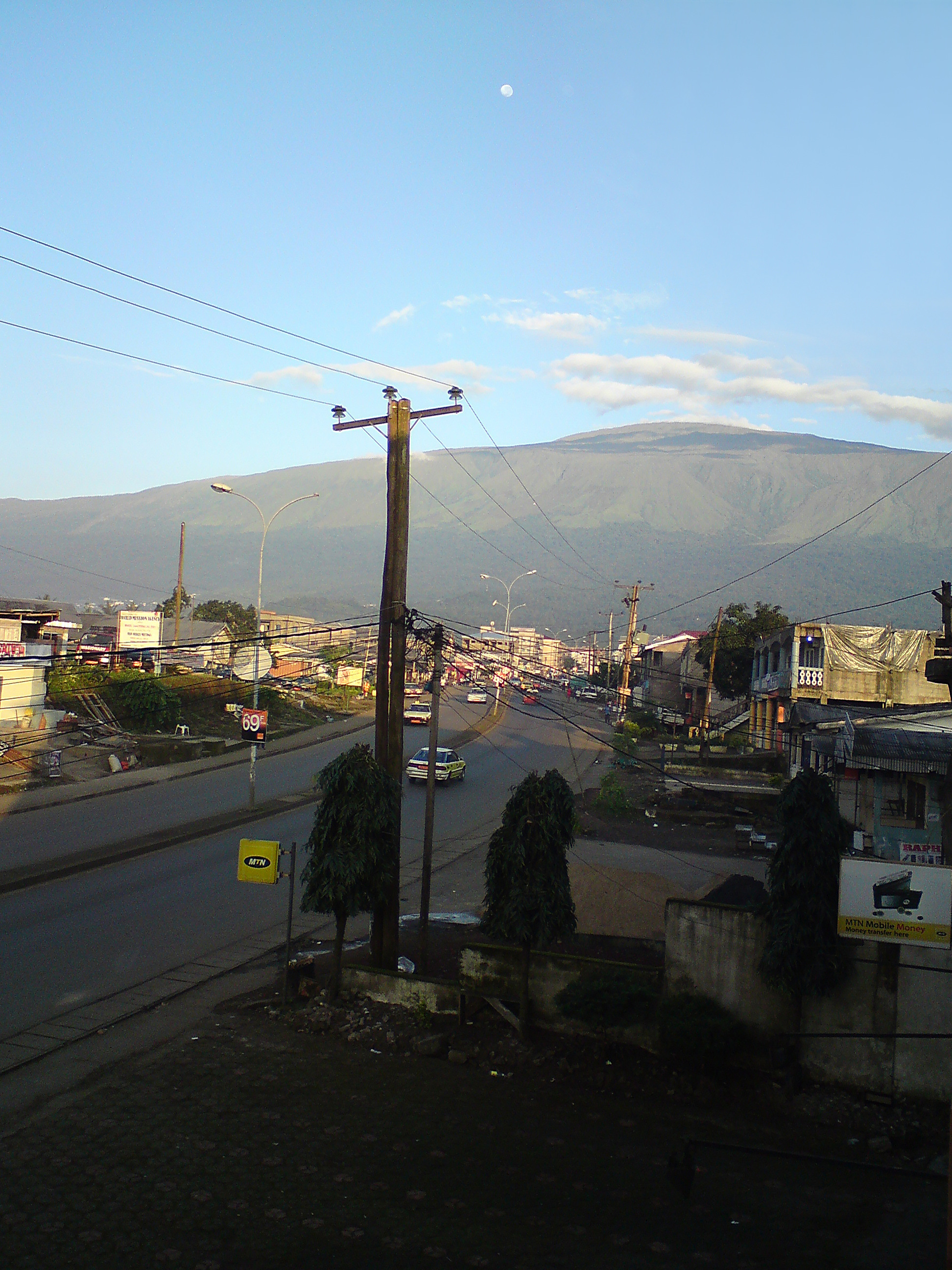
Mount Cameroon dominates the landscape around Buea in the Southwest Region. It is an active volcano and one of Africa’s major volcanic mountains, rising to about 4,095 metres. Its slopes pass through several ecological zones, helping explain the remarkable plant diversity around the mountain. Buea, on the eastern slope, has a strong historical connection with the mountain and the former German colonial period.
Mount Cameroon National Park is also a major conservation landscape. However, readers should note that current UK and U.S. travel advisories place significant restrictions on the Southwest Region, so the mountain should not be presented as an ordinary trekking destination in 2026.
4. Limbe — Coast, Botanic Heritage and Mount Cameroon
Limbe sits on Cameroon’s volcanic Atlantic coast at the foot of Mount Cameroon. The city is associated with beaches, tropical vegetation and the Limbe Botanic Garden, whose history dates to the colonial period. The coastal setting provides a striking contrast with the mountain rising inland.
5. Kribi and the Atlantic Coast
Kribi is known for its beaches and tropical coastal scenery. Nearby, the Lobé Falls reach the Atlantic through a distinctive coastal landscape. The wider Kribi area is also important for biodiversity and the cultural history of Cameroon’s southern coast.
6. Dja Faunal Reserve
The Dja Faunal Reserve is one of Cameroon’s most important natural heritage sites. UNESCO inscribed it on the World Heritage List in 1987. The reserve covers roughly 526,000 hectares and is almost completely surrounded by the Dja River. UNESCO describes it as one of the largest and best-protected rainforests in Africa, with about 90% of the area remaining undisturbed.
The reserve is especially important for primates and other Congo Basin wildlife, including forest elephant, chimpanzee and western lowland gorilla. Conservation work includes anti-poaching, forest monitoring and management planning.
7. Lobéké National Park
Lobéké National Park lies in southeastern Cameroon and forms the Cameroonian component of the Sangha Trinational, a transboundary World Heritage property shared with the Central African Republic and the Republic of Congo. The wider landscape contains humid tropical forests, forest clearings and important populations of forest elephants, gorillas and chimpanzees.
8. Sangha Trinational
UNESCO inscribed the Sangha Trinational in 2012. The property encompasses three contiguous national parks across Cameroon, the Central African Republic and Congo, covering about 746,309 hectares. It is an important example of cross-border conservation in the Congo Basin.
9. Waza National Park
In the Far North Region, Waza National Park represents a completely different Cameroon landscape. Its savanna and seasonal wetlands support wildlife adapted to the Sahel. The park is on Cameroon’s UNESCO Tentative List, not the current World Heritage List. Its location also falls within an area subject to strict travel warnings.
10. Mandara Mountains
The Mandara Mountains stretch along northern Cameroon near the Nigerian border. Dramatic rocky formations, terraced agriculture and traditional settlements have made the landscape culturally distinctive. In 2025 UNESCO inscribed the Diy-Gid-Biy Cultural Landscape of the Mandara Mountains on the World Heritage List, adding a major cultural property to Cameroon’s heritage portfolio.
11. Diy-Gid-Biy Cultural Landscape
The Diy-Gid-Biy landscape, associated with the Kapsiki and Sukur cultural area, illustrates how architecture, agriculture, belief systems and the dramatic Mandara terrain developed together. The 2025 inscription is significant because it complements Cameroon’s natural World Heritage properties with a major cultural landscape.
12. Foumban and the Bamoun Cultural World
Foumban is associated with the Bamoun people and the historic Bamoun kingdom. Its palace and cultural traditions reflect a long history of political organisation, art, craft and Islamic influence. The city is particularly known for wood carving, metalwork, textiles and decorative arts.
13. Bafoussam and the Western Highlands
The western highlands contain a concentration of traditional kingdoms, fertile agricultural landscapes and distinctive architecture. Bafoussam is one of the region’s main urban centres, while nearby traditional chiefdoms preserve ceremonial and artistic traditions.
14. Lake Nyos
Lake Nyos in the Northwest Region is famous for the 1986 carbon-dioxide disaster in which approximately 1,700 people died. The lake is now monitored, but the incident remains an important part of Cameroon’s environmental and scientific history. The UK travel advisory continues to mention the lake because of the unusual natural hazard associated with the area.
15. Cameroon’s Food, Music and Crafts
Cameroonian cuisine reflects the country’s geographical diversity. Dishes vary from region to region and commonly use plantains, cassava, maize, beans, rice, vegetables, fish and meat. Ndolé, a dish associated with coastal and western communities, is among the country’s best-known foods. Grilled fish, spicy sauces and plantain-based dishes are also widely found.
Music is equally diverse. Makossa became internationally associated with Douala, while bikutsi developed among Beti communities around central Cameroon. Traditional instruments, dance and ceremonial performance remain important across the country. Crafts include carved masks, royal objects, pottery, woven fabrics, baskets and beadwork.
Cameroon’s UNESCO World Heritage Sites
UNESCO currently lists three World Heritage properties in Cameroon: the Dja Faunal Reserve, the Sangha Trinational and the Diy-Gid-Biy Cultural Landscape of the Mandara Mountains, which was inscribed in 2025. UNESCO also lists several additional Cameroon sites on the Tentative List, including Waza National Park, Campo-Ma’an, Boumba-Bek and Nki.
Readers can verify the current heritage record through the UNESCO Cameroon country page, the Dja Faunal Reserve and the Sangha Trinational.
Current Travel Safety in Cameroon: 2026
Current official travel advice makes clear that security conditions differ significantly by region. As of 30 September 2026, the UK Foreign, Commonwealth & Development Office advises against all travel to the Bakassi Peninsula; within 40 kilometres of Cameroon’s borders with the Central African Republic and Chad; within 40 kilometres of the Nigeria border except for Garoua; the Far North Region except specified areas around Maroua; and the North-West and South-West regions with limited exceptions.
The UK also advises against all but essential travel to the North Region, parts of Adamawa and Limbe, among other areas. The U.S. Department of State’s May 15, 2026 advisory places Cameroon at Level 2 — Exercise Increased Caution overall, while saying not to travel to the Southwest, Northwest and Far North regions or within 20 kilometres of the borders with the Central African Republic, Chad and Nigeria.
These warnings cite risks including terrorism, kidnapping, violent crime, unrest and improvised explosive devices. Readers should check official advice immediately before any proposed trip because regional conditions can change.
Official sources: UK FCDO Cameroon travel advice and U.S. Department of State Cameroon Travel Advisory.
Cameroon in the Central African Travel Story
Cameroon’s geography makes it a natural link between the Gulf of Guinea, the Sahel and the Congo Basin. Its northern landscapes connect historically and geographically with Chad and Niger, while its rainforest heritage connects with the wider Central African forest region.
Readers following this country-by-country series can also explore our guides to Mali, Mauritania, Sudan and Libya.
The Bottom Line
Cameroon’s extraordinary range — Atlantic beaches, volcanic mountains, highlands, savannas and Congo Basin rainforest — explains why it has earned the “Africa in miniature” description. Its three World Heritage properties add another dimension, connecting natural conservation with cultural heritage. At the same time, current security warnings mean that any real-world travel planning must be based on the latest official regional advice rather than on a conventional tourism itinerary.
Featured image: Mount Cameroon (Fako) as seen from Buea. Photo by Daina, Wikimedia Commons, licensed CC BY-SA 3.0.
Discover more from NewsNation Online
Subscribe to get the latest posts sent to your email.
आपके लिए सुझाव