Chad is one of Africa’s most striking countries, stretching from the Sahara in the north to the greener savannas of the south. Its landscapes include giant sandstone arches, desert lakes, ancient rock art, wildlife-rich protected areas and cities shaped by centuries of trans-Saharan trade. But Chad in 2026 is not an ordinary tourism destination. Security conditions remain serious, and major governments continue to advise against travel to large parts of the country.
This Chad travel guide is therefore designed as a geographical and cultural introduction rather than a recommendation to travel. It brings together 15 places and landscapes that help explain the country — from N’Djamena and the Chari River to the Ennedi Massif, Lakes of Ounianga, Zakouma National Park and the shores of Lake Chad.

1. N’Djamena — Chad’s Capital on the Chari
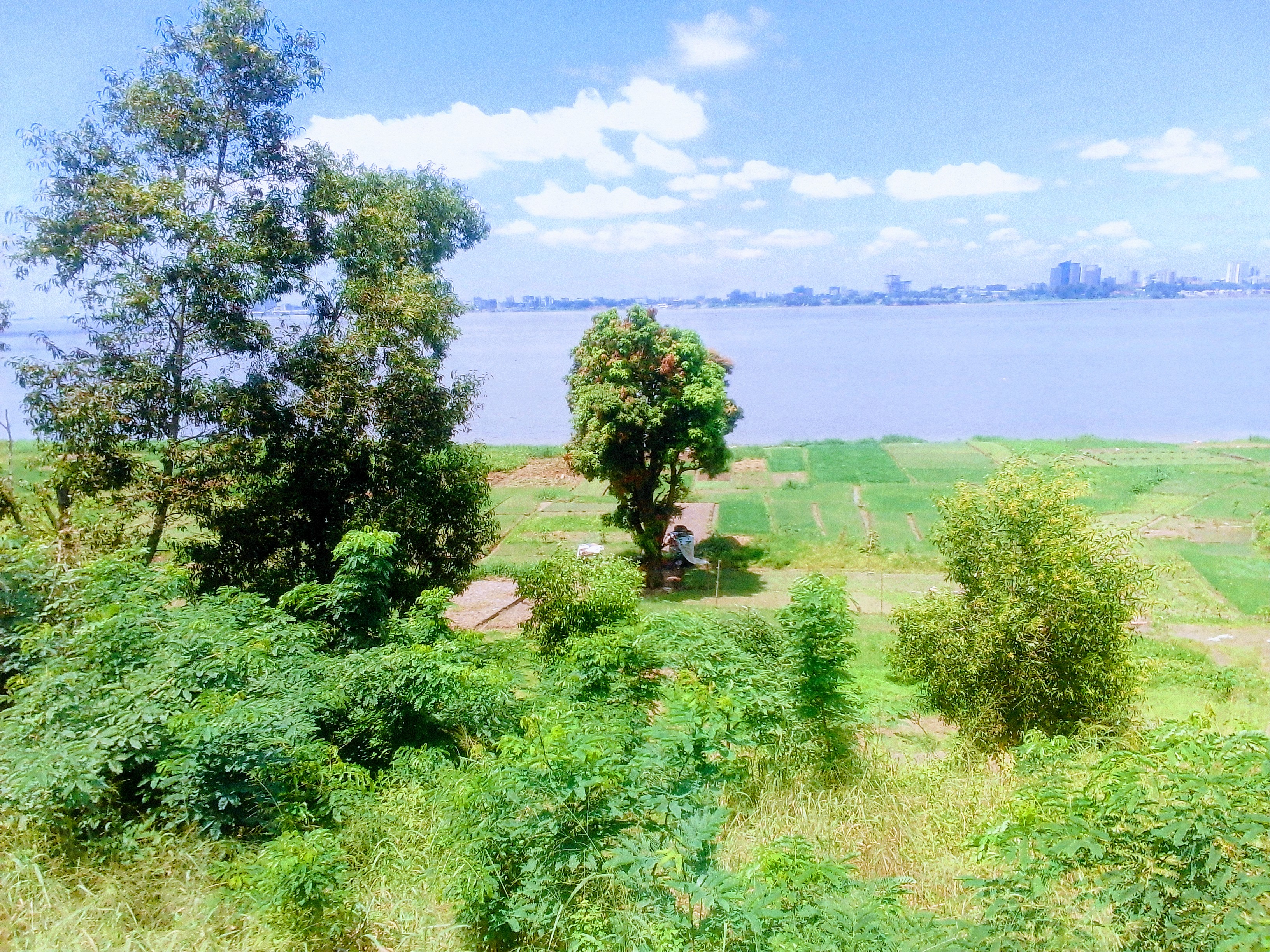
N’Djamena sits near the confluence of the Chari and Logone rivers and is the country’s political, commercial and cultural centre. The city provides an important window into modern Chadian life, with markets, neighbourhoods, government institutions, restaurants and cultural spaces reflecting the country’s many communities.
2. Chari River
The Chari is one of Chad’s most important rivers and a defining geographical feature of N’Djamena. Its waters flow northward toward Lake Chad, supporting agriculture, fishing, transport and ecosystems along its course. The river also helps explain why the capital developed where it did.
3. Ennedi Massif — A Sahara Landscape of Arches and Canyons
The Ennedi Massif in northeastern Chad is among the country’s most extraordinary natural landscapes. Wind and water have carved sandstone into cliffs, canyons, pillars and natural arches. UNESCO inscribed the Ennedi Massif: Natural and Cultural Landscape on the World Heritage List in 2016 under criteria relating to culture, natural beauty and ecological processes. The property covers about 2.44 million hectares.
Ennedi is also famous for ancient rock art. Paintings and engravings across caves, shelters and canyon walls document thousands of years of human presence and changing environmental conditions in the Sahara. UNESCO’s 2026 conservation decision notes continuing management and conservation work, including cooperation involving African Parks and the training of eco-guards.
4. Guelta d’Archei
Guelta d’Archei is one of the best-known waterholes of the Ennedi region. A guelta is a natural pool or wetland formed in a desert environment. The permanent water of such places is crucial to wildlife and people, and the Archei canyon is particularly associated with the survival of desert-adapted crocodiles and pastoral communities.
5. Lakes of Ounianga
In one of the Sahara’s most surprising environments lies the Lakes of Ounianga, a UNESCO World Heritage property inscribed in 2012. The site contains 18 interconnected lakes in two groups within a hyper-arid desert setting. Their colours, salinity levels, depths and vegetation vary, creating an unusual landscape where permanent water exists deep inside the Sahara.
6. Fada and the Eastern Sahara
Fada is a key settlement in the Ennedi region and an important reference point for understanding the ancient human landscape of northeastern Chad. The surrounding rock formations and archaeological sites contain evidence of long-term occupation, pastoralism and movement through the Sahara.
7. Tibesti Mountains
The Tibesti range dominates the far north of Chad. It is a dramatic volcanic mountain system rising above the Sahara, with deep valleys, rocky plateaus and isolated settlements. The highest point is Emi Koussi, one of the Sahara’s highest summits. The region is geographically spectacular but is also among the areas for which current travel advisories are particularly restrictive.
8. Emi Koussi
Emi Koussi is a large volcanic massif in the Tibesti Mountains. Its summit and surrounding caldera landscape illustrate the geological diversity of a region that is often imagined simply as endless sand. The mountain is an important landmark in studies of Sahara geology and geography.
9. Zakouma National Park
In southeastern Chad, Zakouma National Park represents a very different environment from the Sahara. Its savannas, wetlands and woodlands support elephants, giraffes, buffalo, antelopes and large numbers of birds. UNESCO lists Zakouma on Chad’s Tentative List rather than as a World Heritage property. Conservation efforts have focused on restoring wildlife populations and strengthening protection against poaching.
10. Lake Chad
Lake Chad is one of the great inland water systems of the Sahel and is shared by Chad and neighbouring countries. Its wetlands are economically and environmentally important, supporting fishing, farming and pastoral livelihoods. The lake’s changing size and water conditions have also made it central to discussions about climate, water management and regional resilience.
11. Abéché and the Ouaddaï Region
Abéché is an important historic city in eastern Chad. It was connected to caravan routes linking the Sahel with the Sahara and North Africa. The wider Ouaddaï region contains archaeological and cultural traces of states, trade networks and Islamic scholarship that developed across the eastern Sahel.
12. Ouara and the Legacy of Caravan Kingdoms
The ruins of Ouara, associated with the historic Sultanate of Ouaddaï, illustrate the political and architectural history of eastern Chad. Fortified settlements, mosques, markets and caravan routes connected communities across a vast area where movement depended on wells, oases and seasonal water sources.
13. Kanem and the Lake Chad Basin
The Lake Chad basin was home to the historic Kanem-Bornu world, one of the major political and cultural traditions of the central Sahel. Its history stretches across centuries and links Chad with present-day Niger, Nigeria and Cameroon. The region’s history is inseparable from trans-Saharan commerce, Islamic scholarship and long-distance caravan networks.
14. Moundou and Southern Chad
Moundou, in the south, offers a contrast to the desert north. The surrounding region has a more tropical and agricultural landscape, and the city is one of Chad’s major urban centres. Southern Chad is also important for understanding the country’s diverse languages, communities, farming traditions and music.
15. Chadian Culture, Food, Music and Crafts
Chad’s cultural identity is shaped by its position between North Africa, the Sahel and Central Africa. Traditional foods vary by region and community, with grains such as millet and sorghum, rice, beans, vegetables, meat and fish forming parts of everyday cuisine. Chai and other tea traditions are also important in social life.
Music ranges from traditional Sahelian and pastoral styles to contemporary Chadian sounds. Crafts include leatherwork, woven textiles, baskets, pottery and metalwork. Across the country, artistic traditions often reflect pastoral life, Islamic influence, desert trade and local environmental conditions.
UNESCO World Heritage in Chad
Chad currently has two properties on the UNESCO World Heritage List: the Lakes of Ounianga, inscribed in 2012, and the Ennedi Massif: Natural and Cultural Landscape, inscribed in 2016. Zakouma National Park is on Chad’s Tentative List and should not be described as an inscribed World Heritage Site.
For authoritative heritage information, readers can consult the UNESCO World Heritage Centre, the Lakes of Ounianga page and the Ennedi Massif page.
Current Travel Safety: What Visitors Need to Know in 2026
Any contemporary guide to Chad needs a prominent safety warning. As of 29 September 2026, the UK Foreign, Commonwealth & Development Office advises against all travel to Borkou, Ennedi Ouest, Ennedi Est and Tibesti provinces; the western part of Kanem Province including Nokou; the Lake Chad region; and areas within 30 kilometres of Chad’s other borders. For the rest of Chad, including N’Djamena, it advises against all but essential travel.
The U.S. Department of State issued a Level 4 — Do Not Travel advisory on 28 April 2026, citing risks including crime, terrorism, unrest, inadequate health infrastructure, kidnapping and landmines. Its advisory remains the U.S. government’s official position and should be checked before any proposed journey.
Official guidance can change quickly. Readers should check the UK FCDO Chad travel advice and the U.S. State Department Chad Travel Advisory directly before making any travel decision.
Chad in the Wider Sahara and Sahel
Chad is best understood as a bridge between geographical worlds. Its northern mountains and deserts connect with the Sahara; its central regions belong to the Sahel; and its south reaches into more humid African landscapes. Its history is similarly interconnected through caravan trade, Islamic scholarship, pastoral migration, river systems and modern regional politics.
Readers exploring the wider region can continue with NewsNation Online’s Niger Travel Guide, Mali Travel Guide, Mauritania Travel Guide, Sudan Travel Guide and Libya Travel Guide.
The Bottom Line
From the sandstone arches of Ennedi and the extraordinary desert lakes of Ounianga to Zakouma’s wildlife and N’Djamena’s riverfront setting, Chad contains an exceptional range of landscapes and cultural histories. At the same time, the country’s current security environment means these places should be approached as subjects of geography, heritage and history unless and until official travel advice permits safe access.
Featured image: Ennedi Massif, northern Chad, photographed from the International Space Station on 26 December 2024. NASA Johnson Space Center via Wikimedia Commons. Public domain.
Discover more from NewsNation Online
Subscribe to get the latest posts sent to your email.
आपके लिए सुझाव