The Republic of the Congo is one of Central Africa’s great rainforest countries, where the Congo River, Atlantic coast and immense Congo Basin forests create a landscape of extraordinary ecological diversity. From the capital Brazzaville to the wildlife-rich forests of Odzala-Kokoua and the cross-border wilderness of Sangha Trinational, the country has a remarkable natural and cultural story.
At the same time, a 2026 travel guide must distinguish between the country’s heritage and its practical travel conditions. Current official advice identifies specific areas where travel is discouraged because of insecurity. This guide is therefore a geographical, cultural and heritage introduction rather than a recommendation to visit any particular destination.

1. Brazzaville — Capital on the Congo River
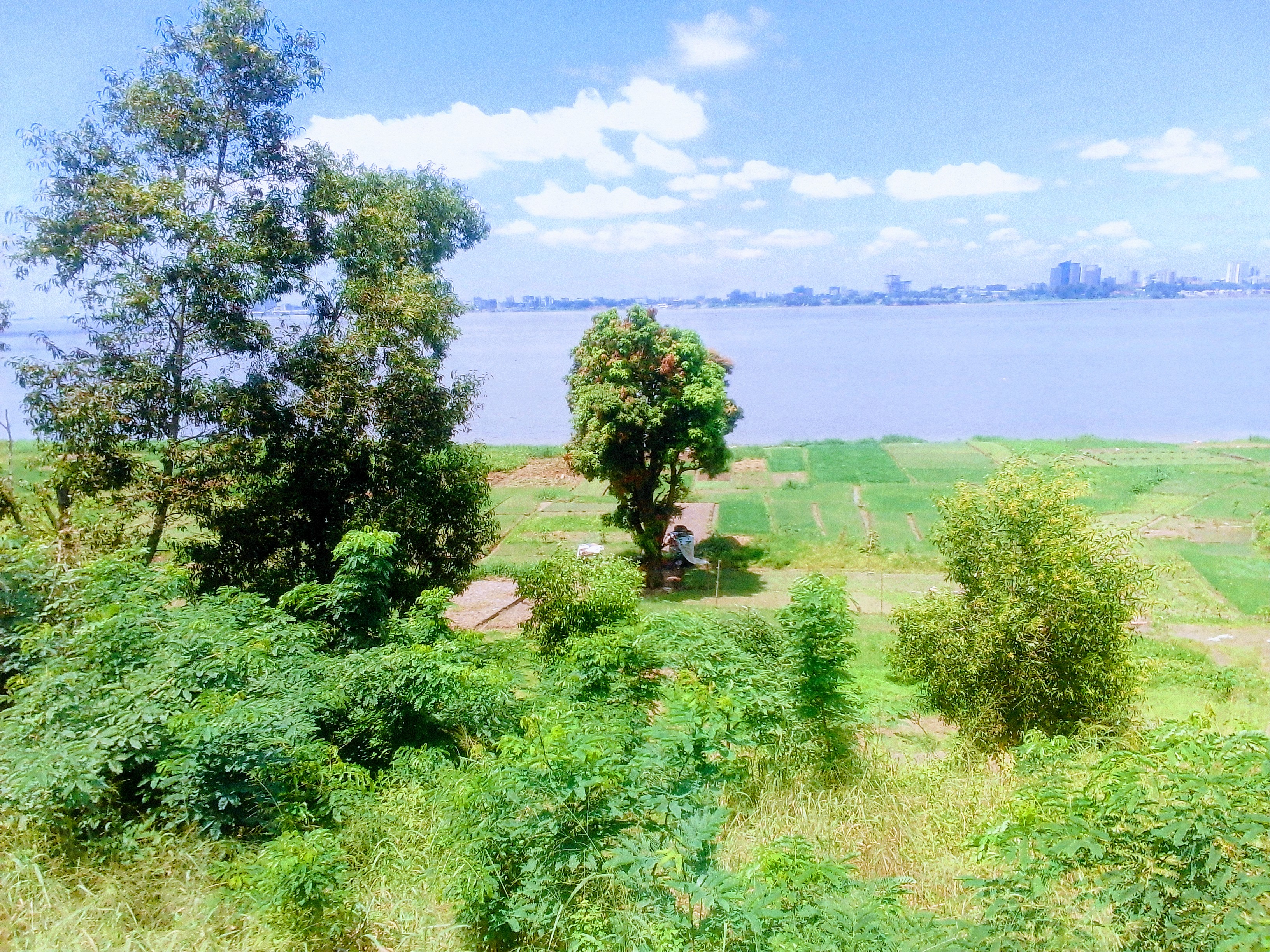
Brazzaville is the capital and largest political centre of the Republic of the Congo. It stands on the northern bank of the Congo River, directly opposite Kinshasa in the Democratic Republic of the Congo. The two capitals form one of the most distinctive urban pairs in Africa, separated by the broad river but closely connected by geography, commerce and history.
2. Congo River
The Congo River is one of the world’s great rivers and a defining feature of Central Africa. Around Brazzaville, its rapids and islands create a dramatic landscape. Further downstream and upstream, the river system supports fishing, transport, wetlands and forests and forms part of the ecological foundation of the Congo Basin.
3. Pierre Savorgnan de Brazza Memorial
The Pierre Savorgnan de Brazza Memorial in Brazzaville is associated with the city’s colonial-era history and the origins of the territory that became the Republic of the Congo. It is also part of the modern capital’s museum and memorial landscape, helping visitors understand the complicated history of European exploration, colonial administration and Congolese state formation.
4. Pointe-Noire — Atlantic Gateway
Pointe-Noire is the country’s major Atlantic port and an important economic centre. Its coastal setting contrasts sharply with the rainforest of the interior. Beaches, markets and the port economy have shaped the city, while the surrounding coast is part of a wider ecological zone where forests, wetlands and marine environments meet.
5. Odzala-Kokoua National Park
Odzala-Kokoua is one of the Congo Basin’s most important protected areas. Its forests, savannas and natural clearings provide habitat for forest elephants, western lowland gorillas, chimpanzees and a remarkable diversity of other species. UNESCO inscribed the Forest Massif of Odzala-Kokoua on the World Heritage List in 2023.
The property represents an important ecological transition between forest and savanna. UNESCO’s documentation highlights its significance for forest elephants and great apes and describes it as part of the wider TRIDOM landscape.
6. Nouabalé-Ndoki National Park
Nouabalé-Ndoki is a major rainforest conservation area in northern Congo. It is known for intact tropical forest, forest elephants, gorillas, chimpanzees and other species. The park forms the Congolese component of the wider Sangha conservation landscape and is central to scientific research and long-term rainforest protection.
7. Sangha Trinational
The Sangha Trinational is a transboundary World Heritage property shared by the Republic of the Congo, Cameroon and the Central African Republic. UNESCO describes the property as a group of three contiguous national parks covering roughly 750,000 hectares, with extensive humid tropical forests and populations of forest elephants, western lowland gorillas and chimpanzees.
The property illustrates how conservation can operate across international borders in the Congo Basin, where wildlife ranges and ecological systems do not follow political boundaries.
8. Conkouati-Douli National Park
Conkouati-Douli lies in southwestern Congo near the Atlantic coast. Its ecosystems include coastal forests, lagoons, wetlands, savannas and marine environments. The park supports elephants, primates, marine turtles and numerous bird species. UNESCO lists the park on Congo’s Tentative List rather than as an inscribed World Heritage property.
9. Diosso and the Loango Coast
Diosso is associated with the historic Loango kingdom and the cultural landscape of the southern Congo coast. The region combines forest, coastal scenery and the history of one of Central Africa’s important precolonial states. The Ancient Port of Embarkation of Loango is on UNESCO’s Tentative List.
10. Lefini Reserve
The Lefini Reserve lies north of Brazzaville in a landscape of savanna, forest and wetlands. It forms part of the ecological transition between the capital region and the deeper Congo Basin. The reserve is particularly relevant to conservation efforts for large mammals and wetland ecosystems.
11. Batéké Plateau
The Batéké Plateau extends across parts of Congo and neighbouring countries. Its sandy soils and grassland-forest mosaic create a landscape distinct from the dense rainforest farther north. The plateau is also culturally important and has long supported communities whose livelihoods combine agriculture, fishing and forest resources.
12. Pool Region
The Pool Region surrounds much of the landscape between Brazzaville and the southern interior. Hills, rivers, forests and agricultural areas create a varied environment. The region has also experienced periods of conflict in recent decades, making current local security information particularly important for any real-world travel planning.
13. Kouilou River and Coastal Wetlands
The Kouilou River reaches the Atlantic in the country’s southwest and is connected to coastal wetlands, forests and fishing communities. The river system is part of the broader ecological link between the interior and the Atlantic coast.
14. Congo Basin Forest Communities
The Republic of the Congo is home to communities whose lives are closely connected to forests, rivers and agricultural landscapes. Indigenous forest peoples have extensive traditional knowledge of plants, wildlife and seasonal environments. Conservation programmes increasingly recognise the importance of community participation alongside protected-area management.
15. Congolese Food, Music and Crafts
Congolese cuisine makes extensive use of cassava, plantains, maize, rice, fish and vegetables. Saka-saka, prepared with cassava leaves, is a well-known dish, while grilled and stewed fish are common in riverine and coastal areas. Urban cuisine in Brazzaville and Pointe-Noire reflects both local traditions and wider Central African influences.
Music is one of the country’s most visible cultural traditions. Modern Congolese rumba has deep historical connections across the two Congo capitals and has influenced African popular music for decades. Traditional dance, drumming, wood carving, textiles and basketry remain important parts of cultural life.
UNESCO World Heritage in the Republic of the Congo
UNESCO currently lists two World Heritage properties in the Republic of the Congo: Sangha Trinational, inscribed in 2012, and the Forest Massif of Odzala-Kokoua, inscribed in 2023. UNESCO also lists three properties on Congo’s Tentative List: the Ancient Port of Embarkation of Loango, the Royal Domain of Mbé and Conkouati-Douli National Park.
UNESCO’s 2026 state-of-conservation record includes a current report for the Forest Massif of Odzala-Kokoua, while Sangha Trinational has conservation reporting from 2025. Readers can verify the latest heritage information on the UNESCO Republic of the Congo country page, the Sangha Trinational page and the Forest Massif of Odzala-Kokoua page.
Current Travel Safety in 2026
Current official advice is regional rather than a blanket warning for the whole country. As of 26 September 2026, the UK Foreign, Commonwealth & Development Office advises against all travel within 50 kilometres of the Republic of Congo–Central African Republic border in the Likouala Region because of violence, crime and insecurity associated with instability in the Central African Republic.
The UK also identifies continuing risks in parts of the Pool Region, where the possibility of violent clashes remains despite a ceasefire agreed in 2017. Travellers should therefore distinguish between different regions rather than treating the entire country as having identical conditions.
Official guidance can change. Before any proposed journey, readers should consult the UK FCDO Republic of Congo travel advice and the relevant travel information from their own government. Travel insurance conditions should also be checked against official advisories.
Republic of the Congo in the Central African Story
The Republic of the Congo connects several themes that run through this country-by-country series. Its northern forests link directly with Cameroon and the Central African Republic through Sangha Trinational. Its northern and northeastern geography also connects with Chad, while its Congo Basin ecosystems form part of a much larger regional rainforest system.
Readers can also explore our guides to Niger, Mali and Mauritania.
The Bottom Line
The Republic of the Congo offers a remarkable geographical story: Brazzaville and the Congo River, Atlantic coastal landscapes, enormous rainforest reserves and some of Central Africa’s most important wildlife habitats. Its two UNESCO World Heritage properties reinforce the international importance of this natural heritage. At the same time, current regional security advisories mean that practical travel decisions should always be based on the latest official information.
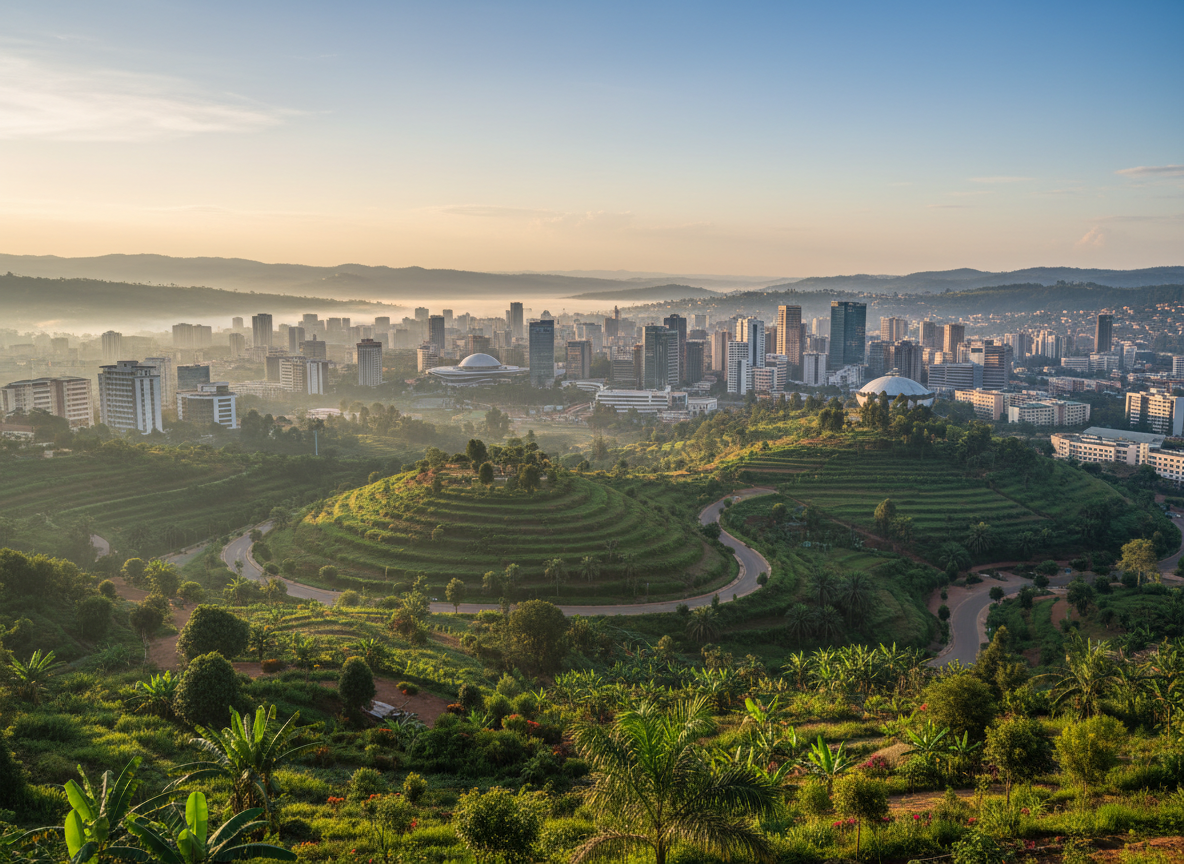
Featured image: Brazzaville, Republic of the Congo. Wikimedia Commons source image; attribution and licensing information retained with the source.
Discover more from NewsNation Online
Subscribe to get the latest posts sent to your email.
आपके लिए सुझाव