The Central African Republic sits at a remarkable geographical crossroads, where Congo Basin rainforest meets broad savannas and the Ubangi River forms a major gateway into Central Africa. Its landscapes include vast protected areas, tropical forests, rolling hills, rivers and wildlife habitats that connect the country with Cameroon, Chad, the Democratic Republic of Congo and the Republic of Congo.
For a modern travel guide, however, geography and heritage need to be discussed alongside the security situation. In 2026, major governments continue to warn against travel to the Central African Republic, with particularly severe restrictions outside Bangui. This article is therefore a cultural, geographical and heritage guide, not a recommendation to undertake travel.

1. Bangui — Capital on the Ubangi River
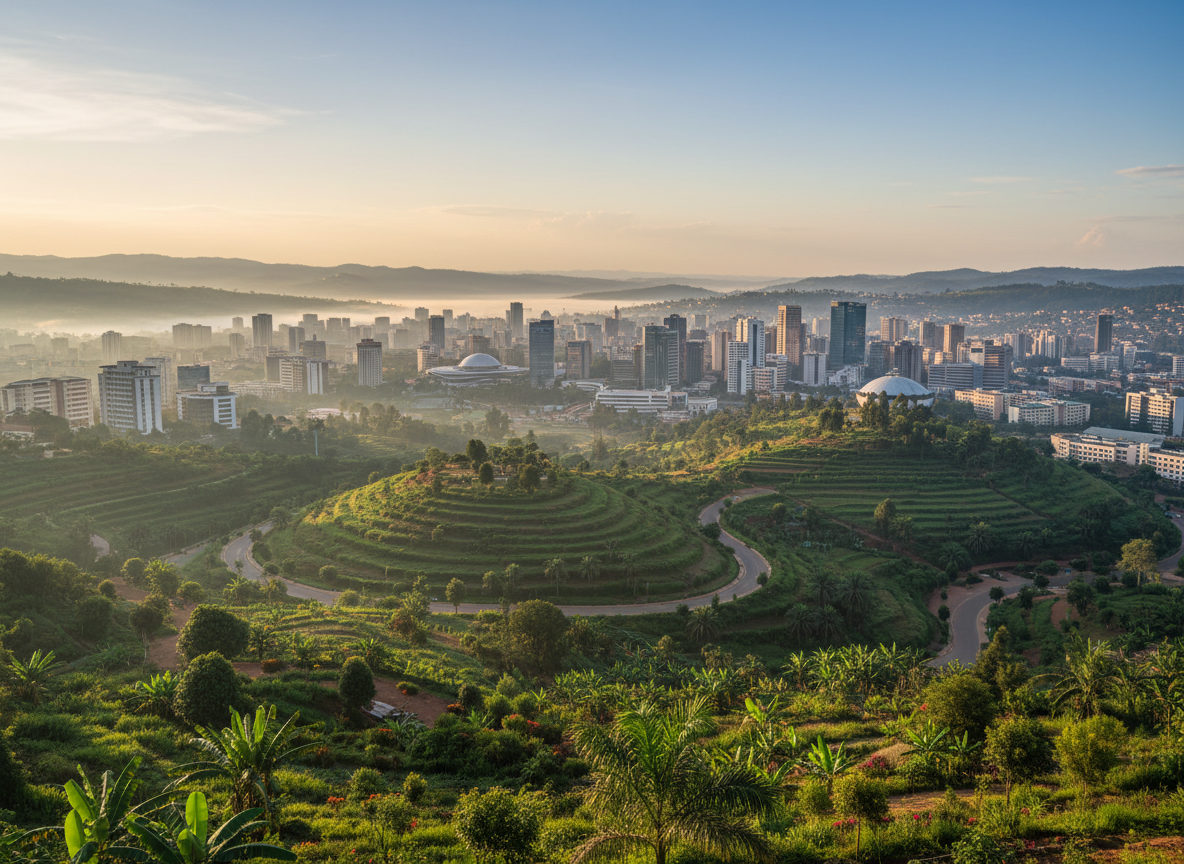
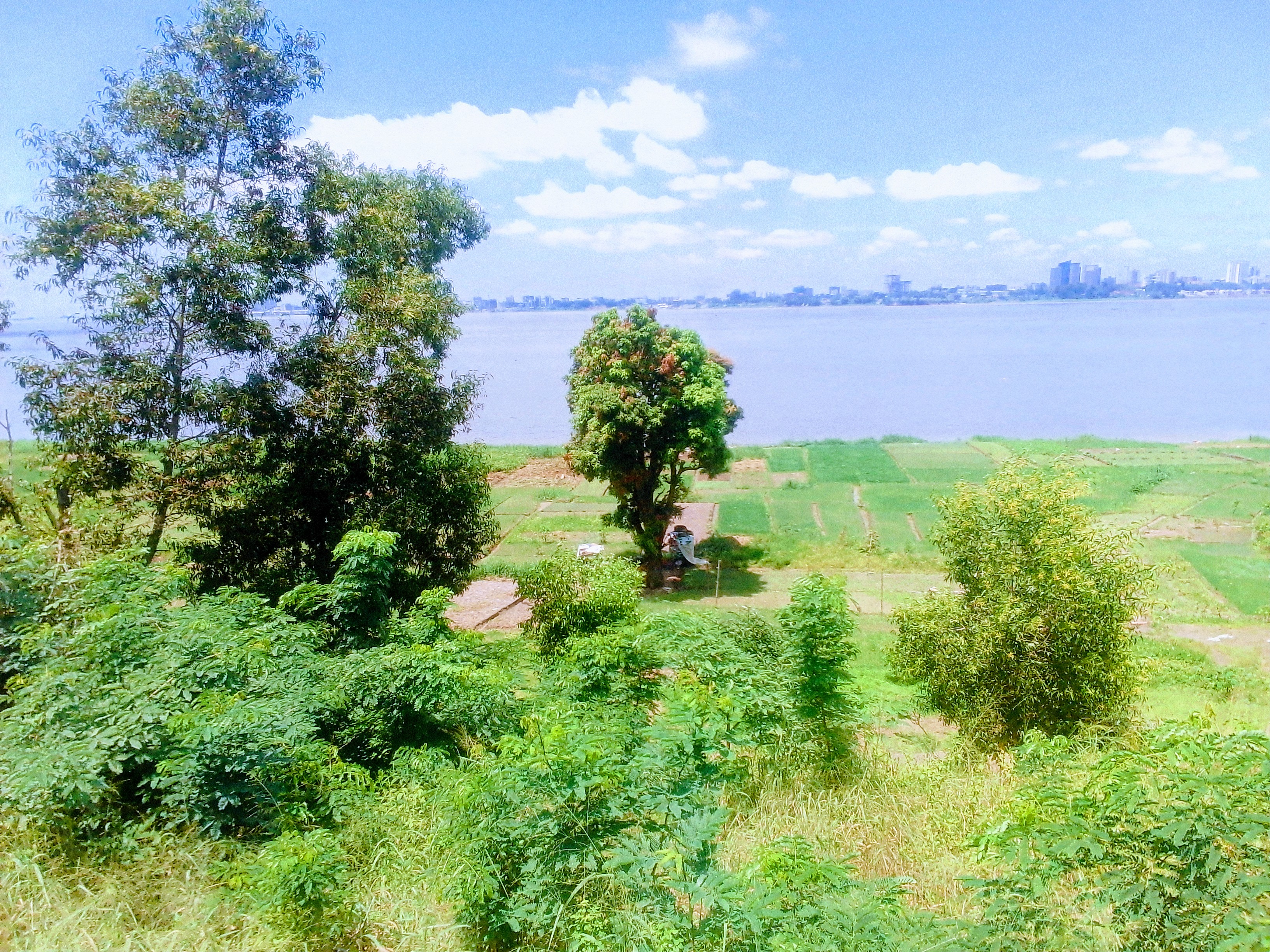
Bangui is the capital and largest urban centre of the Central African Republic. It lies on the northern bank of the Ubangi River, directly opposite the Democratic Republic of Congo. The river and surrounding hills give the city a distinctive geographical setting. Markets, government buildings, religious sites and neighbourhoods reflect the capital’s role as the country’s political and commercial centre.
2. Ubangi River
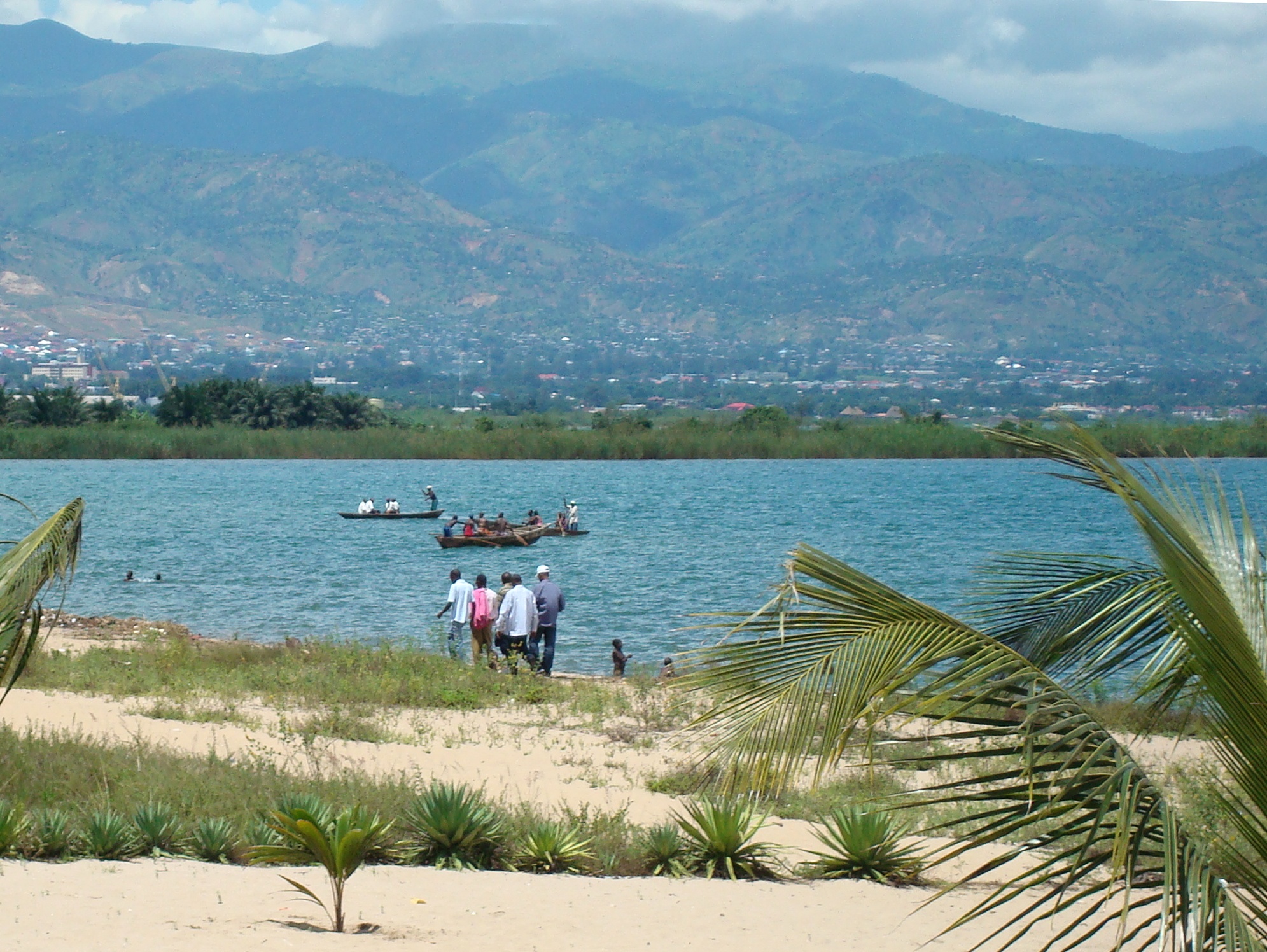
The Ubangi is one of the major tributaries of the Congo River. Around Bangui, it forms part of the international boundary with the Democratic Republic of Congo and has historically supported fishing, river transport and commerce. The river is also central to the city’s identity and to the wider geography of the Congo Basin.
3. Boganda National Museum and Bangui’s Cultural Heritage
Bangui contains cultural institutions associated with the country’s history, archaeology and traditional arts. The Barthélemy Boganda National Museum, named after the country’s first major nationalist leader, provides a useful starting point for learning about Central African culture, crafts and historical objects.
4. Boali Waterfalls
The Boali waterfalls, north of Bangui, are among the country’s best-known natural landmarks. The falls occur on the Mbali River and have long been associated with the area’s hydroelectric infrastructure as well as its scenery. The surrounding landscape illustrates the transition between the capital region and the greener interior.
5. Manovo-Gounda St Floris National Park
Manovo-Gounda St Floris National Park is the Central African Republic’s oldest inscribed natural World Heritage property, added to the UNESCO list in 1988. The enormous protected landscape covers about 1.74 million hectares and contains floodplains, savanna, woodland and wetland habitats.
UNESCO recognises the park for its exceptional biodiversity, including large mammals and birdlife. The property has been on the List of World Heritage in Danger since 1997. UNESCO’s 2026 conservation record continues to address threats and management challenges affecting the park. citeturn0search10turn0search4
6. Sangha Trinational
The Sangha Trinational is a transboundary World Heritage property shared by Cameroon, the Central African Republic and the Republic of Congo. It protects a large section of the Congo Basin rainforest and demonstrates how conservation can cross national boundaries. The Central African component is Dzanga-Sangha, an important forest landscape known for elephants, gorillas and other wildlife.
7. Dzanga-Sangha Protected Area
Dzanga-Sangha is one of the country’s most important rainforest conservation areas. Forest clearings known as bai provide gathering places for wildlife, particularly forest elephants and other large mammals. The area is also significant for indigenous forest communities and for research into Congo Basin ecosystems.
8. Dzanga Bai
Dzanga Bai is a famous forest clearing where large numbers of forest elephants may gather. Such clearings are created and maintained by geological and ecological processes that bring mineral-rich water and vegetation into an otherwise dense rainforest environment. Dzanga Bai has consequently become an important site for wildlife observation and scientific research.
9. Lobaye Region
The Lobaye region south and southwest of Bangui contains forests, rivers and communities with strong agricultural and cultural traditions. The region is also associated with traditional crafts, including wood carving and weaving. Its landscape demonstrates the ecological transition between the capital area and the deeper Congo Basin.
10. Bouar Megaliths
The megaliths of Bouar are among the Central African Republic’s most intriguing archaeological landscapes. Stone monuments and groups of standing stones are associated with ancient communities and burial traditions. UNESCO places the Bouar megaliths on the country’s Tentative List, meaning they are not currently inscribed World Heritage properties but have been identified as potential future heritage sites.
11. Kaga-Kpoungouvou and the Sultan Sénoussi Heritage
Central African heritage also includes archaeological and historical sites connected with the former sultanates and kingdoms of the region. UNESCO’s Tentative List includes the fortified palace of Sultan Sénoussi, caves at Kaga-Kpoungouvou and the city of Ndélé as a combined cultural proposal.
12. Zinga and the Historic Railway Heritage
The remains associated with the historic railway at Zinga are another reminder of the country’s colonial-era infrastructure and transport history. UNESCO lists the vestiges of the Zinga train among the Central African Republic’s Tentative List sites. Together with river transport on the Ubangi, the railway illustrates the logistical challenges of moving people and goods across the region.
13. Mbaéré-Bondingué Forest
The Mbaéré-Bondingué landscape is part of the country’s forest heritage and is also on UNESCO’s Tentative List. It represents the ecological importance of southern Central African forests, where rivers, wetlands and tropical woodland support a wide range of species.
14. Bangui Hills and the Oubangui Landscape
The hills around Bangui provide a natural backdrop to the capital and help explain the city’s distinctive geography. From the higher ground, the relationship between the urban area, the Ubangi River and the forested landscape becomes especially clear. The area is also part of the country’s cultural and historical identity.
15. Central African Food, Music and Crafts
Central African cuisine reflects the country’s agricultural and river environments. Cassava, plantains, maize, rice, beans, vegetables and fish are important foods, while sauces made with leafy vegetables and ground ingredients are common. In Bangui and other urban areas, food traditions from different regions meet in markets and restaurants.
Music and dance remain important forms of community expression. Traditional drumming, singing and dance are joined by contemporary Central African music. Crafts include wood carving, basketry, textiles, pottery and objects made from locally available materials. In rainforest communities, artistic traditions often reflect relationships with the forest and its resources.
UNESCO World Heritage in the Central African Republic
UNESCO currently lists two World Heritage properties in the Central African Republic: Manovo-Gounda St Floris National Park, inscribed in 1988, and Sangha Trinational, inscribed in 2012 as a transboundary property with Cameroon and the Republic of Congo. UNESCO also lists nine sites on the country’s Tentative List, including the Bouar megaliths and the Mbaéré-Bondingué forest.
Manovo-Gounda St Floris remains on the World Heritage in Danger list. UNESCO’s 2026 documentation includes a dedicated state-of-conservation decision for the property. citeturn0search1turn0search4
For authoritative heritage information, see the UNESCO Central African Republic country page and the Manovo-Gounda St Floris page.
Current Travel Safety in 2026
Current official advice makes the security situation especially important. The UK Foreign, Commonwealth & Development Office currently advises against all travel to the whole of the Central African Republic except the capital, Bangui. For Bangui, it advises against all but essential travel, including travel through Bangui M’Poko International Airport. The UK also warns that consular support is severely limited.
The U.S. Department of State currently lists the Central African Republic at Level 4 — Do Not Travel. Its January 15, 2026 advisory cites risks including unrest, crime, kidnapping, landmines, health risks and terrorism, and says the U.S. government has limited ability to provide emergency services in the country.
Readers should check official advice immediately before considering any journey. Official sources are the UK FCDO Central African Republic travel advice and the U.S. Department of State travel advisory.
Central African Republic in the Wider Region
The Central African Republic shares geographical and ecological connections with several countries already covered in this series. The northern landscape connects with Chad, the western forest and conservation landscape with Cameroon, and the wider Congo Basin with the Republic of Congo and the Democratic Republic of Congo.
Readers can also explore our earlier guides to Niger, Mali, Mauritania and Sudan.
The Bottom Line
The Central African Republic has an extraordinary natural and cultural story: Bangui and the Ubangi River, vast savannas of Manovo-Gounda, the Congo Basin forests of Sangha, the wildlife of Dzanga-Sangha and archaeological landscapes such as Bouar. Yet the country’s present security environment means that heritage and geography should currently be explored primarily through reliable information and official sources rather than treated as a conventional tourism itinerary.
Featured image: Ubangi River near Bangui, Central African Republic. Photo by Pete Chirico, USGS, via Wikimedia Commons, CC BY-SA 1.0.
Discover more from NewsNation Online
Subscribe to get the latest posts sent to your email.
आपके लिए सुझाव