
Sudan is home to one of Africa’s most important ancient civilizations, remarkable Nile landscapes and some of the world’s most distinctive pyramids. The country’s heritage stretches from the ancient Kingdom of Kush and the royal sites of Meroe and Gebel Barkal to Red Sea ecosystems and historic Nile settlements. For readers interested in archaeology, Nubian history and African civilization, Sudan offers a story that is much broader than the better-known Egyptian sites farther north.
Sudan is also a country where travel conditions must be treated very differently from a normal holiday destination. Current international government travel advisories warn against travel because of the ongoing armed conflict and serious security risks. The UK FCDO currently advises against all travel to Sudan, while the U.S. State Department maintains a Level 4 “Do Not Travel” advisory. citeturn2search0turn2search7 This guide is therefore primarily a heritage and destination reference, not a recommendation to travel at the present time.
Why Sudan matters in African history
Sudan occupies a crucial position along the Nile between sub-Saharan Africa, the Red Sea and Egypt. Ancient Nubian kingdoms developed along the river and created powerful states that interacted with, competed with and at times ruled parts of ancient Egypt.
The Kingdom of Kush is especially important. UNESCO describes the Archaeological Sites of the Island of Meroe as the heartland of Kush, a major power from the 8th century BCE to the 4th century CE. The property includes the royal city of Meroe and the religious sites of Naqa and Musawwarat es-Sufra. citeturn3search10
1. Meroe: Sudan’s famous pyramid landscape
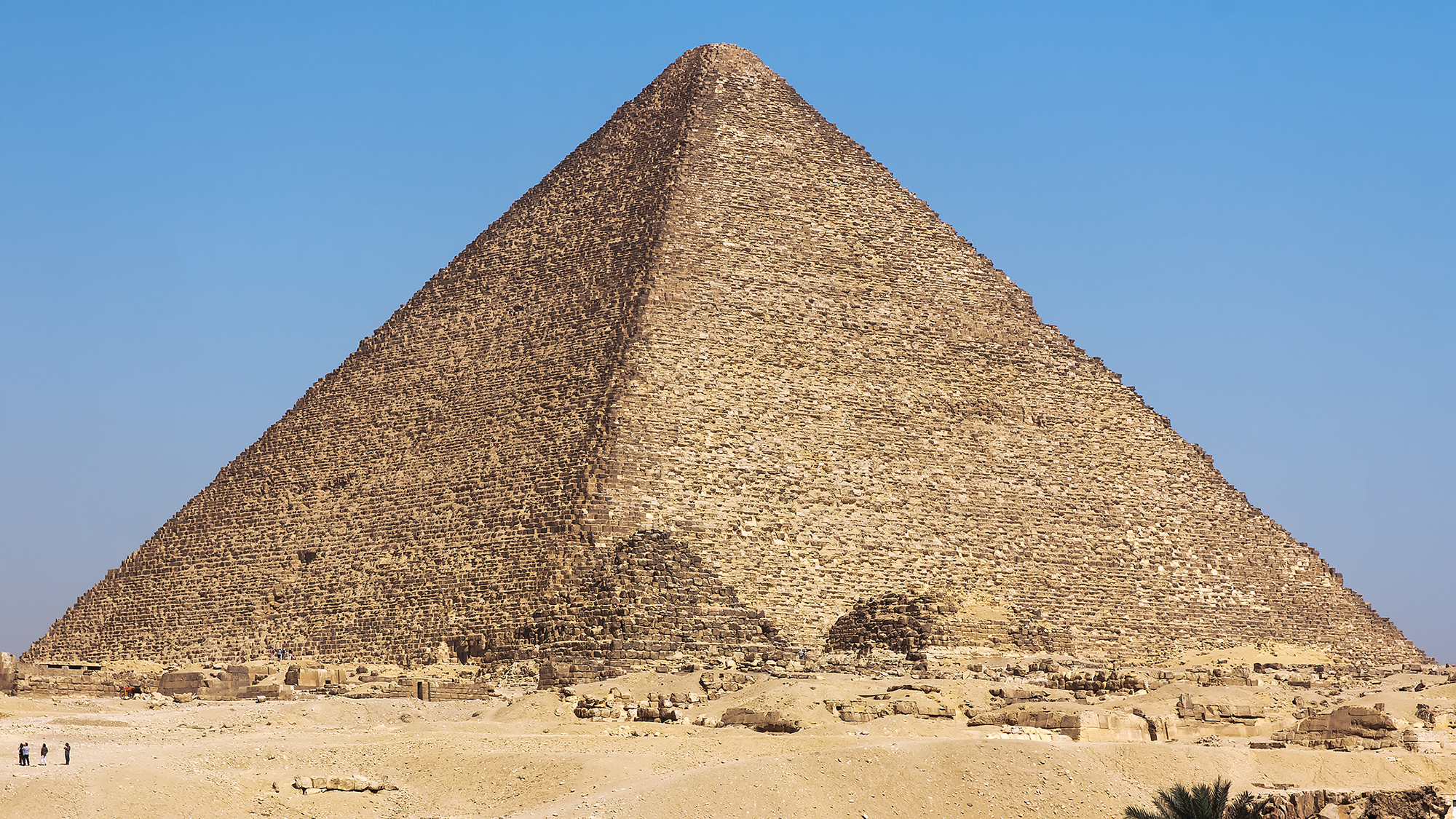
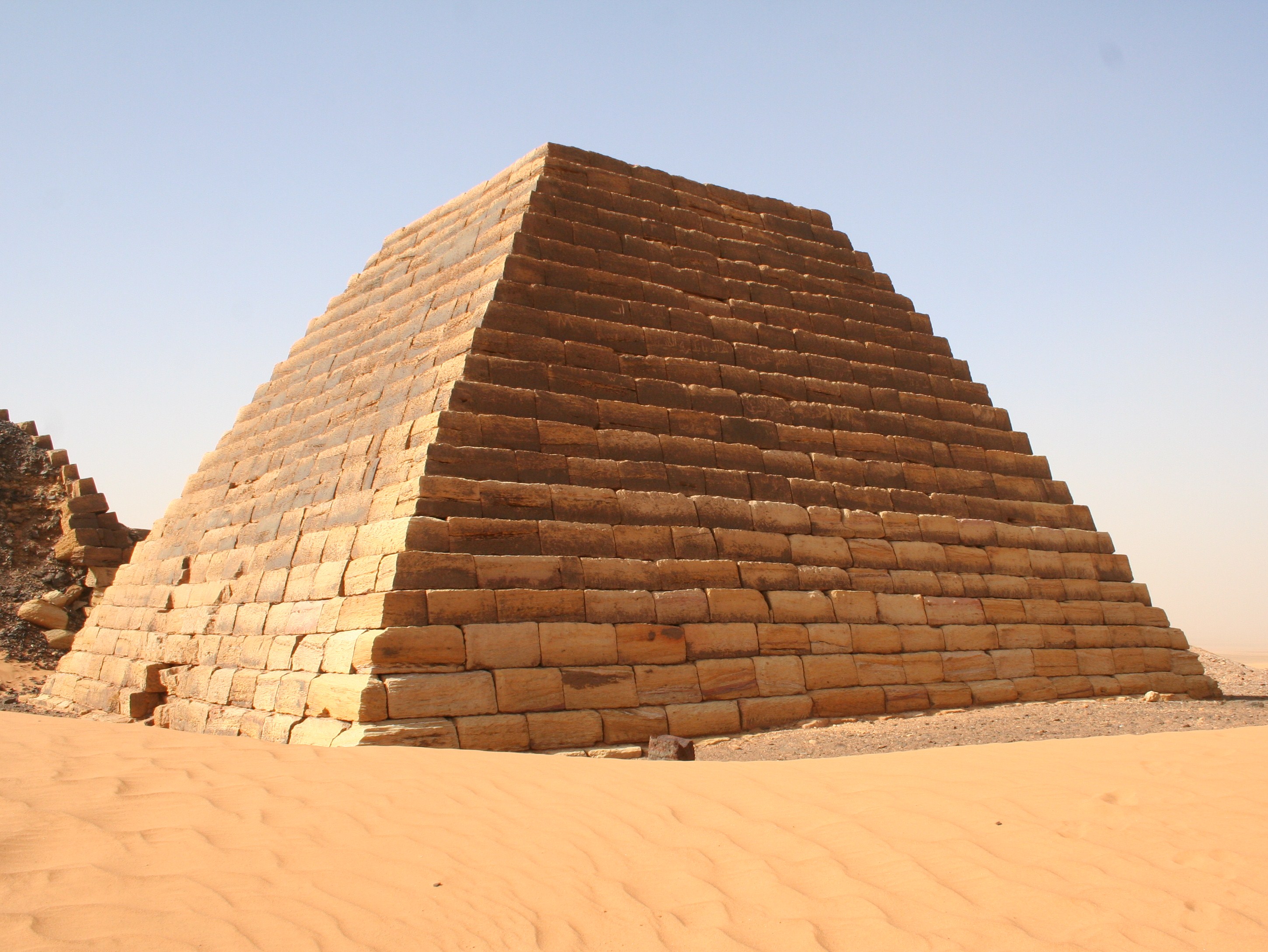
The pyramids of Meroe are perhaps the most recognizable archaeological symbol of Sudan. Their steep sides and smaller scale distinguish them from the huge pyramids of Giza, but they belong to a long Nubian tradition of royal burial.
UNESCO says the Archaeological Sites of the Island of Meroe include pyramids, temples, domestic buildings and water-management installations connected with the Kushite capital. citeturn3search10 The wider archaeological landscape demonstrates exchanges in architecture, religion and language between the Nile Valley and other regions of Africa.
The Meroe area includes several groups of pyramids, as well as temple and settlement remains. For anyone studying ancient Africa, the site is important because it provides direct evidence of a powerful civilization whose political and cultural influence extended far beyond a single city.
2. Gebel Barkal and the Napatan region
Gebel Barkal is another central site in Sudan’s ancient history. UNESCO’s World Heritage property covers five archaeological locations stretching for more than 60 kilometres along the Nile: Gebel Barkal, Kurru, Nuri, Sanam and Zuma. The sites contain tombs, pyramids, temples, palaces and living complexes associated with Napatan and Meroitic cultures. citeturn3search2
The sandstone mountain itself was regarded as sacred and became closely associated with the worship of Amun. Its unusual flat-topped form and prominent rock pinnacle dominate the surrounding landscape.
3. Nuri and the royal tombs
Nuri lies near the Nile and is part of the Gebel Barkal and Napatan Region World Heritage property. Its pyramids are associated with rulers of the Kushite kingdom and provide another important perspective on Nubian royal burial traditions.
Unlike the famous Meroe skyline, Nuri is less commonly encountered in popular travel imagery. That makes it especially valuable for anyone studying the broader archaeological geography of Kush rather than focusing on a single monument.
4. Karima and the Nile Valley
The town of Karima sits near Gebel Barkal and provides a useful reference point for understanding the northern Nile Valley. The region combines river agriculture, desert landscapes, villages and archaeological remains.
The contrast between the green ribbon of the Nile and the surrounding desert is one of the defining visual features of northern Sudan. Ancient settlements developed around precisely this relationship between water, agriculture, trade and desert routes.
5. Naqa: temples in the desert
Naqa is part of the Archaeological Sites of the Island of Meroe World Heritage property. The site contains temples and monuments associated with the Meroitic period and demonstrates the distinctive artistic and religious traditions of Kush.
Naqa and nearby Musawwarat es-Sufra are particularly important because they show that Meroitic civilization was not limited to royal pyramids. Monumental temples, religious imagery and settlement infrastructure reveal a sophisticated cultural landscape.
6. Musawwarat es-Sufra
Musawwarat es-Sufra is another major archaeological component of the Meroe World Heritage property. Its Great Enclosure is one of the most distinctive structures associated with the Meroitic period.
The site’s architecture and reliefs offer evidence for religious practices and the organization of monumental spaces in ancient Kush. Its remote desert setting also illustrates how closely ancient Sudanese civilization was connected to the geography of the Nile and surrounding drylands.
7. Kerma and the origins of Nubian civilization
Kerma, in northern Sudan, is associated with one of the earliest major urban civilizations in Nubia. The ancient city became an important political and trading center and is closely associated with the development of the Kingdom of Kerma.
The archaeological site is on Sudan’s UNESCO Tentative List rather than the current World Heritage List. citeturn3search0 Its importance nevertheless makes Kerma a key subject for anyone exploring the history of the Nile Valley before the later Kushite kingdoms.
8. Old Dongola and medieval Nubia
Old Dongola provides a window into a later period of Sudanese history. The area was an important center in medieval Nubia, when Christian kingdoms developed along the Nile.
Old Dongola is currently on Sudan’s UNESCO Tentative List. citeturn3search0 Churches, settlement remains and other archaeological evidence help illustrate the transformation of Nubian society after the ancient Kushite period.
9. The Red Sea and Sanganeb
Sudan is not only a desert and Nile destination. Its Red Sea coast contains important marine ecosystems. UNESCO lists Sanganeb Marine National Park and Dungonab Bay–Mukkawar Island Marine National Park as Sudan’s natural World Heritage property. citeturn3search0
The protected marine areas are significant for coral reefs and Red Sea biodiversity. In a different travel environment, they would appeal to divers, marine researchers and visitors interested in coastal ecosystems.
10. Port Sudan
Port Sudan is the country’s major Red Sea port and an important gateway to the eastern coast. Its modern role is very different from the ancient Nile settlements, but the city illustrates Sudan’s continuing relationship with the Red Sea.
Because current transport and security conditions can change rapidly, anyone needing information about Port Sudan should check current official advisories, airport information and local conditions rather than relying on older travel guides.
11. Khartoum and the meeting of the Niles
Khartoum is historically associated with the meeting of the White Nile and Blue Nile. Together, the rivers form the Nile that continues north through Sudan toward Egypt.
The capital has historically been an important political, cultural and commercial center. However, current security conditions make it inappropriate to present Khartoum as a conventional tourism destination. Current international advisories continue to warn against travel to Sudan because of armed conflict, crime and other serious risks. citeturn2search0turn2search4
12. Sudanese food and hospitality
Sudanese cuisine reflects Nile Valley, African, Arab and Red Sea influences. Sorghum and millet are important staples, while beans, lentils, vegetables, meat and fish appear in many regional dishes.
Ful medames, kisra, aseeda and various stews are among foods associated with Sudanese cooking. Tea and coffee also play important roles in hospitality. Food traditions vary considerably between communities, so there is no single dish that represents the entire country.
13. The landscapes of Sudan
Sudan’s geography ranges from the Nile Valley and agricultural areas to vast deserts, savannahs, mountains and the Red Sea. This variety explains why ancient settlements were concentrated around water while long-distance trade routes crossed the surrounding drylands.
The desert should not be imagined simply as empty space. Archaeological evidence shows that the Sahara and adjacent regions were crossed by people, animals and trading networks for thousands of years.
14. Sudan’s UNESCO heritage
UNESCO currently lists three World Heritage properties in Sudan: the Archaeological Sites of the Island of Meroe, Gebel Barkal and the Sites of the Napatan Region, and Sanganeb Marine National Park and Dungonab Bay–Mukkawar Island Marine National Park. citeturn3search0
The country’s Tentative List contains additional locations, including Kerma, Old Dongola, Suakin, Dinder National Park, Jebel Marra and other natural and cultural sites. citeturn3search0
15. When travel becomes possible again
For a future heritage-focused itinerary, cooler months are generally more suitable for desert and archaeological exploration than the hottest part of the year. A journey could theoretically combine the Meroe area, Gebel Barkal, Karima, the northern Nile Valley and, under appropriate conditions, Red Sea destinations.
But this is a future-planning consideration only. Current government advisories remain strongly negative. The UK FCDO says it advises against all travel to Sudan because of the ongoing military conflict, while Australia’s Smartraveller and Canada’s travel advisory also advise against travel. citeturn2search0turn2search2turn2search8
Important travel information
Visa and entry requirements depend on nationality and can change. Current travel advisories should be checked immediately before any proposed journey. The UK FCDO notes that Sudanese authorities set and enforce entry rules and that travelers should confirm requirements with the relevant diplomatic mission. citeturn2search5
For remote archaeological sites, access, roads, permits, communications and local security arrangements can change. Do not rely on an old guidebook, social-media post or historical itinerary as proof that a route is currently open or safe.
Sudan’s story is bigger than its pyramids
The pyramids of Meroe are an extraordinary introduction to Sudan, but they are only one part of a much larger story. Kerma, Napata, Meroe, medieval Nubia, the Nile Valley and the Red Sea each represent different chapters in the country’s history.
Sudan’s archaeological heritage also challenges the common tendency to treat ancient African history as a story centered exclusively on Egypt. The kingdoms of Nubia and Kush developed their own political systems, religious traditions, architecture and artistic styles while maintaining deep connections with neighboring civilizations.
For further research, consult the UNESCO Sudan World Heritage page, the UK FCDO Sudan travel advice and relevant official diplomatic sources.
Continue exploring NewsNationOnline’s international country guides: Egypt Travel Guide, Libya Travel Guide and Algeria Travel Guide.
Discover more from NewsNation Online
Subscribe to get the latest posts sent to your email.
आपके लिए सुझाव