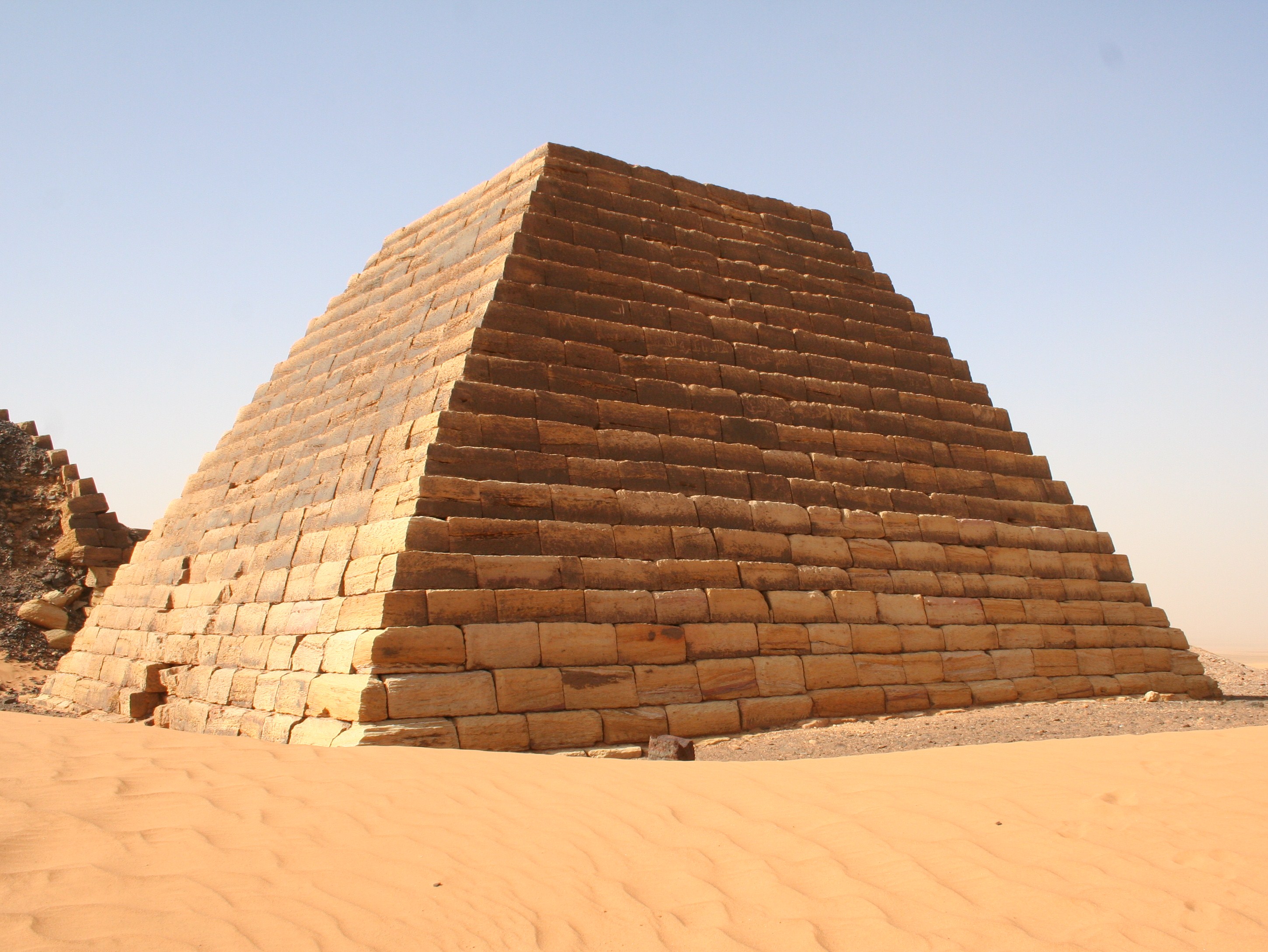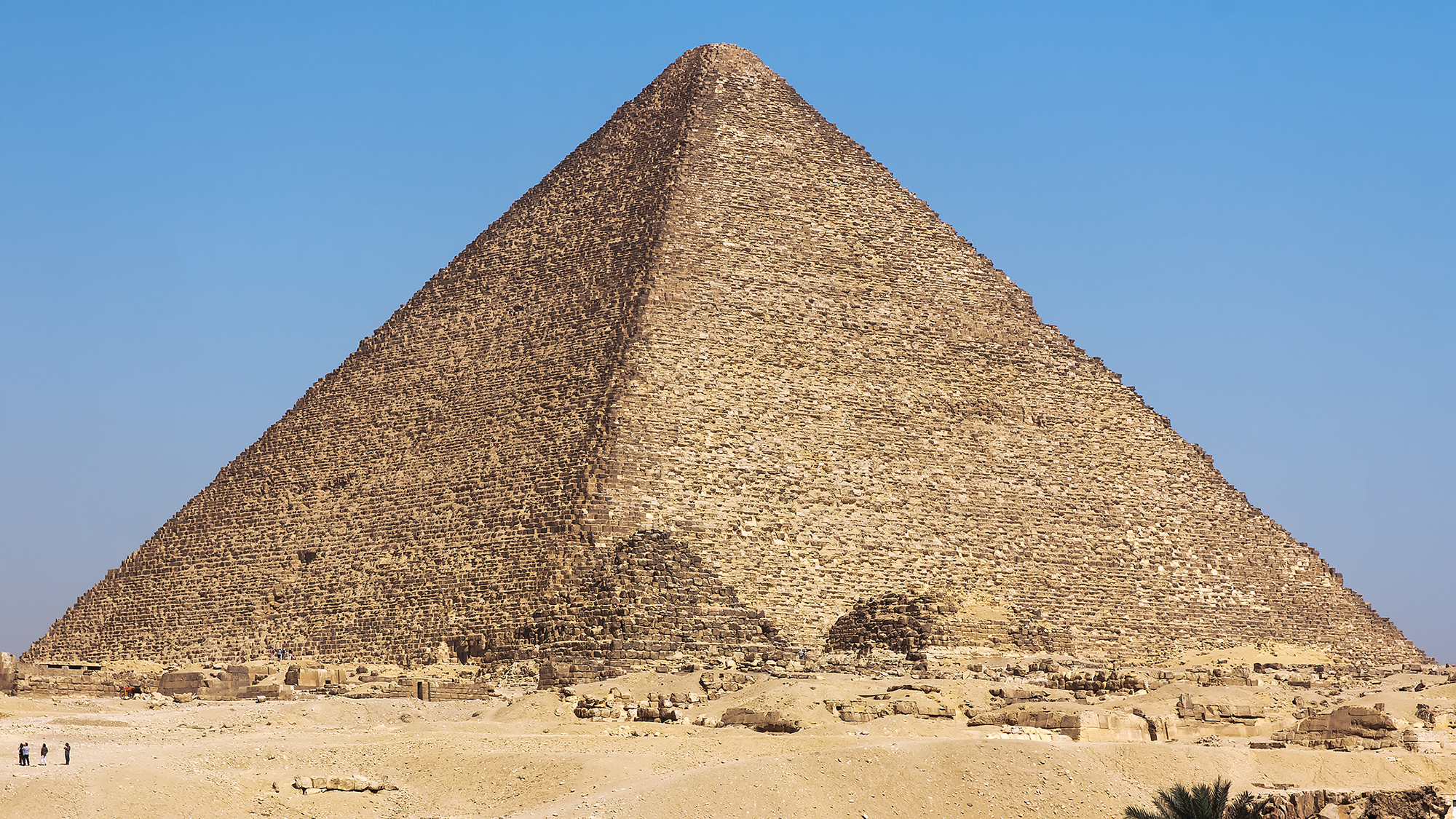

Egypt is one of the world’s great destination countries for travelers interested in history, archaeology, culture and landscapes. The pyramids of Giza are only the beginning. A journey through Egypt can take you from the streets and historic monuments of Cairo to the temples of Luxor, the Nile Valley, Nubian communities around Aswan, the beaches of the Red Sea and the desert landscapes of Sinai and the Western Desert.
Egypt currently has seven properties on the UNESCO World Heritage List, including the Pyramid Fields from Giza to Dahshur, Historic Cairo, Ancient Thebes with its Necropolis, the Nubian Monuments from Abu Simbel to Philae, Saint Catherine Area, Abu Mena and Wadi Al-Hitan. citeturn1search0turn1search7
Why Egypt remains a remarkable travel destination
Egypt brings together an unusually long historical timeline in a single country. Ancient Egyptian temples and tombs stand alongside medieval Islamic architecture, Coptic heritage, modern cities and Mediterranean and Red Sea resort areas. The Nile remains central to the country’s geography and culture, linking much of the historic heartland from the Delta toward Upper Egypt.
The best itinerary depends on what you want to experience. First-time visitors often combine Cairo and Giza with Luxor and an Aswan or Nile itinerary. Travelers looking for beaches and diving may focus on the Red Sea, while those interested in desert landscapes can consider carefully planned trips to oasis regions and Sinai.
1. Cairo: Egypt’s huge historical and cultural capital
Cairo is the obvious starting point for many visitors. The city is enormous and energetic, but its historic core contains a concentration of monuments that tells the story of centuries of Islamic, Christian and Jewish communities.
UNESCO describes Historic Cairo as one of the world’s oldest Islamic cities, with mosques, madrasas, hammams, fountains, palaces and historic neighborhoods integrated into the modern metropolis. citeturn1search5
Among the places to explore are the Citadel of Cairo, Al-Muizz Street, historic mosques, traditional markets and Coptic Cairo. The Egyptian Ministry of Tourism and Antiquities also highlights the Nilometer, Mosque of Amr ibn al-As, Hanging Church and other monuments within Historic Cairo. citeturn1search2
2. Giza and the Great Pyramids
The Giza Plateau is Egypt’s most recognizable archaeological landscape. The complex contains the Great Pyramid of Khufu, the pyramids of Khafre and Menkaure, the Great Sphinx and associated tombs and monuments.
The pyramid fields from Giza to Dahshur are part of a UNESCO World Heritage property. citeturn1search0 Visitors should allow enough time to see the plateau rather than treating the pyramids as a quick photo stop. Early starts can make outdoor exploration more comfortable, especially during hotter months.
3. Saqqara and the step pyramid
South of Cairo, Saqqara provides another major window into ancient Egyptian history. The Step Pyramid of Djoser is one of the site’s most famous monuments and represents an important stage in the development of pyramid architecture.
The broader Memphis and its Necropolis World Heritage property includes pyramid fields and archaeological remains extending through the region. For travelers interested in how Egyptian monumental architecture evolved, combining Giza with Saqqara and Dahshur creates a much fuller picture.
4. Luxor and Ancient Thebes
Luxor is often described as an open-air museum because ancient monuments are spread across both banks of the Nile. The modern city occupies part of the ancient Thebes landscape.
UNESCO lists Ancient Thebes with its Necropolis as a World Heritage property. The area includes major monuments associated with the temples and burial landscapes of ancient Egypt. citeturn1search0
Visitors can explore the Karnak Temple complex, Luxor Temple, the Valley of the Kings, the Valley of the Queens and the monumental temples on the west bank. The scale of the sites means Luxor deserves several days rather than a rushed day trip.
5. Aswan and the Nubian heritage of southern Egypt
Aswan offers a slower pace and a different visual character. The Nile, granite islands, traditional boats and Nubian cultural heritage shape the experience.
Further south, Abu Simbel is one of Egypt’s most famous monumental sites. The Nubian Monuments from Abu Simbel to Philae form a UNESCO World Heritage property that reflects the importance of the region’s ancient temples and their preservation. citeturn1search0
6. Nile journeys
The Nile remains one of the defining ways to experience Egypt. River journeys can connect Luxor, Edfu, Kom Ombo and Aswan while allowing travelers to see landscapes and settlements along the river.
Itineraries and operating schedules vary, so travelers should compare current cruise programs and confirm what is included before booking. Some visitors prefer organized cruises, while others build independent trips using trains, cars, domestic flights and local tours.
7. Alexandria: Mediterranean Egypt
Alexandria provides a different side of the country. Founded in antiquity and associated with the Hellenistic world, the city developed as a major Mediterranean center. Today it combines waterfront areas, museums, cafés, historic districts and archaeological remains.
It is worth remembering that modern Alexandria is a living city rather than an archaeological park. The atmosphere, food and Mediterranean setting are part of the attraction.
8. Red Sea destinations
Egypt’s Red Sea coast is internationally known for beaches, coral reefs and diving. Hurghada, Sharm El-Sheikh, Marsa Alam and other resort areas offer different combinations of beaches, hotels, diving, snorkeling and desert excursions.
Water activities should be booked with reputable operators and visitors should follow local marine and environmental rules. Conditions can vary with season and weather.
9. Sinai and Saint Catherine
The Sinai Peninsula combines mountains, desert landscapes, coastal resorts and religious heritage. The Saint Catherine area is a UNESCO World Heritage property, reflecting its cultural and historical importance. citeturn1search0
Because access conditions and security requirements can vary, travelers should check current official travel advice before arranging journeys into remote parts of Sinai.
10. The Western Desert and oases
Egypt’s Western Desert contains oasis towns, dramatic geological landscapes and archaeological sites. Siwa, Bahariya, Farafra, Dakhla and Kharga are among the better-known oasis regions.
Travel here requires more planning than a conventional city trip. Long distances, limited services and changing desert conditions mean visitors should use experienced local operators for remote excursions.
11. Wadi Al-Hitan: the Whale Valley
Wadi Al-Hitan, or Whale Valley, is a UNESCO natural World Heritage property. Its fossils document an important stage in the evolutionary history of whales and provide evidence of a time when the region’s environment was very different from today’s desert landscape. citeturn1search0
The site demonstrates that Egypt’s heritage extends beyond pharaohs and monuments into geology and paleontology.
12. Egyptian food to try
Egyptian cuisine is an important part of the travel experience. Visitors can try koshari, ful medames, taameya, molokhia, mahshi, grilled meats, seafood and a wide range of breads and desserts.
Food differs between Cairo, Alexandria, Upper Egypt, the Mediterranean coast and the Red Sea. Street-food stalls, traditional restaurants and family-style establishments can each offer different experiences. Travelers with allergies should clearly communicate dietary requirements.
Best time to visit Egypt
Egypt’s climate varies between the Mediterranean north, the Nile Valley, the Red Sea and desert regions. Cooler months are generally more comfortable for extensive sightseeing in Cairo and Upper Egypt, while summer can be extremely hot in inland areas.
Beach destinations on the Red Sea operate throughout the year, although travelers should consider temperatures, wind and personal preferences when choosing dates. Desert trips require particularly careful seasonal planning.
How long should you spend in Egypt?
A short trip can cover Cairo and Giza, but a more comprehensive first visit benefits from additional time. Seven to ten days can allow a combination of Cairo, Luxor and Aswan, while longer itineraries can add Alexandria, Red Sea resorts, Sinai or an oasis.
Rather than trying to see every monument, build the itinerary around geographic clusters. This reduces unnecessary travel and gives you more time at each destination.
Practical travel planning
Visa and entry requirements depend on nationality and can change. Check current requirements with official Egyptian authorities or the relevant Egyptian diplomatic mission before booking flights.
For monument visits, check opening arrangements and ticket information through official Egyptian heritage resources where available. The Egyptian Ministry of Tourism and Antiquities monuments portal provides information about major heritage sites. UNESCO’s Egypt World Heritage page provides independent information about internationally recognized heritage properties.
Egypt beyond the pyramids
The pyramids are the country’s most famous symbol, but they are only one chapter in Egypt’s travel story. Historic Cairo reveals centuries of Islamic urban life; Luxor presents monumental ancient temples and tombs; Aswan and Abu Simbel highlight Nubian heritage; Alexandria connects Egypt with the Mediterranean; and the Red Sea and Western Desert add completely different landscapes.
That variety is what makes Egypt such a substantial destination. A carefully planned journey can combine archaeology, religion, food, architecture, river landscapes, beaches and desert scenery in a single country.
For further reading, explore our Morocco Travel Guide, Algeria Travel Guide, Libya Travel Guide and Tunisia Travel Guide.
Discover more from NewsNation Online
Subscribe to get the latest posts sent to your email.
आपके लिए सुझाव