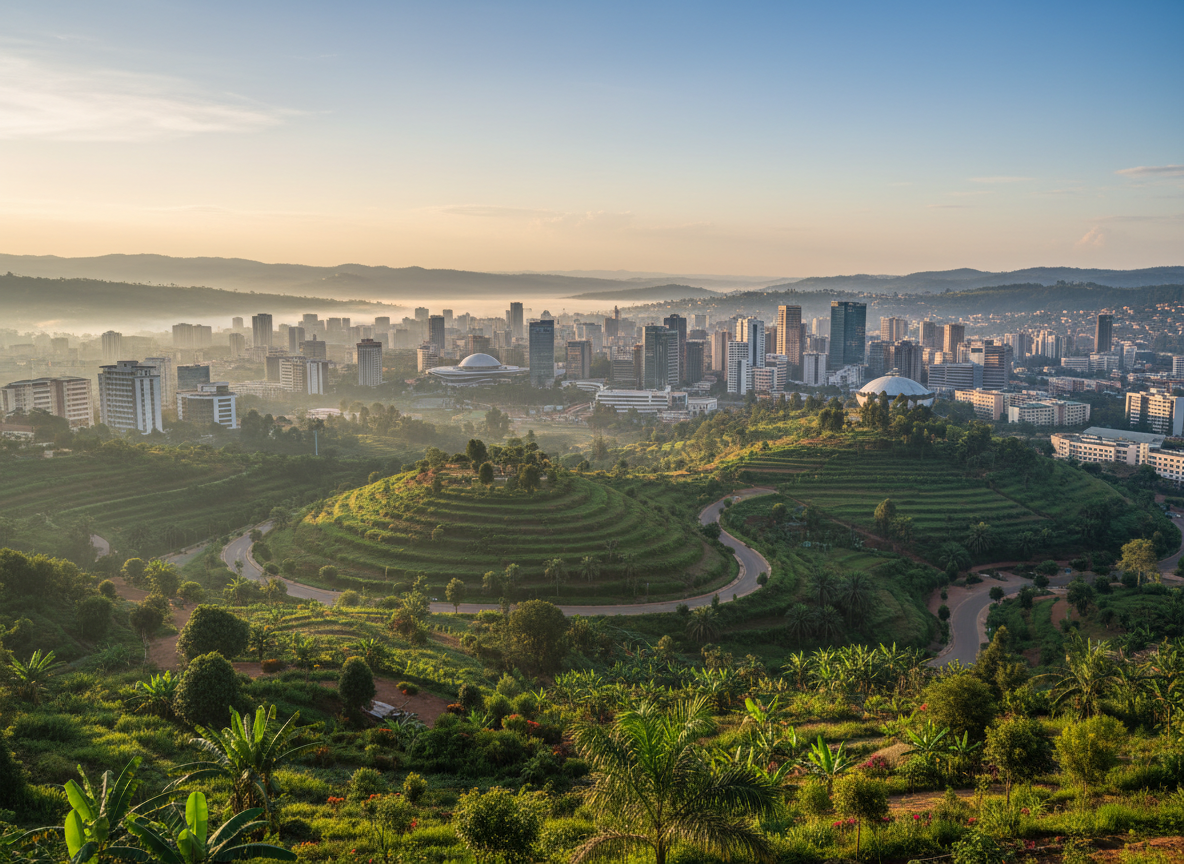
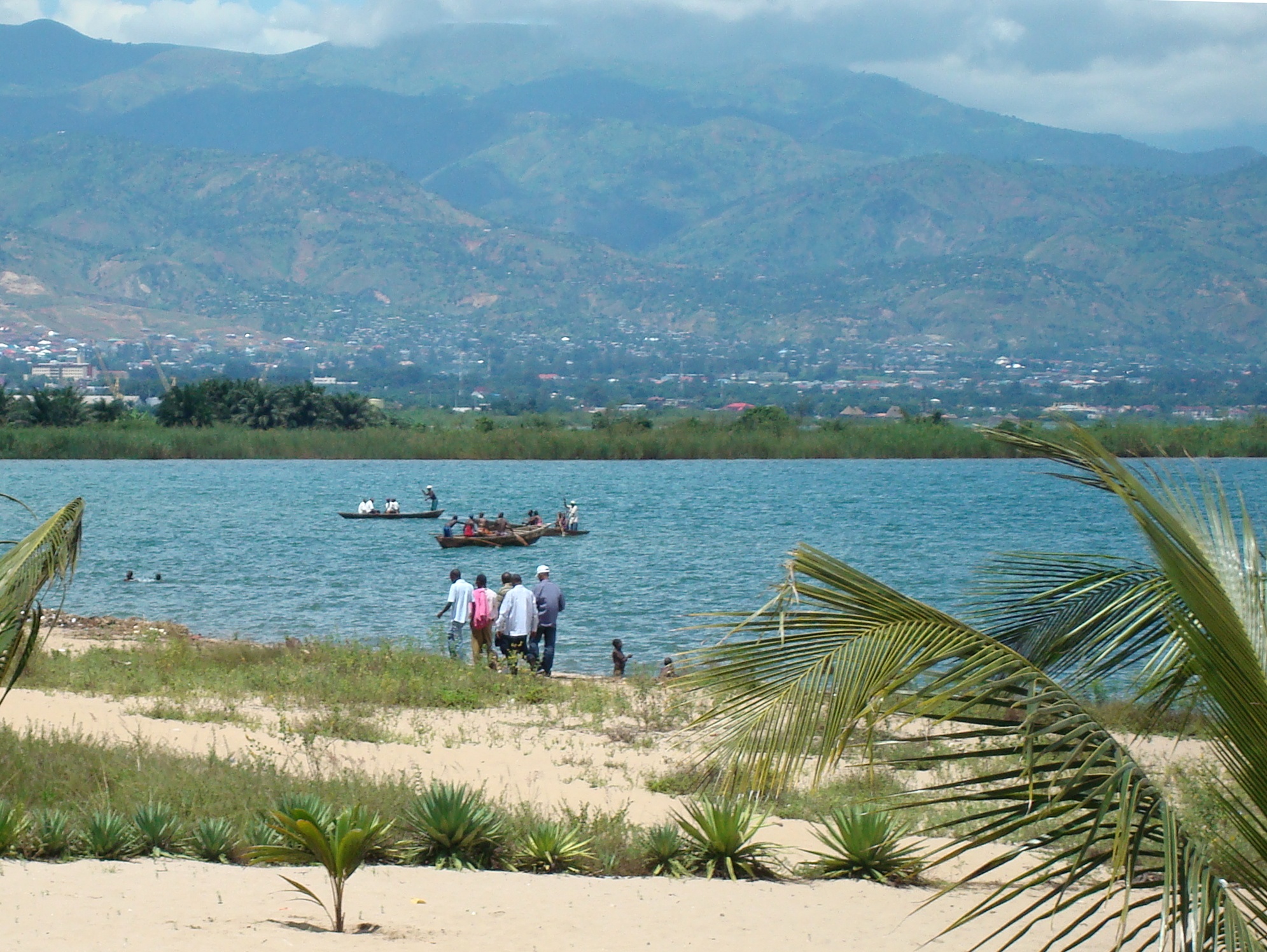
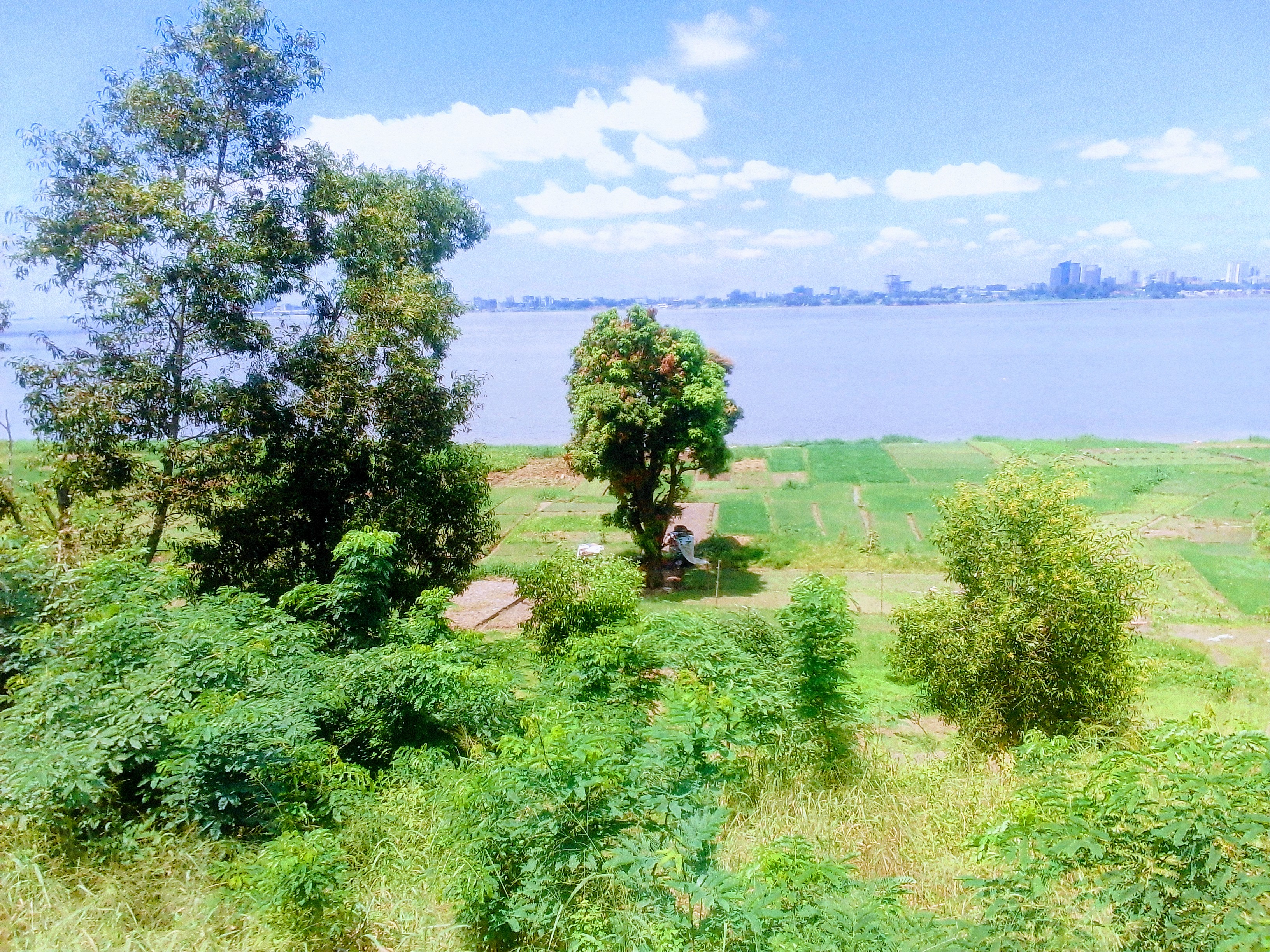
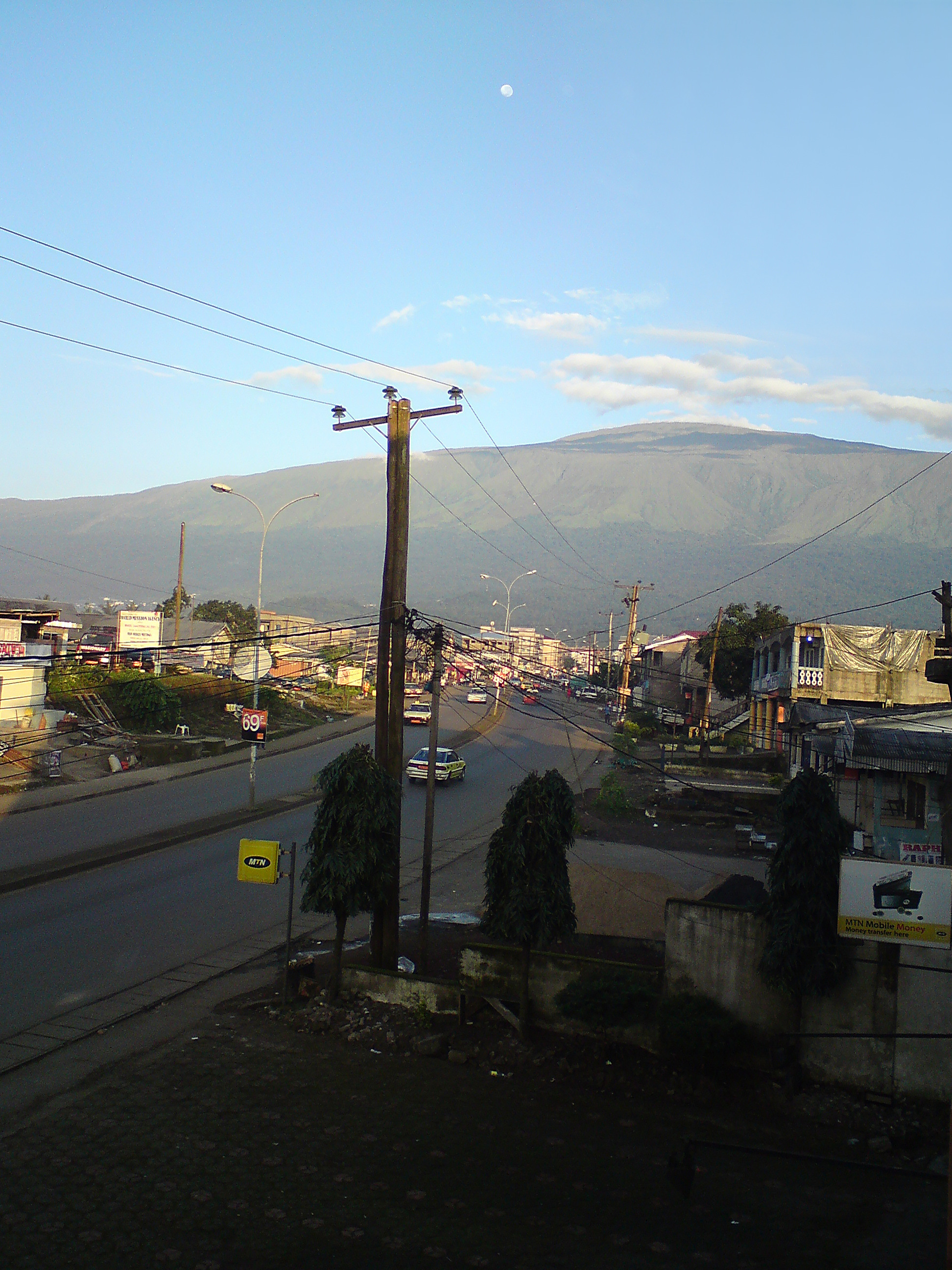
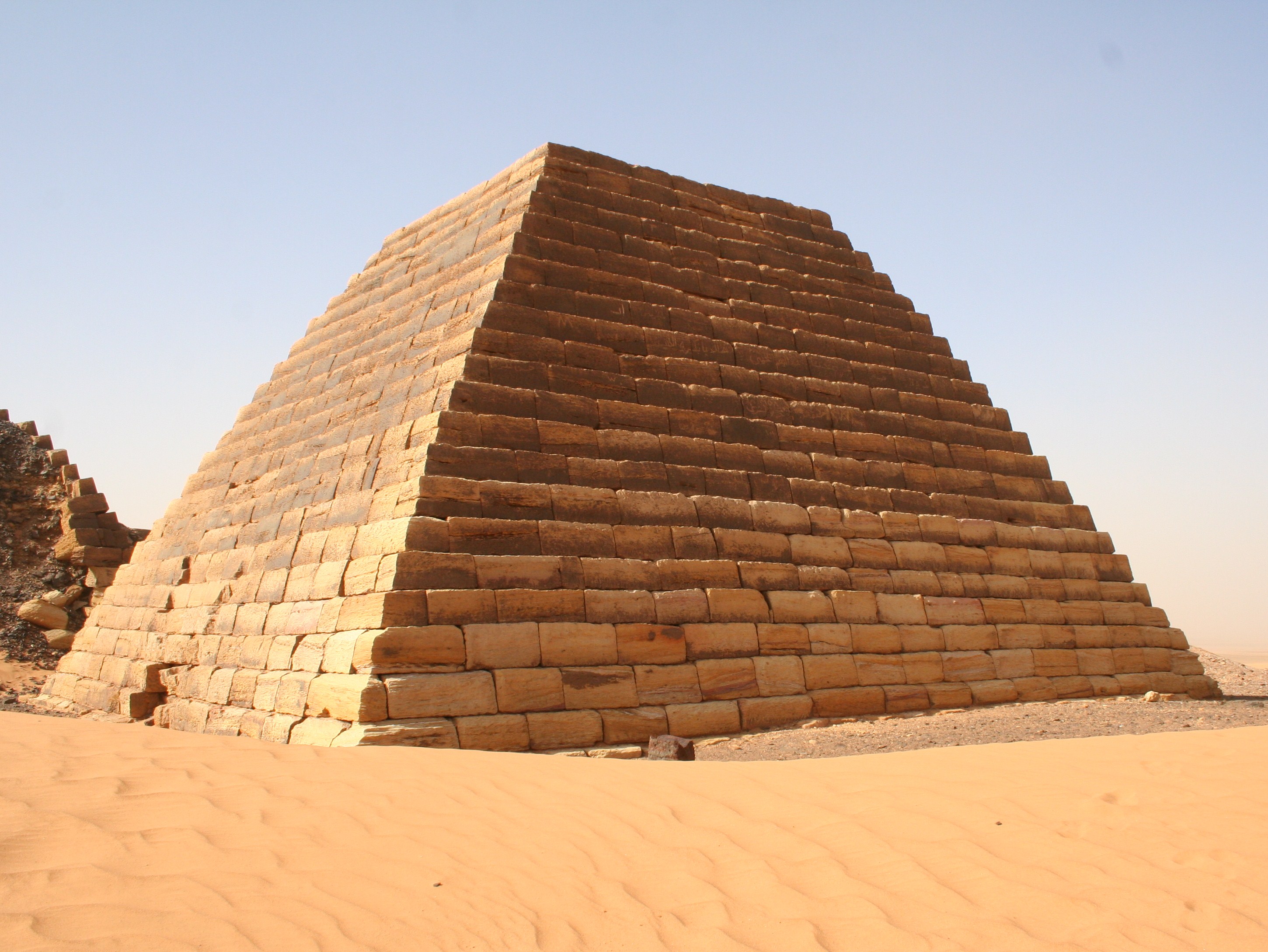
Tunisia is a compact North African destination where Mediterranean beaches, ancient ruins, Islamic heritage, mountain landscapes and Sahara scenery can fit into one trip. The country stretches from the Mediterranean north and east toward the desert south, and its geography changes dramatically as travelers move between Tunis, the Cap Bon peninsula, the Sahel, the central region, Djerba and the Sahara.
For travelers planning a country-focused itinerary, Tunisia offers an unusual combination of city breaks, archaeology, beaches and desert experiences. Tunis provides the main urban gateway, while nearby Carthage and Sidi Bou Said create an easy cultural extension. Hammamet, Sousse, Monastir and Mahdia are associated with the Mediterranean coast. Farther south, Djerba, Matmata, Douz and Tozeur open the door to a very different landscape.
Why Tunisia Stands Out
Tunisia’s history is visible in several layers. Ancient Carthage, Roman sites such as El Jem and Dougga, medieval Islamic cities such as Kairouan, Ottoman-era architecture and French colonial influences all form part of the country’s built heritage. The government tourism portal highlights archaeological sites, museums, tourist zones and cultural tourism as major parts of the sector. citeturn0search0
The Tunisian government describes the country as having Mediterranean coastlines, mountainous and fertile plains and a large southern Sahara area. That geographical variety explains why a trip can move from seaside cafés to Roman ruins and then to desert oases without crossing an enormous country. citeturn0search2
Places to Put on a Tunisia Itinerary
Start in Tunis if you want museums, markets and historic neighborhoods. Add Carthage for archaeological remains and Sidi Bou Said for its distinctive blue-and-white architecture and views across the Gulf of Tunis. Continue toward Hammamet or the Sahel if beaches and resort areas are priorities.
Sousse is useful for travelers interested in both beaches and historic architecture, while Monastir combines a coastal setting with important monuments. El Jem is one of the country’s essential historical stops because of its remarkably preserved Roman amphitheater. Kairouan provides a different experience, centered on Islamic heritage and traditional urban fabric.
In the south, Djerba can work as a relaxed island base. Matmata is known for its distinctive troglodyte architecture, while Douz is widely associated with Sahara excursions. Tozeur provides access to palm oases, salt-lake landscapes and mountain-oasis routes.
Food and Everyday Experiences
Tunisian food is another reason to build time into the itinerary. Couscous, brik, harissa, grilled seafood, ojja, lablabi and regional pastries appear in different forms across the country. Markets are particularly useful for seeing local ingredients, spices, dates and olive products.
Travelers should also allow time for slower experiences: a coffee in an old-town café, walking through a medina, visiting a local market, watching the sunset from a coastal viewpoint or spending an evening in a desert camp. These moments can make a country itinerary feel less like a checklist and more like a journey.
When to Visit
Spring and autumn are useful periods for combining cities, archaeology and outdoor activities. Summer is particularly attractive for beach travel but can be hot inland and in the desert. Winter can be comparatively mild in the north and coastal areas, while southern destinations can provide a different seasonal experience. Current weather should always be checked for the exact route and travel dates.
Practical Planning
Entry requirements depend on nationality, so travelers should verify current visa and passport rules before booking. Accommodation, transport and attraction opening hours can also change. The official Tunisian Ministry of Tourism provides current tourism-sector information and official guidance. citeturn0search1
For wider regional inspiration, compare this guide with NewsNationOnline’s Morocco Travel Guide, Oman Travel Guide and Saudi Arabia Travel Guide.
Final Takeaway
Tunisia works especially well for travelers who do not want to choose between beaches and history. A carefully planned route can connect Mediterranean towns, ancient archaeological sites, historic Islamic centers, island communities, mountain scenery and the Sahara. Rather than rushing through every destination, choose a few regions and give each enough time to experience its food, architecture, landscapes and everyday life.
Discover more from NewsNation Online
Subscribe to get the latest posts sent to your email.
आपके लिए सुझाव