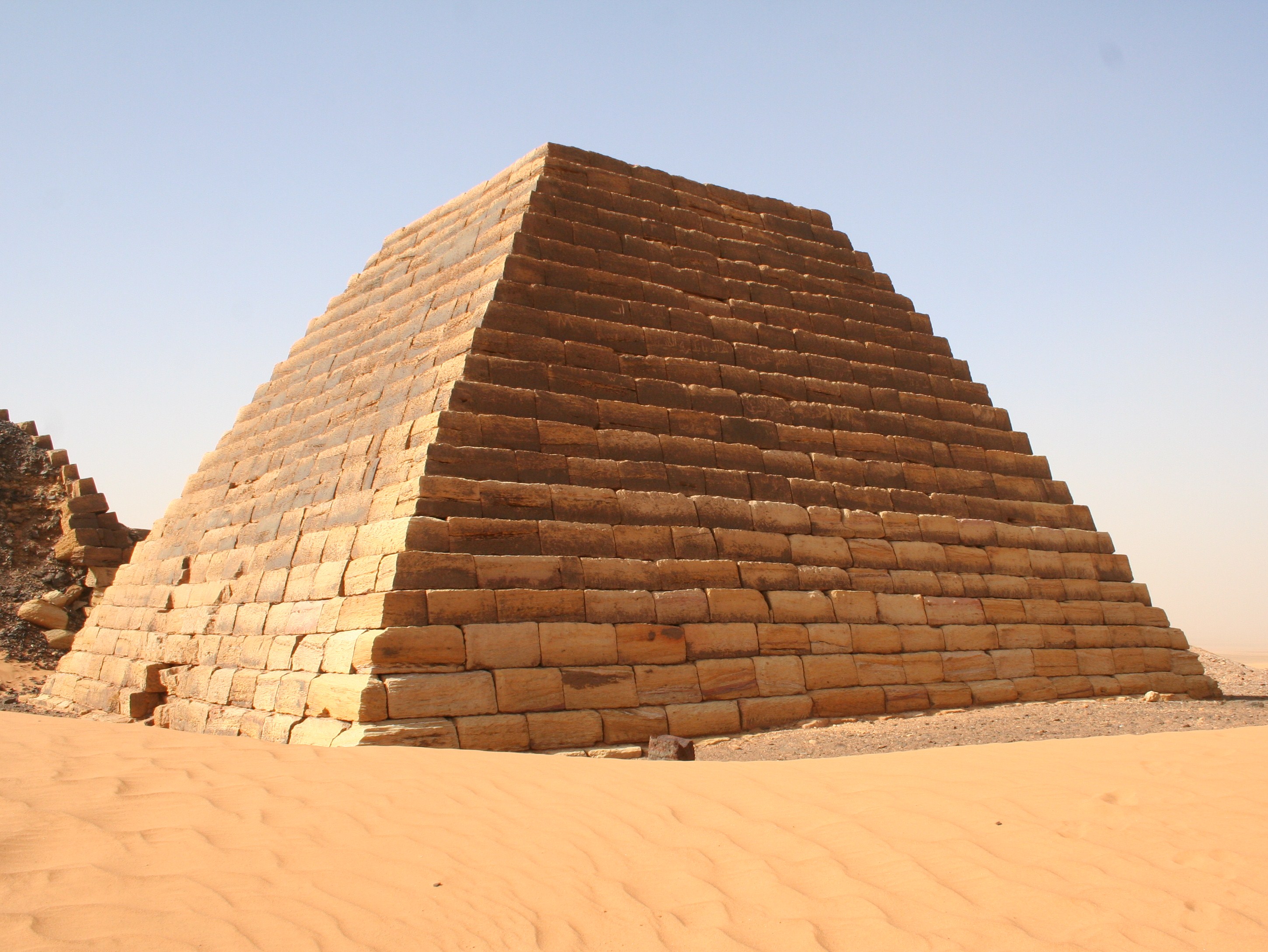

Libya is a country where Mediterranean history, Roman archaeology, desert landscapes and oasis traditions meet. From the ancient streets of Leptis Magna to the old town of Ghadamès and the rock art of the Sahara, the country contains an extraordinary concentration of heritage. Libya currently has five properties on the UNESCO World Heritage List: Cyrene, Leptis Magna, Sabratha, the Old Town of Ghadamès and the Rock-Art Sites of Tadrart Acacus. citeturn2search0
At the same time, Libya requires unusually careful travel planning. Conditions can vary by region, and access, security, transport and heritage-site arrangements can change. Anyone considering a trip should check current government travel advisories, entry requirements and local conditions before making arrangements. Remote desert travel should only be considered with reputable local operators and appropriate permits and support.
Why Libya is historically important
Libya sits on the southern Mediterranean and has been shaped by Phoenician, Greek, Roman, Byzantine, Arab, Ottoman and modern North African history. Its location connected Mediterranean ports with the interior of Africa, creating trade routes that helped cities such as Leptis Magna and Sabratha grow.
The result is a remarkable archaeological landscape. Roman theatres, forums, basilicas, temples and harbours survive along the coast, while ancient settlements and rock art extend deep into the Sahara.
1. Leptis Magna: Libya’s extraordinary Roman city
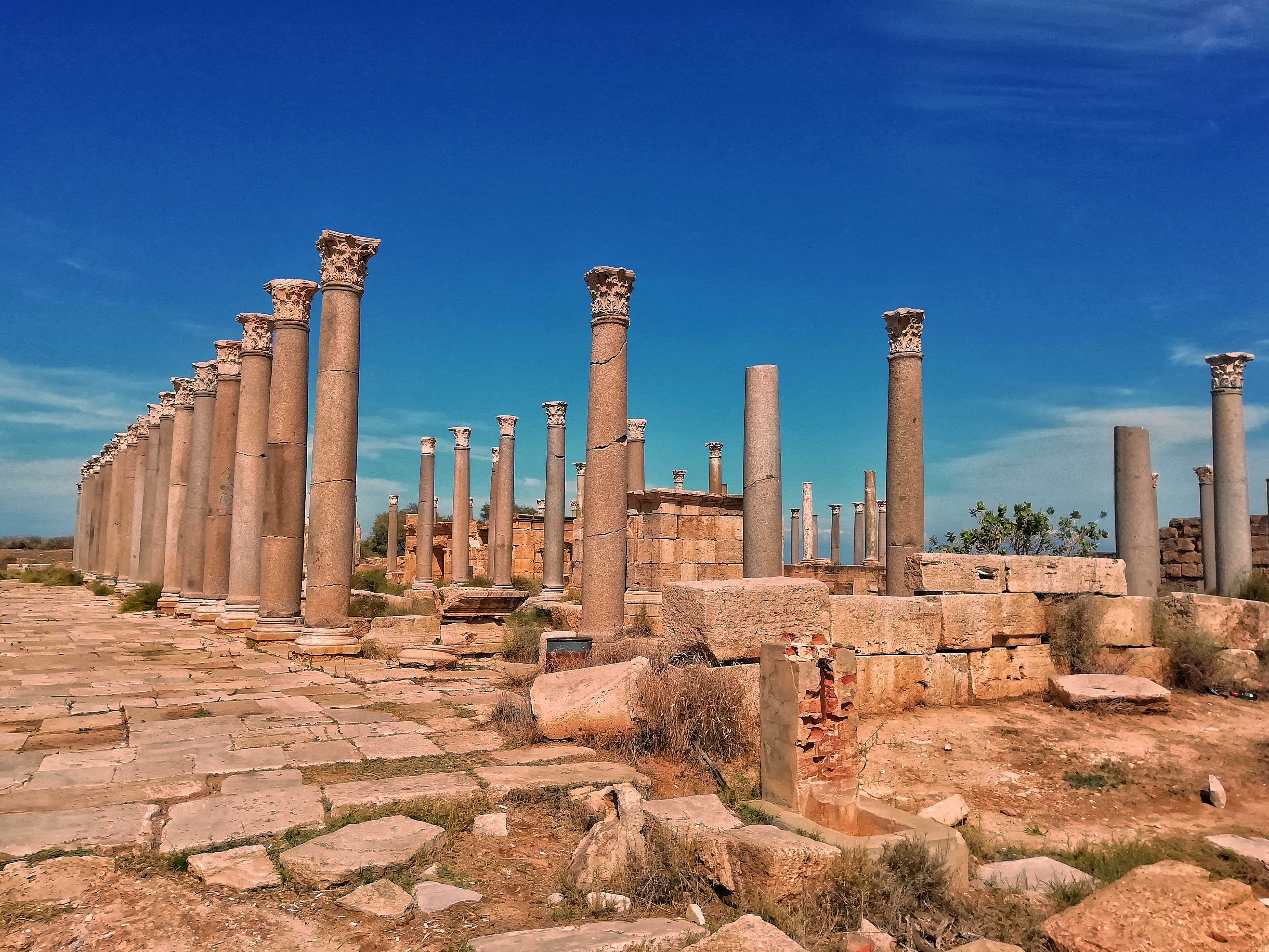
Leptis Magna is one of Libya’s best-known archaeological sites. Located near the modern town of Al Khums, east of Tripoli, the ancient city began as a Phoenician trading settlement and expanded dramatically under Roman rule. UNESCO notes that Emperor Septimius Severus, who was born at Leptis Magna, enlarged and embellished the city in the early third century. citeturn2search5
The surviving remains include monumental arches, the Severan forum, temples, baths, a theatre, amphitheatre, market areas and the ancient harbour. The combination of civic monuments and evidence of everyday commercial activity makes the site particularly valuable for understanding Roman urban life in North Africa.
2. Sabratha and its Mediterranean setting
Sabratha was another important ancient port. UNESCO describes it as a Phoenician trading post that was later Romanized and rebuilt during the second and third centuries. Its position on the Mediterranean helped it become an outlet for products from the African interior. citeturn2search2
The archaeological zone includes a famous Roman theatre as well as temples, basilicas, streets and other remains. Its coastal setting gives Sabratha a distinctive atmosphere, although visitors should verify current access and security arrangements before planning a visit.
3. Cyrene: Greek heritage in eastern Libya
Cyrene, near the modern town of Shahhat, represents a different chapter of Libya’s ancient history. Founded by Greek settlers, it became one of the most important cities of the ancient Cyrenaica region. Its ruins include temples, sanctuaries, public spaces and theatres set among the hills of eastern Libya.
UNESCO includes the Archaeological Site of Cyrene among Libya’s five World Heritage properties. citeturn2search0 The site is particularly significant for travelers interested in the Greek and Roman Mediterranean world.
4. Ghadamès: The desert oasis city
Ghadamès is one of Libya’s most distinctive historic settlements. Known as an oasis town near the borders with Algeria and Tunisia, its old town developed around the need to manage heat, sunlight, water and movement through the desert.
Traditional houses, covered passages and compact urban planning helped create a settlement adapted to the Saharan environment. UNESCO lists the Old Town of Ghadamès as a World Heritage property. citeturn2search0
The town also illustrates how desert architecture can be both practical and culturally distinctive. Visitors should treat the old town as a living heritage environment and follow local guidance regarding access and photography.
5. Tadrart Acacus and prehistoric rock art
The Tadrart Acacus massif in southwestern Libya is famous for prehistoric rock art and dramatic desert landscapes. UNESCO recognizes the Rock-Art Sites of Tadrart Acacus as a World Heritage property. citeturn2search0
The paintings and engravings provide evidence of changing environments and human activity in the Sahara over thousands of years. The landscapes include sandstone formations, canyons and desert plateaus, making the region significant for both cultural and natural heritage.
Because this is an extremely remote area, desert travel requires careful logistics, suitable vehicles, experienced guides, communications planning and attention to current security conditions.
6. Tripoli: Libya’s Mediterranean capital
Tripoli is Libya’s capital and largest city. Its historic core contains traditional markets, mosques, Ottoman-era buildings and remnants of the city’s long Mediterranean trading history.
The old city is best approached as a living urban district rather than simply a tourist attraction. Visitors should follow local advice, respect religious spaces and verify which museums, monuments and public areas are currently accessible.
7. Benghazi and eastern Libya
Benghazi is Libya’s second major urban center and an important city in Cyrenaica. Its modern history is significant, while the wider eastern region contains archaeological and natural attractions including Cyrene and the Green Mountain area.
Travel plans for eastern Libya should be based on current local conditions rather than old guidebooks because routes, permissions and access can change.
8. Gharyan and the Nafusa Mountains
The Nafusa Mountains provide a different landscape from Libya’s coastal plains and central desert. Traditional settlements, mountain valleys and historic architecture are associated with the region. Gharyan is known for pottery and traditional crafts, while nearby communities preserve distinctive Amazigh cultural traditions.
9. The Libyan Sahara
The Sahara covers a huge part of Libya and contains landscapes ranging from sand dunes to rocky plateaus, mountains and oasis settlements. The desert is not one uniform environment. Southern destinations such as Ghat, Ghadamès, Murzuq and the Tadrart Acacus region each have their own geography and cultural history.
For travelers, the Sahara is also the area where preparation matters most. Distances are enormous, services can be limited and conditions can change rapidly. A remote desert itinerary should be arranged with experienced local professionals and should account for fuel, water, communications, navigation and emergency contingencies.
10. Libyan food and local culture
Libyan cuisine reflects Mediterranean, North African, Arab and Saharan influences. Couscous, soups, breads, grilled meats, seafood, dates and dishes using olive oil and local spices are common themes. Coastal cities naturally have stronger seafood traditions, while inland communities have food traditions shaped by oasis agriculture and pastoral life.
Hospitality is an important part of social life, but visitors should remember that customs vary between communities. Respectful clothing, appropriate behavior around religious sites and asking permission before photographing people are sensible practices.
When to consider visiting Libya
Climate varies considerably between the Mediterranean north and the Sahara. Northern coastal areas have hotter summers and milder winters, while desert regions can experience extreme daytime heat and much colder nights.
For heritage-focused travel in the north, cooler months can be more comfortable. Desert trips require more specialized planning and should be organized around current weather, road conditions and security information rather than a simple seasonal rule.
Entry, safety and practical planning
Visa and entry requirements depend on nationality and can change. Check with the relevant Libyan diplomatic mission and official authorities before booking. Travelers should also consult current government travel advisories because security conditions can differ substantially between regions.
Do not assume that an archaeological site is currently open simply because it appears in a guidebook or online article. Confirm access, permits, transport and local security arrangements shortly before departure.
Libya’s UNESCO heritage
UNESCO currently lists five Libyan World Heritage properties: the Archaeological Site of Cyrene, Archaeological Site of Leptis Magna, Archaeological Site of Sabratha, Old Town of Ghadamès and Rock-Art Sites of Tadrart Acacus. citeturn2search0 These sites demonstrate the country’s extraordinary range, from Greek and Roman cities to oasis architecture and prehistoric Saharan art.
Why Libya matters to the story of North Africa
Libya’s importance goes far beyond its modern borders. Its ancient ports connected Africa with the Mediterranean; its Roman cities preserve evidence of sophisticated urban life; its oasis settlements show how communities adapted to the desert; and its rock art records human activity across changing Saharan environments.
For further research, consult the UNESCO Libya World Heritage page, the UNESCO World Heritage list and official Libyan diplomatic and government sources for current entry and travel information.
Continue exploring our international country guides: Algeria Travel Guide, Tunisia Travel Guide and Morocco Travel Guide.
Discover more from NewsNation Online
Subscribe to get the latest posts sent to your email.
आपके लिए सुझाव