The Democratic Republic of the Congo is one of Africa’s most geographically extraordinary countries, stretching from the Congo River and Kinshasa into immense rainforest, volcanic mountains, great lakes and some of the continent’s most important wildlife reserves. The country is home to five UNESCO World Heritage properties, including Virunga, Kahuzi-Biega, Okapi Wildlife Reserve, Salonga and Garamba national parks.
Yet the DRC of 2026 cannot be described as an ordinary tourism destination. Serious security, health, kidnapping and conflict risks affect different parts of the country, and official governments currently issue extensive travel warnings. This guide therefore focuses on geography, heritage, conservation, culture and history while clearly separating those subjects from practical travel advice.

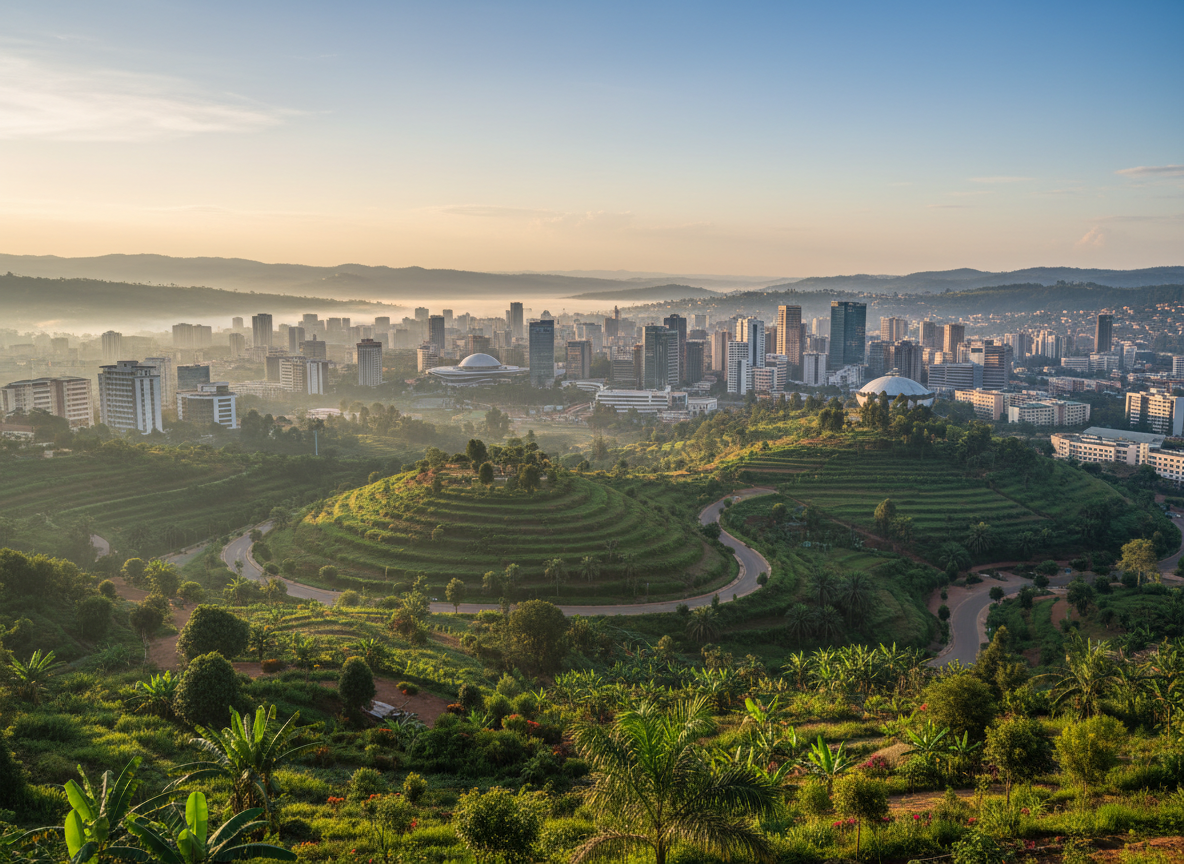
1. Kinshasa — The Giant Capital on the Congo
Kinshasa is the capital and largest city of the Democratic Republic of the Congo. Built along the southern bank of the Congo River opposite Brazzaville, it is one of Africa’s great urban centres. The city combines dense neighbourhoods, markets, museums, churches, music venues and major government institutions. Kinshasa is also a major centre of Congolese popular culture, especially music and dance.
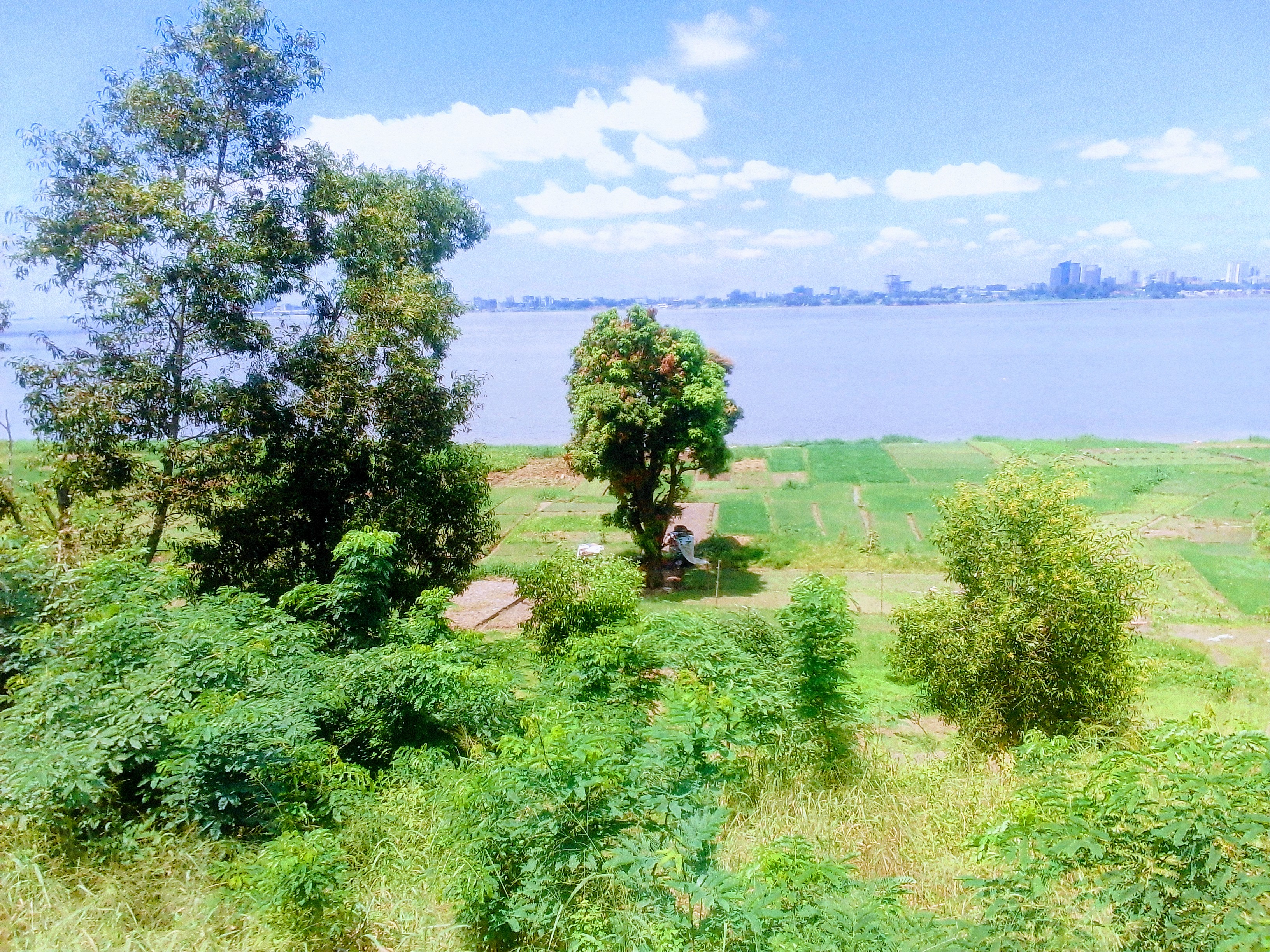
2. Congo River and Pool Malebo
The Congo River is central to the country’s geography and history. Around Kinshasa and Brazzaville, the river widens into Pool Malebo, creating a dramatic landscape shared by the two capitals. Farther inland, the river and its tributaries support transport, fishing, agriculture, wetlands and forest ecosystems across an enormous basin.
3. Kinkole and the Nsele Valley
East of Kinshasa, the Nsele area illustrates the transition from the huge capital toward more open landscapes. The Congo River system, local markets and surrounding greenery make the area part of the wider recreational and ecological geography of Kinshasa Province.
4. Virunga National Park
Virunga National Park, established in 1925, is one of Africa’s oldest national parks and a UNESCO World Heritage property. Its 790,000-hectare landscape includes volcanoes, savannas, forests, lakes and alpine environments. The park is particularly famous for its mountain gorillas, while its wider ecosystems support elephants, hippos, okapis and numerous bird species.
UNESCO continues to monitor Virunga’s conservation status. The property remains on the List of World Heritage in Danger, reflecting long-running pressures including armed conflict and threats to wildlife and protected-area management.
5. Nyiragongo Volcano
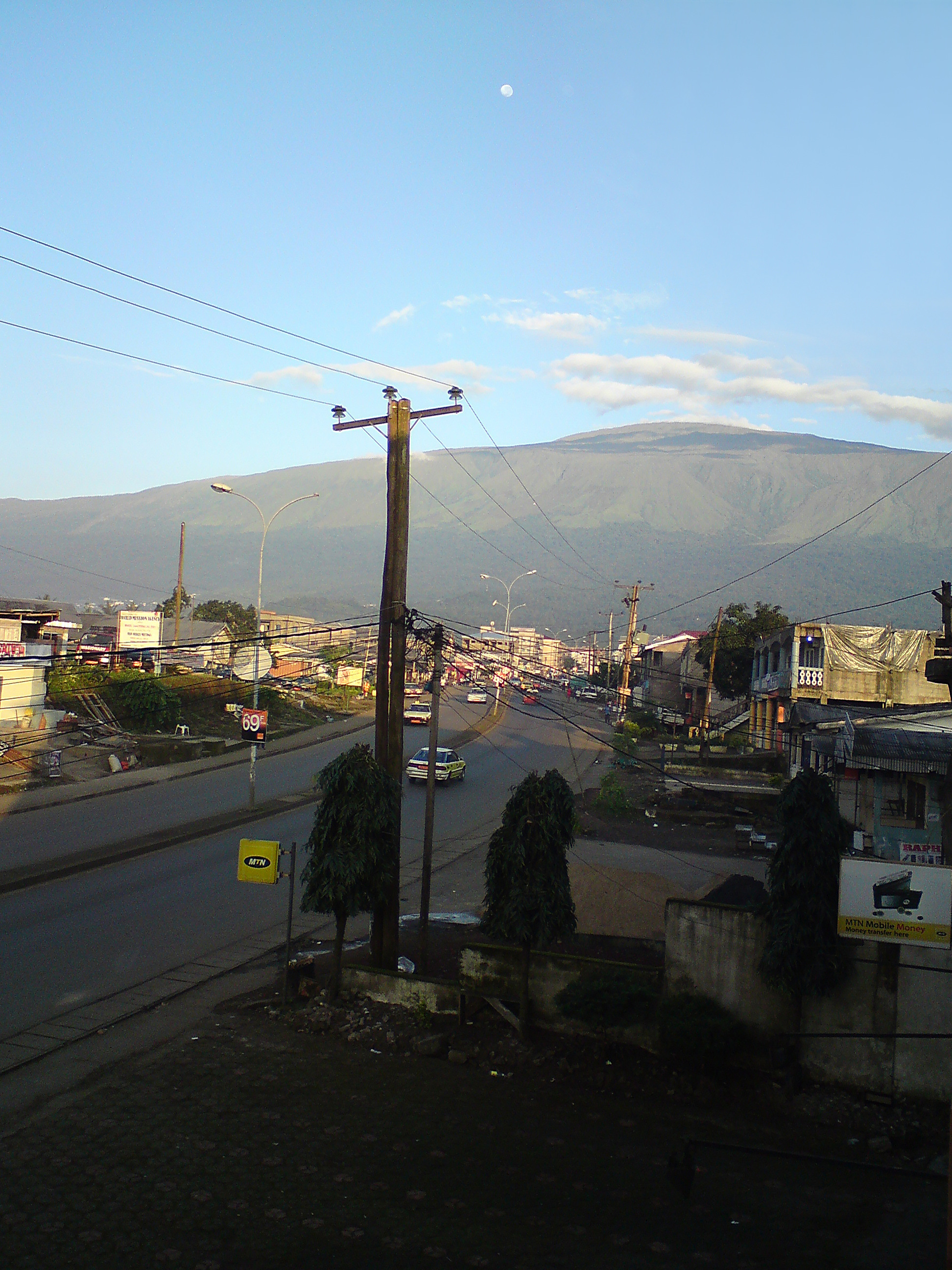
Mount Nyiragongo rises above the eastern DRC near Goma and is one of the world’s best-known active volcanoes. Its steep volcanic slopes and spectacular crater have made it a major geographical landmark. Volcanic activity also explains much of the fertile landscape around parts of Lake Kivu, although the region’s security conditions make real-world travel planning highly sensitive.
6. Goma and Lake Kivu
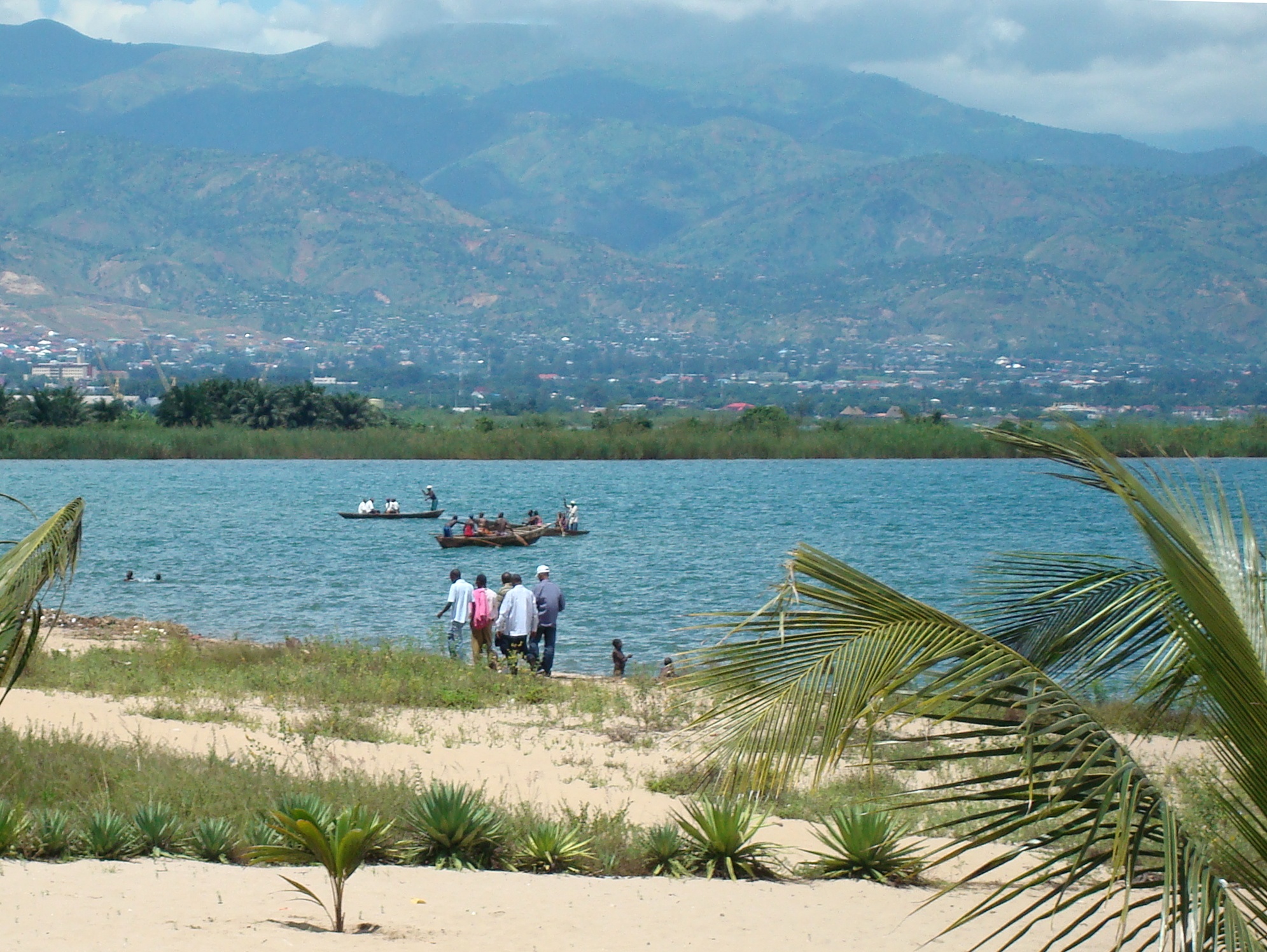
Goma sits on the northern shore of Lake Kivu near the Rwanda border. The city is surrounded by volcanic terrain and is closely connected to regional trade. Lake Kivu is one of Africa’s Great Lakes and contains significant dissolved gases in its deep waters. The lake’s scenery, islands and fishing communities form an important part of the eastern Congo landscape.
7. Kahuzi-Biega National Park
Kahuzi-Biega National Park protects more than 600,000 hectares across the Congo Basin and Albertine Rift. Its landscape ranges from lowland rainforest to montane forest around Mount Kahuzi and Mount Biega. UNESCO highlights the park’s importance for the eastern lowland gorilla, also known as Grauer’s gorilla, as well as its exceptional plant and animal diversity.
8. Okapi Wildlife Reserve
In the northeastern rainforest, the Okapi Wildlife Reserve protects a vast forest landscape and one of the world’s most distinctive mammals: the okapi. The reserve covers roughly one-fifth of the Ituri Forest and is also home to forest elephants, chimpanzees, leopards and many other species. UNESCO inscribed it as World Heritage in 1996 and continues to list it as endangered because of conservation pressures.
9. Salonga National Park
Salonga is Africa’s largest tropical rainforest national park and protects an enormous wilderness in the central Congo Basin. The park is important for bonobos, forest elephants and other rainforest species. Its remote forests also make conservation, scientific research and community engagement especially challenging and important.
10. Garamba National Park
Garamba lies in northeastern DRC near the borders with South Sudan and Uganda. Its landscape combines savanna, woodland, wetlands and forests. The park is historically associated with northern white rhinos and remains important for elephants, giraffes, hippos and other wildlife. UNESCO’s 2026 conservation record notes ongoing work involving anti-poaching, habitat restoration and community livelihoods.
11. Maiko National Park
Maiko National Park is a large rainforest reserve in eastern-central DRC. It forms part of the country’s important forest conservation network and contains habitat for eastern lowland gorillas, okapis and forest elephants. The park’s remote character has also made effective monitoring and protection difficult.
12. Kisangani and the Tshopo Region
Kisangani is one of the DRC’s major inland cities, located on the Congo River in the northeastern part of the country. Historically it developed as a river and commercial centre. The surrounding Tshopo landscape connects urban life with immense rainforest ecosystems and tributaries of the Congo.
13. Lubumbashi and the Copperbelt
Lubumbashi, in southeastern DRC, is a major city of the Copperbelt. Its history is closely linked to mining, industrial development and regional trade. The city’s architecture, markets and cultural institutions provide a different perspective on the DRC from the rainforest and Great Lakes regions.
14. Lake Tanganyika and Kalemie
Lake Tanganyika forms part of the DRC’s southeastern and eastern landscape and is one of the deepest freshwater lakes on Earth. Kalemie sits on its western shore and has long been connected with lake transport and fishing. The lake is shared by several countries and contains remarkable aquatic biodiversity.
15. Congolese Food, Music, Art and Culture
Food varies widely across the DRC but commonly features cassava, plantains, maize, rice, beans, vegetables and fish. River and lake communities have strong fishing traditions, while meat and leafy vegetable dishes are common in many regions. Urban cuisine in Kinshasa reflects influences from across the country.
Music is perhaps the country’s best-known cultural export. Congolese rumba developed in the Congo region and became an influential African musical tradition. Soukous and later styles spread Congolese sounds internationally. Painting, sculpture, textiles, carving and contemporary visual arts are also important components of the country’s cultural identity.
UNESCO World Heritage in the Democratic Republic of the Congo
UNESCO currently lists five World Heritage properties in the DRC: Virunga National Park (1979), Garamba National Park (1980), Kahuzi-Biega National Park (1980), Salonga National Park (1984) and Okapi Wildlife Reserve (1996). UNESCO’s country page records 2026 state-of-conservation decisions for Garamba, Kahuzi-Biega, Okapi and Virunga.
All five natural World Heritage properties have faced serious conservation pressures, and several remain on the World Heritage in Danger list. Readers can verify the current record through the UNESCO DRC country page, Virunga, Kahuzi-Biega, Okapi Wildlife Reserve, Salonga and Garamba.
Current Travel Safety in 2026
The security picture varies by province, but current official guidance is severe. The U.S. Department of State’s July 15, 2026 advisory places the DRC at Level 4 — Do Not Travel, citing health, crime, unrest, terrorism and kidnapping. The advisory also notes an Ebola outbreak and related U.S. entry restrictions for people who have recently been in the DRC.
The UK FCDO advises against all travel to several parts of the country and against all but essential travel to specified areas, including parts of Kinshasa. Its September 2026 guidance also notes that Goma and Bukavu airports have been attacked and that commercial flights are not operating from those airports, while the security situation around Kisangani has been unpredictable.
Official advice can change quickly. Anyone considering travel should check the latest UK FCDO DRC travel advice and the U.S. Department of State DRC advisory immediately before making plans.
The DRC in Central Africa
The DRC connects almost every major ecological zone discussed in this country series. Its western frontier faces the Republic of the Congo across the Congo River, while its northern forests connect with the Central African Republic and Cameroon. Its eastern Great Lakes region connects with Uganda, Rwanda, Burundi and Tanzania.
Readers can also explore the earlier guides to Chad, Niger, Mali and Mauritania.
The Bottom Line
The Democratic Republic of the Congo contains an extraordinary concentration of natural and cultural landscapes: Kinshasa and the Congo River, active volcanoes, the Great Lakes, immense rainforest and five UNESCO World Heritage properties. Its conservation story is equally important, particularly for gorillas, okapis, bonobos, elephants and other species. But current security and health conditions mean that this guide should be read primarily as a geographical and heritage resource, with practical travel decisions based on the latest official advisories.
Featured image: Congo River from Kinshasa, Democratic Republic of the Congo. Photo by EdwinAlden.1995, Wikimedia Commons, CC BY-SA 4.0.
Discover more from NewsNation Online
Subscribe to get the latest posts sent to your email.
आपके लिए सुझाव