
The best time to visit Rwanda depends on your itinerary, not just the calendar. June to mid-September generally offers easier road and trekking conditions, while a second relatively drier period often occurs around late December to early February. Rwanda’s highland climate, however, means rain is possible throughout the year, especially in forests and mountains.

Rwanda’s climate: altitude matters more than latitude
Although Rwanda lies near the Equator, much of the country is elevated. Kigali is generally mild, Akagera in the east tends to be warmer, and the Virunga mountains are cooler. According to Visit Rwanda’s official weather guide, the main rainy periods run approximately from mid-February to May and from mid-September to mid-December. The principal drier period is June to mid-September, but regional and year-to-year variation is normal.
Month-by-month Rwanda travel guide
January
Generally relatively dry conditions suit city exploration and trekking, although showers remain possible in high-altitude forests.
February
Often starts comparatively dry before the main rainy period develops. Timing matters: late-month travel can feel different from early February.
March
Rainfall becomes more frequent. Forest trails can be slippery, while vegetation grows lush. Flexible schedules and waterproof gear are useful.
April
Usually among the wetter months. Road journeys and steep hikes may be more demanding. This is also a solemn period of national remembrance associated with the 1994 Genocide against the Tutsi.
May
Rain can continue, often easing toward the end of the month. Conditions vary by elevation and local weather patterns.
June
The main drier season begins. Trails and roads generally become easier, and demand for gorilla permits can increase.
July
A popular travel month for mountain trekking and mixed itineraries. Book accommodation and permits early rather than relying on last-minute availability.
August
Typically part of the main dry window, suitable for hiking and Akagera wildlife activities. Cool mountain mornings still call for layers.
September
Early September can remain relatively dry; the second rainy season often develops later in the month. Check the forecast for your exact region.
October
Frequent showers return across many areas. Forest landscapes are especially green, but steep paths and road transfers may be affected.
November
Part of the second rainy period. Travellers interested in birdlife and photography may appreciate lush scenery, with realistic expectations about rain.
December
Rain may persist into mid-month before a relatively drier period. Holiday travel can raise demand even when weather is transitional.
Best time for gorilla trekking in Volcanoes National Park
Many visitors favour June through September because forest paths are often less muddy. The relatively dry months around January and early February can also work well. But gorilla trekking is a managed wildlife activity, not a guaranteed sighting or an easy walk: altitude, steep terrain and rain can make the experience strenuous in any month. Obtain permits through authorised channels, follow ranger guidance and observe all wildlife health precautions.
Best time for Nyungwe rainforest
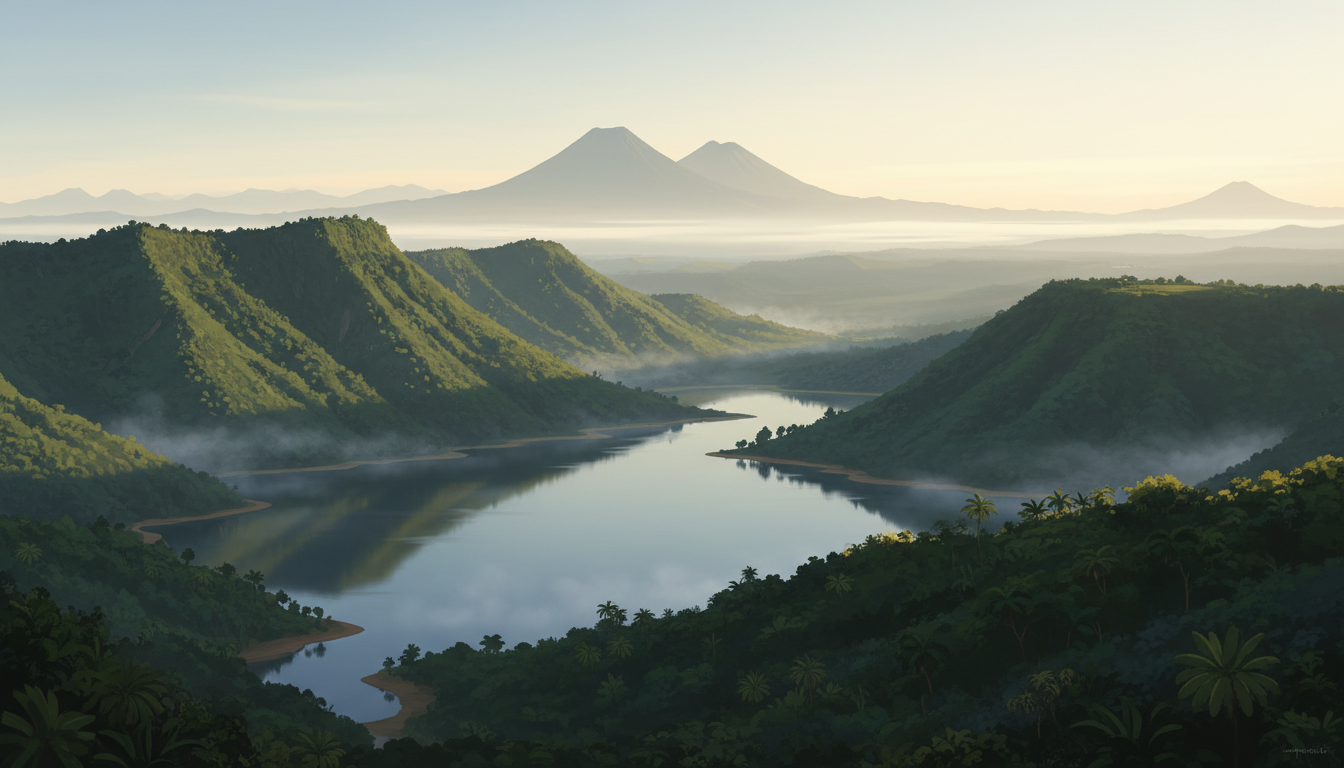
Nyungwe’s montane forest receives substantial rainfall. Drier windows may make hikes and canopy experiences more comfortable, while wetter periods bring mist and intensely green vegetation. Chimpanzee tracking conditions and wildlife behaviour vary, so ask qualified local operators about current trail conditions rather than assuming one month is universally best.
Best time for Akagera safaris
Akagera’s savanna and wetland habitats differ markedly from Rwanda’s western forests. Drier weather can make some game drives and roads easier. Birdwatching and lakeside landscapes can be rewarding at other times. Wildlife sightings depend on many factors and should never be promised.
Lake Kivu and Kigali
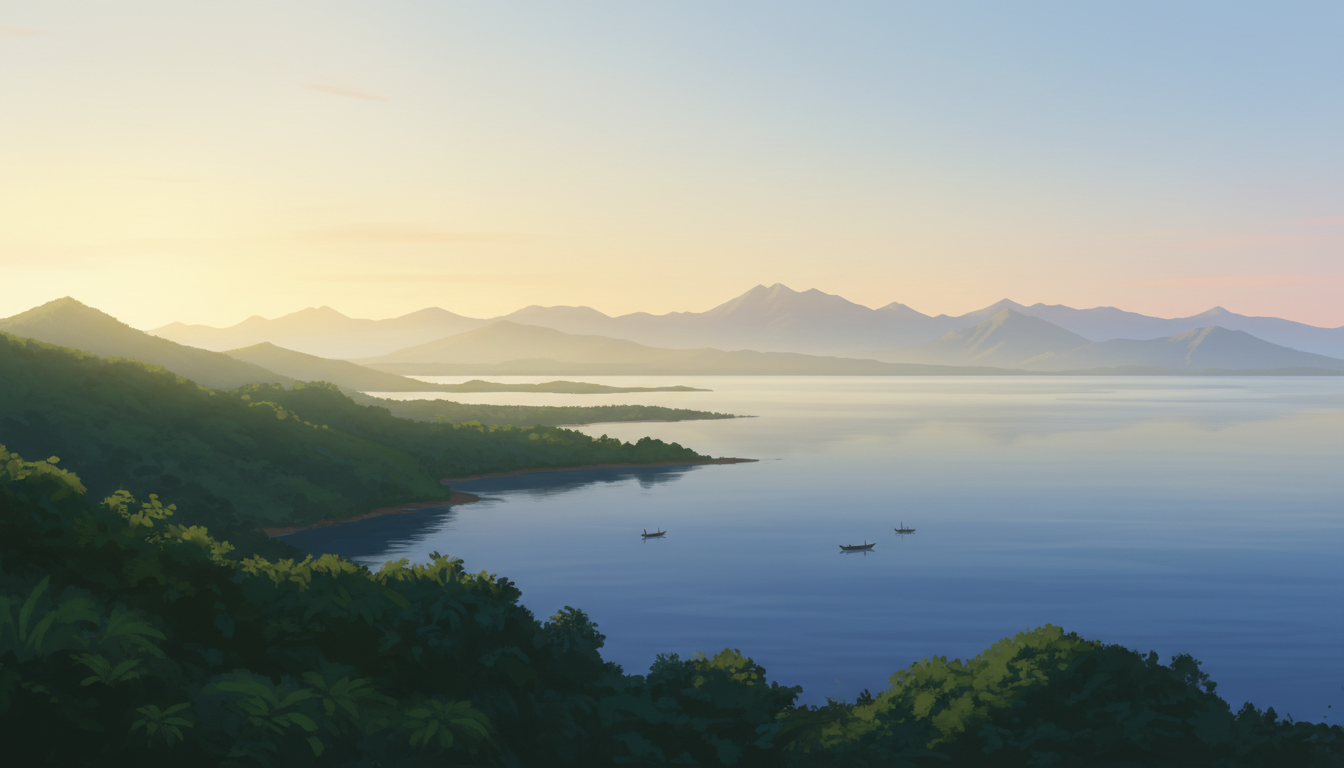
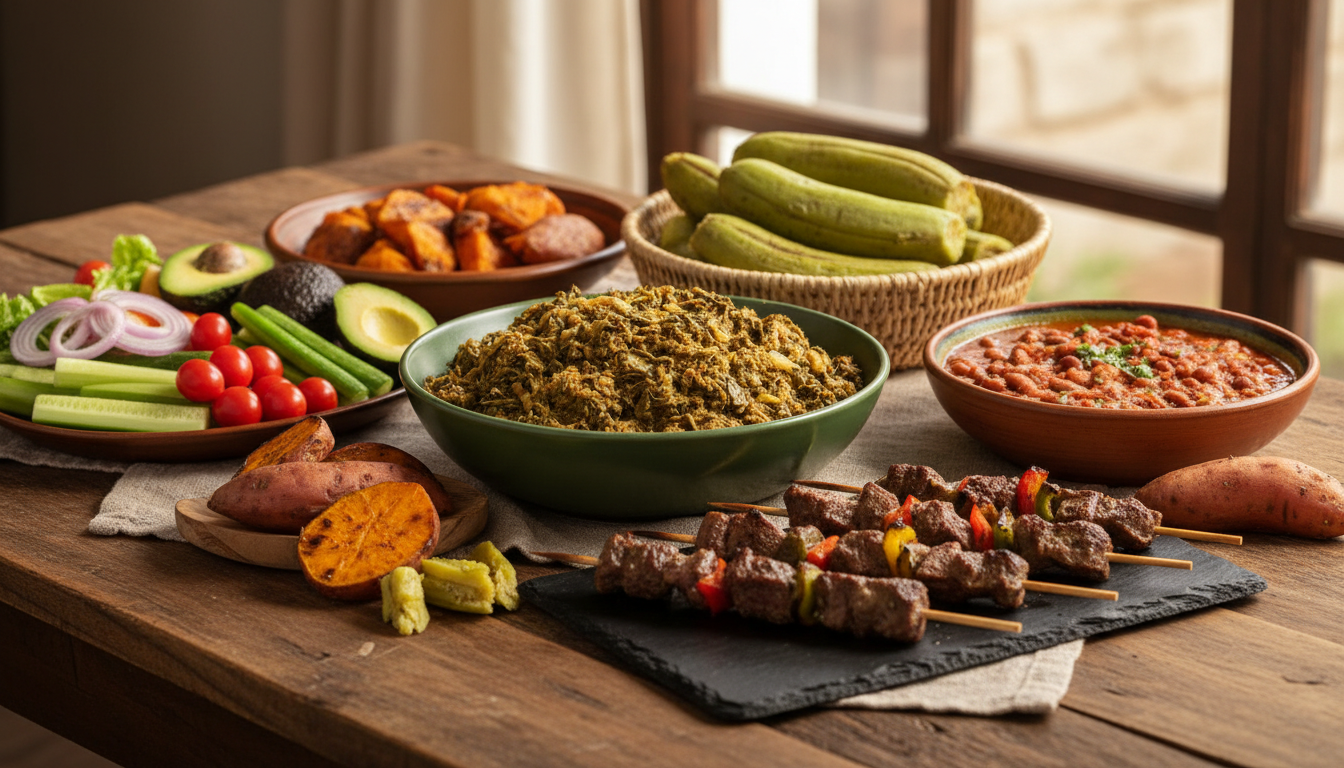
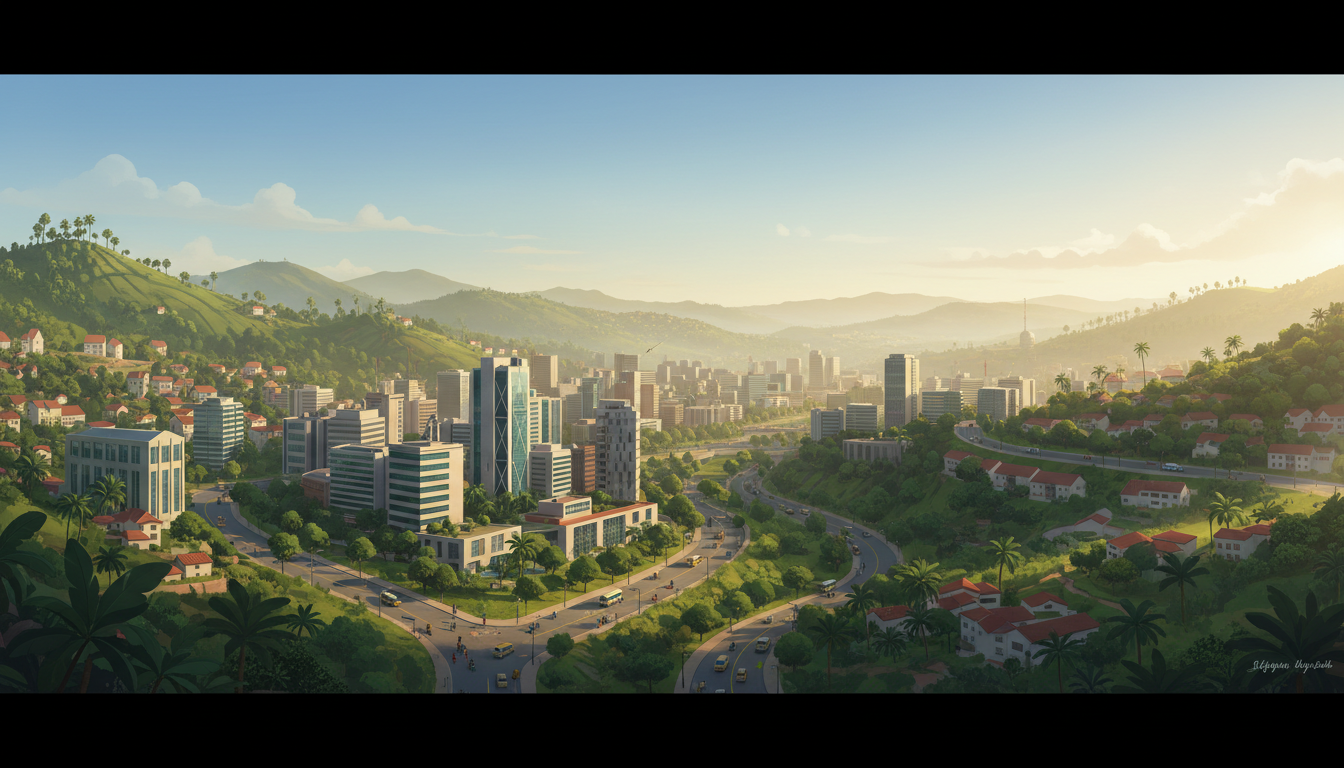
Kigali’s museums, galleries and food culture can be explored throughout the year with adjustments for rain. Lake Kivu towns such as Rubavu and Karongi are also year-round destinations, although storms can affect water activities. Choose reputable operators and check local conditions before boating or swimming.
Permits, crowds and costs
High-demand trekking periods can mean less permit availability and higher accommodation costs. Quieter months may offer flexibility, but discounts are not automatic and permit policies change. Confirm current rates directly with official park authorities and avoid relying on old online price lists.
What to pack for every season
Pack waterproof walking shoes, a lightweight rain jacket, sun protection, layers for cool mornings, and appropriate insect precautions. Forest treks can require sturdy boots and gloves. Keep valuables and documents protected from moisture. Check the latest health and entry requirements before travel.
Sources and related reading
For climate information see Visit Rwanda; for current security and entry considerations read UK government travel advice. Continue with our Rwanda travel guide, 15 places to visit in Rwanda, and Kigali city guide.
Discover more from NewsNation Online
Subscribe to get the latest posts sent to your email.
आपके लिए सुझाव












Leave a Reply