

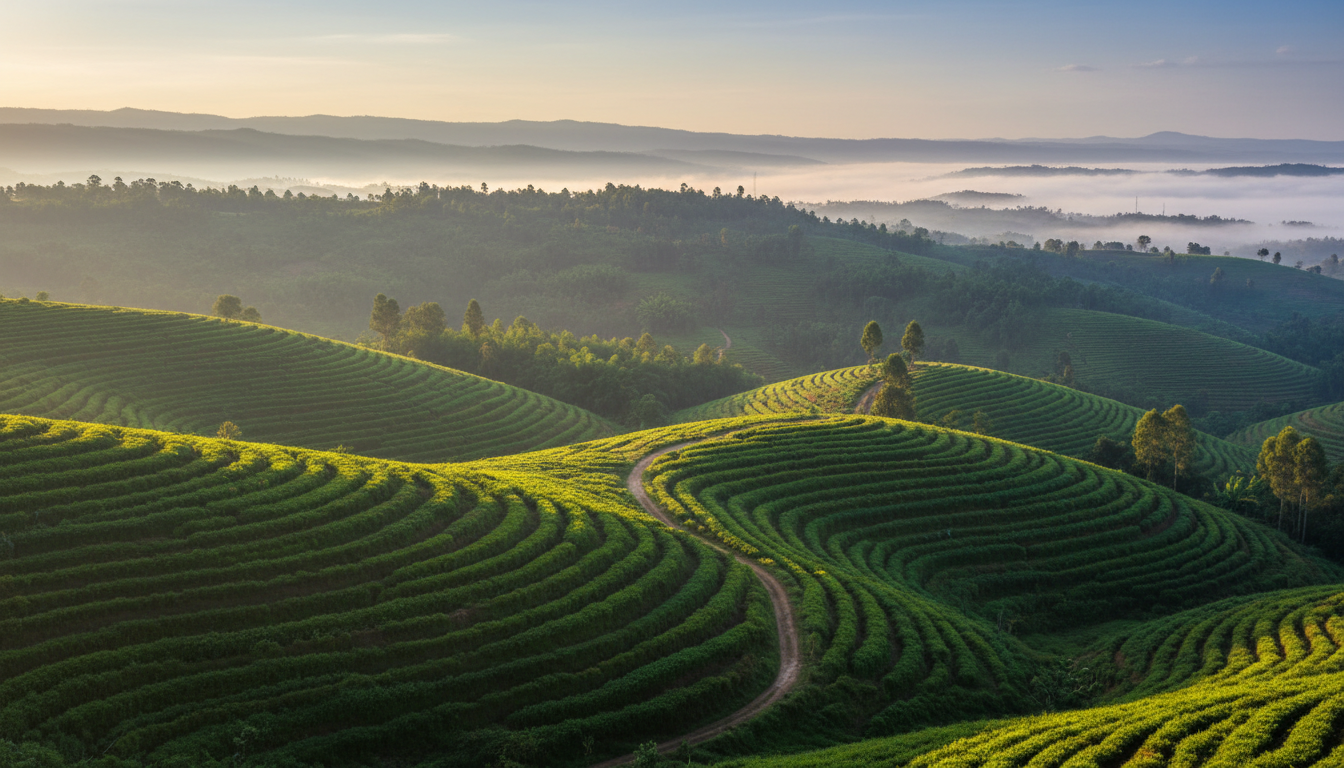
Burundi’s lesser-known landscapes range from misty highlands and working lakeshore communities to forests, waterfalls and cultural heritage sites. This guide highlights places and experiences that deserve thoughtful attention, without suggesting that remote travel is automatically safe or that every site is open to visitors.

1. The quieter shores of Lake Tanganyika
Away from the better-known urban waterfront, the lake’s Burundian shoreline includes fishing settlements and working landscapes. These are living communities, not undeveloped tourist playgrounds. Seek locally arranged visits, respect landing sites and avoid disrupting livelihoods.
2. Rumonge and its surrounding landscapes
Rumonge, south of Bujumbura, offers a view of lakeside commerce and agricultural connections. Rather than expecting a conventional resort destination, visitors should research current accommodation, transport and security conditions carefully.
3. The central highland countryside
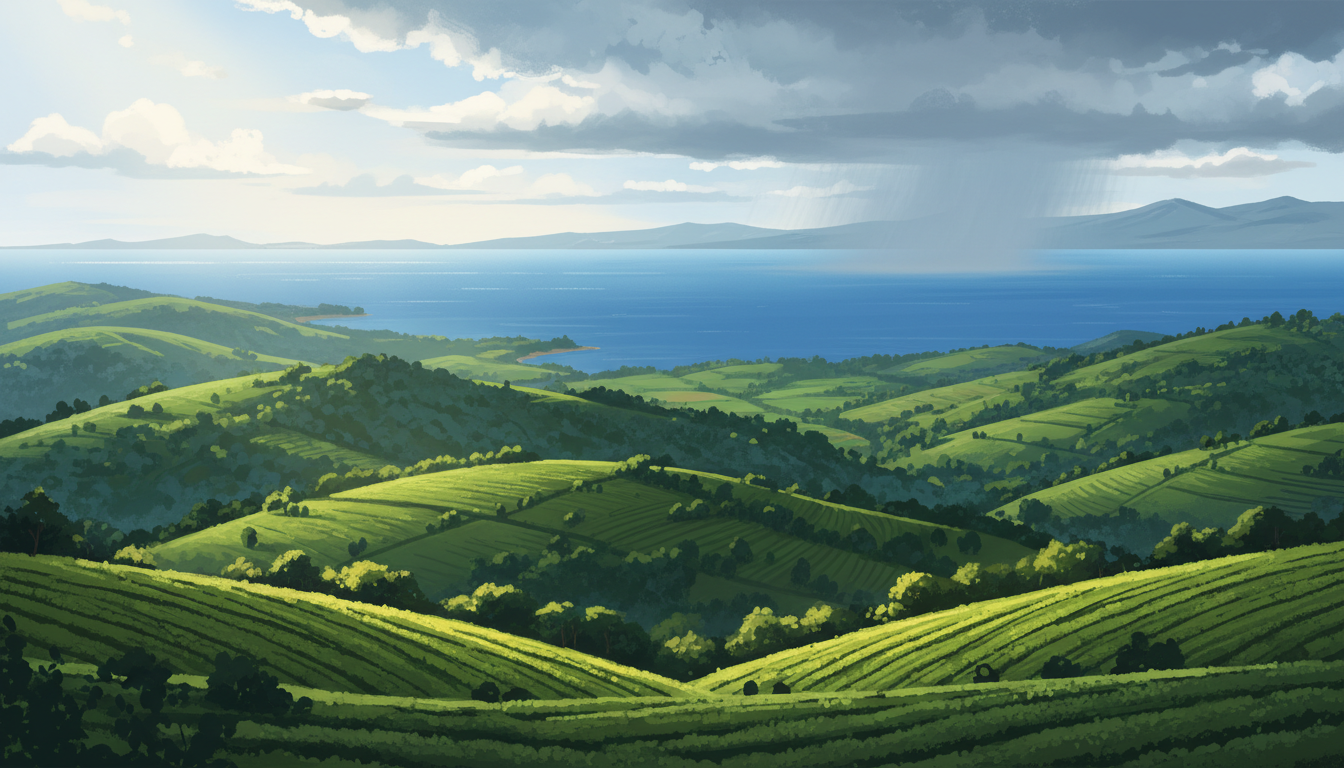
Burundi’s hills are shaped by dense settlement and agriculture. Their appeal lies in landscape and everyday life, but fields and homes are private spaces. Community-led experiences are preferable to uninvited walks through villages.
4. Gishora beyond a quick photo stop
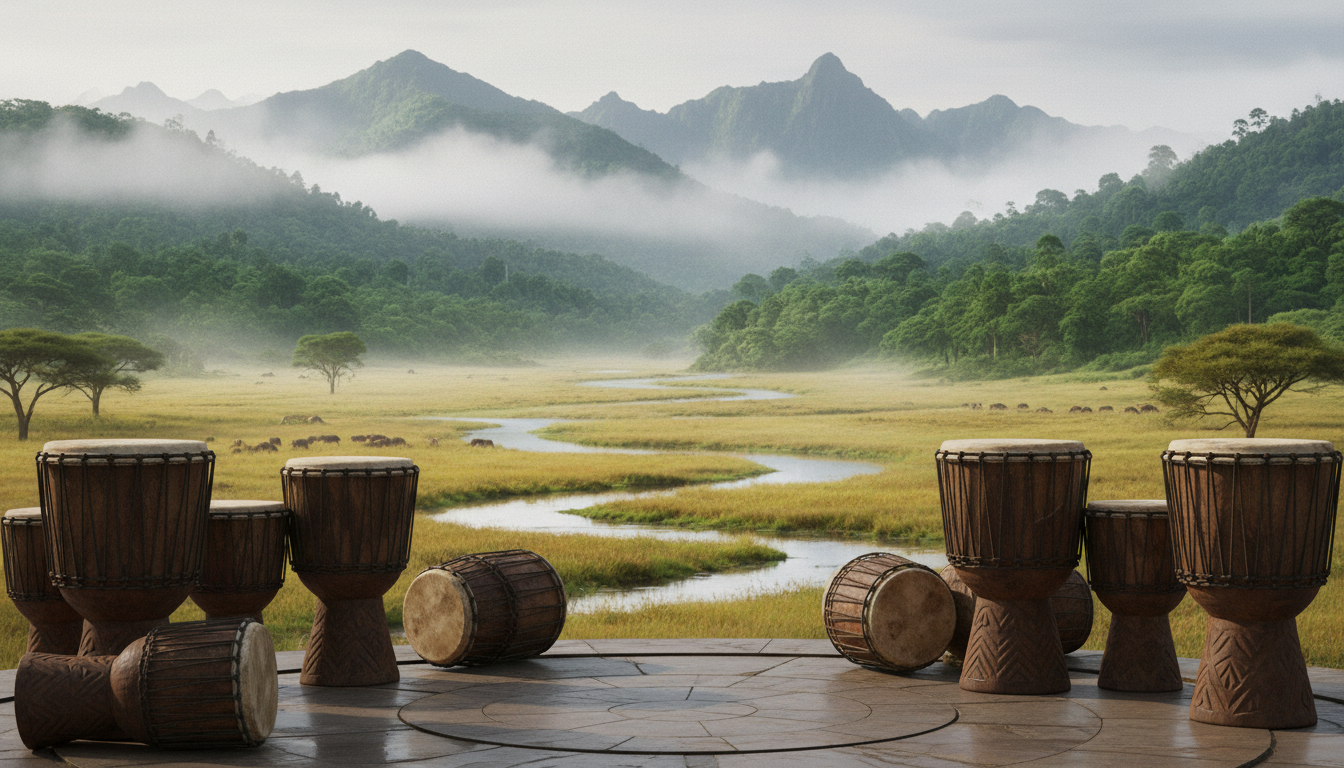
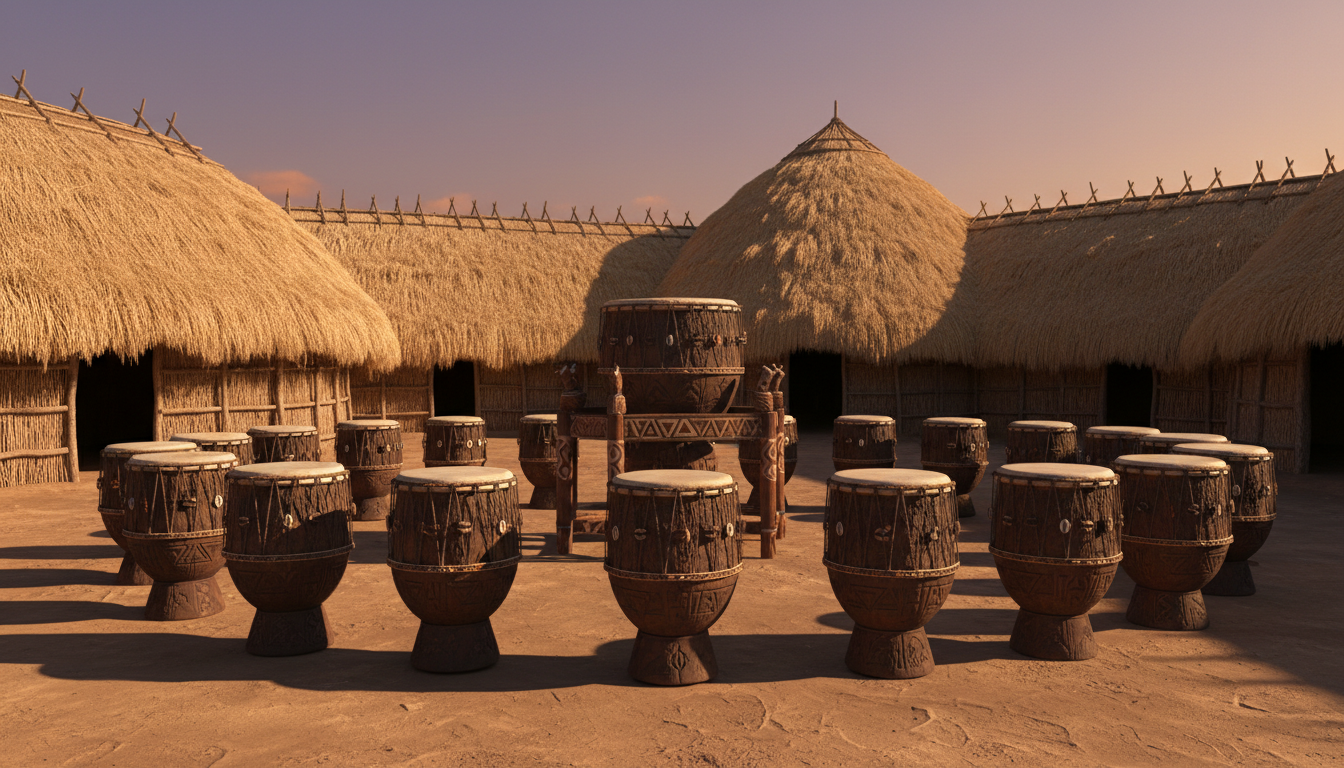
The royal drum heritage associated with Gishora near Gitega deserves more than a brief performance clip. Learn about the ceremonial context, the role of custodians and why intangible cultural heritage is not the same as a UNESCO World Heritage Site designation.
5. Karera Waterfalls and their setting
Karera’s cascades are among Burundi’s striking natural features. The surrounding environment changes with rainfall. Access arrangements, path conditions and local safety advice should be checked before a visit.
6. The forest margins of Kibira
Kibira’s montane forests are important for biodiversity and water systems. A responsible visit requires authorised arrangements, guides where required and careful attention to current security guidance. Forest wildlife should never be approached or fed.
7. Teza’s tea-growing landscapes
Tea cultivation contributes to the scenery and economy of Burundi’s highlands. Viewing a working agricultural landscape is different from entering a plantation or factory: request permission and avoid obstructing workers.
8. Bururi’s wooded highlands
The Bururi area is associated with forest habitats and elevated scenery. Access to protected sites may be restricted or subject to permits. Seek updated information rather than relying on an old online itinerary.
9. Ruvubu’s eastern ecosystems
Ruvubu National Park represents a different ecological setting from the western highlands, with river and savanna habitats. Visitor infrastructure and access can vary, so do not assume independent safari-style travel is available.
10. Ngozi and northern town life
Ngozi provides a perspective on Burundi beyond its main lakeside city. Markets and surrounding agricultural landscapes reflect everyday regional life. Ask before photographing individuals and respect local customs.
11. Mwaro and central Burundi
The central region around Mwaro is a reminder that the country’s geography is not defined only by the lake. Hills, farms and regional routes offer context, but a journey should be guided by current road and safety conditions.
12. The Rusizi wetland environment
Near Bujumbura, Rusizi’s wetland habitats attract interest for birds and aquatic ecosystems. Protected wildlife and waterways require distance and caution. Confirm official access before arranging a trip.
13. Coffee-growing communities
Burundi’s coffee sector links highland farming to international markets. A visit arranged through a legitimate producer group can provide insight into cultivation and processing, but farms and washing stations are workplaces, not automatically open attractions.
14. Traditional craft and market encounters
Textiles, baskets and locally made goods may be found in markets and workshops. Seek information about the maker and fair pricing. Avoid claiming that every item is handmade locally without verification.
15. A slower approach to Gitega
Gitega’s political and cultural role merits time beyond a rushed stop. Local museums and heritage institutions can provide historical context; opening hours and exhibit access should be confirmed before travel.
How to explore lesser-known places responsibly
Choose local guides or community-led operators where appropriate. Confirm permits, opening hours and transport before departing, and obtain consent before photographing people or private property. Plan around realistic road conditions rather than distances alone. For conservation sites, follow official visitor rules and leave no litter.
Safety and access come first
Security conditions in Burundi can change, and official advisories may recommend against travel. Read the UK FCDO Burundi travel advice or your own government’s equivalent before making plans. A destination’s appearance in a travel article is not a statement that visiting it is currently advisable.
Heritage and further reading
For the status of the royal drum tradition, consult UNESCO’s intangible cultural heritage listing. Explore our Burundi destinations overview, seasonal travel guide, Bujumbura city guide and Burundi travel guide.
Discover more from NewsNation Online
Subscribe to get the latest posts sent to your email.
आपके लिए सुझाव













Leave a Reply