

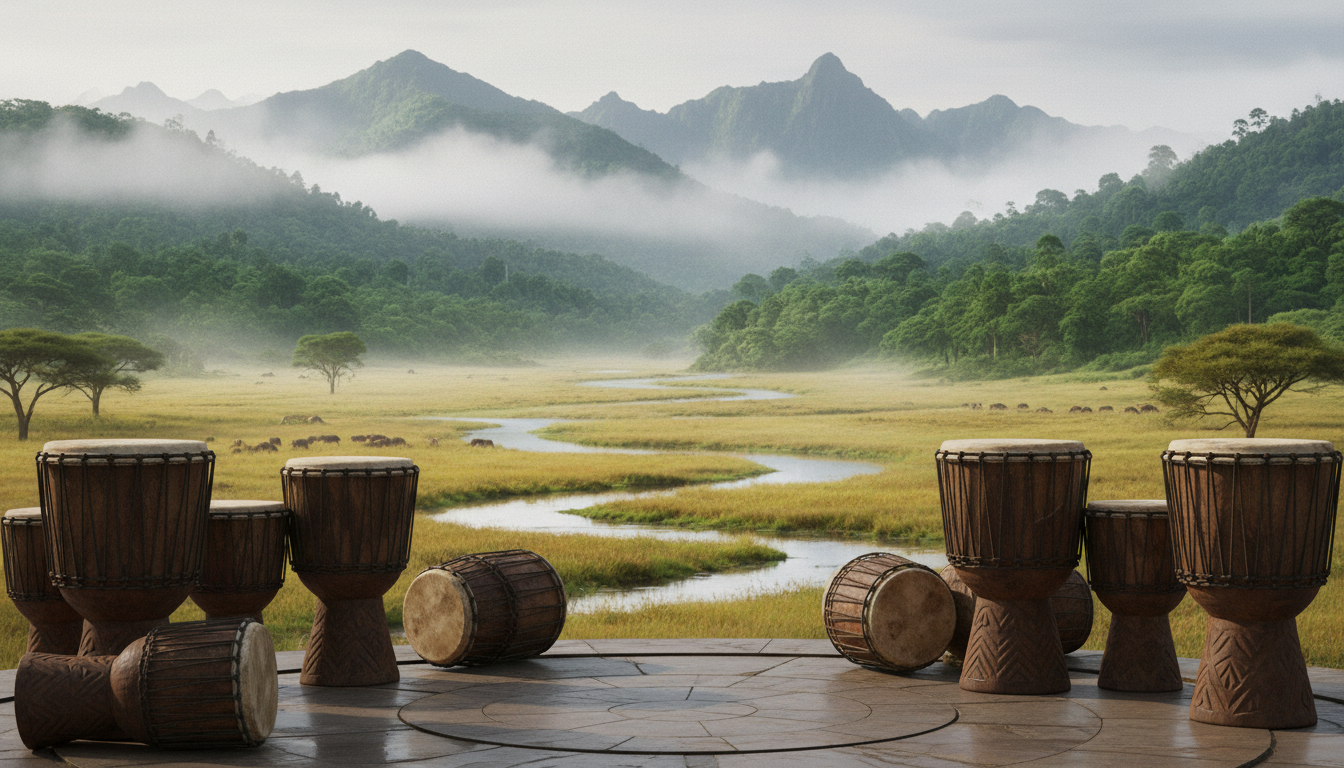

Burundi’s heritage includes internationally recognised royal drumming, historic royal sites, mountain forests, wetlands and remarkable geological landscapes. But there is a crucial distinction: UNESCO recognises the country’s ritual dance of the royal drum as intangible cultural heritage, while Burundi currently has no inscribed UNESCO World Heritage Sites. Ten places appear on the country’s tentative list.

1. Does Burundi have a UNESCO World Heritage Site?
As of November 2026, UNESCO’s World Heritage Centre lists zero inscribed World Heritage properties for Burundi. The country has ten sites on its tentative list. A tentative listing means the state may consider a future nomination; it is not an award of World Heritage status.
2. Burundi’s royal drum dance: recognised living heritage
UNESCO inscribed the ritual dance of the royal drum on the Representative List of the Intangible Cultural Heritage of Humanity in 2014. It combines coordinated percussion with dance, heroic poetry and traditional song. The tradition is passed through practice and education, and UNESCO highlights its role in connecting generations.
3. Gishora Royal Residence
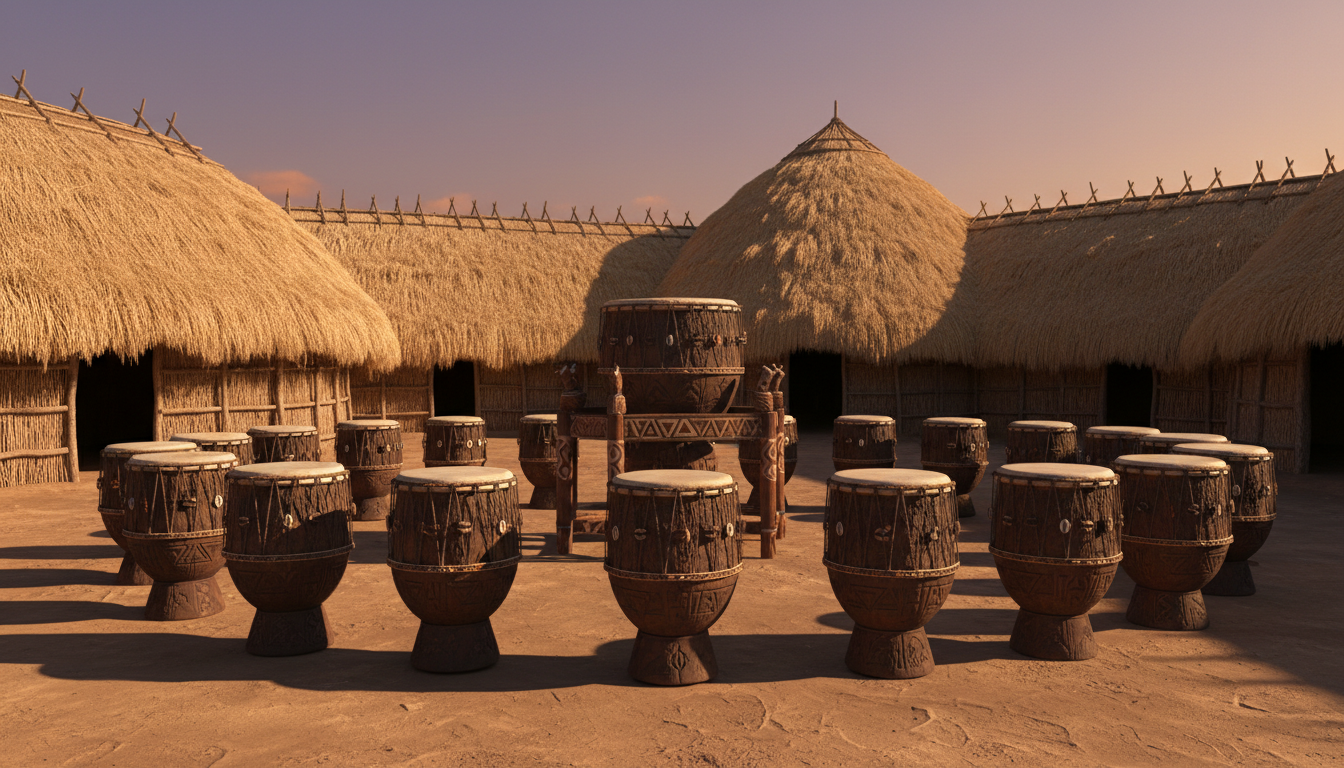
The Royal Residence of Gishora near Gitega is associated with King Ntare Rugamba and the Umuganuro sorghum-sowing tradition. UNESCO’s tentative-list description discusses the layout of the royal courts and the sanctuary of sacred drums. Its inclusion on the tentative list in February 2026 does not make it an inscribed World Heritage Site.
4. Kibira National Park
Kibira protects montane forest landscapes in northwestern Burundi. Such forests support biodiversity and play a role in regional water systems. The park appears on Burundi’s 2026 tentative list, but a UNESCO tentative listing should not be confused with international certification of visitor safety or accessibility.
5. Ruvubu National Park
Ruvubu represents important river and savanna ecosystems in eastern Burundi. It is among the sites included on the country’s 2026 World Heritage tentative list. Wildlife presence and the possibility of seeing animals vary; visitors should not expect a conventional safari product without confirming current access and authorised services.
6. Lake Tanganyika
One of Africa’s great lakes, Tanganyika is significant for freshwater ecosystems, fisheries and communities along its shores. Burundi included the lake on its 2026 tentative list. Environmental importance does not imply that all lakeshore areas are suitable for swimming or recreation.
7. Karera Waterfalls
Karera’s waterfalls and surrounding landscapes feature on the country’s tentative list. Rainfall affects water flow and walking conditions. Any visit should account for local access requirements, slippery terrain and the need to respect protected areas.
8. Nyakazu Fault
The Nyakazu geological landscape is another entry on the 2026 tentative list. Its dramatic terrain helps illustrate Burundi’s geological diversity. Remote viewpoints can involve uneven roads and exposed ground, making up-to-date local information essential.
9. Northern Lakes of Burundi
The northern lake landscapes, including wetlands and bird habitats, were included in Burundi’s 2026 tentative-list submissions. These are ecological environments with local livelihoods, not simply photographic backdrops. Visitors should avoid disturbing wildlife or entering restricted wetland areas.
10. Rusizi Nature Reserve
The Rusizi reserve is on the tentative list and contains sensitive wetland and river habitats. Conditions near the border and in parts of the Rusizi area can be subject to serious travel warnings. Conservation significance does not override security advice.
11. Sacred landscapes of Muramvya, Mpotsa and Nkiko-Mugamba
These landscapes have been on the tentative list since 2007. They illustrate how natural features, local belief systems and historical memory can intersect. Cultural meaning should be presented through the perspectives of relevant communities rather than as an exotic spectacle.
12. Gasumo and the southernmost Nile-source tradition
Gasumo is identified on Burundi’s tentative list in relation to the southernmost source of the Nile. The broader question of the Nile’s most distant source involves geographical definitions and competing claims. It is more accurate to describe the site as part of a source tradition than as an uncontested single origin.
13. What UNESCO tentative status actually means
A tentative list is an inventory submitted by a country of properties it may nominate. Nomination, expert evaluation and a decision by the World Heritage Committee are separate later stages. The existence of a tentative-list entry is important but should never be labelled a completed UNESCO World Heritage inscription.
14. How protected-area travel differs from ordinary sightseeing
Protected areas may require permits, approved guides or advance coordination. Conditions can change because of conservation rules, weather, transport and security. Always check with the responsible authority and do not assume a site mentioned in a travel article is currently open.
15. Why conservation and communities matter
Heritage protection depends on ecological stewardship and the participation of people who live near cultural and natural sites. Responsible coverage should recognise land use, livelihoods, conservation needs and the rights of tradition bearers, rather than treating landscapes and ceremonies as products for visitors alone.
UNESCO status at a glance
| Heritage category | Burundi status | What it means |
|---|---|---|
| World Heritage List | 0 inscribed properties | No physical site currently holds this designation |
| World Heritage tentative list | 10 properties | Potential future nominations, not inscriptions |
| Intangible Cultural Heritage | Ritual dance of the royal drum (2014) | International recognition of a living cultural practice |
Primary sources and responsible travel
See UNESCO’s Burundi World Heritage country profile, Burundi’s tentative-list entries and UNESCO’s royal drum dance record. For a cultural perspective, consult Burundi’s tourism information on Gishora. Current security conditions and travel restrictions must be assessed using official government travel advice; this guide does not recommend entering any restricted area.
Explore more of Burundi
Read our Burundi culture and history guide, hidden gems overview, seasonal planning guide and 15 places to know in Burundi.
Discover more from NewsNation Online
Subscribe to get the latest posts sent to your email.
आपके लिए सुझाव














Leave a Reply