


Burundian food is rooted in everyday staples—especially beans, maize, cassava and plantains—alongside fish from Lake Tanganyika and regional vegetables. Rather than inventing a single national menu, this guide explores 15 foods and culinary themes that help travellers understand how meals vary across homes, markets and restaurants.

1. Beans: a daily staple
Beans are central to many home meals in Burundi. They may be simmered and served alongside a starch such as maize porridge, rice, cassava or plantain. Preparation varies with household resources, season and local preferences. A plate of beans can reveal more about everyday food culture than a rare ceremonial dish.
2. Ugali or stiff maize porridge
A firm porridge made from maize flour is widely familiar across East Africa and eaten in Burundi, often with beans, vegetables or sauce. Names, textures and preparation methods differ by language and region. It is typically eaten as part of a meal rather than presented as a complete dish on its own.
3. Cassava roots and cassava flour
Cassava is an important food crop and can be boiled, dried or processed into flour. Correct processing and cooking are essential because raw or inadequately prepared cassava can contain harmful cyanogenic compounds. Visitors should choose food prepared by experienced cooks rather than experiment with raw roots.
4. Plantains and cooking bananas
Cooking bananas and plantains appear in regional meals, boiled, steamed or prepared in other ways. Their role depends on availability and household traditions. They are different from the sweet dessert bananas many international travellers know.
5. Rice dishes
Rice is served with beans, vegetables, fish or meat in both homes and restaurants. In urban areas, a rice-and-beans meal can be a practical choice for travellers seeking familiar ingredients, though sauces and preparation methods should be checked when dietary restrictions matter.
6. Isombe and leafy vegetables
Cassava leaves, often cooked into a dish called isombe in the wider Great Lakes region, can be part of meals in Burundi. Recipes vary and may include oil or other ingredients. Cassava leaves require proper preparation and thorough cooking; never treat them as an uncooked salad green.
7. Lake Tanganyika fish
Fish is especially relevant around the lake and in Bujumbura. Species, availability and cooking styles vary, from grilled preparations to fish served with starches. Sustainable sourcing and safe storage matter, particularly in warm conditions.
8. Mukeke and regional lake fish
Mukeke is a fish associated with Lake Tanganyika and is often mentioned in discussions of Burundian cuisine. It can be prepared in several ways, including grilling. Restaurant availability is not guaranteed, and travellers should confirm the species and price rather than assume every fish dish is mukeke.
9. Small dried fish
Small fish from the lake may be dried or otherwise preserved and cooked into everyday dishes. Such foods connect cuisine to local fisheries and household preservation practices. Flavour and salt content can vary considerably.
10. Brochettes and grilled meat
Skewered grilled meat, often called brochettes, is found across the Great Lakes region and in Burundi’s urban food scene. Ingredients, marinades and side dishes vary. Ask about cooking temperature and food handling, especially when buying street food.
11. Vegetable accompaniments
Cabbage, greens, tomatoes, onions and other vegetables commonly complement staple foods. Local produce changes by season and market. The balance between vegetables, beans and animal protein differs widely among households; there is no single national plate.
12. Groundnuts and sauces
Peanuts or groundnuts may be used in sauces and preparations across the region. People with nut allergies should ask specific questions, as a dish that looks like a simple vegetable stew may contain groundnut ingredients.
13. Fruit and seasonal produce
Bananas, avocados, pineapples and other fruits may be available depending on location and season. Wash or peel produce carefully and use safe water. Prices and variety vary between city markets and rural communities.
14. Tea and coffee
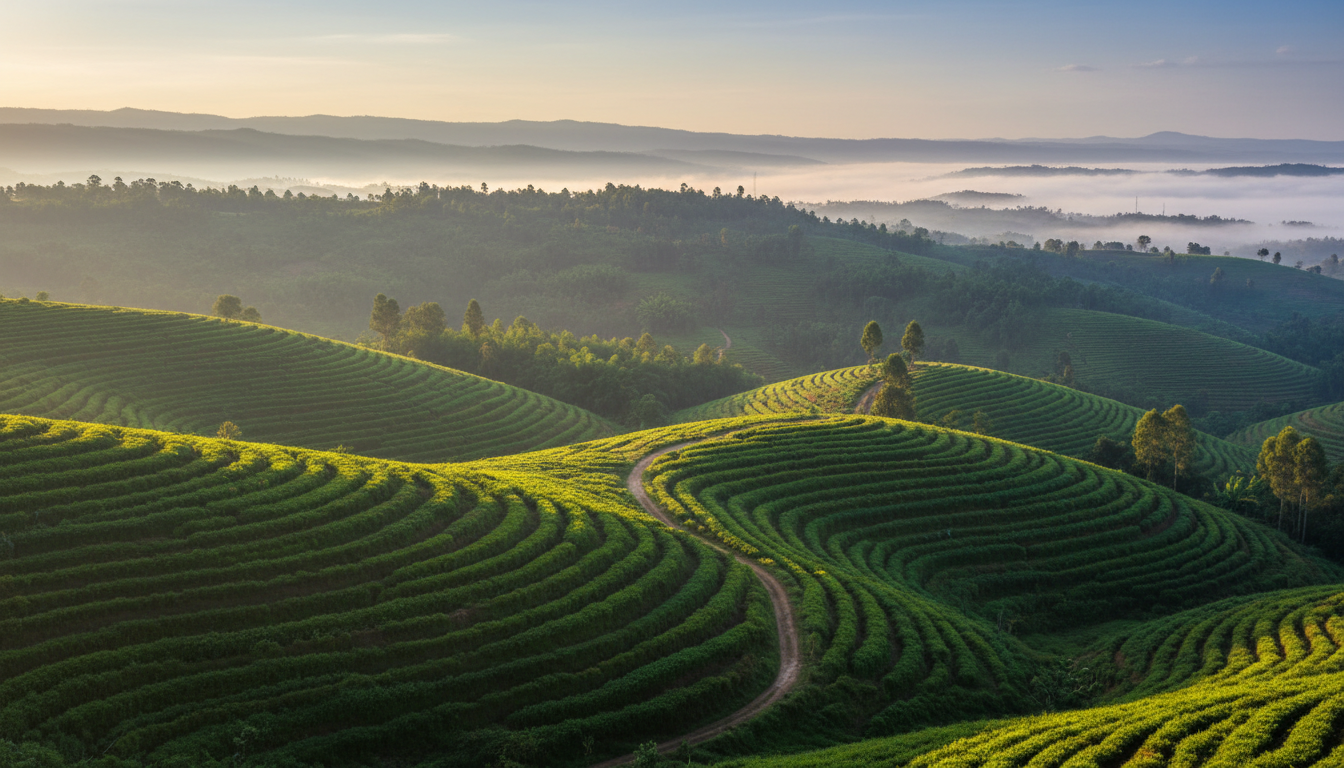
Burundi grows both tea and coffee, important agricultural products that also feature in daily hospitality. Coffee exports do not mean every local establishment offers specialty brewing. Seek information about farmers and sourcing when buying packaged coffee.
15. Eating respectfully and safely
Ask before photographing cooks or diners, and remember that home cooking, restaurant menus and ceremonial meals are not interchangeable. Check food hygiene, drinking water and dietary ingredients. A good food experience involves curiosity and respect rather than treating local meals as exotic challenges.
What should a first-time visitor try?
Start with a freshly prepared beans-and-starch meal, then explore seasonal vegetables and a well-cooked lake fish dish if available. Ask about ingredients, spice levels and preparation rather than relying on translated menu labels alone. In Bujumbura, restaurant choices can differ significantly from those in smaller towns.
Food culture is more than a list of dishes
Meals reflect farming, fisheries, trade, family life and access to ingredients. Recipes cross national borders around the Great Lakes, so claims that every dish originated in one country should be treated cautiously. The most meaningful food stories often come from cooks and producers themselves.
Continue exploring Burundi
See our Bujumbura city guide, 15 places to know in Burundi and Burundi travel overview. For food-safety advice, consult the World Health Organization’s food safety resources. Before travelling, review current official travel advice.
Discover more from NewsNation Online
Subscribe to get the latest posts sent to your email.
आपके लिए सुझाव














Leave a Reply