


Bujumbura is Burundi’s lakeside commercial heart, with a distinctive mix of markets, food, music and waterfront landscapes. This city guide explains what visitors should know about its history, culture and practical logistics—while recognising that current travel advisories and local conditions must guide any decision to visit.

1. Why Bujumbura matters
Bujumbura is Burundi’s largest city and its principal commercial centre, set beside the northeastern shore of Lake Tanganyika. It was formerly the national capital; Gitega became the political capital in 2019. This distinction matters when planning official appointments, researching institutions or reading older travel guides. The city remains central to business, transport and much of the country’s urban cultural life.
2. Lake Tanganyika waterfront
The lake shapes Bujumbura’s geography, climate and daily rhythms. Its immense depth and biodiversity make it more than a scenic backdrop: fishing, trade and shoreline communities depend on it. Visitors should distinguish publicly accessible waterfront areas from private facilities, working ports and protected habitats. Swimming and boating conditions should be checked locally rather than assumed safe.
3. City history and changing identities
The city developed significantly during the colonial era and continued changing after Burundi’s independence in 1962. Its built environment reflects commercial expansion, political upheaval and generations of residents adapting urban spaces. A responsible city guide avoids reducing this complicated history to a single colonial landmark or conflict narrative.
4. Markets and everyday commerce
Markets offer a window into food, textiles, household goods and regional trade. Their operating arrangements and locations can change, so confirm current access with a local contact or accommodation provider. Ask permission before taking close-up photographs of vendors, and keep cash and valuables secure in crowded areas.
5. Food and local flavours
Burundian meals often feature beans, cassava, plantains, maize and other locally available ingredients. Lake fish can appear on menus, but availability depends on season, supply and establishment. Look for clean food preparation, ask about ingredients if you have allergies and avoid assuming that every restaurant serves the same regional dishes.
6. Coffee culture
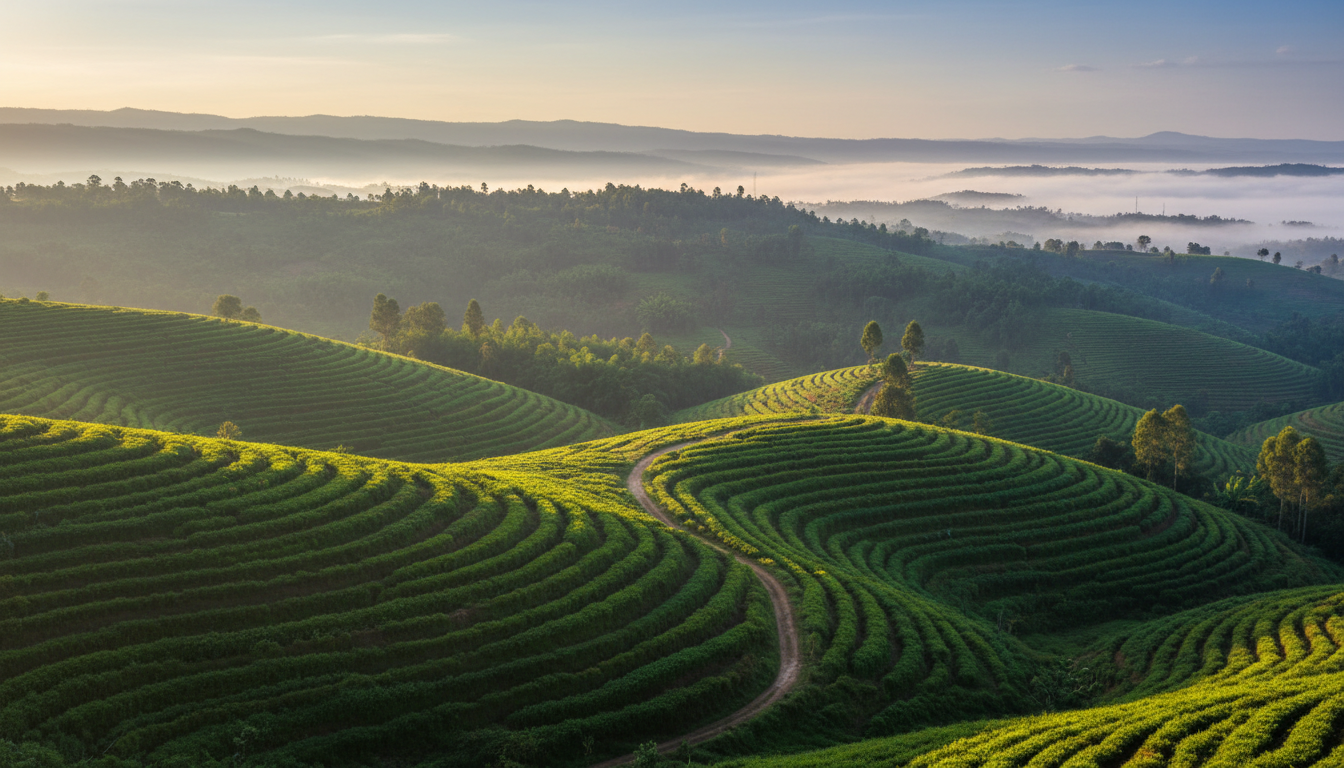
Burundi is known internationally for coffee grown in its highlands. In Bujumbura, coffee can connect visitors to a wider story of farming, processing and exports. When purchasing beans, look for information about origin and producers rather than treating a broad country label as a guarantee of quality or farmer income.
7. Music and social life
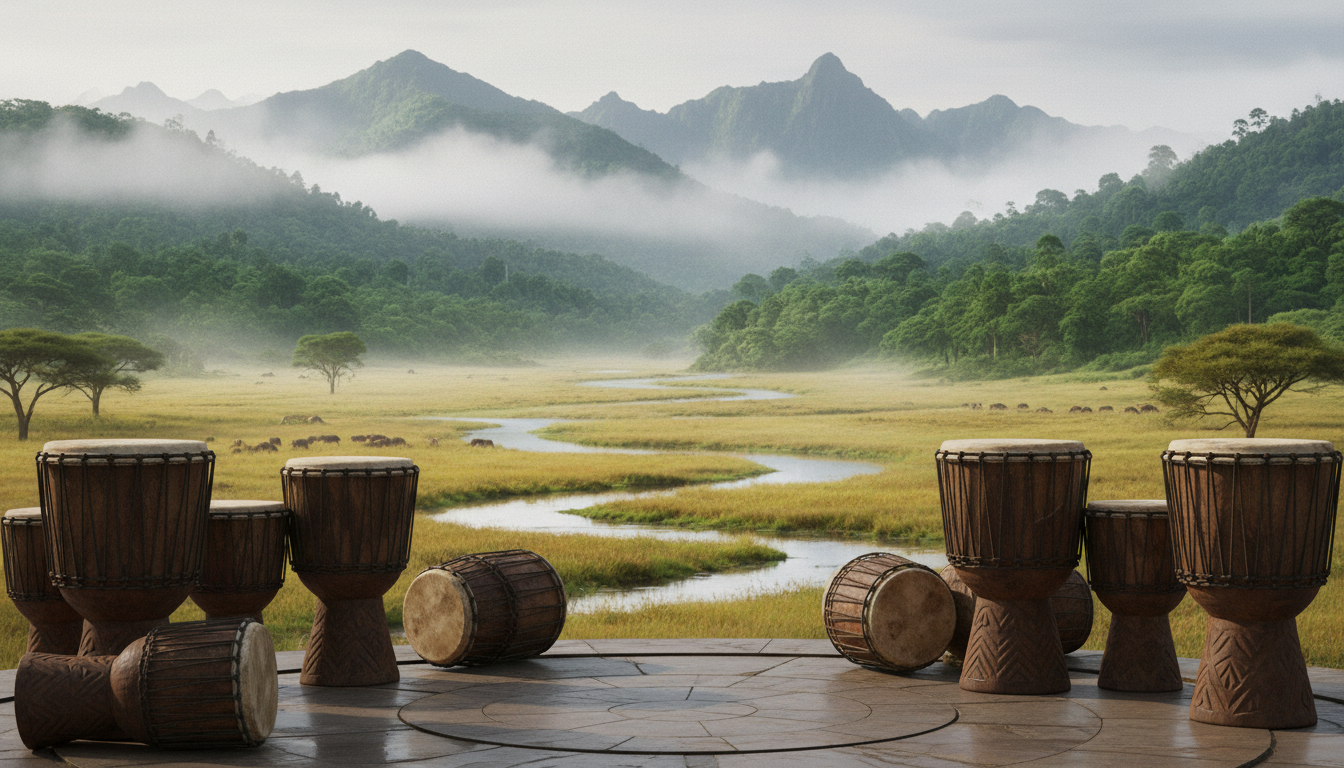
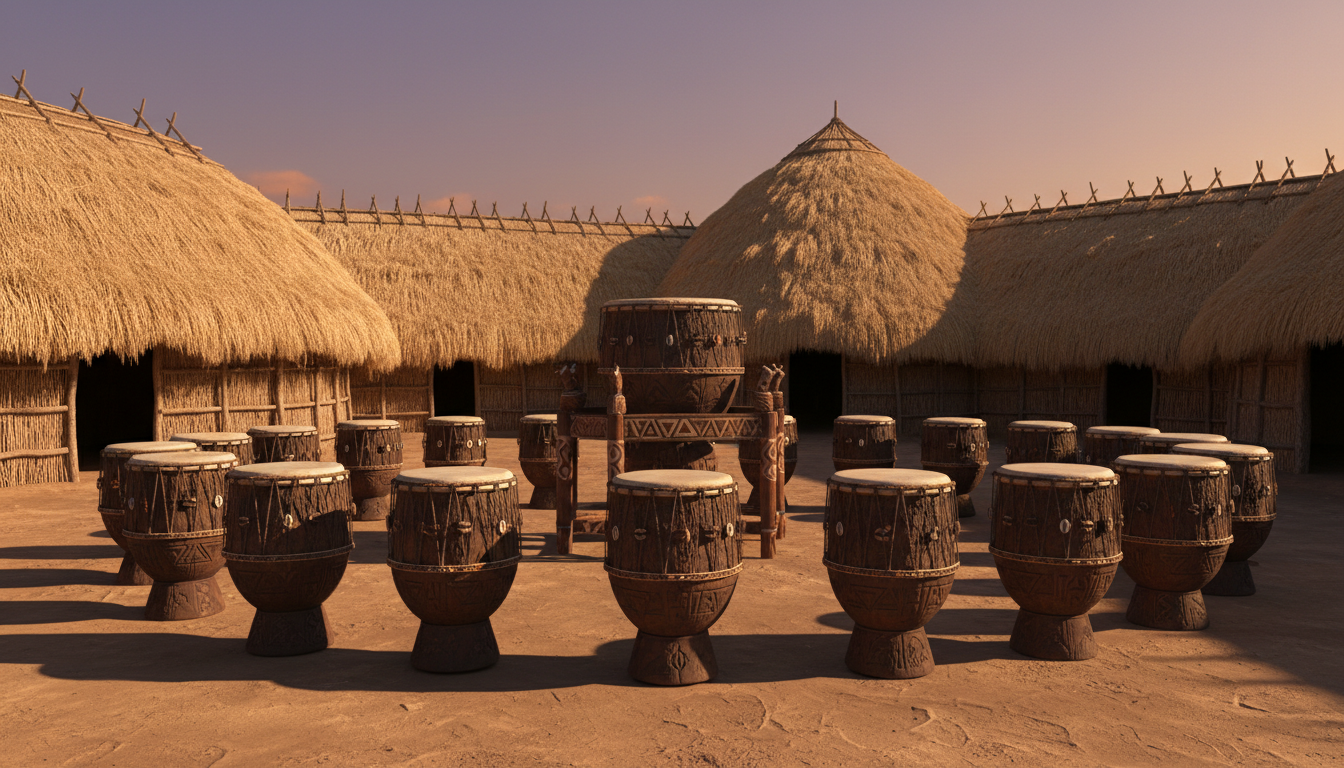
Burundi’s musical traditions include distinctive drumming, while contemporary urban music draws on a variety of regional and global styles. The royal drum tradition is associated especially with ceremonial heritage and Gishora near Gitega, not exclusively with Bujumbura. Check the legitimacy and cultural context of performances before attending.
8. Rusizi wetlands nearby
Rusizi National Park protects important wetland and river habitats in the wider Bujumbura area. Birdlife and aquatic ecosystems are a major draw, but visitor access, guiding arrangements and security conditions should be verified with authorised local sources. Keep a respectful distance from wildlife and do not enter waterways without guidance.
9. Day trips beyond the city
Some travellers use Bujumbura as a base for selected lakeshore stops or nearby landscapes. Road quality, travel times and access conditions may differ considerably from map estimates. Remote excursions should not be planned solely on the basis of old itineraries or social-media photographs.
10. Understanding transport
Arrange airport transfers and longer journeys with a reputable provider. Confirm the fare, vehicle, luggage space and pickup location in advance. For shorter trips, ask your accommodation about currently reliable transport options. Night travel may involve additional risks, and local advice should take precedence over a rigid schedule.
11. Accommodation choices
Hotels and guesthouses differ in security arrangements, backup power, internet reliability and proximity to business districts or the waterfront. Compare what is actually included in the rate. A lower headline price may not represent better value if essential services, transport or cancellation flexibility are missing.
12. Languages and communication
Kirundi is central to daily life, while French, English and Swahili may be encountered in different contexts. Do not assume that every driver, vendor or guide speaks English. A few polite greetings, clear written addresses and an offline translation option can make routine interactions easier.
13. Money, mobile access and practicalities
Burundi uses the Burundian franc. Cash access, card acceptance and mobile connectivity can vary, so confirm arrangements before arrival and keep more than one appropriate payment option. Avoid carrying large visible sums and use trusted channels for currency exchange.
14. Safety and changing conditions
Travel advisories for Burundi can include serious security concerns and restrictions. Check your government’s latest guidance, particularly for border areas and travel after dark, and assess whether a trip is appropriate at all. Conditions can change faster than evergreen travel articles can be updated.
15. Responsible city travel
Support locally owned services where practical, seek consent for photography and treat places of worship, memorials and working communities with respect. Avoid portraying residents as attractions. Thoughtful tourism depends on listening to local perspectives and understanding that the city is home first and a destination second.
How to plan a Bujumbura visit
Begin with the latest security and entry guidance, then confirm transport and accommodation. Build an itinerary around a few meaningful experiences instead of trying to cover every site in a day. Lake activities, park visits and trips outside the city require particular attention to authorised access, weather and current local conditions.
For a broader overview, see our Burundi travel guide and 15 places to know in Burundi. Readers exploring neighbouring countries can also consult our Rwanda guide.
Sources to check before travelling
Consult the UK Foreign, Commonwealth & Development Office travel advice or the equivalent official advice from your government. For the heritage context of Burundian drumming, see UNESCO’s royal drum tradition entry. Opening hours, local fees and transport availability should be confirmed directly with operators.
Discover more from NewsNation Online
Subscribe to get the latest posts sent to your email.
आपके लिए सुझाव













Leave a Reply