

WASHINGTON, November 23, 2026 — US authorities have disclosed a major disruption of an alleged North Korean cyber operation that used deceptive video meetings to steal cryptocurrency and target software developers. The Justice Department said on November 12 that its actions included seizing cloud infrastructure used in the campaign, dubbed FaceStealer, and separately obtaining court authority to seize or restrain more than $1.2 billion in digital assets stolen from Binance.
The two actions are related by US authorities’ attribution to North Korean cyber operations, but they concern separate schemes. The department says FaceStealer was linked to more than $400 million in cryptocurrency theft over 18 months; that figure should not be confused with the Binance asset restraints.
How the FaceStealer video-call scheme worked
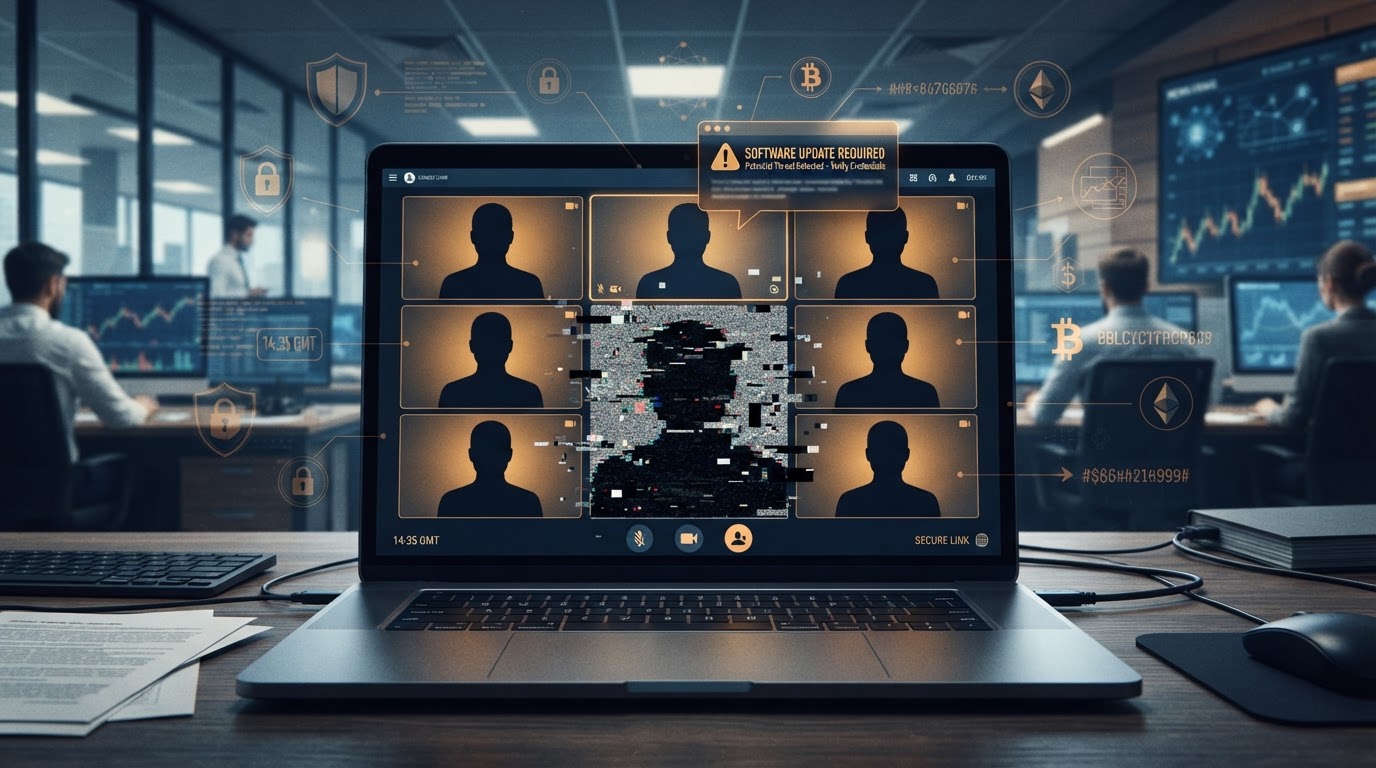
According to the Justice Department, attackers approached cryptocurrency and Web3 professionals using invitations to online meetings, sometimes sent from accounts belonging to previous victims. During the call, they played recordings of familiar contacts or artificial videos of influential industry figures to make the encounter seem authentic.
Also read: Why Did Iran Fire Missiles at US F-16 in Persian Gulf?
Investigators say the attackers then staged an apparent technical problem, such as an audio failure, and directed the participant to install a supposed fix. That installation could actually introduce malicious software, giving the attackers access to the victim’s device, accounts or cryptocurrency holdings.
The FBI said it seized more than 900 webcam videos under a federal warrant during the investigation. Authorities also warned that a compromise could go unnoticed for months and that stolen contact information could help criminals approach additional victims.
Why open-source software developers are at risk
US officials say the same technique has increasingly been directed at people who develop or maintain open-source software. Access to a developer’s computer or repository credentials could potentially expose projects used by many other organizations, creating a supply-chain risk beyond the original target.
This is not a finding that any particular open-source project was compromised. It is a warning about the access attackers allegedly sought. The FBI has published a dedicated FaceStealer information hub with resources for potential victims.
Separate Binance investigation and asset seizures
In another part of its November 12 announcement, the Justice Department attributed an October 29 theft of more than $6 billion in virtual assets from Binance to North Korean military-linked actors known as TraderTraitor. It said public and private partners had frozen more than $2.7 billion and that courts had authorized the seizure or restraint of more than $1.2 billion of those assets.
Freezing or restraining assets does not mean that every dollar has already been recovered and returned to victims. Officials said tracing and forfeiture efforts were continuing, and the FBI had issued an alert to cryptocurrency services about addresses allegedly used to move the stolen funds.
What cryptocurrency users and developers should do
Unexpected video invitations, even from familiar accounts, warrant independent verification. Avoid installing meeting “fixes” supplied through chat links or pop-ups; obtain software updates from the application’s official website. Keep account authentication and device security protections current, and review access to code repositories and digital wallets after any suspicious meeting.
Anyone who believes their device was compromised should disconnect it from sensitive accounts, seek qualified incident-response assistance and report the incident through official channels. The FBI’s Internet Crime Complaint Center provides a reporting route for US victims.
Broader international cybercrime context
The case follows other recent US and international enforcement announcements. NewsNationOnline has separately covered the Gootloader malware disruption, the 8-Digits ransomware extradition case and federal cybersecurity contractor compliance allegations. Those are distinct cases, but together illustrate how attacks on credentials, infrastructure and trusted relationships create risks for organizations and individuals.
Primary source: US Department of Justice announcement, November 12, 2026. This report describes the official allegations and actions as announced; ongoing investigations may produce additional findings.
सीधे अपनी Facebook फ़ीड में पाएँ — News Nation Online पेज को Follow करें।
Discover more from NewsNation Online
Subscribe to get the latest posts sent to your email.
आपके लिए सुझाव


Leave a Reply