
Giorgio Armani: From Runways to a Global Fashion Empire
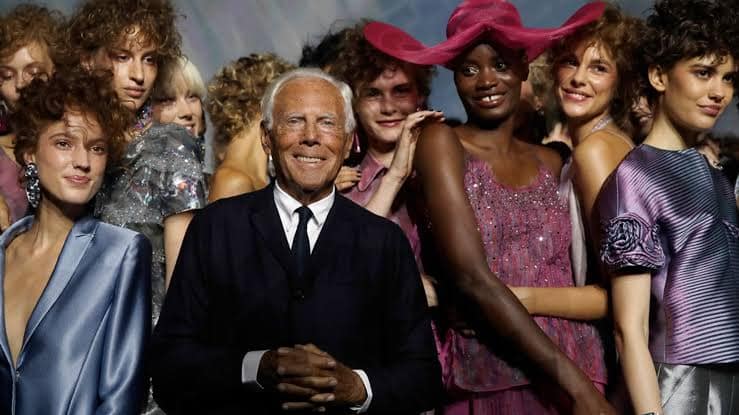
When it comes to luxury fashion, few names command as much respect as Giorgio Armani. Over decades, Armani has built a diversified fashion universe that spans haute couture, ready-to-wear, accessories, fragrances, interiors and hospitality. This article explores Giorgio Armani’s design legacy, the broader Armani brand ecosystem, and the role of Armani Exchange in bringing the label to a youthful, urban audience.
The Visionary Designer: Giorgio Armani
Born in Piacenza, Italy, Giorgio Armani began his fashion career after experience in window-dressing and as a menswear designer. In 1975 he launched Giorgio Armani S.p.A., and almost immediately became known for softer, deconstructed tailoring that contrasted sharply with the rigid silhouettes of the time. His suits—comfortable yet authoritative—helped redefine professional dressing for men and women alike, and cinema appearances (notably in American Gigolo) helped propel the brand to global attention.
The Armani Brand Universe
Armani’s growth strategy focused on diversification and careful brand segmentation. Key labels and business verticals include:
- Giorgio Armani — The flagship luxury line (haute couture, high-end ready-to-wear).
- Emporio Armani — Contemporary, trend-forward collections aimed at younger professionals.
- Armani Exchange (A|X) — Launched in 1991 to provide street-inspired, accessible fashion for a younger demographic.
- Armani Jeans & Armani Casa — Denim and interior design offerings, respectively.
- Armani Hotels & Resorts — A lifestyle extension into luxury hospitality.
Armani Exchange: Accessible, Urban, Contemporary
Introduced in 1991, Armani Exchange was intentionally positioned as an approachable sub-brand. While the Giorgio Armani line targets high-end customers, A|X focuses on street-chic, bold branding and modern casual wear designed for urban youth and trend-conscious shoppers. It bridges luxury heritage with contemporary accessibility—making the Armani aesthetic more inclusive.
Design Philosophy & Legacy
Giorgio Armani is widely credited for:
- Revolutionizing menswear with relaxed, unstructured suits.
- Normalizing power dressing for women—elegant, authoritative silhouettes.
- Maintaining a balance of minimalism and luxury—timeless designs with contemporary relevance.
- Influencing celebrity and red-carpet fashion globally.
How the Labels Differ
In simple terms:
| Label | Positioning | Audience |
|---|---|---|
| Giorgio Armani | High-end, luxury tailoring and couture | Affluent, fashion-forward clientele |
| Armani Exchange | Accessible, street-inspired ready-to-wear | Younger, urban consumers |
Conclusion
From Giorgio Armani’s pioneering tailoring to Armani Exchange’s urban energy, the Armani family of labels demonstrates how a single design philosophy can be adapted across tiers and audiences. The core strengths—Italian craftsmanship, restrained elegance, and a clear brand vision—have kept Armani relevant across decades and markets.

Discover more from NewsNation Online
Subscribe to get the latest posts sent to your email.








































































































Leave a Reply