

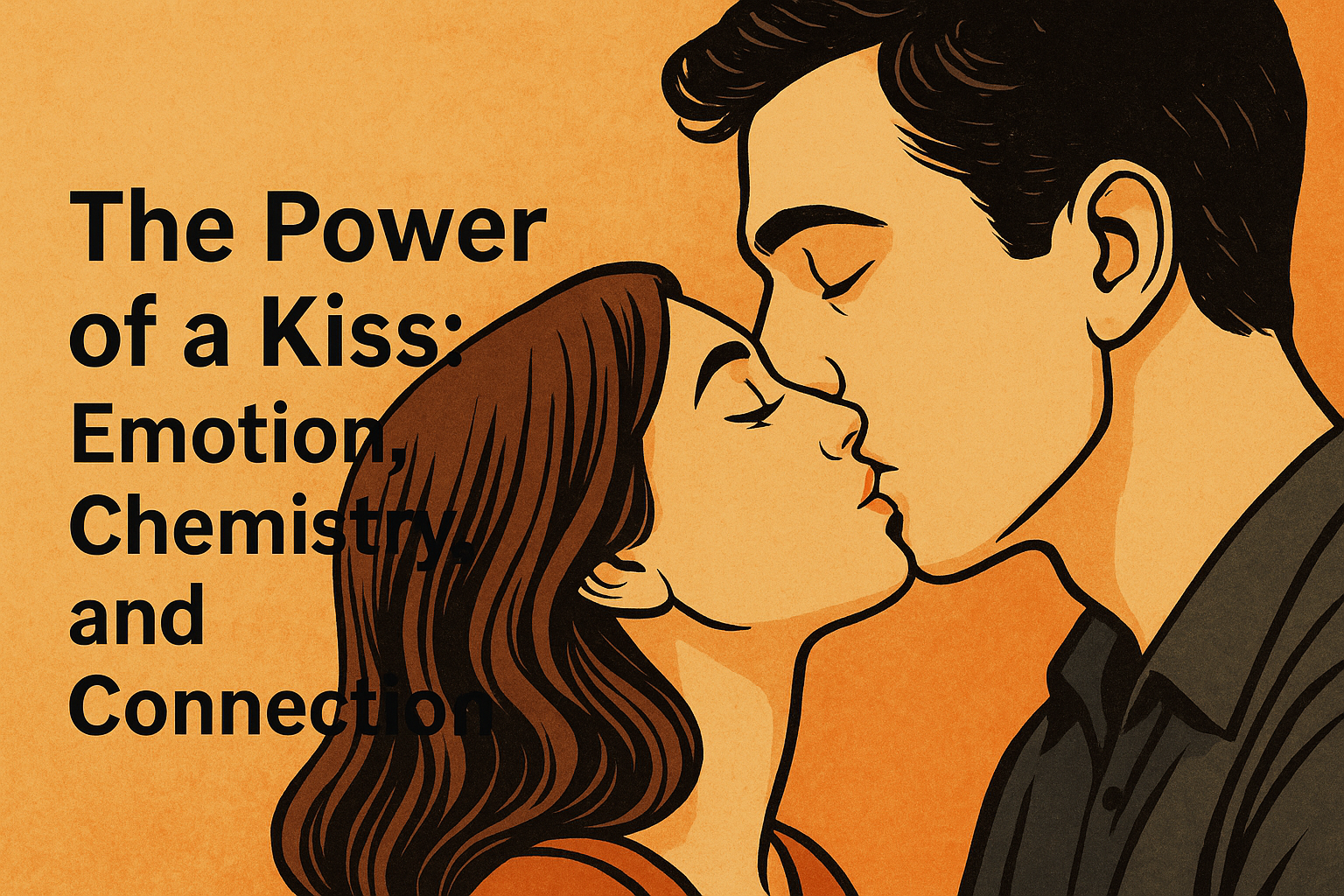
The Power of a Kiss: Emotion, Chemistry, and Connection

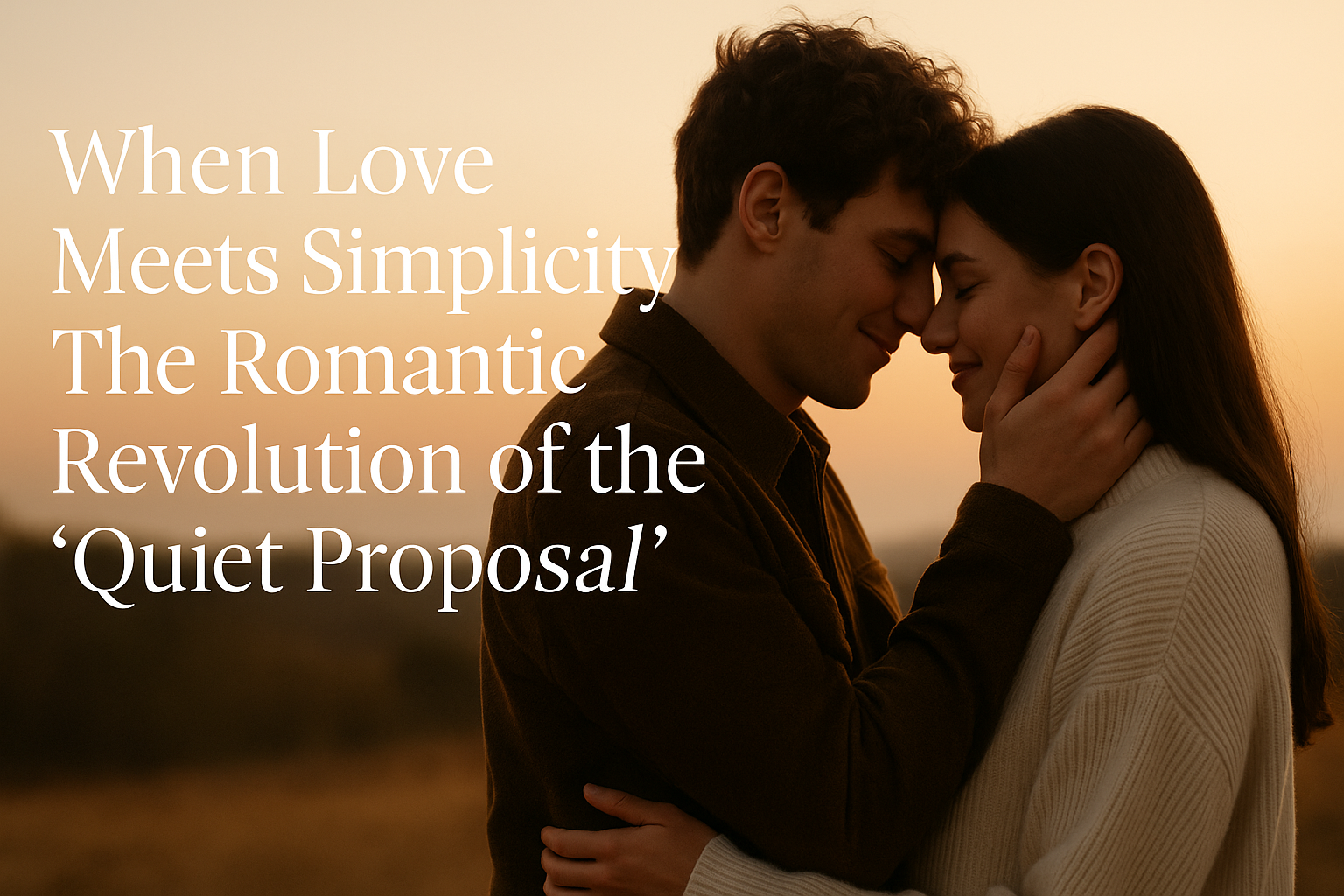
A kiss is one of the most intimate and emotionally charged gestures shared between human beings. It transcends words, offering a powerful medium of connection, comfort, love, and sometimes even heartbreak. This universal act, although small in execution, carries immense psychological, cultural, and scientific weight.
1. The Science Behind the Kiss
When lips meet, it’s not just a romantic gesture; it’s a symphony of neurological reactions and hormonal responses. Dopamine, oxytocin, and serotonin flood the brain, creating feelings of pleasure, bonding, and well-being. Your heart races, pupils dilate, and blood vessels expand — all signs that your body is experiencing excitement and attraction.

Kissing also involves the exchange of saliva, which might seem unappealing, but actually serves a biological purpose. Saliva contains chemical signals — pheromones — that help determine genetic compatibility. In other words, a kiss can be nature’s way of helping you find the right partner.
2. Psychological Impact of a Kiss
The act of kissing taps into deep psychological needs — intimacy, validation, and love. A romantic kiss can be a gateway to emotional intimacy, while a gentle kiss on the forehead may offer comfort, care, and a sense of safety.
“A kiss can be a comma, a question mark, or an exclamation point. That’s basic spelling that every woman ought to know.” — Mistinguett
Research shows that people can recall their first kiss more vividly than their first sexual encounter. This highlights the psychological power of that single moment when emotions run high and memories are etched into our brains.
3. Kissing Across Cultures
While kissing is common in many parts of the world, it’s not a universal practice. In some cultures, kissing in public is taboo. In others, it’s a customary greeting. For instance:
- French and Italian people often greet friends with air kisses on both cheeks.
- In India and Japan, public kissing is still frowned upon in traditional circles.
- Some indigenous tribes in Africa and South America don’t kiss at all, finding the act either unnecessary or even distasteful.

This cultural variance underscores how kissing, though often romanticized in movies and literature, is shaped heavily by social norms and upbringing.
4. Types of Kisses and Their Meanings
Not all kisses are created equal. Each type of kiss carries its own meaning and emotion. Some of the most common types include:
- Forehead Kiss: A sign of protection, admiration, and emotional intimacy.
- French Kiss: The deep, passionate kind — often associated with romantic love.
- Peck: A quick, closed-mouth kiss that often signals new affection or a casual gesture.
- Cheek Kiss: A social and friendly gesture across many European and South American cultures.
- Hand Kiss: An old-fashioned symbol of respect and sometimes flirtation.
5. First Kisses: A Make-or-Break Moment
In the dating world, the first kiss can be a defining moment. It may either ignite further romantic interest or, unfortunately, end it. That first exchange of energy and chemistry can say more than an entire date’s worth of conversation.

Studies indicate that over 50% of people decide whether they’re attracted to someone based on that first kiss. This shows just how powerful and defining a simple gesture can be.
6. Health Benefits of Kissing
Kissing is more than an emotional experience — it’s good for your health too! Here are a few surprising benefits:
- Stress Relief: Lowers cortisol levels, making you feel more relaxed.
- Immune Boost: Sharing saliva can help exchange good bacteria and improve immune resistance.
- Burns Calories: A passionate kiss can burn 2-6 calories per minute.
- Improves Heart Health: Reduces blood pressure and improves circulation.
7. Famous Kisses in History and Pop Culture
Some kisses are so iconic that they have become timeless images. Think of:
- The V-J Day kiss in Times Square, 1945
- Romeo and Juliet’s tragic kiss in Shakespeare’s classic
- Jack and Rose in “Titanic” at the bow of the ship
- Spiderman’s upside-down kiss with Mary Jane
These moments aren’t just romantic—they’re cultural markers of how impactful a single kiss can be.

8. When Kissing Goes Beyond Romance
In many cases, a kiss transcends romantic implication. A mother’s kiss on a child’s forehead, a friend’s goodbye kiss, or a spiritual kiss on sacred objects — each expresses love, reverence, and emotional depth in its own unique way.
9. The Chemistry of Compatibility
A kiss may also reveal biological compatibility. If someone doesn’t “feel right” when you kiss them, it could be your body detecting genetic dissimilarity or lack of attraction. It’s nature’s way of helping people choose mates with complementary immune systems.
Conclusion: A Small Act with Big Meaning
Whether tender or passionate, brief or lingering, a kiss is one of the simplest yet most profound human experiences. It’s a language of love that speaks directly to the heart, carrying messages of comfort, desire, or eternal bond. In a world often divided by words, a kiss can unify in an instant.
So the next time you kiss someone — cherish it. For in that one moment, the universe pauses, and only two souls exist in silent, electric communion.
Discover more from NewsNation Online
Subscribe to get the latest posts sent to your email.





























































Leave a Reply