
HYDERABAD, October 15, 2026: West Indies defeated India by 24 runs in the fourth T20 international, levelling the five-match series 2-2 and setting up a decisive finale. Captain Shai Hope struck an unbeaten 102 from 50 balls, while Keemo Paul claimed five wickets for 41 runs.
Hope sets the tone
Hope’s attacking century helped West Indies post a daunting 247-run total. His innings featured nine sixes and four fours. India’s bowlers struggled to contain the scoring rate, and the visitors carried momentum into the second innings.
Paul turns the chase
India faced a demanding run chase. Sanju Samson registered a half-century, while Tilak Varma and Nitish Reddy attempted to rebuild the innings. Paul disrupted the chase with his five-wicket spell, making it difficult for India to maintain the required pace.
What the result means
The series is now tied at two wins each, so the final match will determine the winner. India will need to reassess its bowling plans, particularly how to restrict boundary scoring, while West Indies will look to carry its batting confidence into the decider.
Captain’s response
Following the defeat, India captain Shreyas Iyer acknowledged shortcomings in execution and said the team needed to implement its plans more effectively. His comments underscored the importance of adapting to conditions and opposition tactics.
Understanding the pressure of a 248-run chase
A target of 248 requires the chasing side to score at more than twelve runs per over from the beginning. In T20 cricket, that rate can be achieved through boundaries, but losing wickets while trying to maintain it quickly changes the calculation. Partnerships, strike rotation and the ability to target particular bowlers are all crucial. A batter’s half-century can still be valuable even if the overall chase falls short.
The scoreboard should also be read alongside the innings progression. An expensive powerplay, a run of dot balls in the middle overs or wickets near the death can each have a disproportionate effect on the outcome. The final margin alone cannot explain which phase decided the match. A ball-by-ball scorecard provides a more complete picture than a short highlight reel.
Why a five-wicket haul stands out
Taking five wickets in a T20 international is notable because a bowler can deliver only four overs. Such a spell may break partnerships and force new batters to attack before they have settled. However, figures must be considered together: wickets taken, runs conceded, overs bowled and the stage of the innings all matter. A bowler can make a decisive contribution even while conceding boundaries in a high-scoring contest.
What India can review before the decider
The first question for India’s coaching staff is whether its bowling plans matched the conditions. On a surface offering little help, variations in pace and length may be important, but execution is critical. The team will also assess field placements, the use of slower deliveries and the overs assigned to each bowler. These are areas for analysis, not confirmation that any particular change will be made.
With the bat, India can examine how to distribute the responsibility of a large chase. A strong start can reduce pressure, but wickets in hand are equally valuable. Teams must balance aggressive boundary hitting with the need to keep partnerships alive. Any decision about the playing eleven should be treated as provisional until the team is officially announced.
What West Indies can take from the win
For West Indies, the result demonstrates the value of combining an explosive batting performance with wickets during the opposition’s chase. The team will nevertheless want to assess whether its bowlers consistently controlled the scoring rate or relied on timely breakthroughs. The next game will present a different situation, and the tactics that succeeded in one match may require adjustment.
How to follow the final match accurately
Readers should check the official fixture listing for the venue, start time and confirmed teams. Weather forecasts and pitch predictions can change, and a pre-match projection is not the same as a result. For a balanced assessment, compare the official scorecard, post-match statements and reports from reliable cricket correspondents. Social media clips can capture memorable moments but may omit the wider context.
The series being level at 2–2 makes the last game especially significant: both teams enter with a chance to secure the trophy. The result will depend on the performance on the day rather than the momentum suggested by any single previous innings.
Official scorecard and turning points
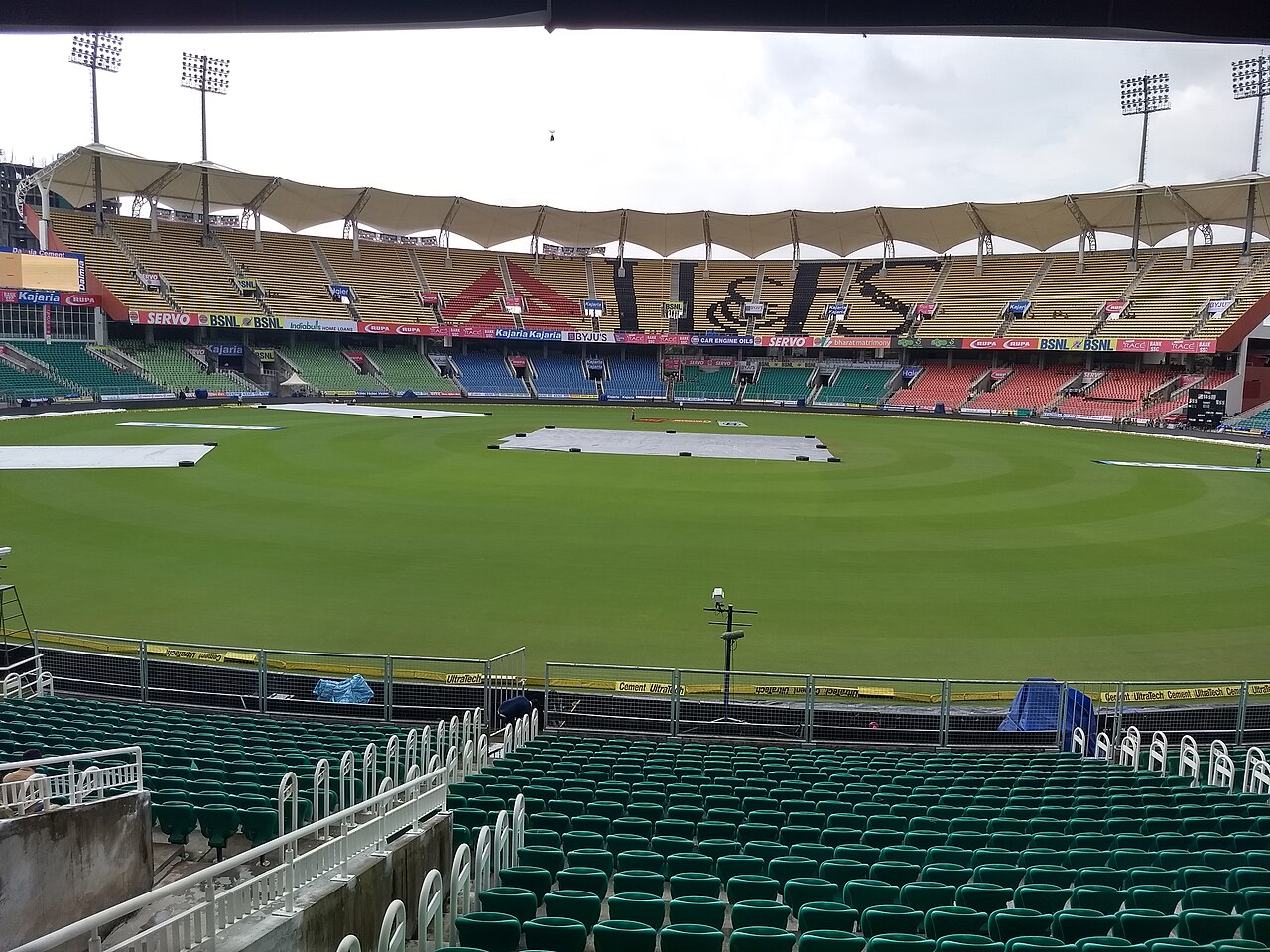
The ICC confirms West Indies made 247 for three before India fell 24 runs short. Shai Hope’s unbeaten 102 and Keemo Paul’s five wickets were decisive. Sanju Samson scored 56 from 23 balls, while Tilak Varma and Nitish Kumar Reddy contributed later in the chase. The fifth T20I is scheduled in Bengaluru on 17 October.
What the figures mean
A target of 248 demands sustained scoring at more than twelve runs per over. A rapid start does not remove the pressure created by lost wickets. Bowling analysis should consider the timing of wickets as well as runs conceded. The official ICC account offers a fuller sequence of the innings: ICC match report.
Sources and related coverage
- Times of India: Fourth T20I match report
- Loksatta: Captain’s reaction
- NewsNationOnline sports and India coverage
Discover more from NewsNation Online
Subscribe to get the latest posts sent to your email.
आपके लिए सुझाव