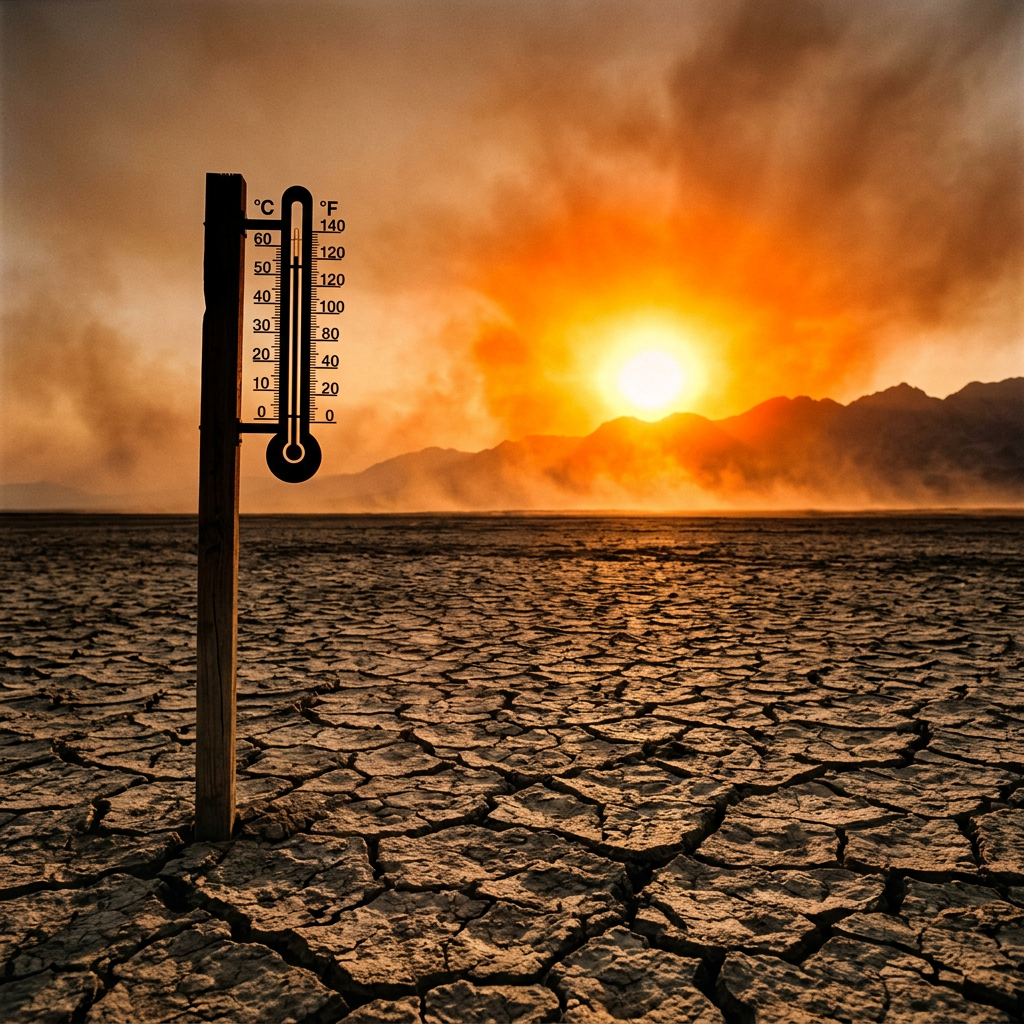
JALNA, October 2, 2026: Drinking-water security is emerging as one of the most important issues for Jalna and other drought-affected districts of Maharashtra after a weak monsoon left reservoirs and groundwater sources under pressure. The state’s Water Resources Department has said water from reservoirs in drought-affected areas will be reserved for drinking requirements until August next year, a move intended to give district administrations a clearer framework for managing limited water resources.
The decision was reported by The Times of India after Water Resources Minister Radhakrishna Vikhe Patil said the government would issue a separate Government Resolution containing guidelines. The report said the state had declared drought in 265 of Maharashtra’s 358 talukas, including 74 of the 76 talukas in Marathwada.
Why the decision matters for Jalna
Jalna is part of Marathwada, a region where rainfall can vary sharply from one district to another and where many communities depend heavily on seasonal rainfall, reservoirs, wells and borewells. The latest regional rainfall figures show that Marathwada received only about 65.5% of its normal June-to-September rainfall. Jalna’s rainfall was reported at 74.7% of normal, which is better than the regional average but still leaves a substantial deficit.
For households, the most immediate concern is dependable drinking water. When reservoir levels decline, administrations may have to arrange tankers, identify additional wells, repair distribution systems and regulate competing demands. Protecting stored water for drinking is therefore a preventive step designed to avoid a sharper crisis later in the dry season.
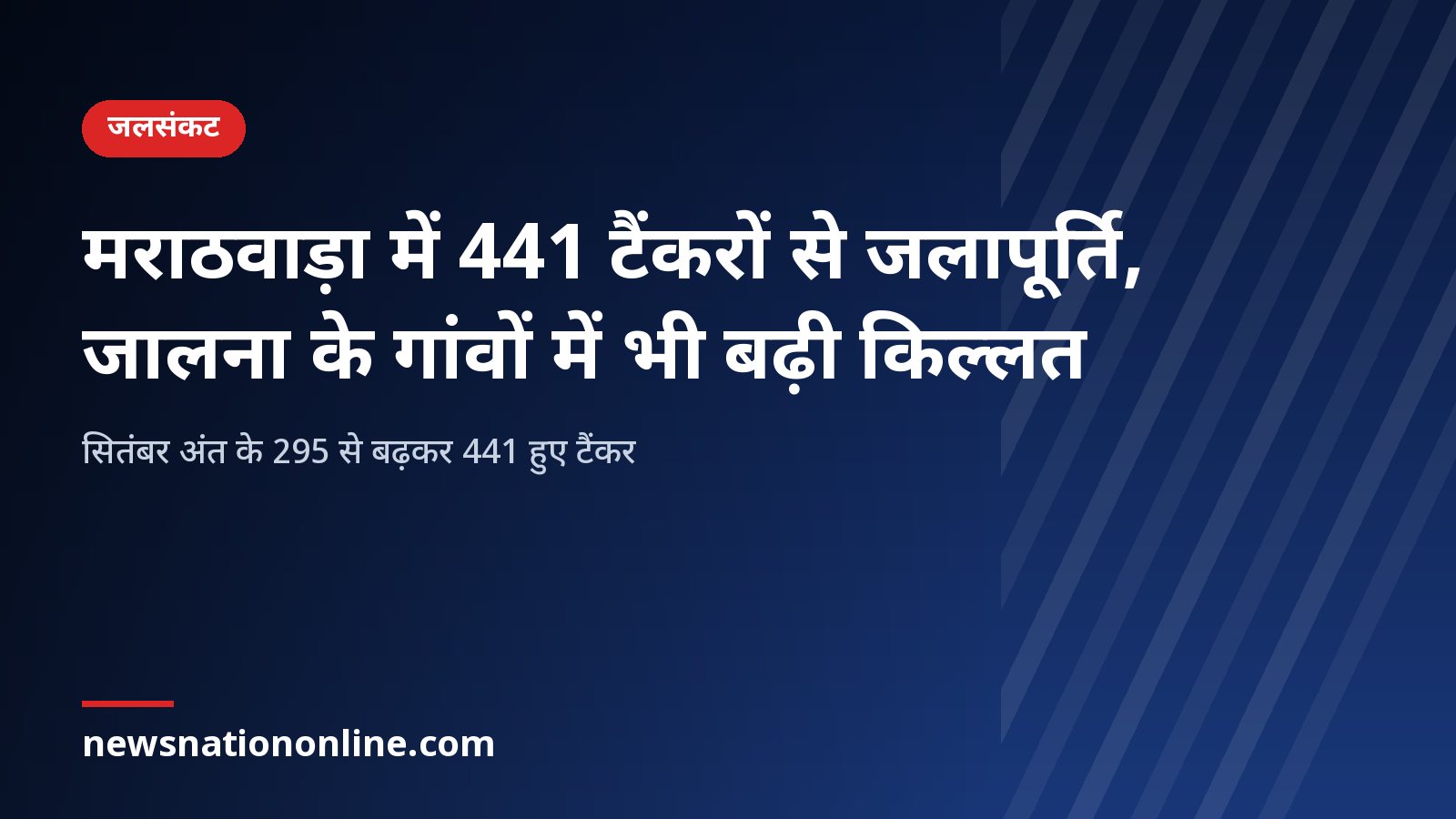
Marathwada’s water pressure is already visible
An Indian Express report published on September 30 described villages in drought-hit Marathwada turning to tankers even before the monsoon period had fully closed. The report highlighted the financial burden on farmers and households that must purchase or arrange water when local sources dry up.
The situation is significant because a rainfall deficit does not automatically mean every village faces the same shortage. Some localities may have functioning borewells or reservoirs, while others may experience rapid depletion. Government water planning therefore has to operate at village and taluka level rather than relying only on a district-wide average.
What the drinking-water reservation could change
The proposed policy framework could influence how water is released from reservoirs during the coming months. If drinking water is given priority, irrigation releases may need to be planned more carefully, especially when storage levels fall below operational thresholds. The objective is not simply to preserve water on paper but to ensure that enough usable water remains available when summer demand increases.
For Jalna, implementation will depend on local reservoir conditions, municipal requirements, village water schemes and the availability of alternative sources. The district administration’s website provides links to disaster management, water-related public services, agriculture and citizen services. Residents can use those official channels to check government notices rather than relying on unverified social-media messages.
Farmers face a difficult balancing act
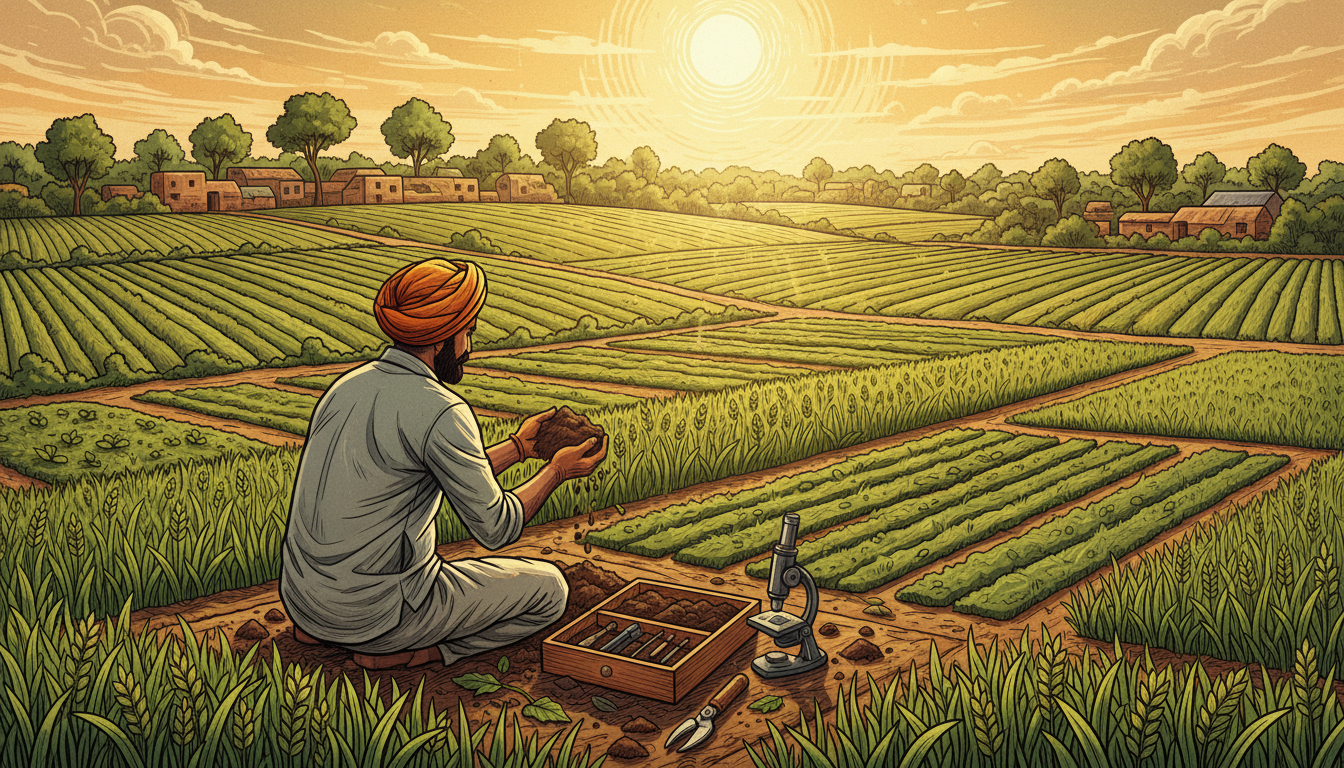
The drinking-water priority also highlights the difficult choices facing agriculture. Farmers need irrigation to protect standing crops and prepare for rabi sowing, but large irrigation withdrawals can reduce the reserve available for households. The pressure is especially important in a district known for agriculture, seed production and agro-based industries.
Recent reporting on Jalna has also highlighted efforts to encourage crop diversification and lower-water agriculture. Such initiatives are aimed at helping farmers adapt to uncertain rainfall by reducing dependence on crops that require high and continuous water availability. In practice, crop choice will also depend on soil conditions, market prices, seed availability and local advice from agricultural authorities.
Groundwater will remain crucial
Reservoir policy is only one part of Jalna’s water story. Groundwater levels are equally important because many rural households depend on wells and borewells. Poor monsoon recharge can make these sources unreliable later in the season even if they appeared adequate during the rainy months.
Water conservation measures, leakage control, careful tanker management and protection of public wells can reduce pressure on groundwater. Local communities also have a role in reporting damaged pipelines, unauthorized diversion or wastage to the relevant authorities.
What Jalna residents should watch
Residents should watch for the Government Resolution promised by the Water Resources Department, local reservoir-release orders, tanker deployment notices and municipal or rural drinking-water advisories. The final operating rules will be important because they will determine how the state’s drinking-water priority is translated into district-level action.
NewsNationOnline is tracking the water situation as part of its ongoing Jalna News coverage. Readers can also refer to our Jalna latest-news roundup and Jalna civic and administration updates for related information.
Sources and verification
The drinking-water reservation information is based on reporting by The Times of India. The broader water-stress context is based on reporting by The Indian Express and official information published by the Jalna District Administration. Readers should verify local supply schedules and emergency arrangements with the concerned municipal, tehsil or district authorities.
Editorial note: Water conditions can change quickly. This article reflects publicly reported information available on October 2, 2026 and is intended as a news explainer, not as a substitute for official local water-supply instructions.
Discover more from NewsNation Online
Subscribe to get the latest posts sent to your email.
आपके लिए सुझाव