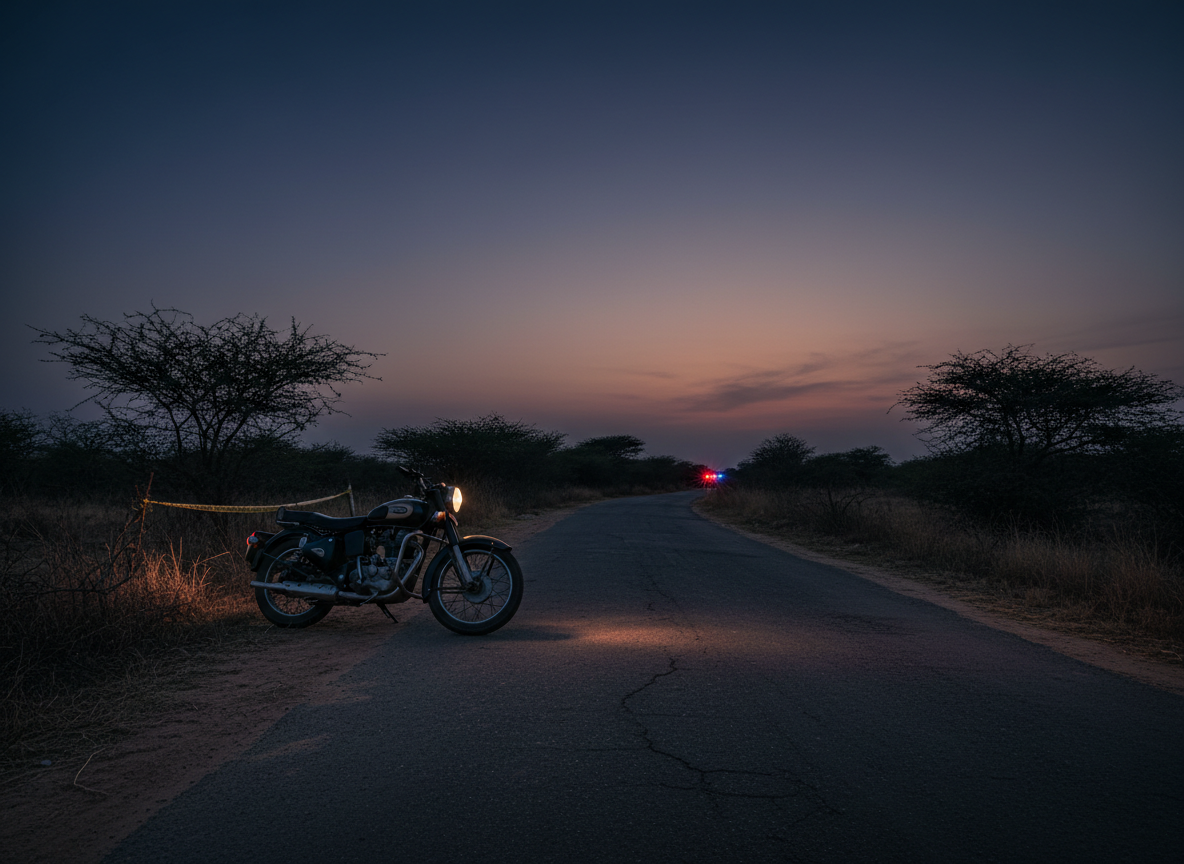
MAHARASHTRA, October 2, 2026: Road accidents continue to be one of Maharashtra’s major public-safety challenges. State-level data reported this week shows that 10,286 people were killed in road crashes between January and August 2026, an average of about 42 deaths every day.
The figures also show 24,193 reported road accidents and 21,649 injuries during the first eight months of the year. While the number of crashes was slightly lower than the corresponding period of 2025, fatalities remained substantial.
The Times of India reported that Pune Rural recorded 654 deaths through August, followed by Nashik Rural with 607, Ahilyanagar with 531 and Solapur Rural with 479.
What the figures show
The data covers the entire state and combines accidents on different types of roads and involving different categories of vehicles. It therefore should not be interpreted as evidence that one single factor explains the fatalities.
Road deaths can involve speeding, unsafe overtaking, impaired driving, poor visibility, vehicle defects, road design, fatigue, pedestrian exposure and other circumstances. Individual crashes require separate investigation.
Urban and rural differences
Fatalities are distributed differently between rural districts and cities. Major urban areas also record significant numbers because of dense traffic, motorcycles, pedestrians and commercial vehicles.
Among cities, the reported January-August figures included 229 deaths in Mumbai, 214 in Pune, 187 in Navi Mumbai, 175 in Thane and 140 in Chhatrapati Sambhajinagar.
Nagpur sees a reported decline
Nagpur recorded 156 road deaths during the period, with the reported fatality count down 27 per cent from the corresponding period of the previous year. The reduction shows that local trends can differ substantially from the statewide picture.
At the same time, Amravati city reportedly recorded an increase, with 73 deaths compared with 51 during the comparable period of 2025.
Why prevention needs several measures
Road safety cannot depend only on drivers. Engineering improvements, enforcement, vehicle standards, emergency medical response and public education all contribute to reducing fatalities.
Black spots require targeted engineering reviews. Junction design, lighting, pedestrian crossings, speed management and lane markings can affect the severity and frequency of crashes.
Emergency response matters
The chances of survival after a serious crash can depend on how quickly injured people receive medical attention. Ambulance access, trauma-care facilities and coordinated emergency response are therefore important components of road safety.
What motorists can do
Drivers and riders can reduce risk by following speed limits, wearing seat belts and helmets, avoiding alcohol or drugs while driving, keeping safe following distances and not using mobile phones while moving. Heavy-vehicle operators need particular care around two-wheelers and pedestrians.
What the data means for Maharashtra
The January-August figures provide a clear reason for continued road-safety intervention, but they do not identify the causes of every death. Authorities need detailed district-level analysis to determine where enforcement and infrastructure changes can have the greatest effect.
NewsNationOnline’s Crime and public-safety coverage will continue following road accidents across Maharashtra.
Source note: Statistics cited here cover January-August 2026 and were reported on October 2, 2026. District figures and classifications are subject to official data revisions.
Discover more from NewsNation Online
Subscribe to get the latest posts sent to your email.
आपके लिए सुझाव