By Ahmed Noor Qureshi
JALNA: Maharashtra, which has witnessed prolonged political battles over Maratha reservation, OBC quotas and the Dhangar community’s demand for Scheduled Tribe status, is now facing another caste-based fault line — this time within the Scheduled Castes (SCs).
The debate over SC sub-categorisation has sharply divided Dalit communities and could emerge as a major political issue in the state.
The controversy follows the Supreme Court Constitution Bench judgment of August 1, 2024, which held that state governments have the constitutional authority to create sub-categories within the SC quota to ensure a more equitable distribution of reservation benefits among communities that have remained relatively underrepresented. The judgment, however, does not make such classification mandatory, leaving the decision to individual states.
The Matang community has been demanding sub-categorisation of the SC reservation quota, seeking a separate 5 per cent share within Maharashtra’s existing 13 per cent SC reservation.
The BJP-led Mahayuti government has indicated that it is willing to examine the issue. Chief Minister Devendra Fadnavis has said the government will take a decision after considering the report of the committee headed by retired Bombay High Court judge Justice Anant Manohar Badar, which was constituted ahead of the 2024 Assembly elections to examine the issue.
A Divided Dalit Community
The proposal has exposed deep divisions within Maharashtra’s Scheduled Castes.
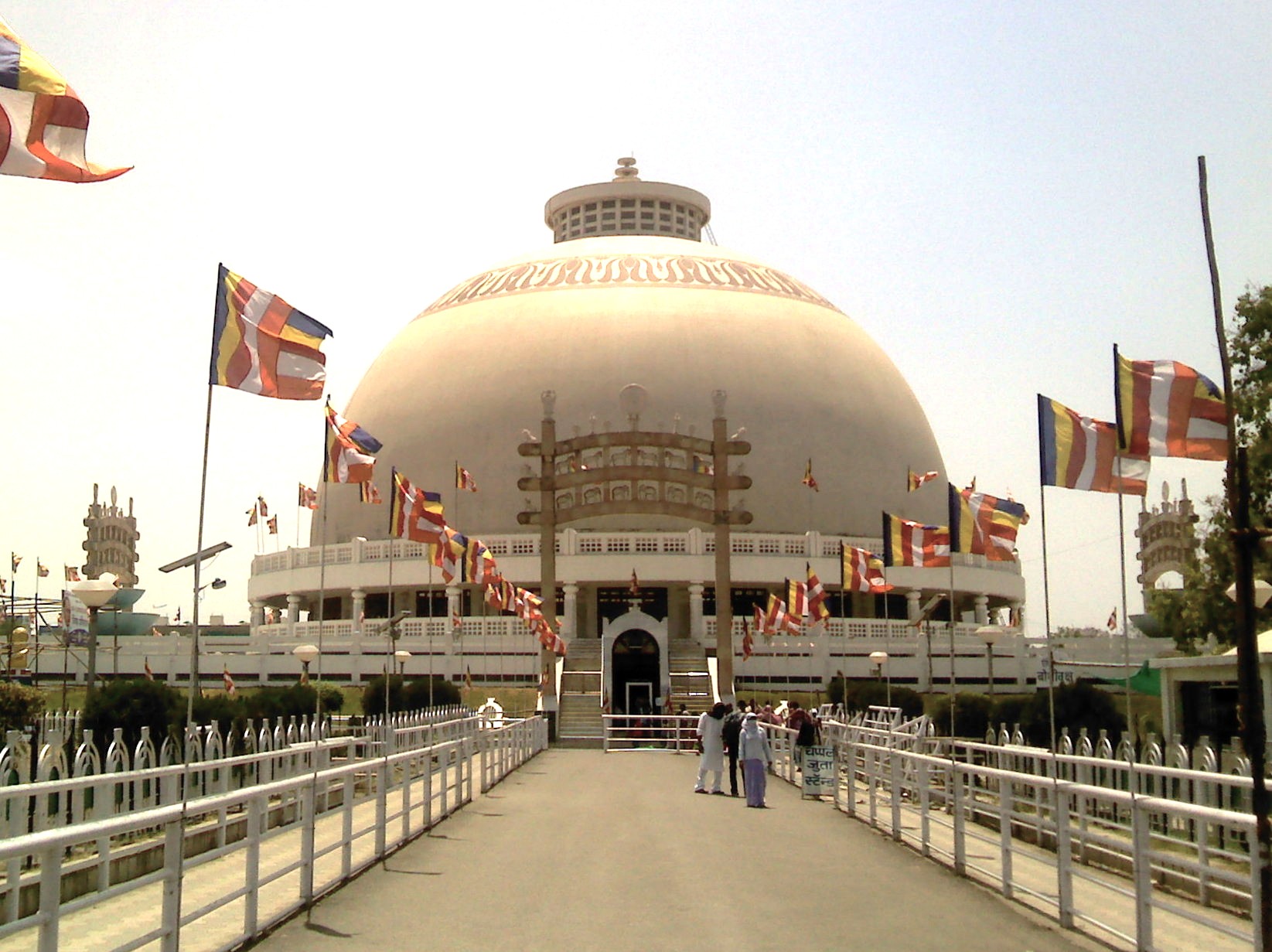
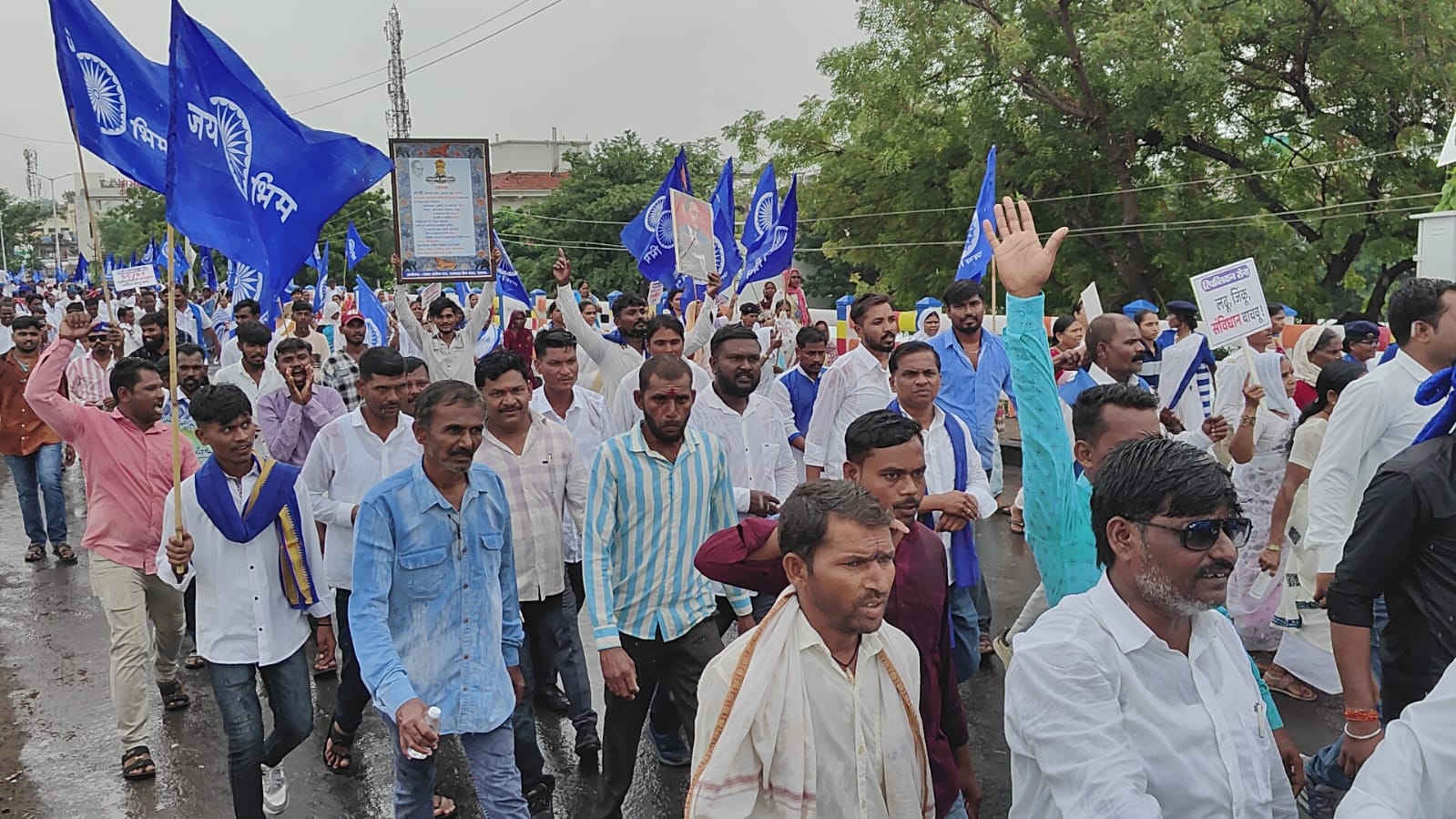
A large section of the Mahar community, many of whom embraced Buddhism under the influence of Dr B R Ambedkar’s movement, strongly opposes sub-categorisation. Ambedkarite organisations argue that dividing the SC quota into internal categories would weaken Dalit unity, dilute constitutional safeguards and undermine the collective political strength built through decades of social struggle.
The Matang (Mang) community, meanwhile, has emerged as the strongest advocate of internal reservation. Community leaders argue that relatively advanced SC groups have received a disproportionate share of educational opportunities, government jobs and political representation since Independence.
Supporters of sub-categorisation say reservation was intended to benefit all Scheduled Castes, but unequal access to education and government employment has left several communities behind. They argue that internal reservation is necessary to ensure meaningful representation for the most deprived sections.
Protests Across Maharashtra
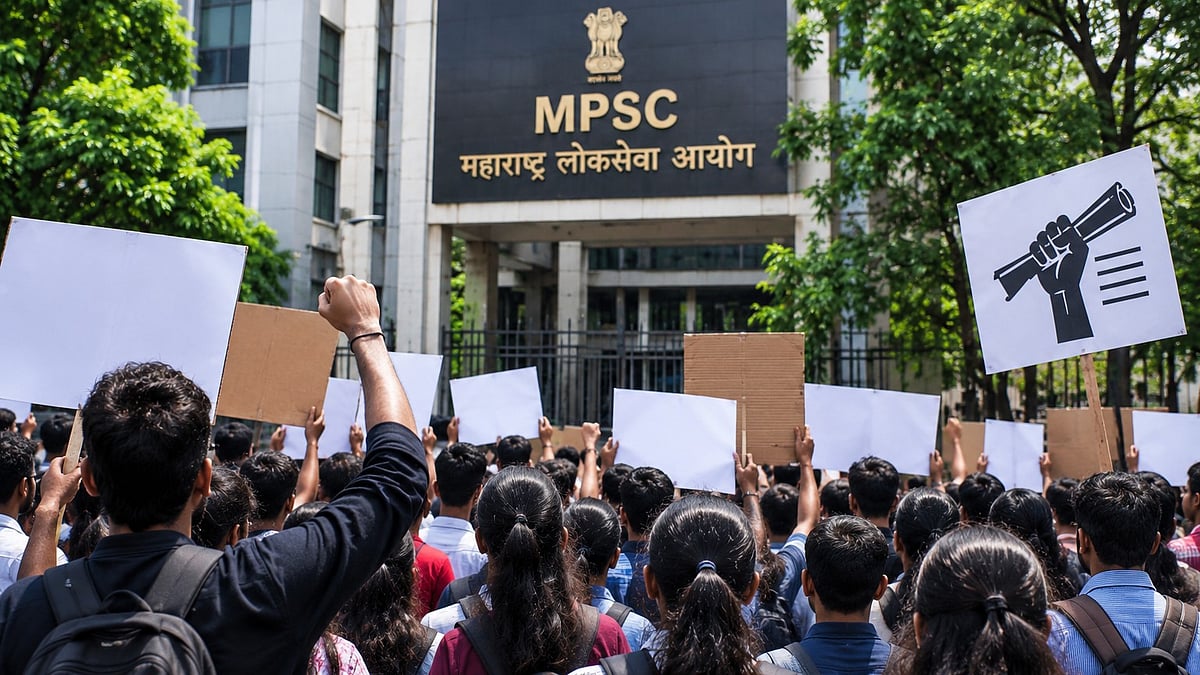
The issue has triggered demonstrations across the state, with rival groups organising protests both in support of and against sub-categorisation.
Ambedkarite organisations have demanded the dissolution of the Justice Badar Committee and sought the publication of its report, methodology, raw survey data and recommendations before the government takes any policy decision.
Vanchit Bahujan Aghadi president Prakash Ambedkar has questioned whether the committee conducted a comprehensive scientific study involving all stakeholders. He has argued that sub-categorisation without credible empirical evidence could deepen divisions among Scheduled Castes instead of promoting social justice.
Ambedkar has also suggested that institutions such as the Tata Institute of Social Sciences and professional statistical agencies should have been involved in the study.
Republican Sena president Anandraj Ambedkar has accused the government of attempting to divide Scheduled Castes for political gains and warned that the move could create tensions similar to those witnessed during the Maratha-OBC reservation dispute.
Social activist Shivajirao Admane has alleged that the proposal undermines the constitutional principles of equality, fraternity and social justice by creating divisions among Dalits.
Activist Dr Sushil Suryawanshi, however, has argued that the Mahar community’s greater representation is largely linked to its emphasis on education, inspired by Dr Ambedkar’s movement. Instead of blaming one community, he said, efforts should focus on improving educational opportunities among other Scheduled Castes.
NDA Ally Ramdas Athawale Supports Sub-Categorisation
Union Minister and Republican Party of India (Athawale) leader Ramdas Athawale has openly supported sub-categorisation.
Athawale has argued that the policy would ensure a fairer distribution of reservation benefits among the most backward Scheduled Castes instead of allowing relatively advanced groups to dominate opportunities.
His position highlights the differences within Dalit political leadership over the issue.
Politics Behind the Debate
The controversy has significant electoral implications.
Political observers believe the BJP could see sub-categorisation as an opportunity to consolidate support among Hindu Scheduled Castes, particularly the Matang community, which has increasingly moved towards the party over the past decade after historically supporting the Congress.
The Buddhist Mahar community, meanwhile, remains an important base of Ambedkarite politics, with its political support divided among the Congress, Vanchit Bahujan Aghadi and various Republican factions.
The BJP therefore faces a delicate political balancing act. Support for internal reservation could strengthen its support among Matangs and other Hindu Scheduled Castes, while opposition from Ambedkarite organisations could generate resistance among Mahar and Buddhist voters.
Demographic Reality
According to the 2011 Census, Maharashtra has nearly 13.2 million Scheduled Caste residents, accounting for around 11 per cent of the state’s population.
Government estimates and academic studies suggest that Mahars and neo-Buddhists constitute a substantial share of the state’s SC population, while the remaining population comprises several Hindu Scheduled Castes.
The Matang community is estimated to account for around 19 per cent of Maharashtra’s SC population, making it the second-largest Scheduled Caste after the Mahar community. Chambhar, Dhor and several other communities constitute the remaining SC population.
Maharashtra currently provides 13 per cent reservation to 59 recognised Scheduled Castes.
A Long-Pending Demand
The demand for internal reservation predates the current political controversy.
In 2003, the Maharashtra government appointed the Lahuji Salve Commission to examine the socio-economic condition of the Matang community. The commission recommended several measures, including steps towards addressing disparities within the SC quota. Successive governments implemented various welfare schemes but stopped short of restructuring the reservation system.
Researchers studying Maharashtra’s caste politics argue that disparities within Scheduled Castes have persisted, prompting disadvantaged communities to demand a more equitable share of reservation benefits.
Journalist Rajendra Ghule has attributed the Matang community’s lower representation in government services largely to educational backwardness. He argues that while the Ambedkarite movement placed strong emphasis on education, many Matang youths continue to lag behind in higher education.
Ghule also observes that younger Matang voters have increasingly identified with Hindutva politics, a trend that has benefited the BJP electorally.
Maharashtra’s Next Reservation Battle
Maharashtra has spent the past decade navigating politically sensitive reservation movements, from the Maratha agitation led by Manoj Jarange to OBC opposition to any dilution of their quota and the Dhangar community’s demand for ST status.
The SC sub-categorisation, or ABCD, debate adds another layer to the state’s already complex reservation politics.
Unlike earlier reservation agitations that largely pitted one community against another, the present dispute has created divisions within the Dalit movement itself. It has raised difficult questions about representation, historical disadvantage and the future of affirmative action.
Whether the Mahayuti government proceeds with sub-categorisation after receiving the Justice Badar Committee’s recommendations could significantly influence Maharashtra’s caste and electoral equations.
More importantly, the issue will test the balance between ensuring an equitable distribution of reservation benefits among Scheduled Castes and preserving the unity of one of Maharashtra’s most influential social justice movements.
The author is a senior journalist and PTI stringer based in Jalna district, Maharashtra.
Discover more from NewsNation Online
Subscribe to get the latest posts sent to your email.


Leave a Reply