
NewsNationOnline | Europe. EU leaders have reaffirmed support for Ukraine, but the debate over funding, security assistance and long-term political unity remains urgent.
What EU leaders discussed
The European Council’s October 15–16 meeting addressed Ukraine alongside defence, competitiveness and the bloc’s future budget. The formal conclusions provide a more reliable guide to agreed positions than individual leaders’ remarks.
Why the financial debate matters
Assistance to Ukraine includes different instruments and time horizons. Loans, grants, humanitarian support and military assistance should not be combined without explaining what each figure covers. National contributions also differ substantially.
The limits of European unity
EU governments share broad concerns about security but can disagree over funding sources, sanctions and the speed of defence investment. Domestic elections and public spending pressures may influence future negotiations.
What happens next
Readers should monitor formal Council decisions, budget negotiations and verified announcements from Kyiv. Expressions of support do not necessarily mean that every proposed funding mechanism has been legally approved.
Sources and further reading: Original reporting or official source. Details and rules may change; consult the linked source for subsequent developments.
Related Europe coverage: How EU institutions work and Slovakia and EU energy.
What the October summit actually agreed
At the European Council meeting of 15–16 October 2026, EU leaders reaffirmed support for Ukraine’s sovereignty and territorial integrity. They addressed attacks on civilian infrastructure, the need to strengthen energy resilience and the continuing importance of humanitarian and military assistance. The summit conclusions are an official statement of shared political priorities; individual measures still follow their applicable funding and legal procedures.
Financial and defence assistance
The Council welcomed disbursements under the €90 billion Ukraine support loan for 2026 and 2027 and discussed further assessment of Ukraine’s needs. It also welcomed steps concerning the EU military assistance mission and the European Peace Facility. Readers should distinguish an existing financing instrument, a disbursement already made and a proposal for additional support. These are different stages and should not be counted as interchangeable amounts.
Sanctions and diplomacy
Leaders welcomed further sanctions targeting Russia’s military-industrial complex and called for action against circumvention. They also supported a just and lasting peace, security guarantees and meaningful negotiations. Sanctions policy, peace diplomacy and support for civilians involve separate decisions, even when discussed at the same summit.
Ukraine’s EU membership process
Accession negotiations involve multiple clusters of reforms and assessments. Opening negotiating clusters does not mean that membership has been granted or that a fixed entry date has been established. Progress depends on the applicable conditions and decisions of EU institutions and member states.
Official record: European Council summit conclusions and background.
Why civilian infrastructure is central to the crisis
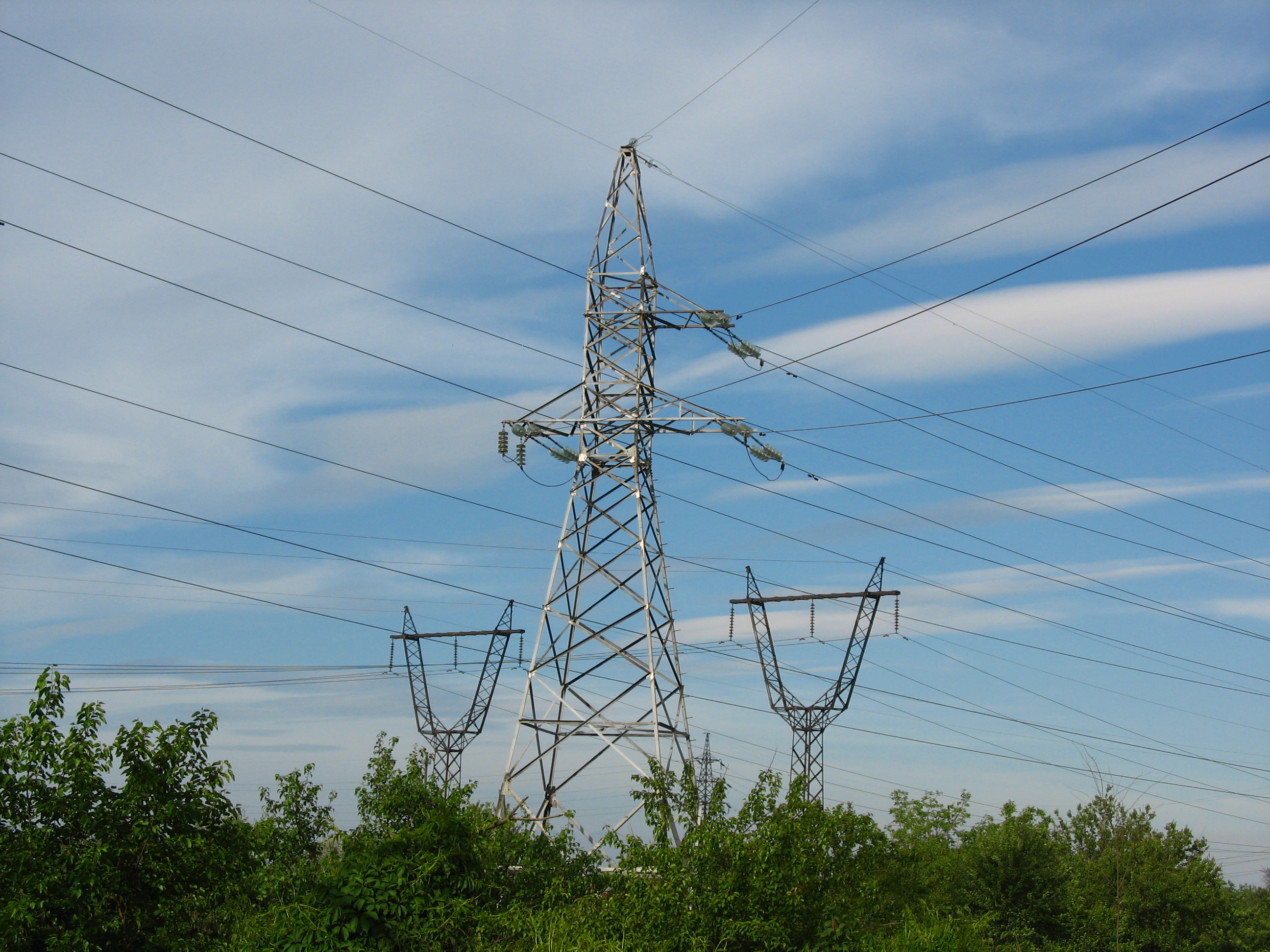
Electricity, transport, hospitals and schools support daily life as well as the wider economy. Damage to these systems can disrupt essential services and increase the cost of recovery. The October European Council conclusions specifically addressed attacks on Ukrainian infrastructure and called for measures to strengthen resilience ahead of winter.
Humanitarian assistance and reconstruction
Emergency relief and long-term rebuilding serve different purposes. Immediate assistance may help displaced families and restore basic services, while reconstruction requires planning, procurement and institutional oversight. Demining, housing repairs and mental-health support can also be important components of recovery. Funding commitments should be distinguished from money already delivered or projects already completed.
The role of neighbouring countries
European states may support refugees, facilitate trade routes and provide energy connections. Border transport and logistics can be especially important when maritime routes face disruption. Such cooperation depends on infrastructure capacity, national arrangements and changing security conditions.
Security guarantees and negotiations
European leaders have discussed ways to support Ukraine’s long-term security while calling for a just and lasting peace. The design of any future guarantee would depend on negotiations and decisions by participating governments. A statement of readiness should not be reported as a completed security treaty.
How readers can assess progress
Reliable indicators include formally adopted decisions, disbursement records, published mission mandates and documented progress in accession negotiations. Political declarations provide direction, but implementation can take time. The European Council’s official conclusions and EU institutional updates remain the primary references for the bloc’s agreed positions.
Discover more from NewsNation Online
Subscribe to get the latest posts sent to your email.
आपके लिए सुझाव








Leave a Reply