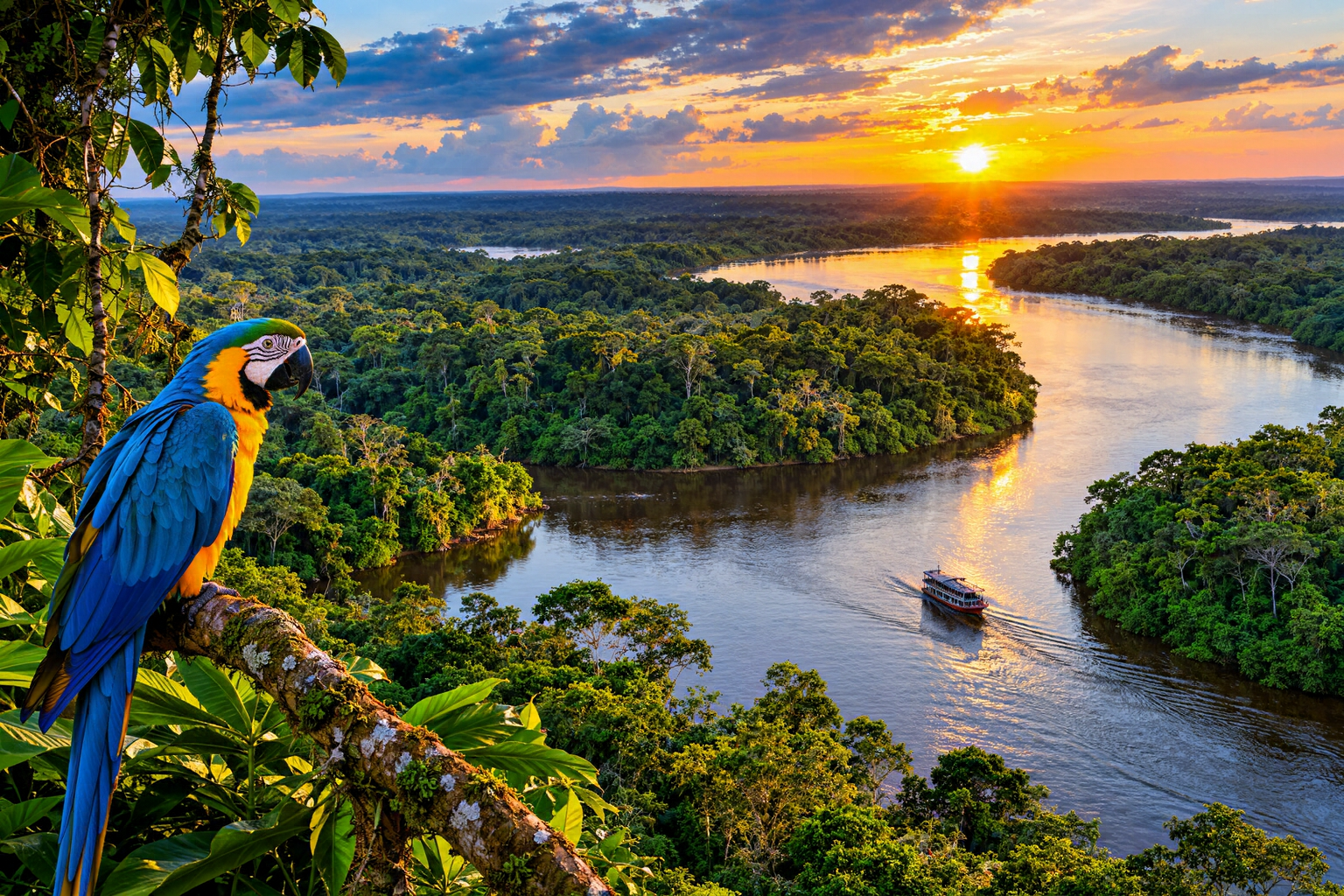
NewsNationOnline | South America. A sustainable Amazon economy depends not only on protecting forests but also on helping local producers reach markets. In a 2026 analysis, World Bank specialists described how lengthy river journeys and inadequate refrigeration can reduce income from responsibly harvested products.
A practical example
Fishers selling pirarucu may face delays on the way to urban markets such as Manaus and Belém. Without reliable cold storage, product quality and earnings can suffer.
Why infrastructure must be designed carefully
Improved transport and refrigeration can reduce waste and connect producers to buyers. But poorly planned roads and other projects can accelerate deforestation or disrupt communities.
Building local value
Cooperatives, traceability, sustainable harvesting rules and fair market access can help communities capture more value. The most effective programs should be designed with residents and measured against both economic and environmental outcomes.
Source and further reading: Background research and institutional analysis. This article distinguishes reported developments from analysis and should be read alongside subsequent official updates where relevant.
Related South America coverage: Amazon conservation and South America economy.
Why rivers are economic infrastructure
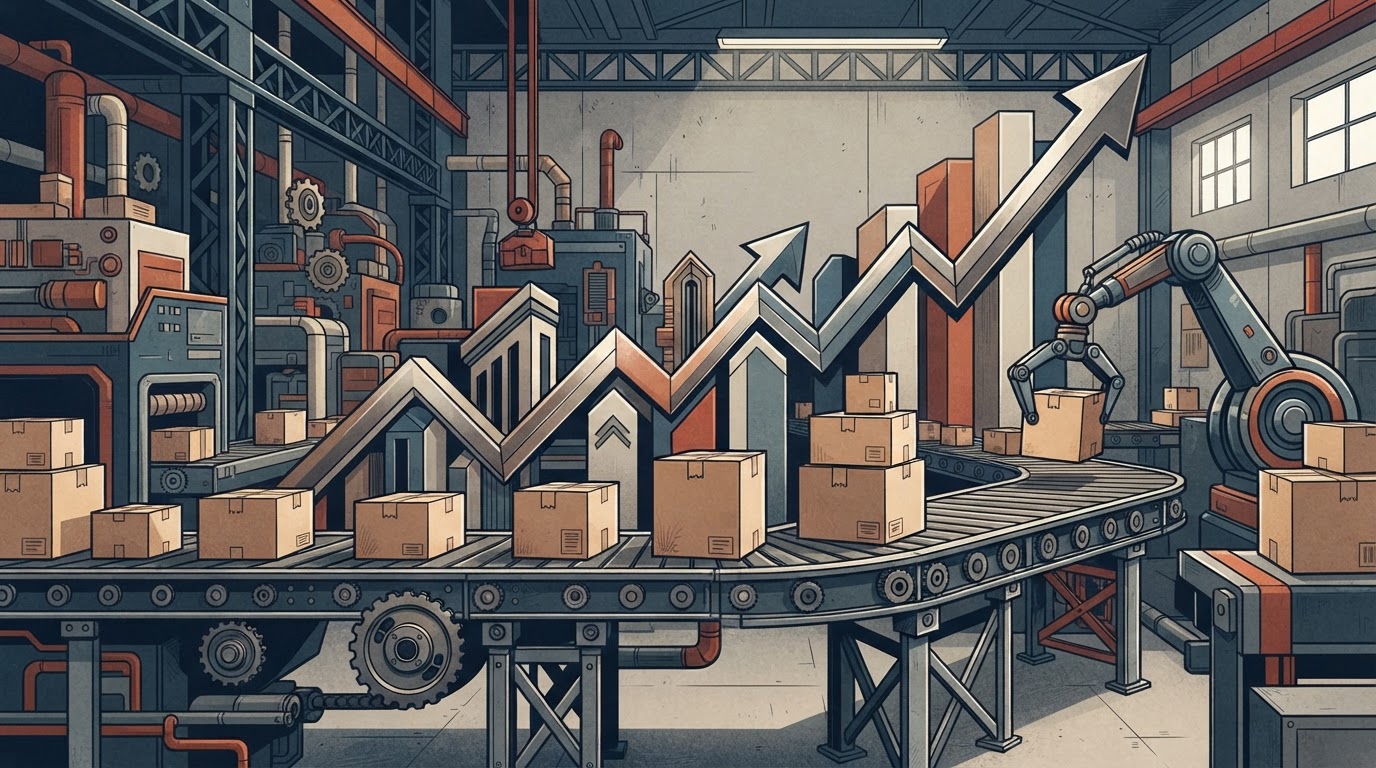
In many Amazon communities, waterways provide essential transport for people and goods. Travel times, fuel prices, seasonal water levels and the availability of refrigerated storage affect the price farmers and fishers receive. Better logistics can reduce spoilage and make local businesses more viable.
Avoiding unintended environmental harm
Infrastructure is not automatically sustainable. New routes can encourage land conversion or damage habitats if planning and enforcement are weak. Project design should consider community priorities, ecosystem sensitivity and long-term maintenance costs.
Keeping benefits local
Producer associations, fair purchasing arrangements, training and traceability can help communities retain more value from sustainable products. Success should be judged by both household incomes and environmental outcomes, not simply shipment volumes.
Also read:
➤ El Niño Warning Raises Flood and Drought Concerns Across South America
➤ Natural Wonders of the World: Extraordinary Landscapes Explained
➤ Brazil Reports Lowest Amazon Deforestation Since 1988 as Runoff Looms
सीधे अपनी Facebook फ़ीड में पाएँ — News Nation Online पेज को Follow करें।
Discover more from NewsNation Online
Subscribe to get the latest posts sent to your email.
आपके लिए सुझाव