
NewsNationOnline | South America. The World Meteorological Organization has warned that the current El Niño episode could become exceptionally strong, raising concern about disruptive weather in parts of South America and other regions. Reuters reported the warning on October 21.
What El Niño is
El Niño is a periodic warming of the central and eastern tropical Pacific Ocean that can alter atmospheric circulation and rainfall. It is not itself caused by climate change, although global warming can affect the severity of some impacts.
Why local forecasts matter
The pattern does not produce the same weather everywhere. Some areas face increased flood risk while others can experience drought or heat. Residents should follow their national meteorological services rather than treating a continental warning as a forecast for one city.
How communities can prepare
Water managers, farmers, health services and disaster agencies may need to review contingency plans. Preparedness includes drainage maintenance, reliable alerts and protection of vulnerable communities.
Source and further reading: Original reporting and background. This article distinguishes reported developments from analysis and should be read alongside subsequent official updates where relevant.
Related South America coverage: Amazon conservation and Amazon bioeconomy.
How El Niño changes weather patterns
El Niño involves unusually warm waters in the central and eastern equatorial Pacific and changes in atmospheric circulation. Its effects differ by season and geography. In parts of South America, it may increase the likelihood of heavy rainfall, while other locations can face dry conditions.
Forecasts are probabilistic
Seasonal outlooks describe elevated or reduced probabilities, not a guarantee of a specific storm or drought. Local forecasts and official warnings are necessary for decisions about travel, farming and emergency preparations. See the World Meteorological Organization and national weather services for updated guidance.
Practical preparedness
Flood-prone communities can review drainage, evacuation routes and alerts; drought-prone regions may need water-management plans. Public health agencies should also watch for heat and water-related risks. Effective preparation depends on locally verified hazards rather than continent-wide generalizations.
Why the Pacific Ocean matters
El Niño develops when the ocean and atmosphere interact in the tropical Pacific. Warmer-than-usual sea-surface temperatures in key areas can shift convection and atmospheric circulation. Those changes influence seasonal weather patterns far from the ocean itself. Scientists monitor ocean temperatures, winds and atmospheric pressure together because no single indicator describes the entire event.
Different effects across South America
Parts of the Pacific coast may face unusually heavy rainfall during some El Niño episodes, while other regions can experience a greater likelihood of dryness or heat. The exact pattern depends on season, the event’s characteristics and other climate influences. It would be misleading to suggest that every South American country faces the same hazard at the same time.
Risks to farming and food supplies
Rainfall changes can affect planting, irrigation, livestock and the movement of crops to market. Flooding may damage roads and storage facilities, while drought can limit water for farms and households. The economic impact depends on preparedness, crop selection, infrastructure and whether alternative supplies are available. Seasonal forecasts are useful planning tools, but farmers still need local observations and updated advice.
Flood safety and public health
Heavy rain can overwhelm drainage systems and contaminate water supplies. Local authorities may need to prepare shelters, protect critical infrastructure and communicate evacuation routes. After flooding, safe drinking water and sanitation are especially important. Residents should rely on official emergency instructions rather than unverified social-media forecasts.
Managing drought and heat
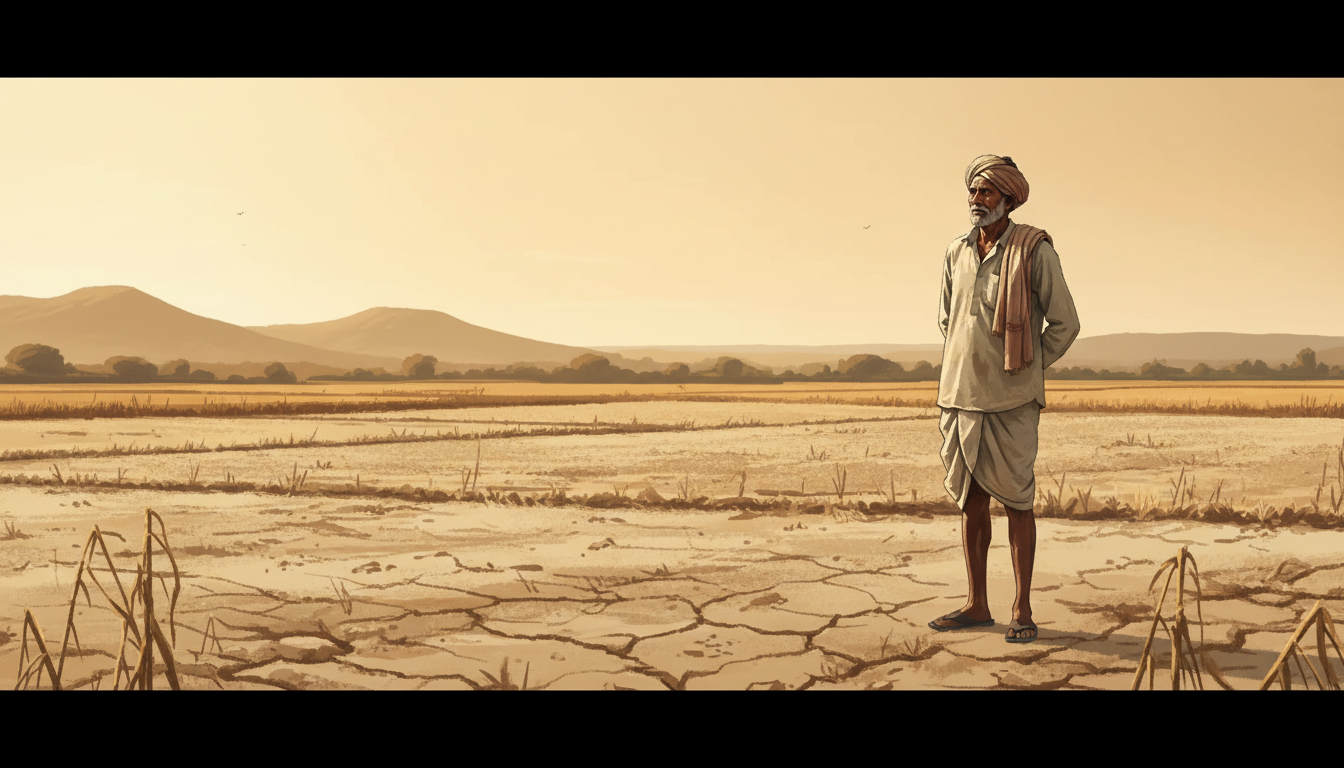
Water utilities and agricultural agencies can review reservoir conditions, demand and contingency supplies. Heat can also increase pressure on health services and electricity systems. Plans should prioritize vulnerable people, including those without reliable cooling or access to safe water. Measures appropriate for one locality may not work in another.
How to read a seasonal outlook
A forecast that raises the probability of above-normal rainfall is not a prediction that a particular city will flood. Check the forecast period, confidence level and geographic scale. The World Meteorological Organization provides broad climate information, while national meteorological and disaster agencies issue the locally actionable alerts that should guide decisions.
Discover more from NewsNation Online
Subscribe to get the latest posts sent to your email.
आपके लिए सुझाव












Leave a Reply