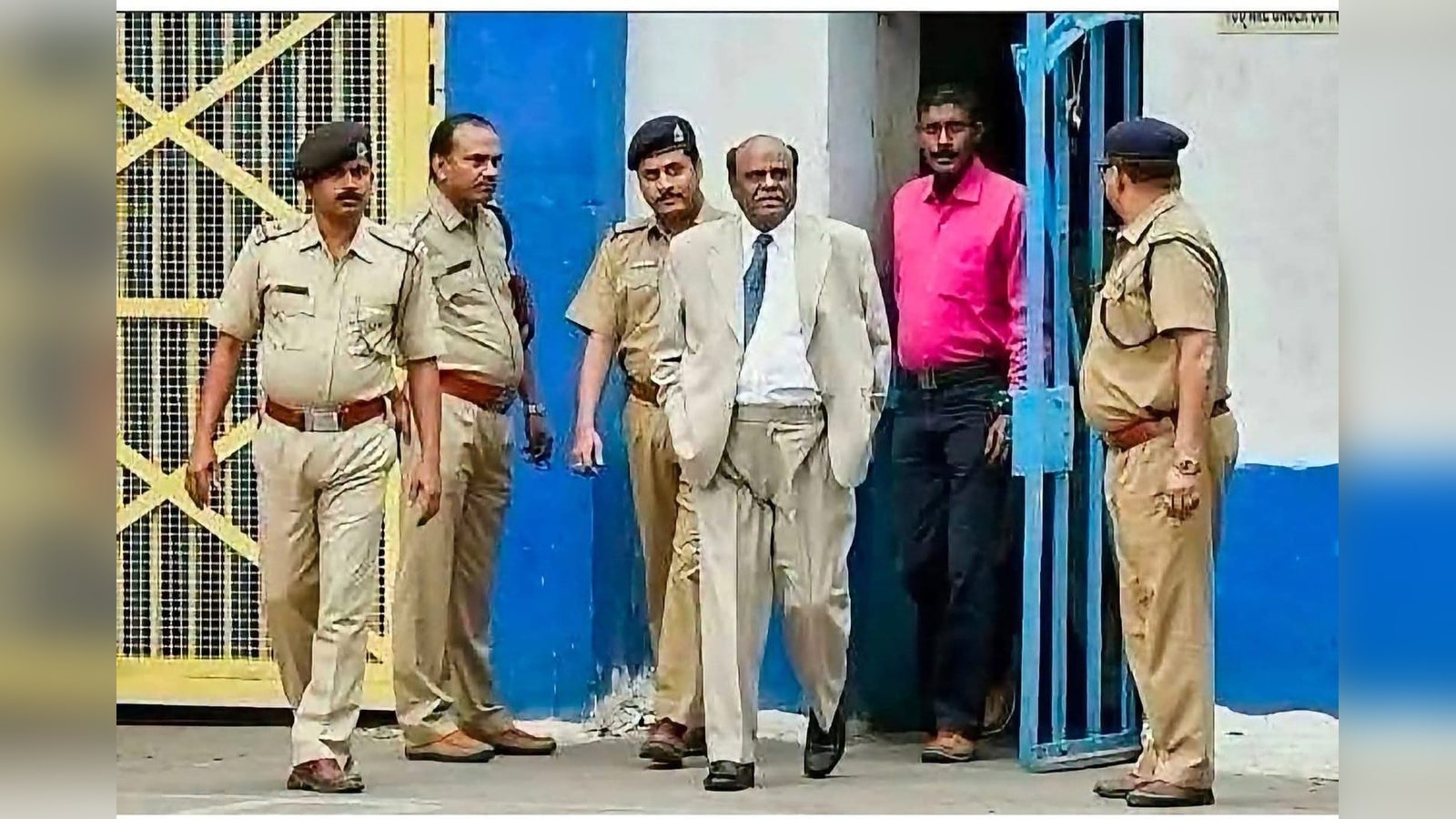
Image: Gandhi funeral procession, Wikimedia Commons, public domain in India.
Richard Attenborough’s Gandhi contains a funeral sequence that lasts only about two minutes on screen, yet the production behind it required an enormous operation. The scene was filmed in a single morning on 31 January 1981, the 33rd anniversary of Gandhi’s funeral.
Why the date mattered
Choosing 31 January gave the recreation a powerful historical connection. The film unit was not simply staging an imaginary crowd. It was recreating a national event on the anniversary of the original procession.
According to Guinness World Records, more than 300,000 extras participated in the sequence. The BFI has described the number as an estimated 400,000, illustrating how different production accounts have counted the people involved.
Eleven camera crews
A crowd of that size could not be covered by a conventional single-camera setup. Guinness records that eleven camera crews were used and around 6,096 metres of film were exposed.
The amount of raw footage was extraordinary. Yet the finished film used only 125 seconds of the funeral sequence. That contrast demonstrates how much material was required to create a short piece of cinema that could communicate scale and emotion.
The logistics behind the cameras
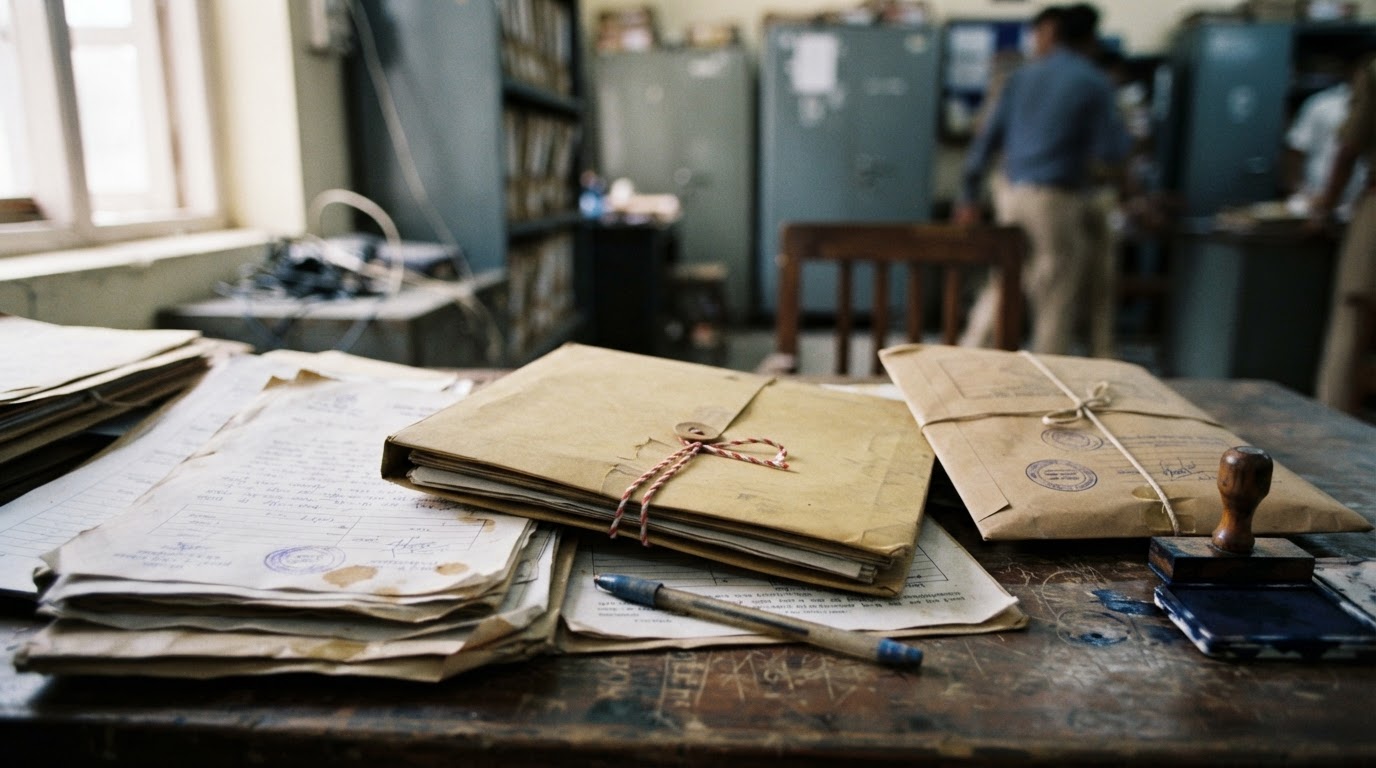
The production had to coordinate police, military units, invited spectators, volunteers, transport and medical arrangements. An original production call sheet for 31 January 1981 records multiple crowd groups and dedicated arrangements for traffic control, first aid, water and vehicles.
The document also shows that the production expected unexpected requirements, including additional costumes and crowd-management resources. The scene was therefore closer to organising a major public event than a conventional film shoot.
Practical filmmaking before digital crowds
Today, filmmakers can use computer-generated imagery to duplicate thousands of digital figures. Attenborough’s team worked in a very different production environment. The crowd was physically present, creating movement, sound and density that cameras could capture directly.
That practical approach is one reason the funeral scene remains a frequently discussed example of large-scale filmmaking.
For verified production figures, consult Guinness World Records and the BFI’s Gandhi programme notes.
NewsNationOnline readers can also read our earlier article on Gandhi’s efforts for Hindu-Muslim unity.
सीधे अपनी Facebook फ़ीड में पाएँ — News Nation Online पेज को Follow करें।
Discover more from NewsNation Online
Subscribe to get the latest posts sent to your email.
आपके लिए सुझाव