Jalna | Special Correspondent: The right to protest injustice is fundamental to democracy. Yet when a demonstration over legitimate grievances…
Read More

News That Informs. Stories That Matter.
Jalna | Special Correspondent: The right to protest injustice is fundamental to democracy. Yet when a demonstration over legitimate grievances…
Read More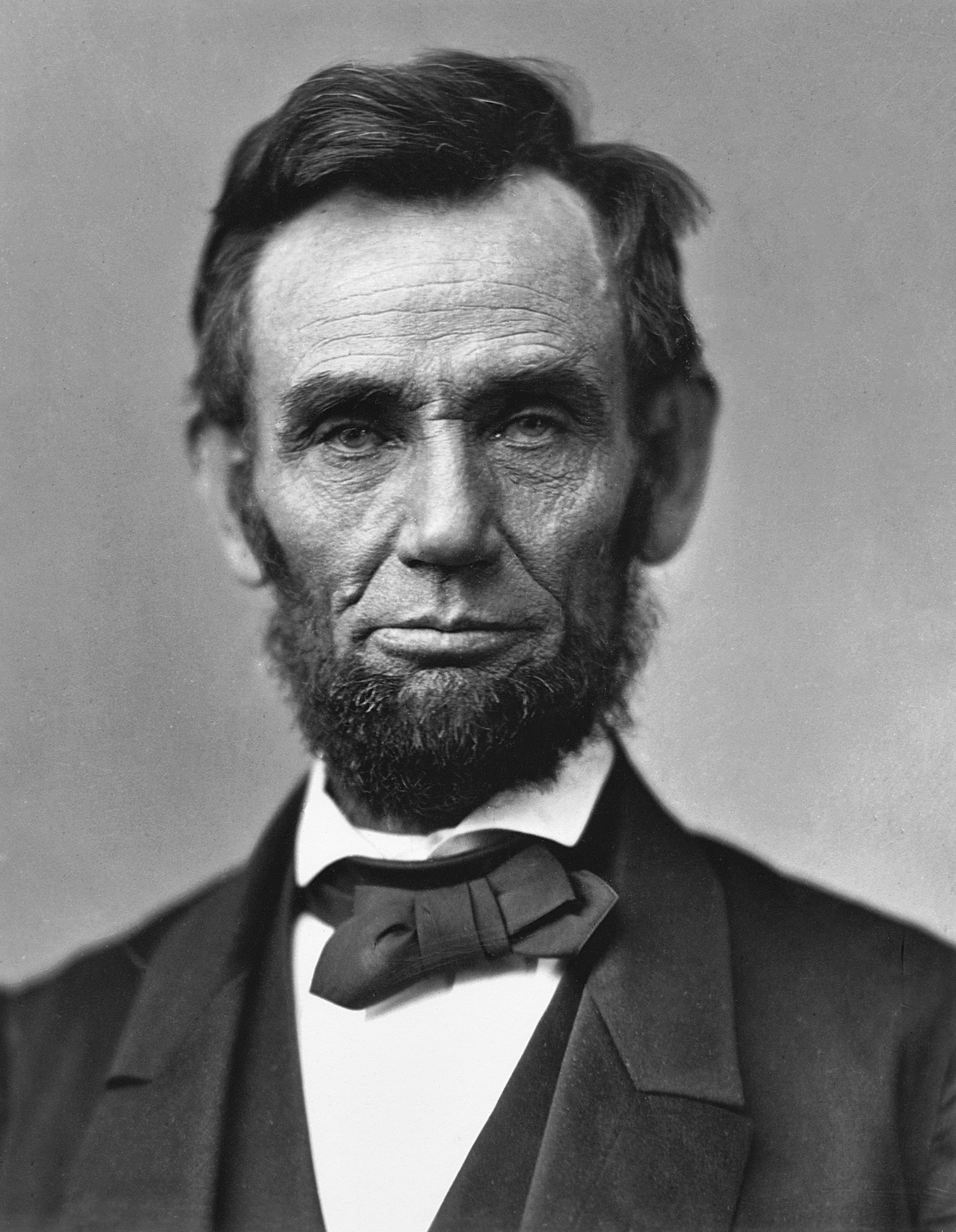
On November 6, Lincoln won the 1860 election, Jefferson Davis was elected in 1861, and Gandhi was arrested during a…
Read More
Gandhi’s autobiography, The Story of My Experiments with Truth, offers a first-person account of his childhood, South Africa years, ethical…
Read More
Gandhi's writings on science, machinery, industrialisation and technology reveal a complex debate about modernisation, human needs, labour and economic development.
Read More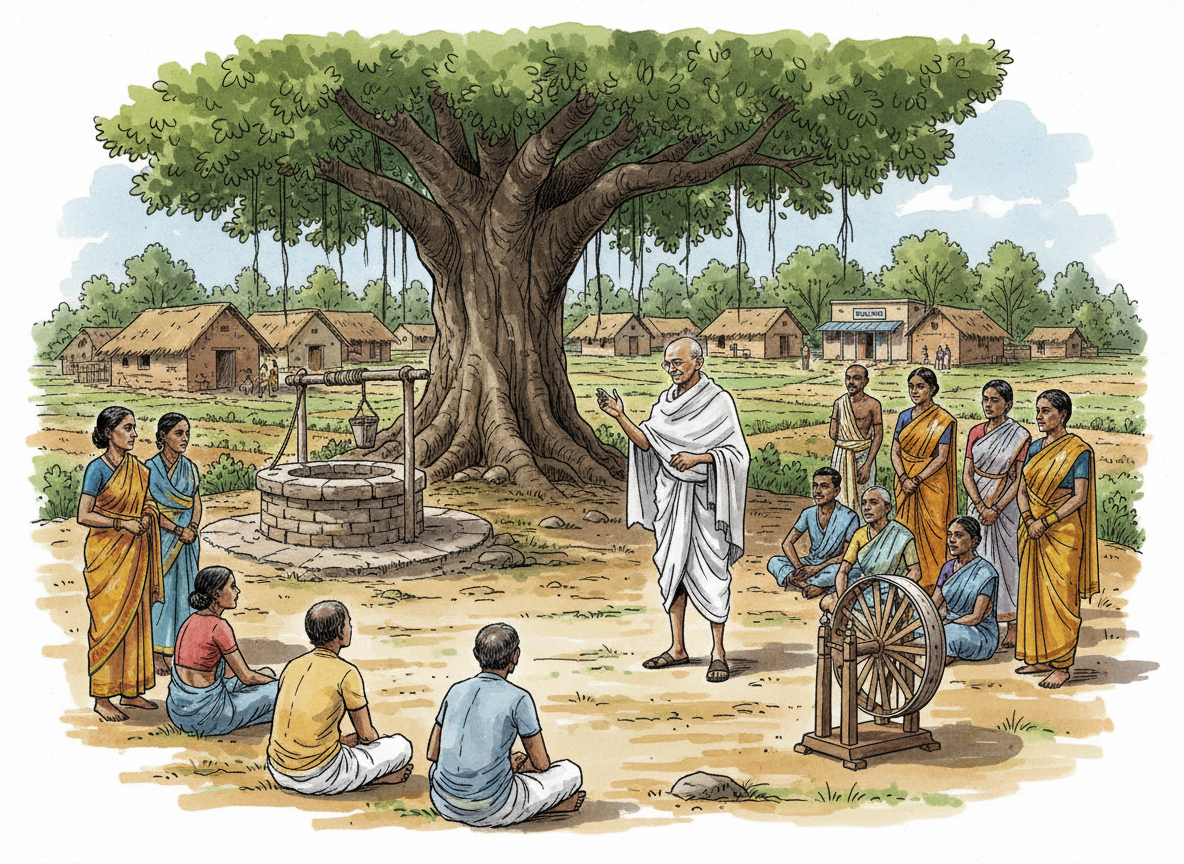
Gandhi placed villages at the centre of his vision of Indian society, linking rural reconstruction with local production, sanitation, education,…
Read More
Nai Talim, or Basic Education, was Gandhi’s approach to education that connected learning with productive work, practical skills, community life…
Read More
Gandhi’s daily life combined prayer, walking, spinning, writing, meetings and simple food, reflecting his emphasis on discipline and purposeful living.
Read More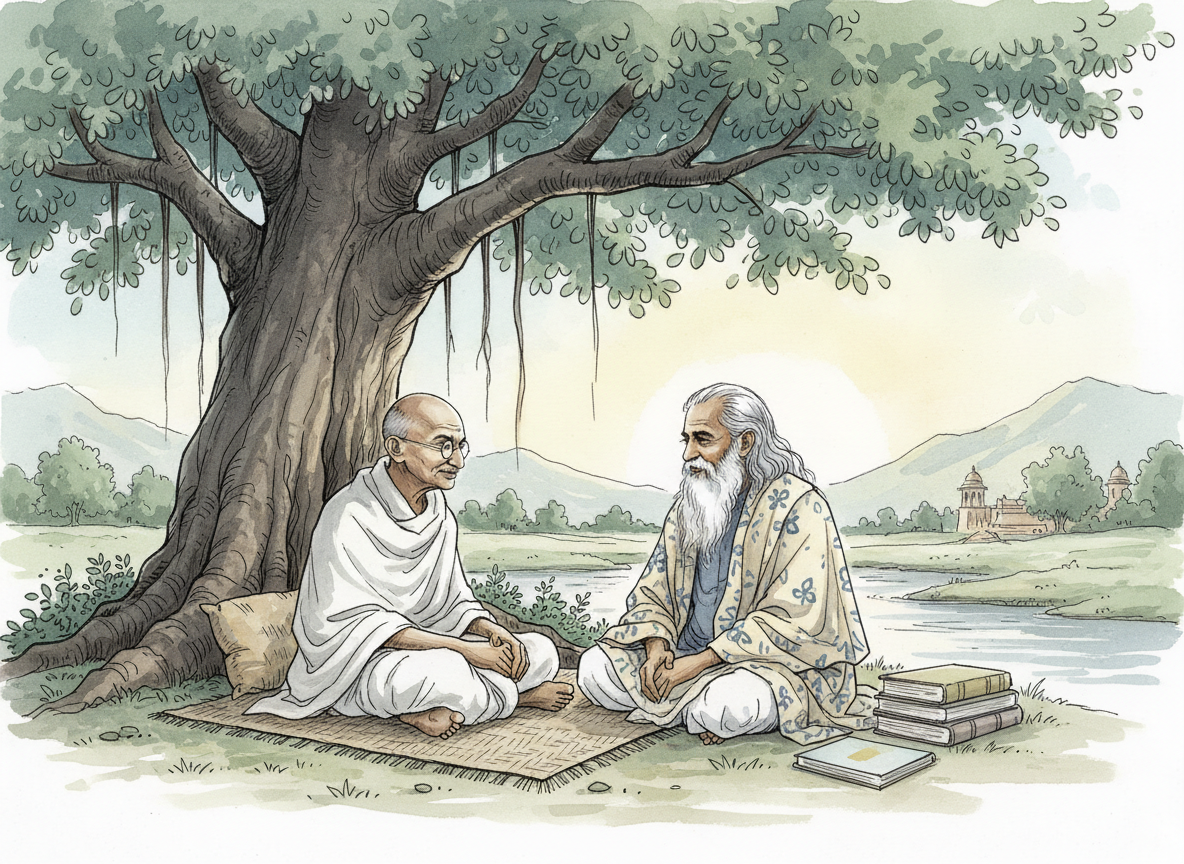
Mahatma Gandhi and Rabindranath Tagore shared deep respect but disagreed on nationalism, education, science and several methods of social and…
Read MoreGandhi's Constructive Programme went beyond protests against British rule, focusing on village development, khadi, communal harmony, sanitation, education and social…
Read MoreFor Gandhi, khadi and the spinning wheel were more than clothing: they became symbols of swadeshi, rural employment and resistance…
Read MoreGandhi spent more than two decades in South Africa, where experiences of racial discrimination, community organisation and civil resistance shaped…
Read MoreThe events of 30 January 1948 marked the end of Mahatma Gandhi’s life and became one of the most remembered…
Read More