
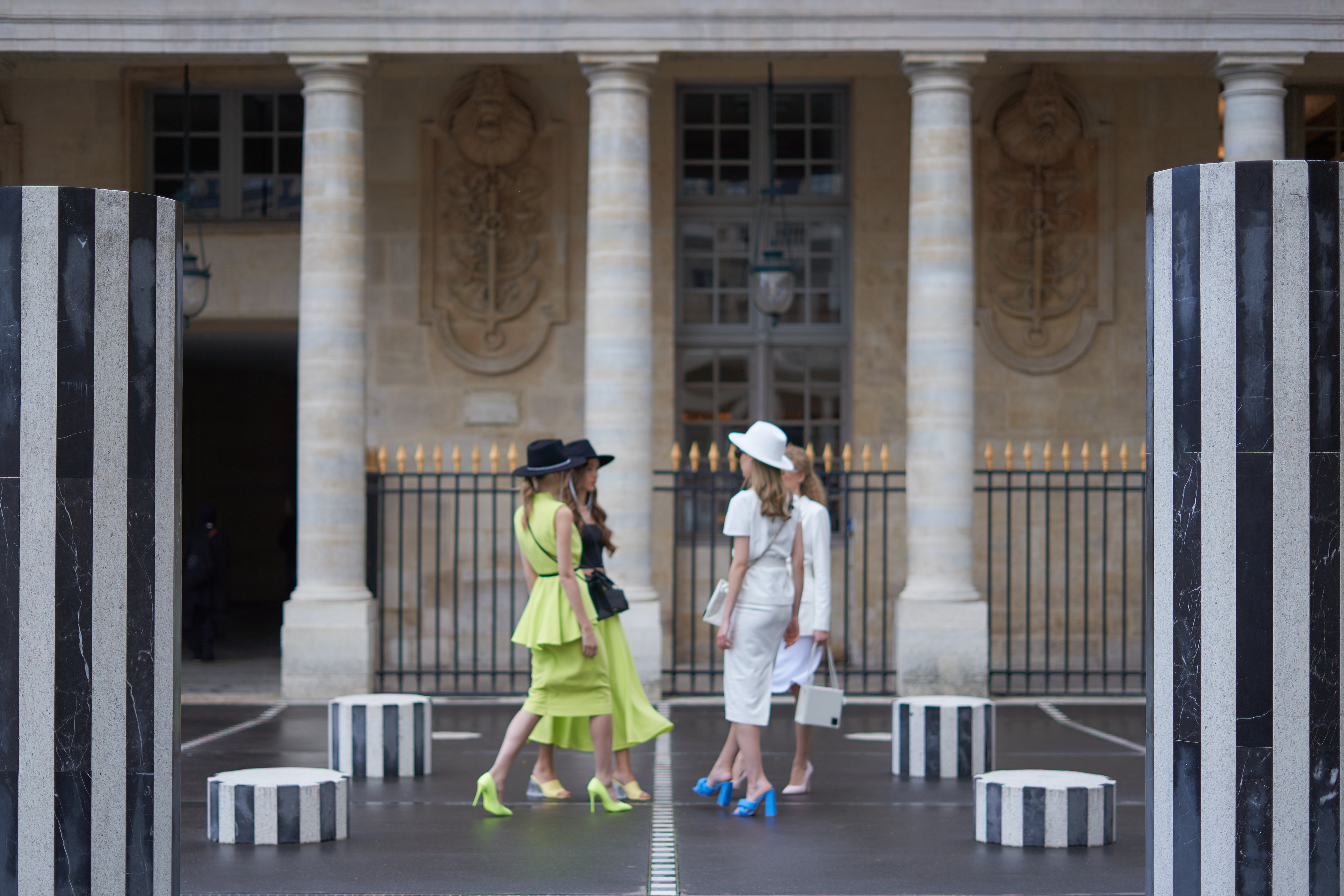
Hollywood fashion trends can travel from a red carpet to everyday wardrobes because celebrity appearances combine visual storytelling with a large audience. A distinctive suit, vintage-inspired dress or memorable film costume may inspire designers, retailers and fans around the world. Yet a look is rarely the work of one person alone: stylists, designers, tailors, hair and makeup artists all contribute to the final result.
Featured image: Archive Paris Fashion Week presentation, 2022. Photo: Anastasiia Ivanova / Wikimedia Commons, licensed under CC BY 4.0. Source on Wikimedia Commons.
The red carpet as a fashion stage
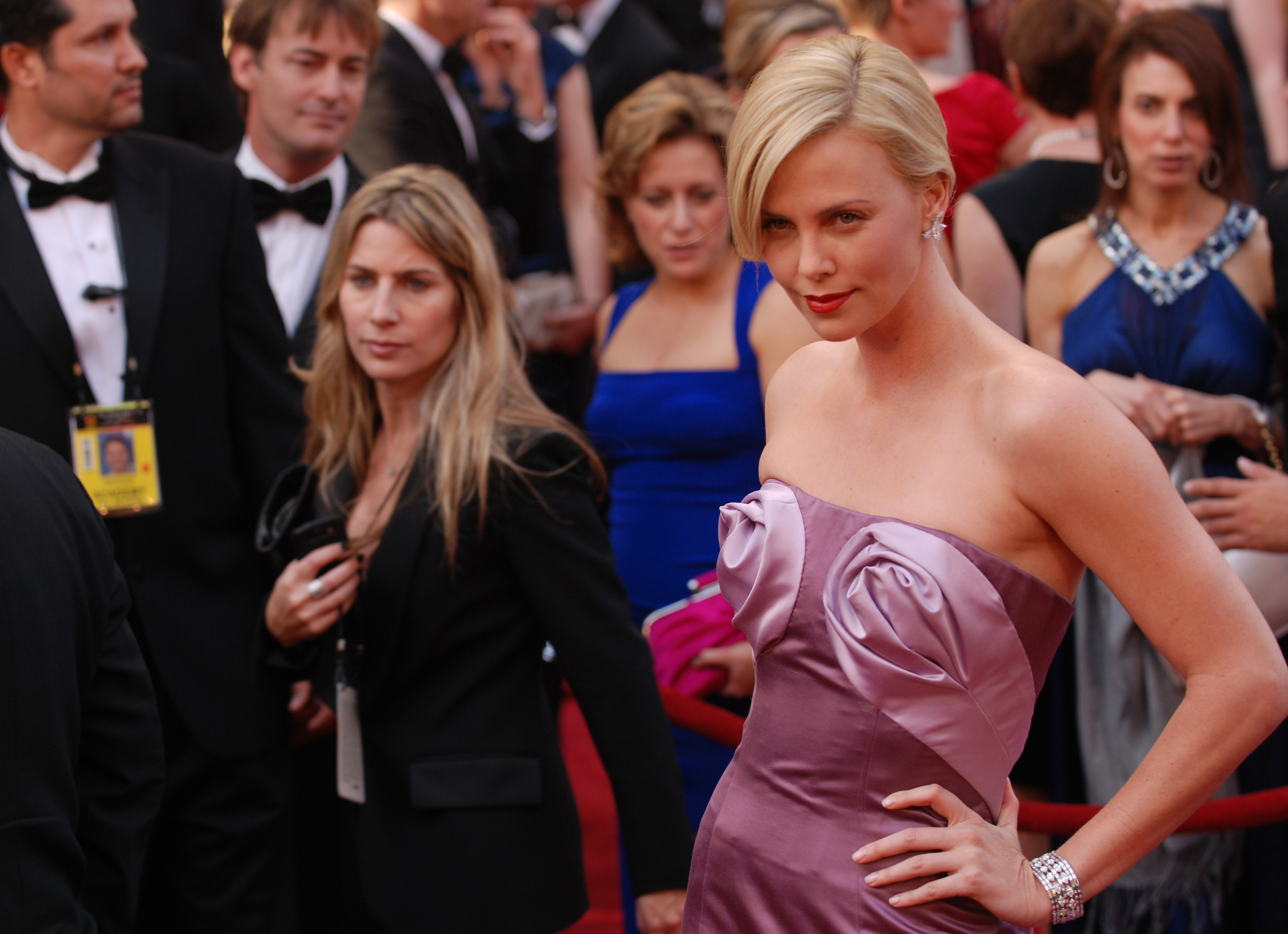
Premieres and awards ceremonies create highly photographed moments. Designers use these events to showcase their work, while performers and stylists choose outfits that fit the occasion and the person wearing them. A look may become a talking point because of its colour, silhouette, craftsmanship or connection to a wider trend.
Celebrity visibility can help a lesser-known designer reach a much larger audience. When a star wears a garment to a major event, photographs may be published around the world within minutes. That attention can create demand, but it does not mean the exact outfit is available or affordable to everyone.
The stylist’s role
Stylists research designers, consider the event’s dress code and build a look that works on camera and in person. They may balance the garment with jewellery, shoes and other details, while coordinating fittings and alterations. Some outfits are custom-made; others are archival pieces or loans from a fashion house.
The collaboration can be creative and strategic at once. A performer may want a look that reflects personal taste, while a designer hopes to show a collection and a film campaign aims to keep the project visible. The strongest styling choices often allow all these goals to coexist without feeling forced.
From celebrity image to consumer trend
Fashion coverage translates a look into details readers can discuss: tailoring, colour, fabric, accessories and references to earlier decades. Fans may seek similar pieces, while retailers respond to broader interest in a particular shape or shade. Online searches and social posts can accelerate the process, though a single outfit does not prove that a trend will last.
Film costumes can have a similar effect. Clothing associated with a character may become part of the story’s identity, inspiring recreations and themed collections. Costume design serves the narrative first, but its influence can continue after a film leaves theatres.
Rewearing and sustainability
When a celebrity wears an outfit more than once, the decision can challenge the idea that public appearances always require something new. Rewearing can highlight craftsmanship and offer a more sustainable alternative to one-time use. Vintage and rented clothing can also extend the life of garments.
At the same time, sustainability claims should be specific. One repeated outfit does not reveal the full environmental impact of a wardrobe or production. Responsible fashion coverage can celebrate reuse while avoiding unsupported claims about a brand’s practices.
How to read celebrity fashion coverage
Fashion criticism works best when it describes the design and context rather than reducing a person’s appearance to praise or ridicule. Readers can ask who designed a piece, how it was made and what creative choices stand out. They can also remember that photographs are affected by lighting, posing and editing.
Celebrity style remains influential because it gives audiences a visible way to discuss identity, creativity and culture. The most lasting looks are not necessarily the most expensive; they are often the ones that communicate a clear idea.
Explore related coverage of red-carpet moments and awards-season highlights.
Style, access and the wider fashion industry
Celebrity fashion is also a story about access. Many red-carpet garments are custom-made or borrowed, and the finished look depends on skilled labour that may be invisible in a photograph. Tailors, pattern makers, embroiderers and other craftspeople contribute to the result, while stylists coordinate practical details such as fittings, movement and how a garment will appear under event lighting.
Online shopping can make a trend feel instantly available, but mass-market versions may differ substantially from the original design in fabric, fit and construction. Fashion coverage can help readers understand the inspiration behind a look without implying that buying a similar item recreates the same craftsmanship. It can also highlight vintage, rental and rewear options that make style less dependent on constant new purchases.
The strongest celebrity fashion stories connect a memorable outfit to design choices and cultural context. That approach respects the people who made the garment and gives readers ideas they can adapt to their own budgets and tastes.
Further reading
For information about American fashion designers and the industry, visit the Council of Fashion Designers of America.
Discover more from NewsNation Online
Subscribe to get the latest posts sent to your email.
आपके लिए सुझाव













Leave a Reply