
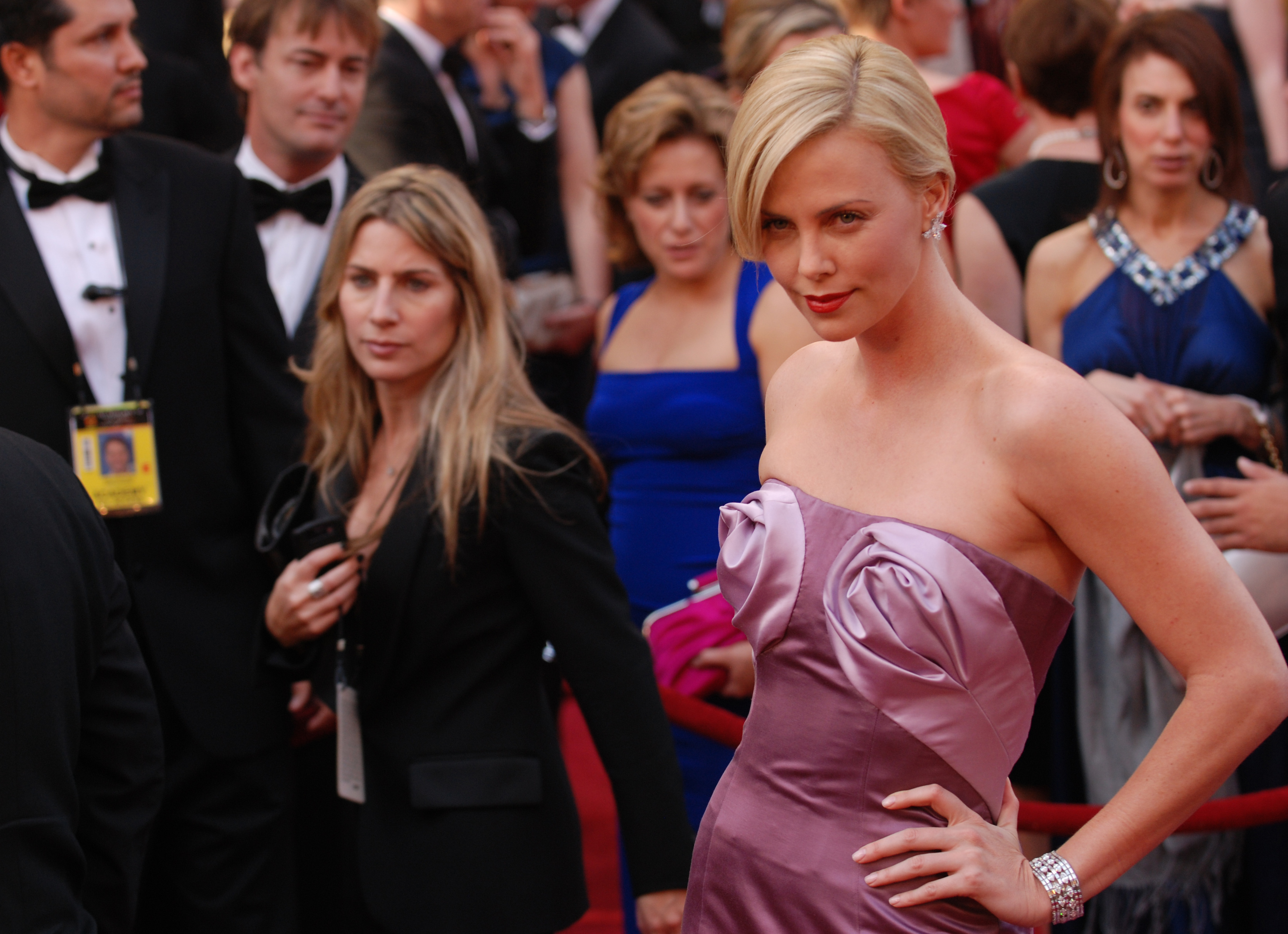
A Hollywood red carpet can last only a few minutes for each guest, yet the images and conversations that emerge from it may travel around the world. A premiere or awards ceremony is both a celebration of creative work and a carefully planned media event. Fashion, interviews, film promotion and social media all meet in one highly photographed space.
Featured image: Charlize Theron at the 82nd Academy Awards. Photo: Sgt. Michael Connors / U.S. Army, public domain. Source on Wikimedia Commons.
Why the red carpet matters
For a film, a premiere is an opportunity to introduce the project to audiences before or around its release. Cast members and filmmakers speak with reporters, pose for photographs and explain what drew them to the production. The carpet creates a visual story that can be shared by entertainment sites, broadcasters and fans who may not attend the screening.
For performers, the event is also a chance to communicate a public image. Some choose understated tailoring; others use colour, unusual silhouettes or vintage pieces to make a statement. The most discussed look is not always the most expensive. Often, it is the one that feels distinctive, suits the wearer and photographs clearly.
The team behind a memorable look
A red-carpet outfit is usually a collaboration. Stylists research designers and silhouettes, fashion houses may lend or create garments, and hair and makeup professionals complete the presentation. Publicists coordinate arrival times and interviews, while photographers work to capture a clear image amid a crowded press line.
That teamwork does not mean every appearance is scripted. A spontaneous exchange, an unexpected reunion or a candid reaction can become the moment audiences remember. The balance between planning and genuine emotion helps keep these events compelling.
How a look becomes a headline
After photographs appear online, fashion editors and audiences discuss the details: the colour, construction, jewellery, tailoring and references to earlier styles. A look may prompt wider conversations about sustainability when a celebrity rewears an outfit, or about representation when designers from underrepresented communities receive attention. A single appearance can also direct readers toward the film itself.
Social platforms accelerate the cycle. A short clip or image can be shared before the event ends, and reactions can differ across communities. The first viral interpretation is not necessarily the most thoughtful one, so readers should look for context rather than treating every online ranking as an objective verdict.
Publicity and the work being promoted
Red carpets are part of the entertainment publicity calendar, but they are not a reliable measure of a film’s quality or eventual success. A glamorous premiere may help a project become visible; audience response also depends on storytelling, reviews, distribution and word of mouth. The carpet is an introduction, not the whole story.
For readers, the most useful coverage connects the visual moment to the people and creative work behind it. It explains why an outfit or exchange matters without turning every small gesture into a scandal.
What makes a moment last?
The red-carpet moments that endure usually combine a clear visual image with a meaningful human story: a long-awaited return, an emotional tribute, a bold design or a sincere conversation about the work. When coverage balances glamour with context, the event becomes more than a gallery of photographs.
For more context, read our stories on Hollywood fashion trends and memorable awards-season moments.
The difference between a viral moment and a lasting story
Virality is often driven by timing as much as by the event itself. A photograph may spread because it arrives during a major release, connects with a familiar fashion reference or gives fans something easy to debate. That attention can be useful to a film campaign, but it can disappear quickly when another event takes over the feed. Editors can add value by explaining the design choices, the project being promoted and the people who made the moment possible.
Coverage should also recognise the limits of a single image. Lighting, camera angle and a split-second expression can change how a person appears. A fair report describes the visible details and avoids assigning motives without evidence. When a look is connected to a wider conversation—such as rewearing, craftsmanship or a designer’s background—the article offers readers something more useful than a simple best-dressed ranking.
Red-carpet coverage works best when it treats fashion as creative work and the event as part of a larger film story. Readers can enjoy the spectacle while remembering that a premiere is a promotional moment, not a complete measure of a performer or a movie.
Further reading
Learn about the Academy’s awards and ceremonies at Oscars.org.
Discover more from NewsNation Online
Subscribe to get the latest posts sent to your email.
आपके लिए सुझाव















Leave a Reply