

A finished Hollywood film may appear seamless on screen, but it is the result of many departments working through a long process. The exact schedule varies by project, yet most productions move through several broad stages: development, pre-production, filming, post-production and distribution.
1. Development: finding the story
Development begins with an idea, screenplay, book adaptation or other source material. Producers and writers refine the story, assess the budget and consider the intended audience. A project may change significantly during this stage as scripts are rewritten, financing is arranged and creative partners come aboard.
2. Pre-production: planning the practical details
Once a film moves closer to production, the team begins casting, scouting locations, designing sets and costumes, preparing schedules and organising equipment. Directors work with cinematographers, production designers and department heads to establish the look and logistics of the film.
Careful planning can reduce expensive delays later. Weather, locations, actor availability, safety requirements and complex action scenes all influence the shooting plan.
3. Production: capturing the scenes
Principal photography is the period when most live-action scenes are filmed. Actors perform in front of cameras while lighting, sound, camera and assistant-director teams coordinate each setup. A single scene may require several takes, multiple camera positions and hours of preparation for only a few minutes of screen time.
Large productions may use sound stages, real locations, practical effects and green-screen work. Animation follows a different process, but it also relies on story planning, design, performance, sound and repeated review.
4. Post-production: building the final film
After filming, editors assemble the footage into a coherent story. Sound designers, composers, visual-effects artists and colourists then help shape the final experience. Music can change the emotional tone of a scene, while sound editing and mixing make dialogue, atmosphere and effects work together.
Visual effects may be planned before shooting and completed months later. Test screenings or studio feedback can lead to further editing, depending on the production.
5. Distribution and marketing
When the film is ready, distributors plan its release, trailers, publicity, advertising and availability in cinemas or on digital platforms. Release dates may be chosen around competition, holidays, awards eligibility and audience demand.
The process is collaborative: writers, performers, technicians, producers and distributors all shape how a story reaches viewers. Understanding these stages helps audiences appreciate why filmmaking takes time—and why the final credits list so many different jobs.
Further reading: British Film Institute for film education and production resources. Browse more Hollywood features.
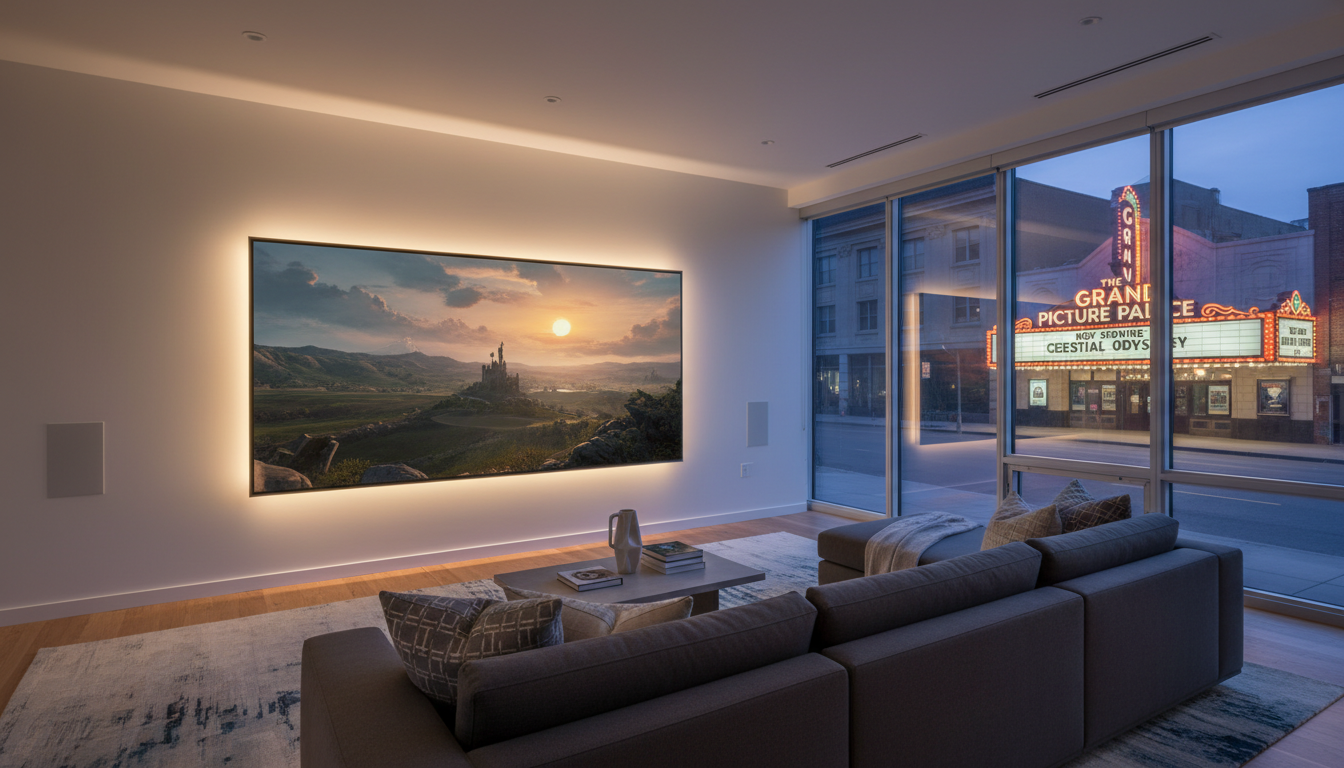
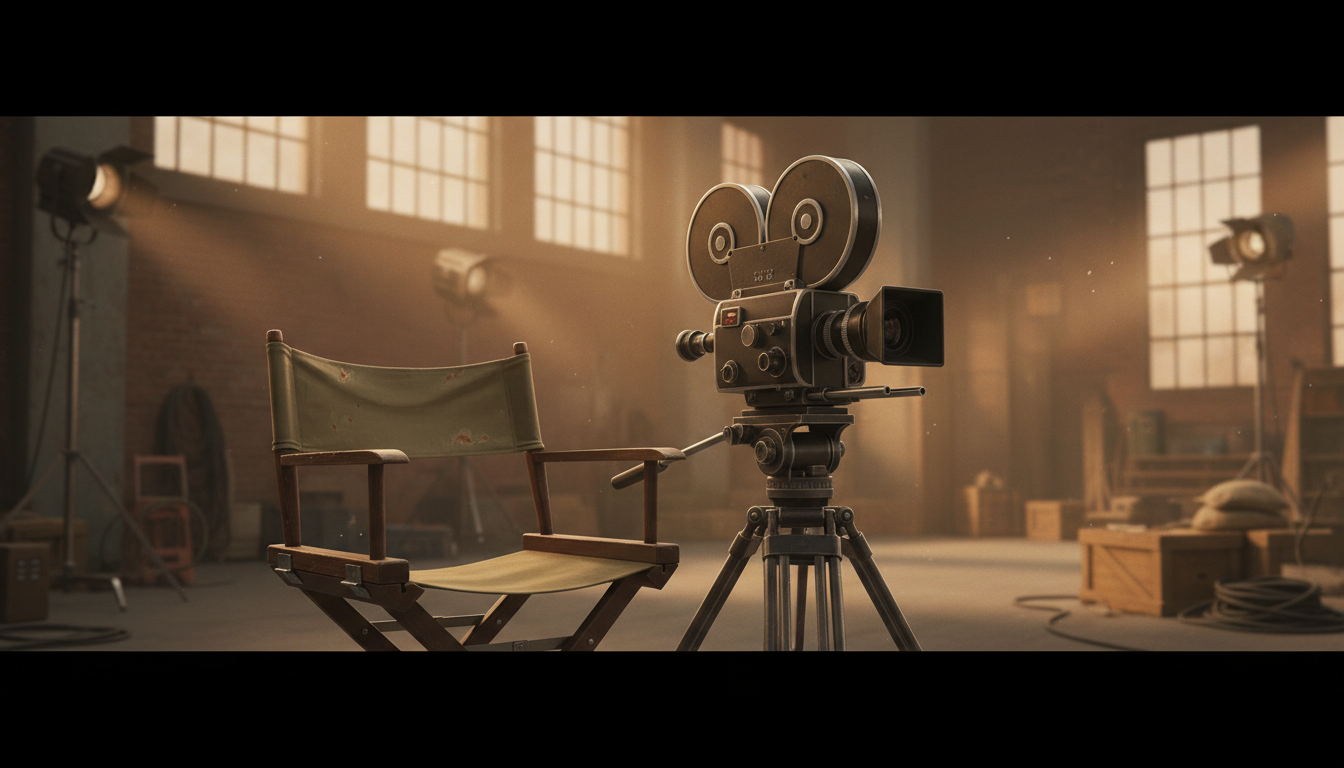
Featured image is an illustrative AI-generated film-production scene.
Related Hollywood stories
- How to Read Hollywood Movie Reviews: Critics, Audience Scores and What They Really Tell You
- Streaming vs Theatres: How Hollywood’s Movie Release Strategy Has Changed
Discover more from NewsNation Online
Subscribe to get the latest posts sent to your email.
आपके लिए सुझाव









Leave a Reply