

Paparazzi photography occupies a complicated place in Hollywood. Candid pictures can reveal a side of a performer that audiences do not see on screen, but the same images can also turn ordinary activities into public spectacle. The debate is not simply whether people are curious about celebrities; it is how that curiosity should be balanced with privacy, safety and responsible reporting.
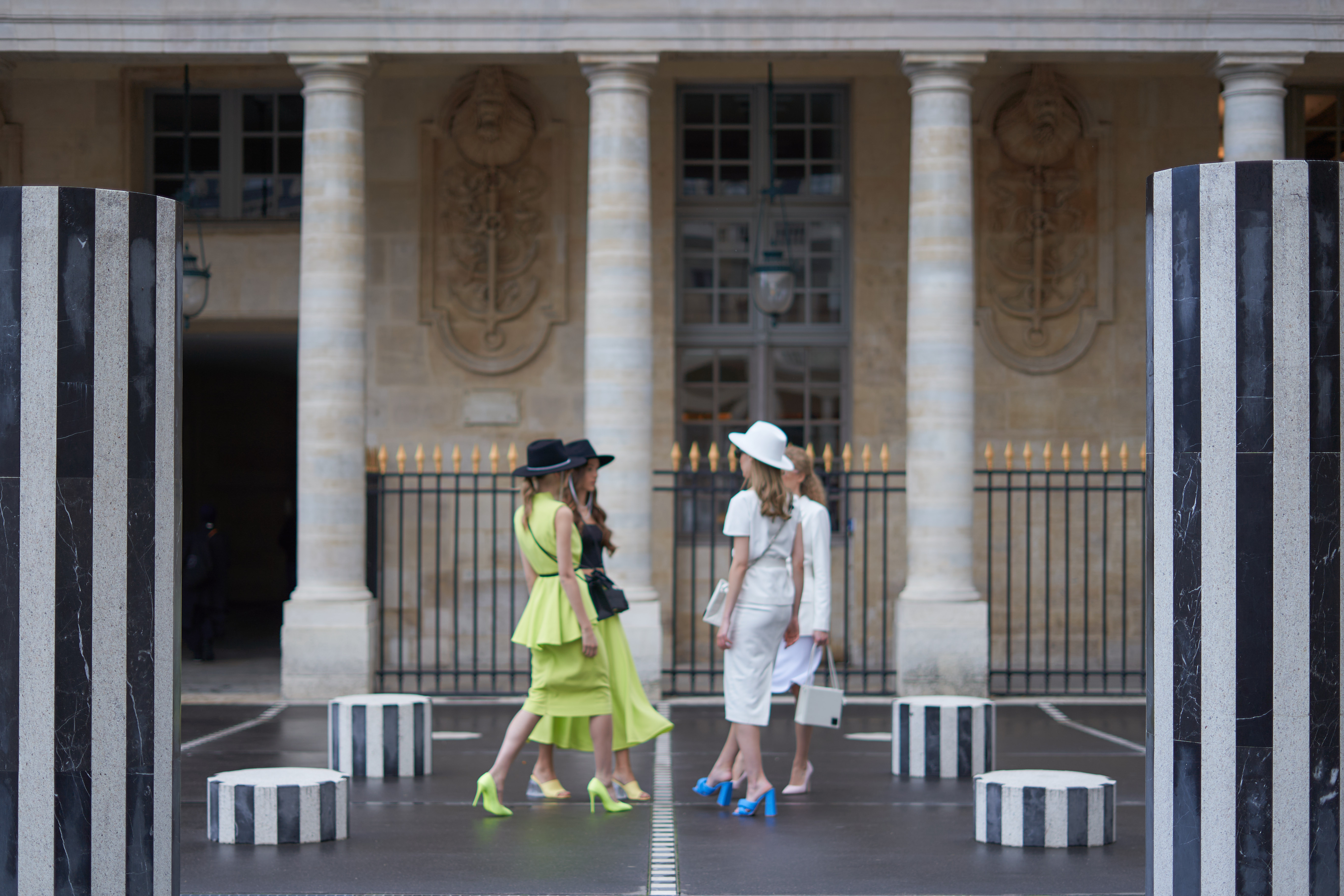
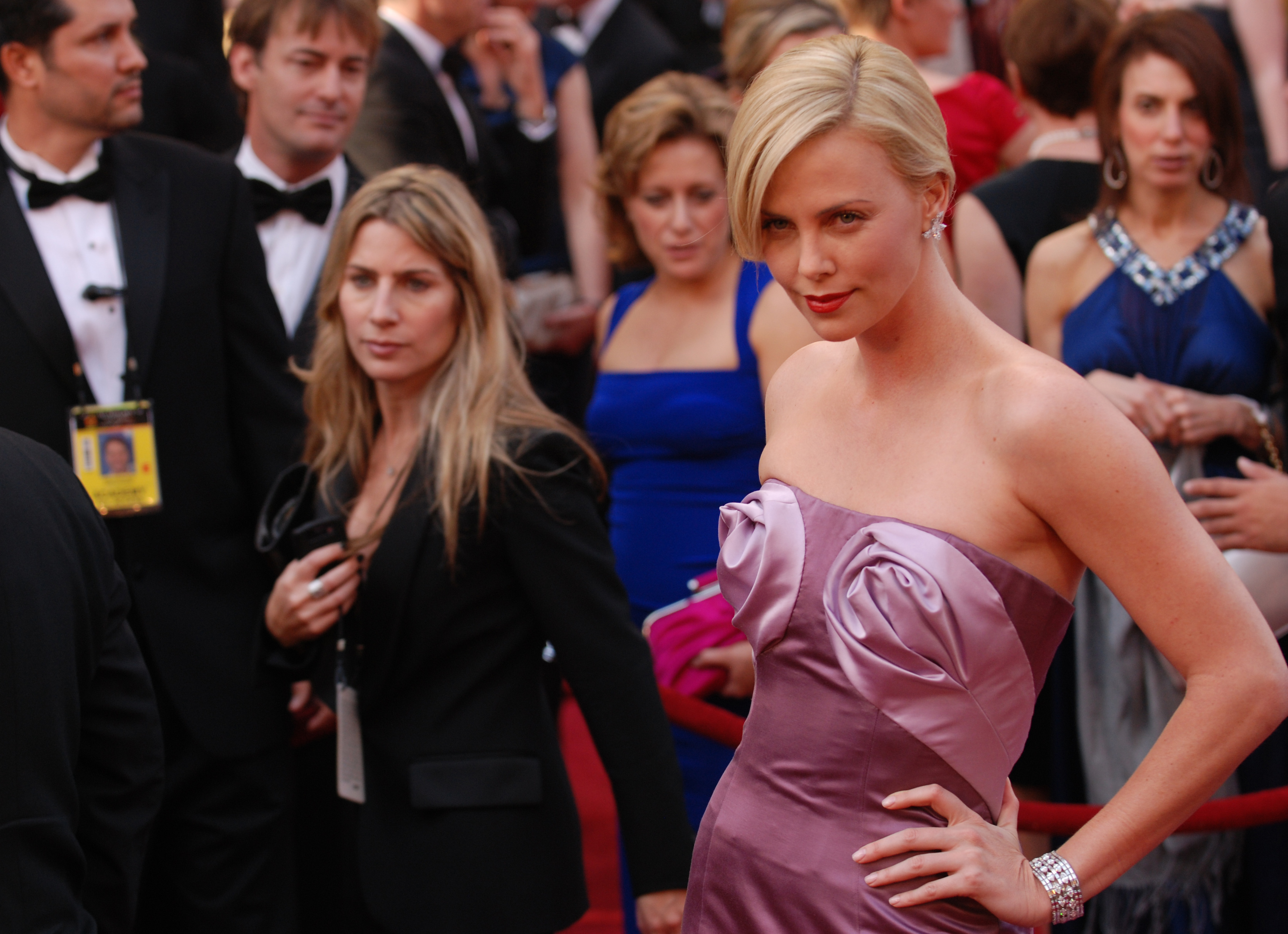
Featured image: Illustrative paparazzi photography scene. Photo: Ewen Roberts / Wikimedia Commons, licensed under CC BY 2.0. Source on Wikimedia Commons.
How the paparazzi business developed
Entertainment photography expanded with celebrity magazines, newspapers and television programmes that competed for exclusive pictures. A famous actor walking through an airport or leaving a restaurant could attract readers because the image seemed less formal than a promotional portrait. As digital publishing grew, photographs could be distributed quickly to websites and social platforms, making speed and exclusivity valuable.
Photographers may work independently, for agencies or on assignment. Images can be licensed to publishers, and a photograph that sparks widespread interest may be reused or syndicated. That commercial incentive helps explain why a seemingly ordinary moment can become a headline.
Why audiences click
Film and television present carefully edited performances. Candid photography appears to offer a glimpse beyond the role, creating a sense of proximity to people who are otherwise distant. Readers may be interested in clothing, a new project, a public appearance or a moment that appears spontaneous.
But a photograph rarely tells the whole story. A facial expression can be misread, a cropped image can remove important context, and a caption may imply a relationship or conflict that the picture cannot prove. Responsible coverage distinguishes what is visible from what is speculation.
Where privacy becomes a concern
Public figures accept a degree of attention when they promote work or attend public events, but that does not mean every setting is fair game. Persistent following, intrusive photography near homes, harassment and unsafe pursuit can create real risks. Laws vary by jurisdiction, and the fact that an image is available online does not automatically make every use ethical.
Children and other family members deserve particular care. Their presence beside a famous person does not necessarily make them part of a public story. Newsrooms should consider whether an image serves a genuine public interest or merely satisfies curiosity.
How readers can assess a celebrity photo story
Look at the source, date and setting. Is the image from an official event, a licensed agency or an account with a clear track record? Does the accompanying article provide verifiable information, or does it make claims based on body language alone? A dramatic headline may be designed to encourage clicks rather than communicate what is known.
Editors should also avoid presenting invasive behaviour as harmless entertainment. Coverage can discuss the business of paparazzi photography without publishing every intrusive image or amplifying unverified claims about a person’s private life.
Can celebrity coverage be both interesting and fair?
Yes. Public appearances, professional milestones and confirmed statements can be covered without turning speculation into fact. A careful article explains what is known, identifies uncertainty and gives subjects a fair representation. It also recognises that a photograph may have commercial value while still raising ethical questions.
For related context, read about how Hollywood stars build a public image and how social media changed celebrity gossip.
The responsibility of publishers and readers
Publishers make important choices about which photographs to buy, publish and promote. A strong editorial policy can weigh news value against the risk of encouraging harassment or exposing people who are not part of the story. It can also require captions to state where and when an image was taken, rather than allowing an old photograph to circulate as if it were new.
Readers influence the market too. Clicking, sharing and commenting can increase demand for intrusive images, while choosing careful reporting supports outlets that explain context. A viral photograph is not automatically a public-interest story, and a widely repeated claim does not become true through repetition. Checking dates and original sources is a simple way to avoid helping a misleading narrative spread.
Celebrity photography will continue to attract audiences because fame creates curiosity. The challenge is not to eliminate entertainment coverage, but to keep it accurate and proportionate. A useful story informs the public without implying that fame removes a person’s right to safety or dignity.
Further reading
For background on photojournalism and its history, see Encyclopaedia Britannica’s overview of photojournalism.
Discover more from NewsNation Online
Subscribe to get the latest posts sent to your email.
आपके लिए सुझाव












Leave a Reply