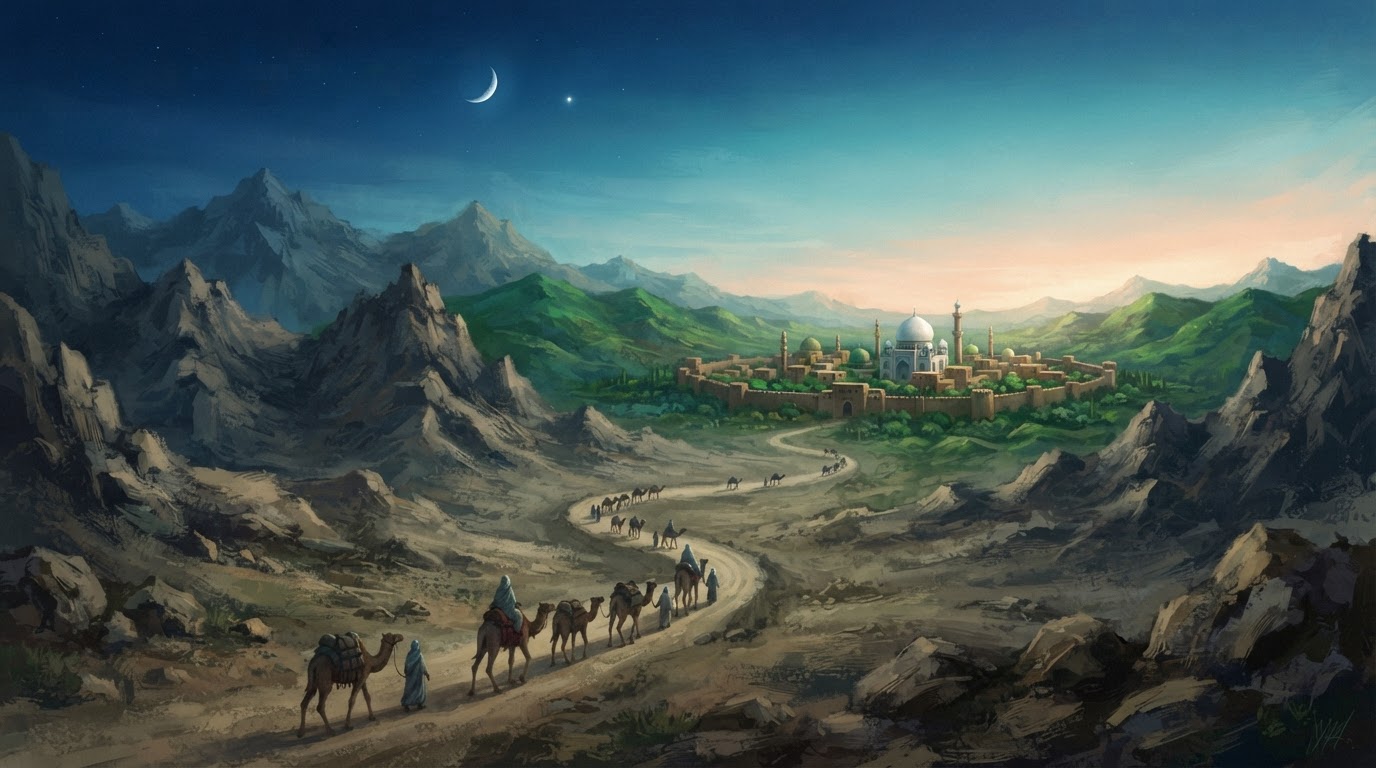
Image: Mahatma Gandhi, historical photograph.
The Non-Cooperation Movement, launched under Gandhi’s leadership in 1920, marked a major expansion of mass participation in India’s struggle against British rule.
Why Gandhi launched the movement
The campaign followed the Rowlatt agitation, the Jallianwala Bagh massacre and growing opposition to colonial rule. Gandhi argued that British authority depended partly on Indian cooperation.
What non-cooperation meant
The programme included boycotts of government schools, law courts, legislative institutions, foreign cloth and official honours. Volunteers promoted khadi and national education.
Mass participation
Students, lawyers, workers, farmers and traders participated in different parts of the country. The scale of mobilisation made the movement a major turning point in Indian politics.
Chauri Chaura and withdrawal
After protesters killed policemen at Chauri Chaura in February 1922, Gandhi decided to suspend the campaign because he believed the movement had moved away from his commitment to nonviolence.
Historical significance
The movement demonstrated the reach of mass politics while also highlighting the organisational challenges of sustaining disciplined nonviolent resistance.
Read NewsNationOnline’s Jallianwala Bagh feature and Gandhi and khadi feature.
सीधे अपनी Facebook फ़ीड में पाएँ — News Nation Online पेज को Follow करें।
Discover more from NewsNation Online
Subscribe to get the latest posts sent to your email.
आपके लिए सुझाव