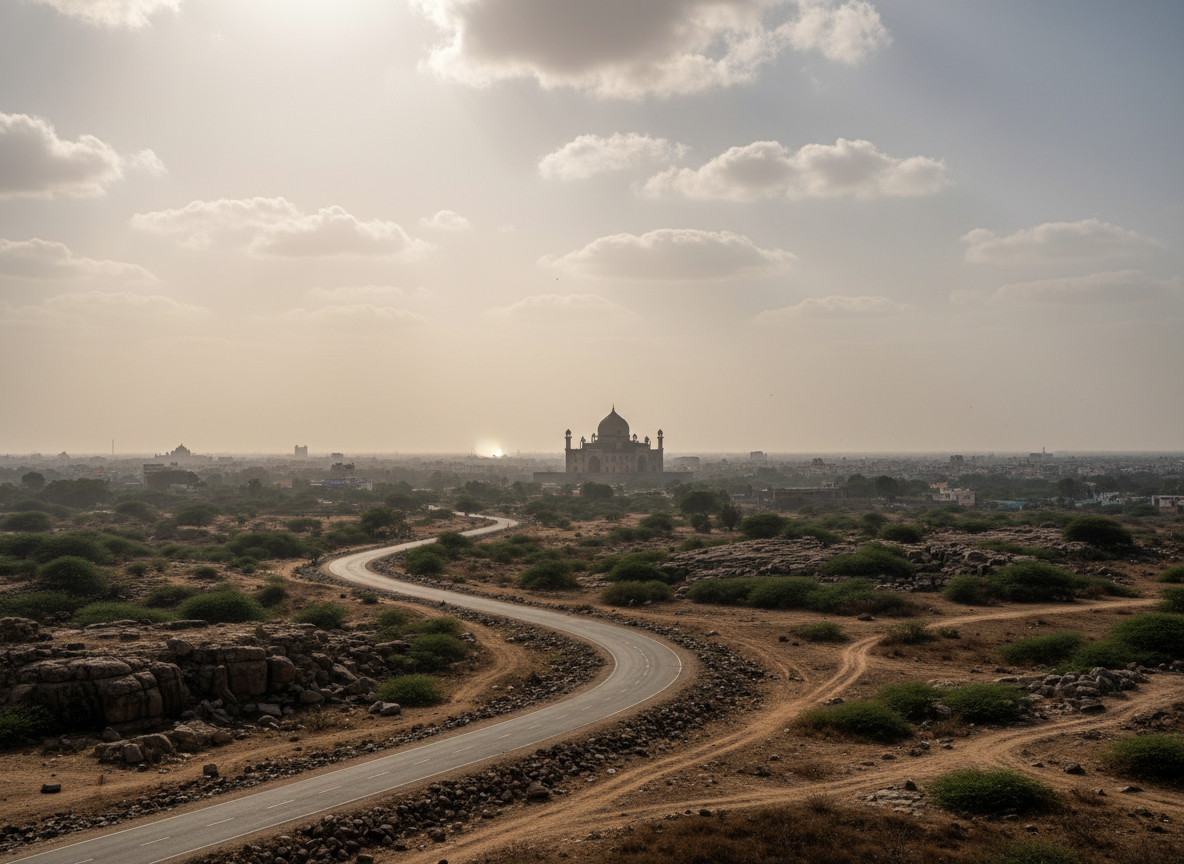
CHHATRAPATI SAMBHAJINAGAR, October 2, 2026: The end of the 2026 monsoon has brought a renewed water-management challenge to Chhatrapati Sambhajinagar and the wider Marathwada region. Regional rainfall stood at only 65.5% of normal for June to September, while Chhatrapati Sambhajinagar recorded around 74% of normal rainfall.
The rainfall figures have implications for drinking water, agriculture, groundwater and urban planning. Recent regional reporting said 295 water tankers had been deployed across Marathwada and 553 private wells acquired to support drinking-water supplies.
A major reversal from the previous year
The 2026 rainfall situation contrasts sharply with the previous monsoon. The eight districts of Marathwada reportedly received 947 mm in the previous year, equivalent to 138.9% of normal, while this year the total was about 445 mm against a normal 679.5 mm.
Such year-to-year variation makes long-term water planning difficult. Reservoirs may enter a season with high storage after a surplus year and then receive far less inflow the following year. Authorities therefore have to balance immediate drinking-water needs with irrigation and other demands.
What 74% rainfall means for Sambhajinagar
The district’s 74% figure is better than the regional average but still below normal. A deficit of this size can become more important as temperatures rise and stored water is consumed. Groundwater levels can also vary widely depending on local geology, rainfall intensity and extraction.
Residents should therefore avoid interpreting the district’s relatively higher percentage as evidence that water stress is absent. The actual situation can differ between villages, reservoirs and urban neighbourhoods.
Urban water supply and the new network
The city is simultaneously working on a large water-supply project intended to strengthen the municipal network. Recent reports said testing and internal connections were underway in areas that previously lacked a complete network.
The project could improve distribution once fully commissioned, but the city’s long-term water security still depends on the availability of a reliable source. Pipelines can distribute water efficiently, but reservoirs, rivers, groundwater and rainfall ultimately determine how much water is available.
Impact on agriculture
Farmers will also monitor soil moisture and irrigation sources as they prepare for the next cropping cycle. A rainfall deficit can affect sowing decisions, crop selection and irrigation costs. Agricultural advisories can help farmers choose practices appropriate to local conditions.
Water-efficient methods such as drip irrigation and soil-moisture conservation can reduce demand, although their usefulness depends on crop, soil and farm conditions. Farmers should consult agriculture officials before making major investments.
Why tanker deployment matters
Water tankers are generally an emergency or supplementary measure rather than a substitute for reliable source infrastructure. Their deployment indicates that some communities are experiencing pressure on local water sources. Tanker supply also requires route planning, quality monitoring and transparent distribution to ensure that vulnerable communities receive adequate water.
What residents can do
Residents can reduce pressure on municipal systems through responsible water use, fixing leaks and avoiding unnecessary wastage. Housing societies should inspect pumps, storage tanks and internal pipelines. Businesses with high water consumption can also review their usage and identify opportunities for reuse where permitted.
The official Chhatrapati Sambhajinagar district administration website remains an important source for government notices. NewsNationOnline will continue covering the city’s water, agriculture and civic developments in our local news section.
The months ahead
The post-monsoon period will be important for determining how quickly the rainfall deficit translates into water stress. Winter rainfall, reservoir inflows, groundwater recharge and demand will all influence the situation. Authorities may need to update supply plans as conditions develop.
Editorial note: Rainfall and water conditions can change over time and vary significantly within the district. Readers should follow the latest official local advisories for specific water-supply decisions.
आपके लिए सुझाव
