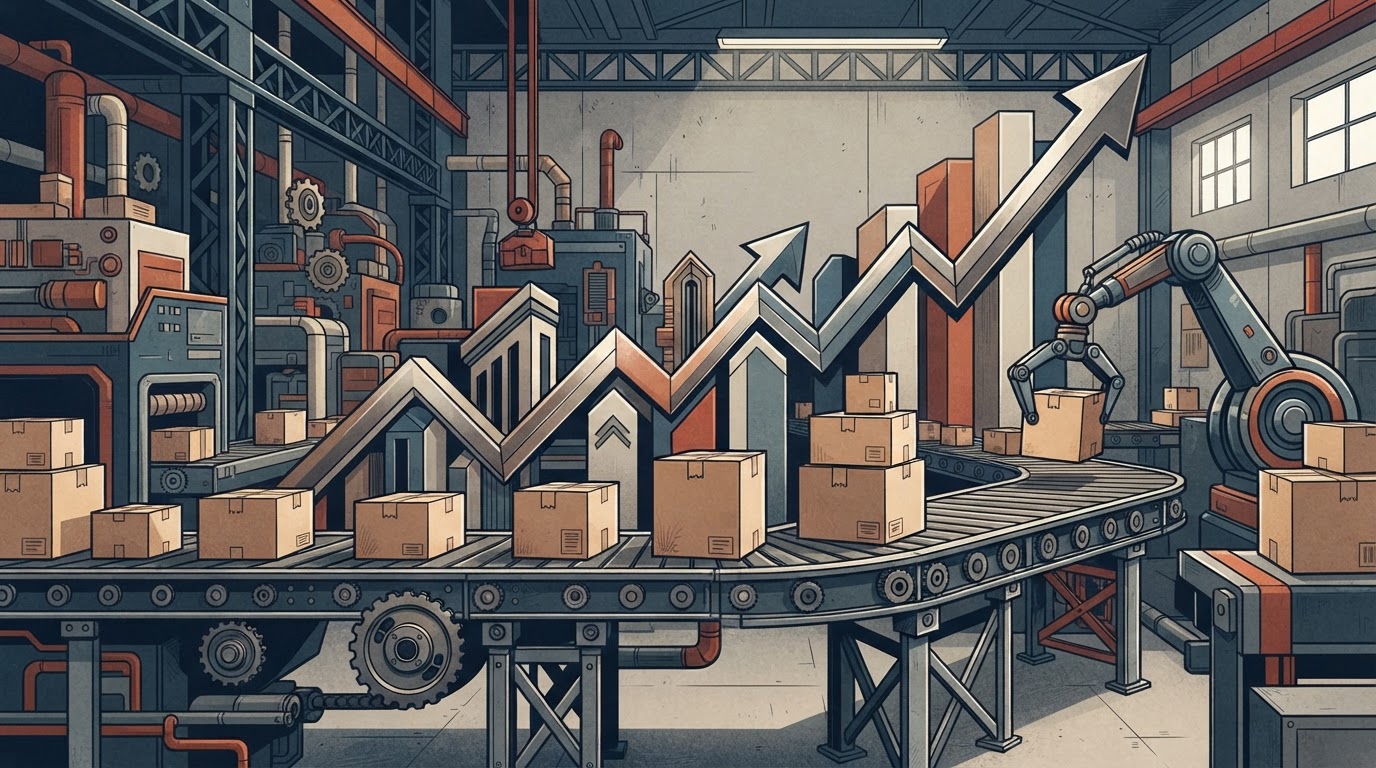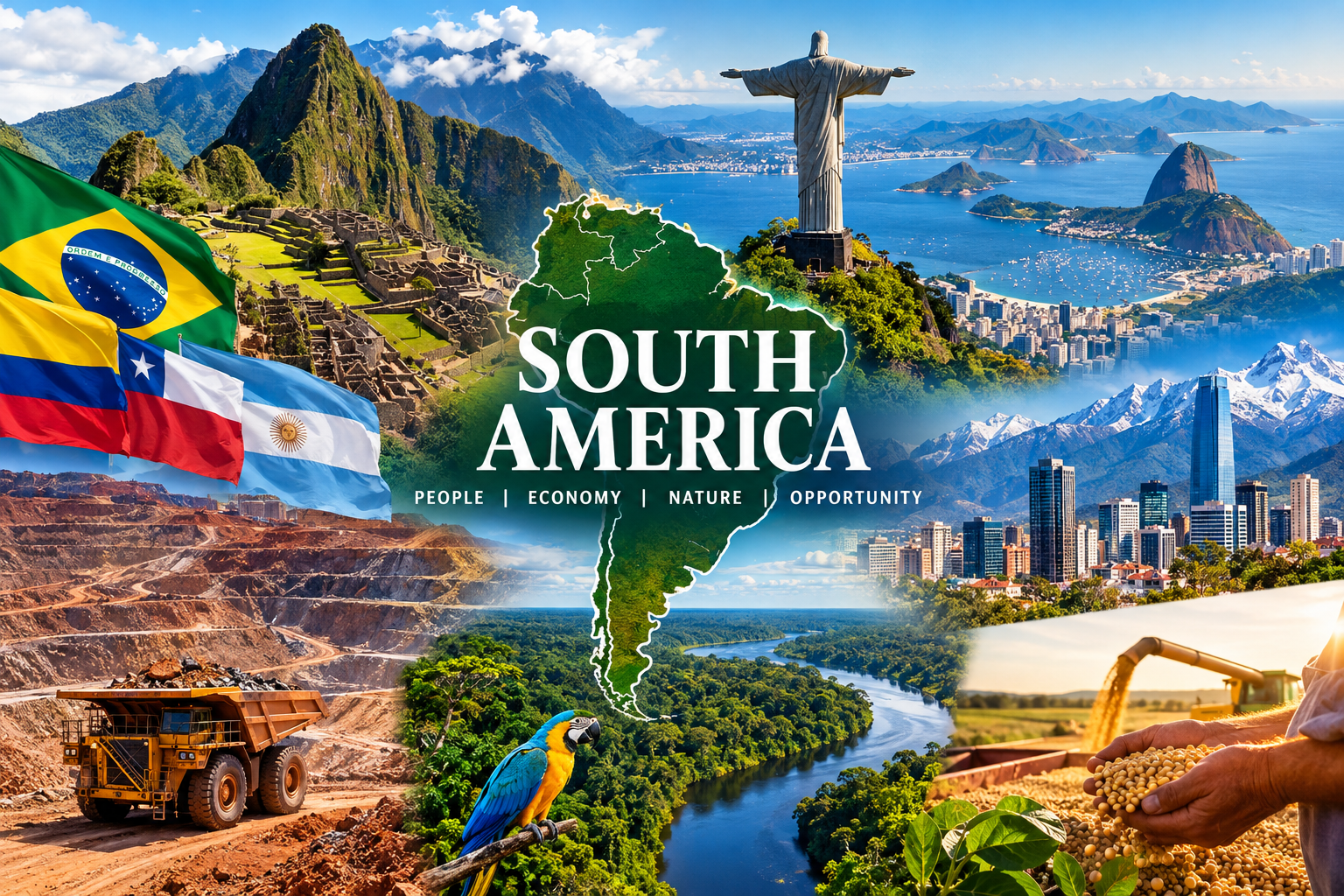
NewsNationOnline | South America. The International Monetary Fund has urged Latin American governments to use supportive external conditions to strengthen public finances and address weak productivity. Its October outlook projected growth of 2.3% for Latin America and the Caribbean in 2026 and 2.5% in 2027.
Why growth remains modest
Commodity prices, tourism, remittances and demand from trading partners can support economic activity. But low investment, public debt and weak productivity limit the ability to create sustained increases in living standards.
What productivity means
Productivity refers to the value produced from labour and capital. Improvements can come from infrastructure, skills, technology, competition and better institutions. Cutting debt without protecting essential public investment can involve difficult policy trade-offs.
Forecasts are not guarantees
The IMF outlook is a projection subject to exchange rates, global interest rates, trade disputes and domestic policies. Country-level outcomes can differ substantially from the regional average.
Source and further reading: Original reporting and background. This article distinguishes reported developments from analysis and should be read alongside subsequent official updates where relevant.
Related South America coverage: South America economy and Lithium Triangle.
Debt and the cost of borrowing
Public debt can constrain policy when interest payments consume a growing share of government revenue. The sustainability of debt depends on borrowing costs, growth, the currency composition of liabilities and the credibility of fiscal institutions. There is no single debt threshold appropriate to every economy.
Why productivity matters for wages
Over time, productivity growth can help businesses pay higher real wages without relying solely on price increases. Better infrastructure, workforce skills, access to finance and competitive markets can all play a role. Governments must balance immediate social needs against investments that generate longer-term benefits.
Regional averages hide national differences
Latin American economies differ in exposure to commodities, tourism, remittances, inflation and global financial conditions. A regional growth forecast should not be applied mechanically to each country. For official economic research and updated forecasts, consult the IMF’s Western Hemisphere Department.
Why the region faces a difficult balancing act
Governments want stronger growth, improved public services and lower poverty, yet many also face borrowing costs and pressure on public budgets. Fiscal decisions can support stability, but cutting expenditure too sharply may affect essential services or long-term investment. The appropriate mix depends on each country’s debt position, economic cycle and institutional capacity.
Productivity and living standards
Higher productivity means producing more value with available labour and capital. It can come from better transport networks, reliable energy, education, digital tools and improved management. Productivity gains can support wage growth and competitiveness over time, although the benefits are not automatically distributed evenly across workers or regions.
The importance of private investment
Businesses need predictable rules, access to finance and confidence that infrastructure will support their operations. Investment in machinery and technology can raise output, while new firms can increase competition. Excessive bureaucracy, unreliable power or weak transport links can deter investment even when demand for a country’s exports is strong.
Commodity opportunities and risks
Several South American economies export agricultural products, metals or energy. Strong prices can increase foreign-exchange earnings and government revenue. But reliance on a narrow range of products leaves countries exposed to price reversals and weather disruptions. Diversifying production and adding value domestically may reduce some vulnerabilities, although it takes sustained investment.
Why inflation still matters
Inflation affects household purchasing power and business planning. Even when the inflation rate declines, prices may remain substantially above their earlier levels. Central banks must weigh inflation control against financing conditions and employment. Their choices interact with exchange rates, fiscal policy and global interest rates.
How to interpret forecasts
Regional growth figures are weighted estimates, not promises. They can change after new information on trade, commodity markets or domestic policies. Readers should check the forecast date, the countries included and whether figures refer to real GDP growth or the level of output. The IMF and national statistical agencies publish revisions as new data arrive.
Also read:
➤ Why Chile’s Copper Industry Matters to the Global Energy Transition
➤ HCLTech Q2 FY27 Results: Profit Rises 21% to ₹5,132 Crore as AI Revenue Surges
➤ China Expects Bumper Grain Harvest in 2026, Agriculture Ministry Says
सीधे अपनी Facebook फ़ीड में पाएँ — News Nation Online पेज को Follow करें।
Discover more from NewsNation Online
Subscribe to get the latest posts sent to your email.
आपके लिए सुझाव