

Why October 31 matters
October 31 is remembered for events that changed political leadership, religious debate, public monuments and space exploration. In 1984, Indian Prime Minister Indira Gandhi was assassinated in New Delhi. In 1517, Martin Luther circulated arguments about indulgences that helped set the Protestant Reformation in motion. In 1941, work on Mount Rushmore was declared complete. In 2000, the first long-duration crew launched toward the International Space Station. These anniversaries offer very different lessons about power, memory and cooperation.1984: Indira Gandhi assassinated in New Delhi
On October 31, 1984, Prime Minister Indira Gandhi was shot by two members of her security detail in New Delhi. Her death ended a political career that had shaped India through war, economic change, party conflict and constitutional controversy. The official Prime Minister of India archive records the end of her second period in office on October 31 and the beginning of Rajiv Gandhi’s premiership the same day. The immediate transfer of leadership did not prevent a grave national crisis. Gandhi first became prime minister in 1966 and returned to office in 1980 after losing power in 1977. Her supporters remember her role in the 1971 war that led to Bangladesh’s independence, her political decisiveness and efforts to strengthen state institutions. Critics point particularly to the Emergency imposed from 1975 to 1977, when civil liberties were curtailed, opposition leaders were detained and press freedom came under pressure. Both parts belong in any serious account of her record. The assassination followed an exceptionally tense period in Punjab. In June 1984, the Indian Army carried out Operation Blue Star at the Golden Temple complex in Amritsar to confront armed militants. The operation caused deaths and profound anger, particularly because it involved a site sacred to Sikhs. Historical explanation must distinguish the actions of militants, state authorities and individual attackers from the beliefs or responsibility of an entire religious community. In the days after the assassination, organised attacks and widespread violence targeted Sikh civilians, particularly in Delhi. Many people were killed, homes and businesses were destroyed, and survivors spent years seeking accountability. Official inquiries and court cases have examined failures of policing and allegations concerning the role of political actors. These victims should not disappear from a story focused only on the death of a prime minister. Remembering October 31 also means confronting the responsibility of institutions to protect citizens. Rajiv Gandhi succeeded his mother as prime minister. His government later received a decisive electoral mandate, but the violence of 1984 remains a major issue in India’s public memory. The anniversary invites reflection on democratic succession, communal harmony, the protection of minorities and the importance of justice after political violence.1517: Martin Luther’s Ninety-Five Theses
On October 31, 1517, the German theologian Martin Luther sent his arguments against abuses associated with indulgences to church authorities. The text became known as the Ninety-Five Theses. The traditional account says that he nailed them to the door of the Castle Church in Wittenberg. Historians have debated the exact details of that posting, and later artistic portrayals should not be treated as eyewitness photographs of an event five centuries ago. At the centre of Luther’s concern was the relationship between repentance, religious authority and payments associated with indulgences. The theses were initially framed as propositions for academic debate, not as a complete programme for a new denomination. Yet they circulated rapidly through printing networks and attracted attention far beyond the university. Disagreements about theology became intertwined with the political authority of rulers and the institutional power of the church. The Reformation eventually contributed to lasting divisions within Western Christianity and to major changes in education, language, publishing and government. It also brought religious conflict and persecution. Presenting Luther simply as a hero or villain misses the range of consequences and the diversity of people affected. The Library of Congress and academic histories provide useful context for separating the early documents from the later legend.1941: Mount Rushmore declared complete
On October 31, 1941, the Mount Rushmore National Memorial in South Dakota was declared complete. Work had begun in 1927 under sculptor Gutzon Borglum, who died in March 1941. The enormous granite carving depicts George Washington, Thomas Jefferson, Theodore Roosevelt and Abraham Lincoln. The National Park Service explains that funding constraints, Borglum’s death and the approaching American entry into World War II helped bring the work to an end. The memorial required extraordinary labour, planning and engineering. Workers operated at height on the mountain while the design was translated into stone. Yet the monument was not completed exactly as originally imagined: plans for more extensive figures and a Hall of Records were curtailed. Calling October 31 a completion date refers to the official decision to end the project, not the fulfilment of every artistic proposal. The setting is also central to the story. The Black Hills have deep spiritual and cultural significance for Lakota and other Native nations. The National Park Service itself acknowledges that the monument’s location and symbolism have long been contested. Some visitors see the four presidents as an emblem of American democracy; others see dispossession and the disregard of Indigenous relationships to the land. An accurate anniversary account can recognise the carving’s technical achievement without erasing those objections.2000: The first International Space Station crew launches
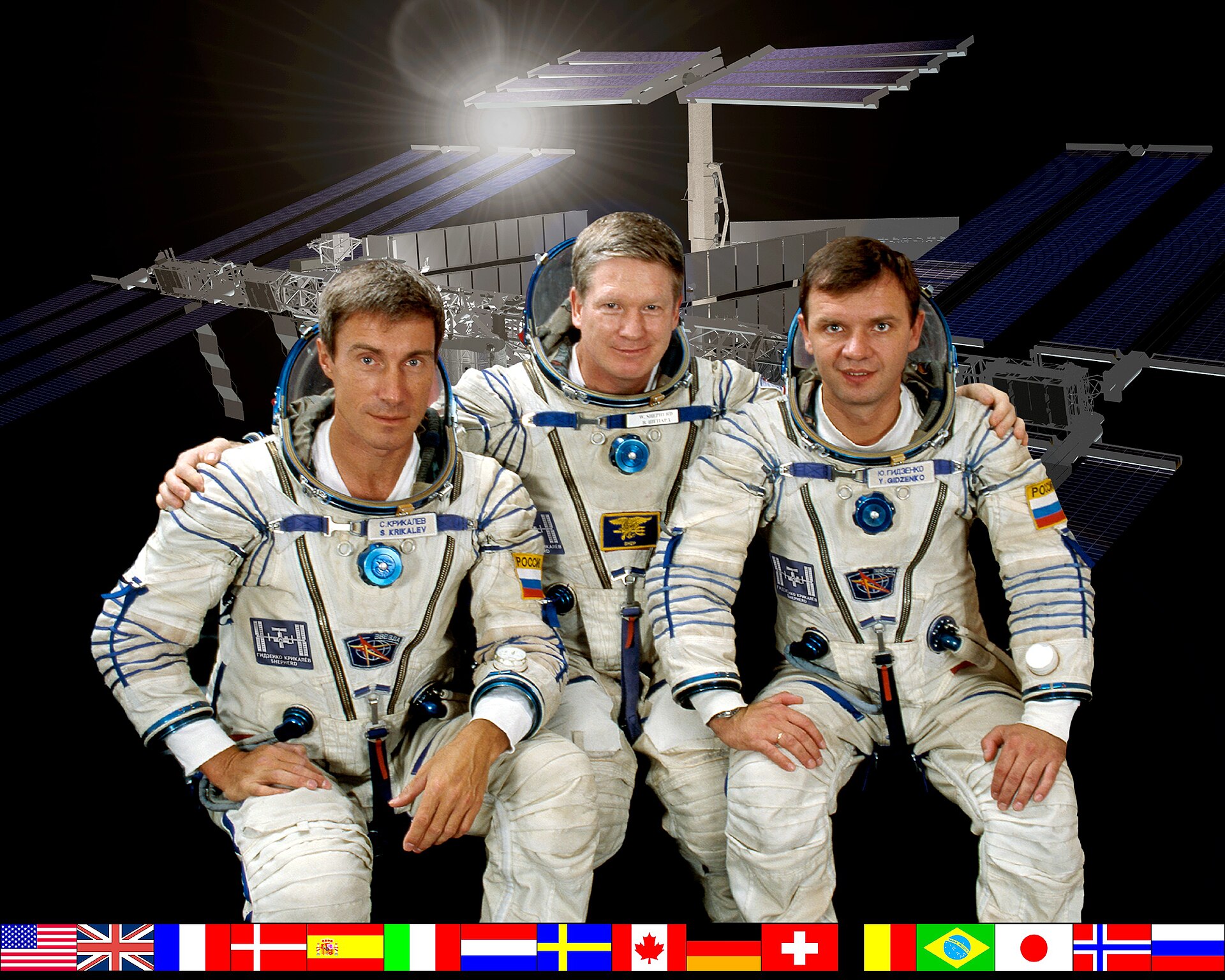
On October 31, 2000, a Soyuz spacecraft launched from Baikonur in Kazakhstan carrying NASA astronaut William Shepherd and Russian cosmonauts Yuri Gidzenko and Sergei Krikalev. They were the members of Expedition 1, the first long-duration crew assigned to the International Space Station. NASA records that they reached the station on November 2. The distinction matters: October 31 was the launch anniversary, while November 2 marked the beginning of their occupation of the orbiting complex. The crew arrived at a station still under construction. Their work involved activating systems, establishing daily routines, testing equipment and preparing the laboratory for later missions. Cooperation between American and Russian space programmes was especially significant given their earlier rivalry during the Cold War. The ISS became a place where scientific research, engineering and international partnerships could be sustained across successive crews. Spaceflight remained difficult and expensive, and cooperation did not remove political differences on Earth. Nevertheless, the mission demonstrated how shared procedures and long-term planning could support work beyond national borders. The anniversary is a reminder that major scientific milestones often depend on the less dramatic tasks of maintenance, training, communication and trust.What the four anniversaries teach
Readers can explore related coverage in our October 30 history edition, the October 29 timeline and the October 27 history feature. Looking beyond the headline date makes each anniversary more informative and less vulnerable to myth.Sources and further reading
Prime Minister of India: former prime ministers; India’s Ministry of Home Affairs: inquiry records on 1984 violence; Library of Congress: Luther and the theses; US National Park Service: Mount Rushmore history; National Park Service: Indigenous perspectives on Mount Rushmore; NASA: Expedition 1.Also read:
➤ Ban Dangerous Rockets and Deafening Firecracker Bombs Across Maharashtra: Adv. Mahesh Dhannawat
➤ Western Disturbance North India Rain, Snowfall: What to Expect
➤ November 9 in History: Berlin Wall Falls, 1938 Pogrom and 1965 Blackout
जालना, महाराष्ट्र और देश-दुनिया की ताज़ा खबरें
सीधे अपनी Facebook फ़ीड में पाएँ — News Nation Online पेज को Follow करें।
👍 Facebook पर Follow करेंसीधे अपनी Facebook फ़ीड में पाएँ — News Nation Online पेज को Follow करें।
Discover more from NewsNation Online
Subscribe to get the latest posts sent to your email.
Never miss a storyFollow News Nation Online on WhatsApp for breaking news from India and the world.
आपके लिए सुझाव


