

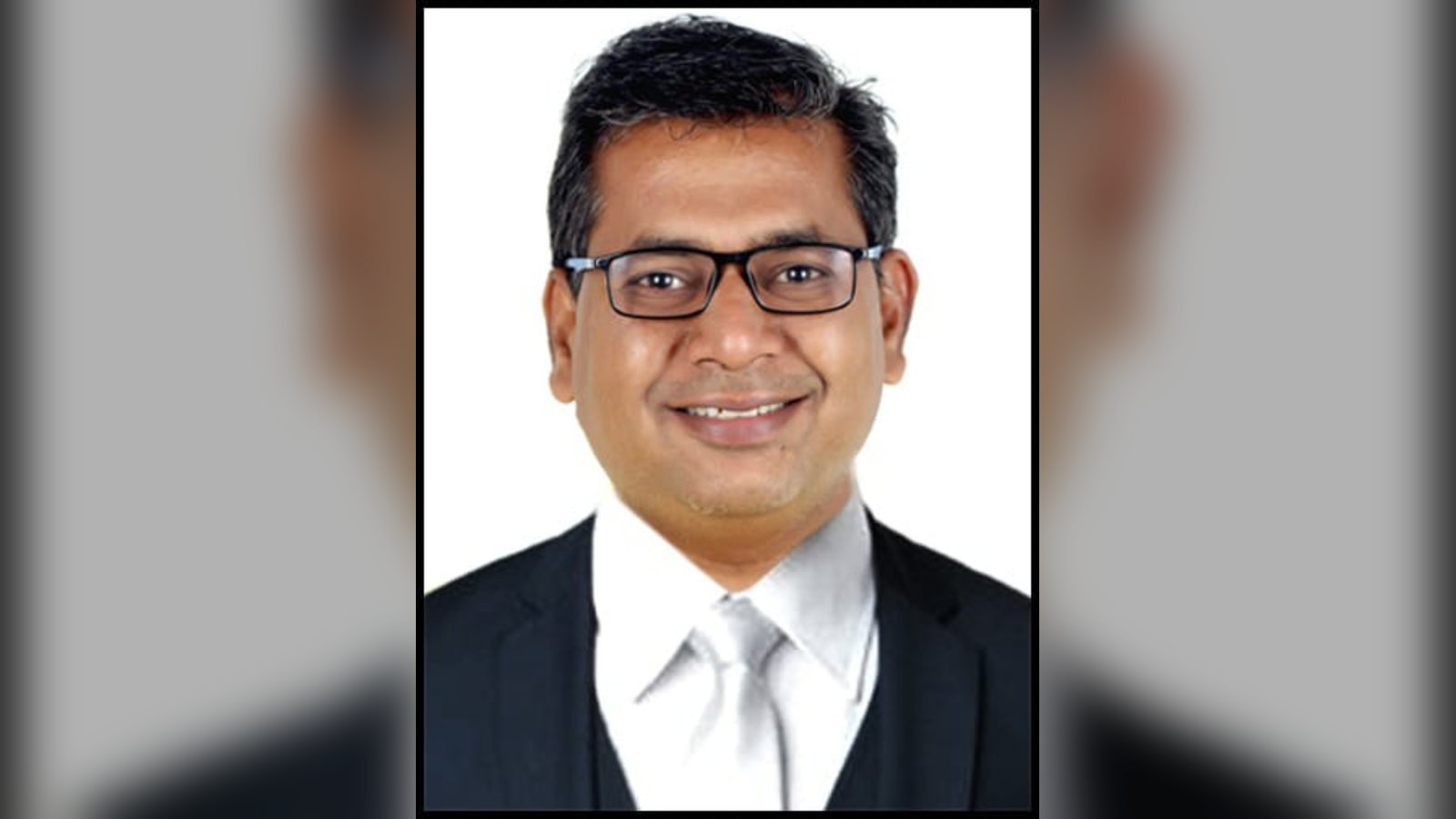
Jalna: Sharing your own photo on social media does not give anyone permission to use it as they please, turn it into an obscene video or defame you, the Karnataka High Court has held. On 12 October 2026, Justice Suraj Govindaraj made the observation while refusing to quash criminal proceedings against five accused, according to a press note issued by Adv. Mahesh Dhannawat, former vice-president of the Jalna District Bar Association.
| What | Plea of 5 accused to quash case over obscene video made from a woman’s social media photos rejected |
| When | Ruling dated 12 October 2026 |
| Where | Karnataka High Court |
| Who | Justice Suraj Govindaraj; reaction from Adv. Mahesh Dhannawat, Jalna |
| Why-How | A public photo does not imply consent to its obscene use |
Jalna is a district in Maharashtra’s Marathwada region, about 400 km east of Mumbai. Dhannawat, a lawyer practising there, shared details of the ruling and described it as an important legal message for citizens across India.
According to the press note, the court said nobody has the right to misuse even a publicly available photograph to create or circulate obscene material. The ruling is being seen as a strong legal warning to people who misuse images found on social media, and as significant for protecting the dignity, privacy and honour of women.
Also read: Jalna father-son duo allege assault despite High Court injunction and police protection
The case before the court
A woman complained that photographs and identity details from her social media account were used to create an obscene video, which was circulated in a messaging group called “Bad Boys”. Her photo, social media identity, the video and her phone number were then sent to several other messaging groups. She alleged that she began receiving messages from strangers and that her reputation, peace of mind and privacy were harmed.
After investigation, a chargesheet was filed under Section 66C (identity theft) and Section 67 (publishing or transmitting obscene material in electronic form) of the Information Technology Act, 2000. Five accused approached the High Court, claiming that the woman in the photo and the person in the video were different, and arguing that her photo was publicly available on social media.
The court rejected the argument. A forensic laboratory report had recorded similarities between the facial features in the complainant’s photo and those of the person in the circulated video. The court said whether it is the same person will be finally decided on the evidence at trial.
The court observed that posting one’s photo on social media for an ordinary, legitimate reason cannot be treated as consent to its use in obscene material or its circulation to others. Spreading a woman’s photo, identity and contact details in this way can expose her to humiliation, mental distress, unwanted contact and defamation, seriously affecting her dignity and privacy, it noted.
The press note points out that because the IT Act is a central law that applies across India, the observation could serve as useful guidance for courts nationwide. However, unlike a Supreme Court judgment, it is not binding on all High Courts, though it can be considered an important judicial reference in other states.
The note also raises a social angle: a son who takes his father’s photo from social media to mock or defame him, or circulates it with insulting content and causes him mental distress, cannot claim a right to do so merely because the photo was public. Not every such act would automatically attract Sections 66C or 67, as the legal ingredients and evidence must be examined, but society should take deliberate digital humiliation and harassment seriously, the note says.
“A visible photo is not your property”
Reacting to the ruling, Dhannawat said: “In today’s digital age, mobiles and social media have become an inseparable part of life. But the freedom to use technology is not a licence to attack someone else’s dignity. If a woman or man posts their photo on social media, nobody gets the liberty to use it to make obscene videos, defame them or harass them mentally. Misusing women’s photos and spreading their identity and phone numbers in various groups is a very serious matter.”
He added: “Every citizen should understand this message. Whether it is children insulting their parents, youngsters using others’ photos for jokes, or people deliberately defaming someone, all must remember the legal consequences. Just because someone’s photo is visible on social media does not make it your property. Respecting a person’s consent, dignity and privacy is not only a moral duty but also a legal one. People should stay alert to digital crimes, and victims should take the legal route without fear.”
With the petition dismissed, the trial against the five accused will continue, though their guilt or innocence will be decided only on the evidence. The case is Dheeraj G. Kundar and others vs State of Karnataka and others, Criminal Petition No. 16549/2025, heard under Sections 66C and 67 of the IT Act, Section 482 of the Code of Criminal Procedure and Section 528 of the Bharatiya Nagarik Suraksha Sanhita.
Key points
- Posting a photo online is not consent to its obscene use, Karnataka High Court said.
- Justice Suraj Govindaraj dismissed the plea of five accused on 12 October 2026.
- The woman’s photos were allegedly used for an obscene video shared in a “Bad Boys” group.
- A forensic report noted facial similarities; the final finding will come at trial.
- The ruling is a significant reference nationwide but not binding on all High Courts.
Frequently Asked Questions
Does a public social media photo mean consent to any use?
No. The court held that posting a photo for a legitimate reason is not consent to its use in obscene material or its circulation.
Is this ruling binding across India?
The IT Act applies nationwide, but a High Court ruling is not binding on other High Courts the way a Supreme Court judgment is. It can be cited as an important reference.
What should victims do?
Adv. Mahesh Dhannawat urged victims of such digital misuse to take legal action without fear.
Read this story in Hindi: सोशल मीडिया पर फोटो डालना गलत इस्तेमाल की छूट नहीं, हाईकोर्ट ने 5 आरोपियों को राहत नहीं दी
सीधे अपनी Facebook फ़ीड में पाएँ — News Nation Online पेज को Follow करें।
Discover more from NewsNation Online
Subscribe to get the latest posts sent to your email.
आपके लिए सुझाव


Leave a Reply