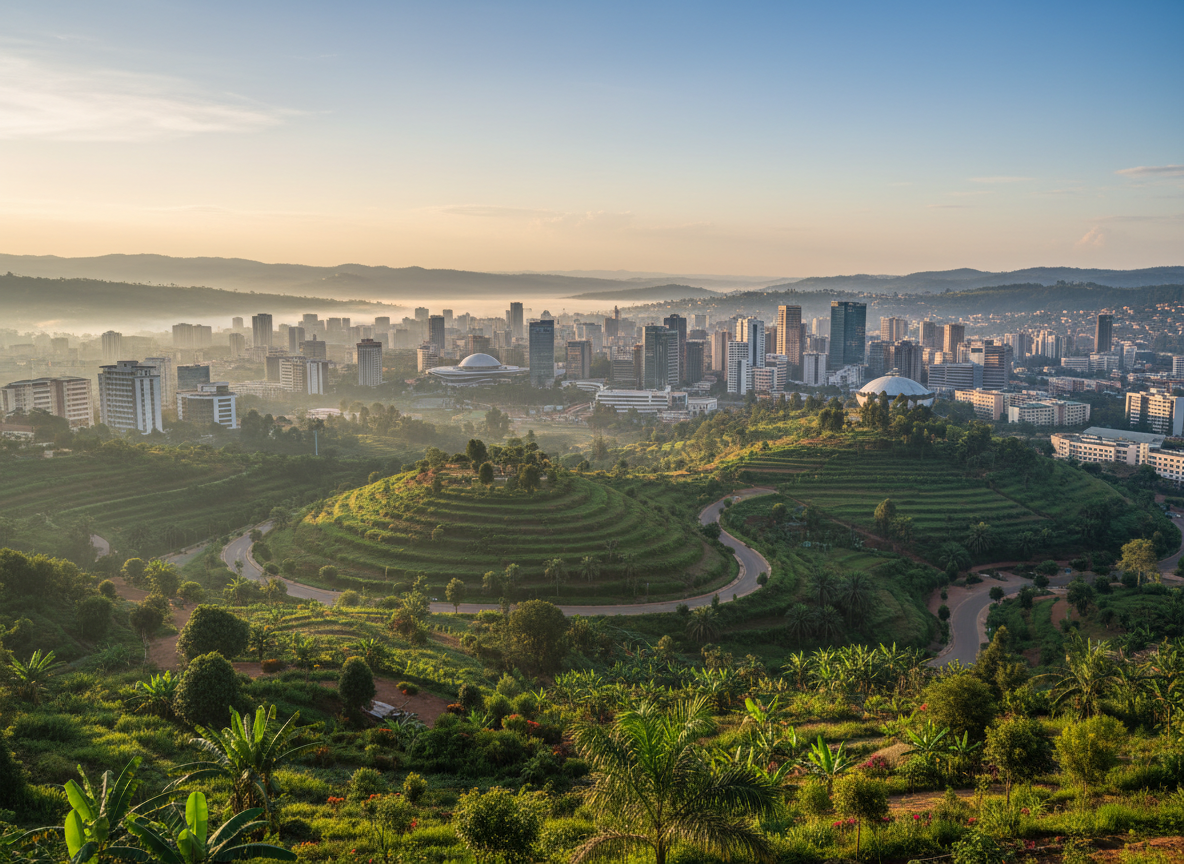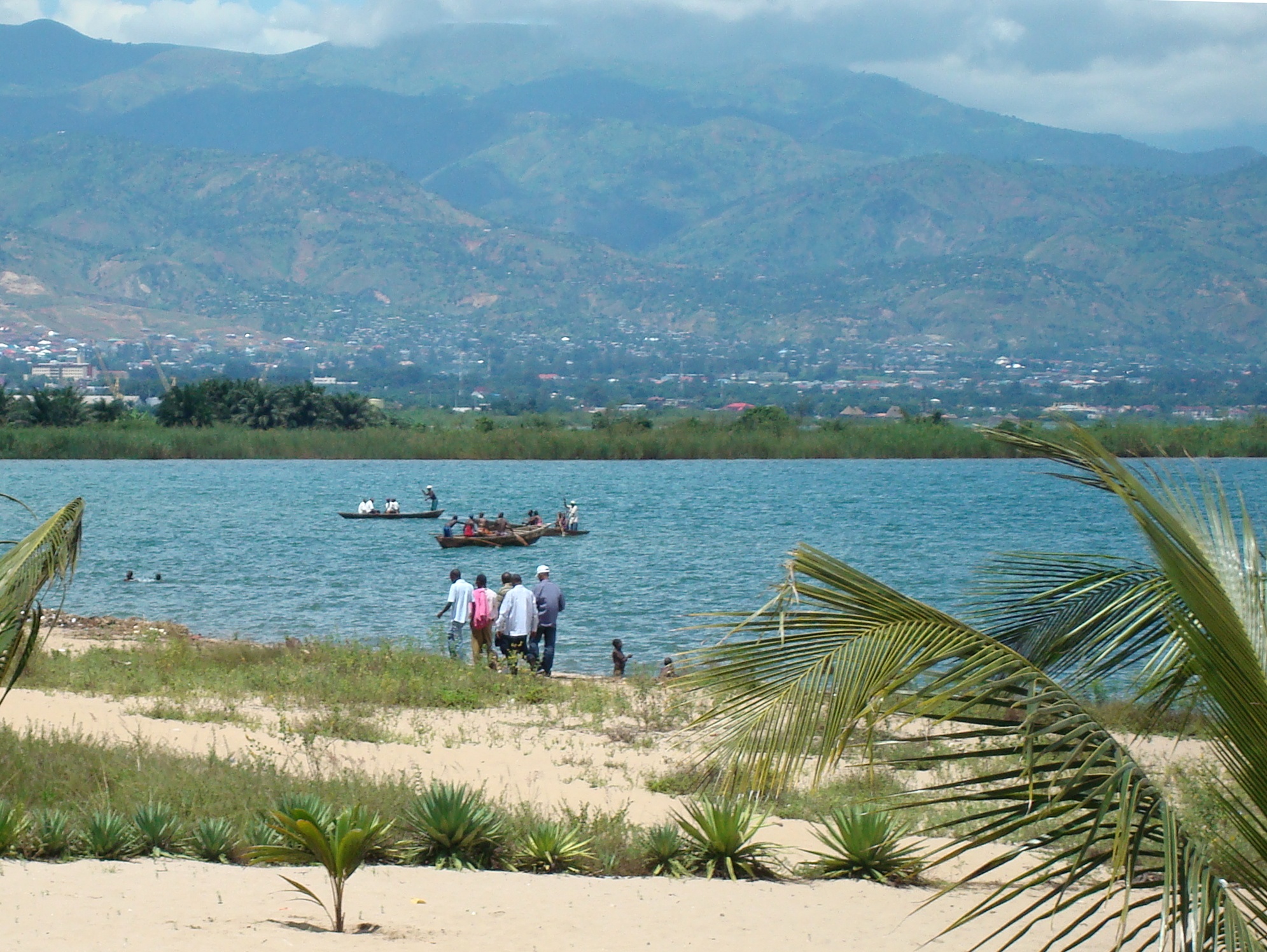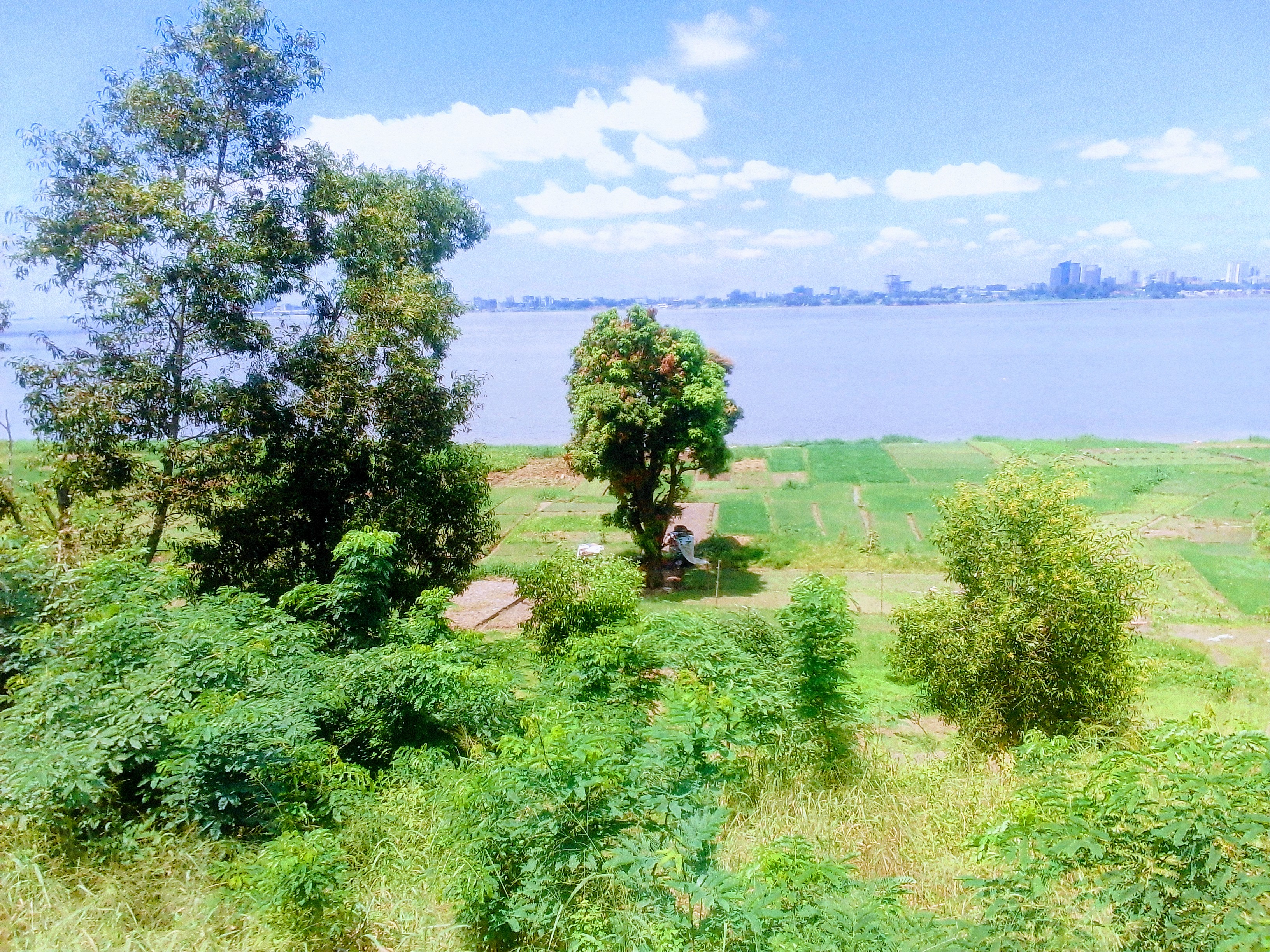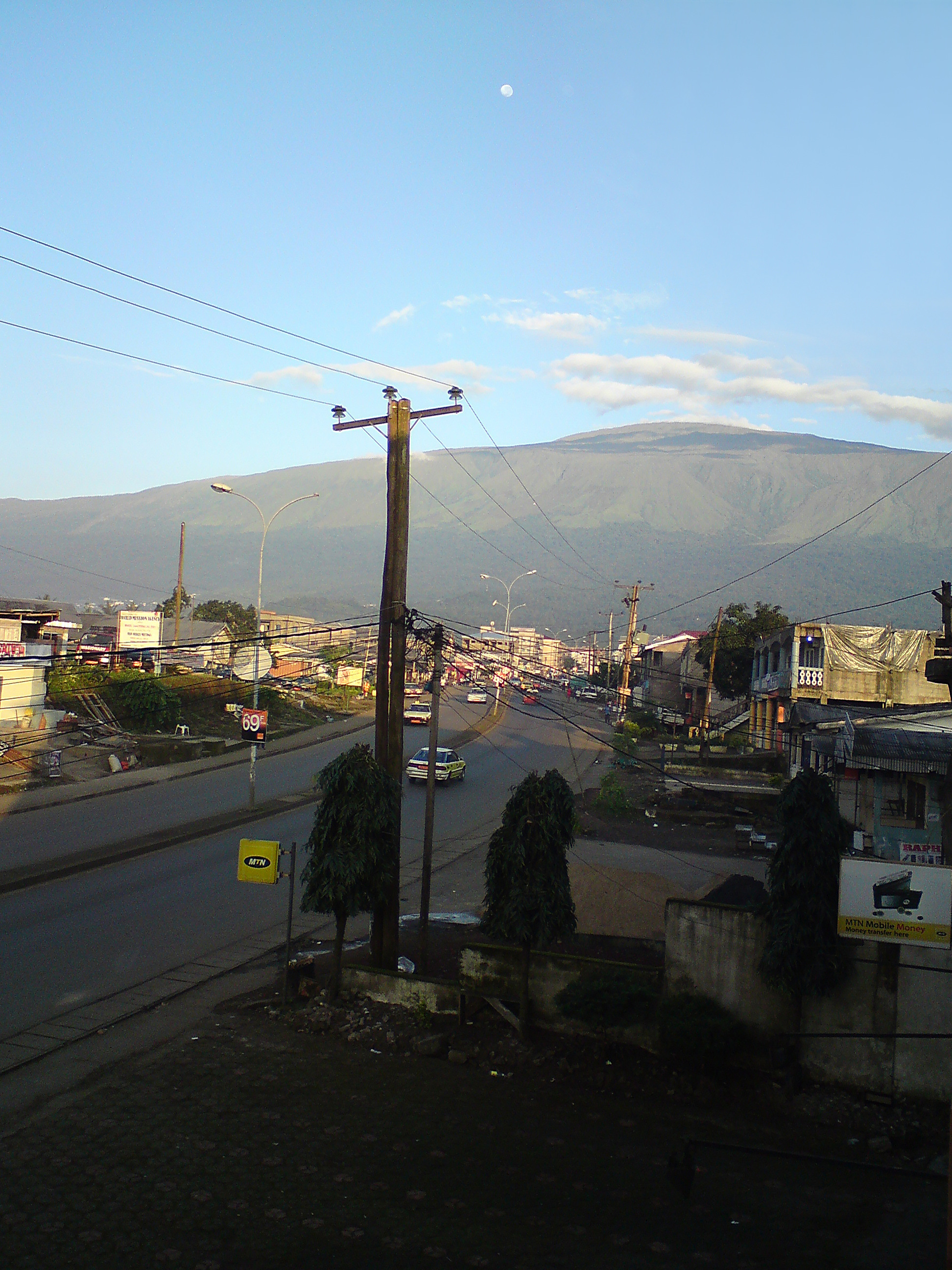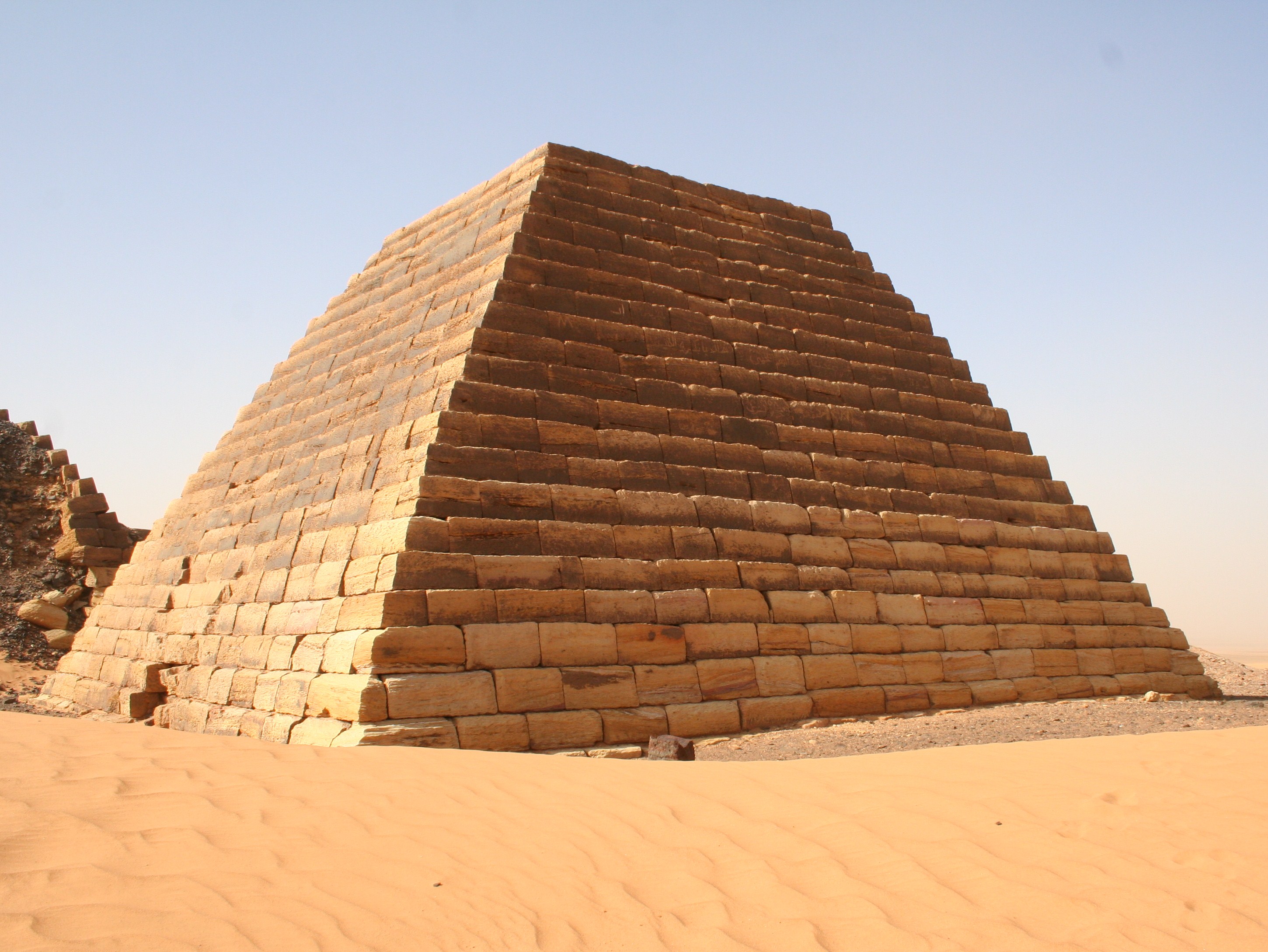

Algeria is a country of remarkable contrasts: Mediterranean cities and beaches in the north give way to mountain ranges, high plateaus, ancient Roman ruins, oasis towns and the immense Sahara in the south. For travelers looking beyond the usual North African routes, Algeria offers a combination of history, architecture, archaeology, coastline and desert landscapes that is difficult to find in one destination.
The country covers about 2.38 million square kilometres and stretches from the Mediterranean coast deep into the Sahara. Algeria’s official tourism information describes four broad geographic zones, while the newer Visit Algeria destination portal highlights places ranging from Algiers and Oran to Djanet, Timgad, Ghardaia, Constantine and Tamanrasset. Visit Algeria and the Algerian Ministry of Tourism are useful starting points for planning.
Why Algeria stands out
Algeria’s appeal comes from its sheer geographic and historical variety. A traveler can walk through the steep lanes of the Casbah of Algiers, visit Roman-era ruins at Timgad or Djémila, explore the distinctive architecture of the M’Zab Valley, and then travel south toward the sandstone landscapes of Tassili n’Ajjer.
The country’s heritage also reflects several layers of North African and Mediterranean history. Ancient communities, Phoenician and Roman settlements, Islamic dynasties, Ottoman-era architecture and the history of modern Algeria have all left visible traces. This makes Algeria particularly interesting for travelers who enjoy destinations where the landscape and history are closely connected.
1. Algiers: Start with the Mediterranean capital
Algiers is the natural starting point for many journeys. The city rises along the Mediterranean and combines a working waterfront with historic neighborhoods, museums, gardens and distinctive architecture.
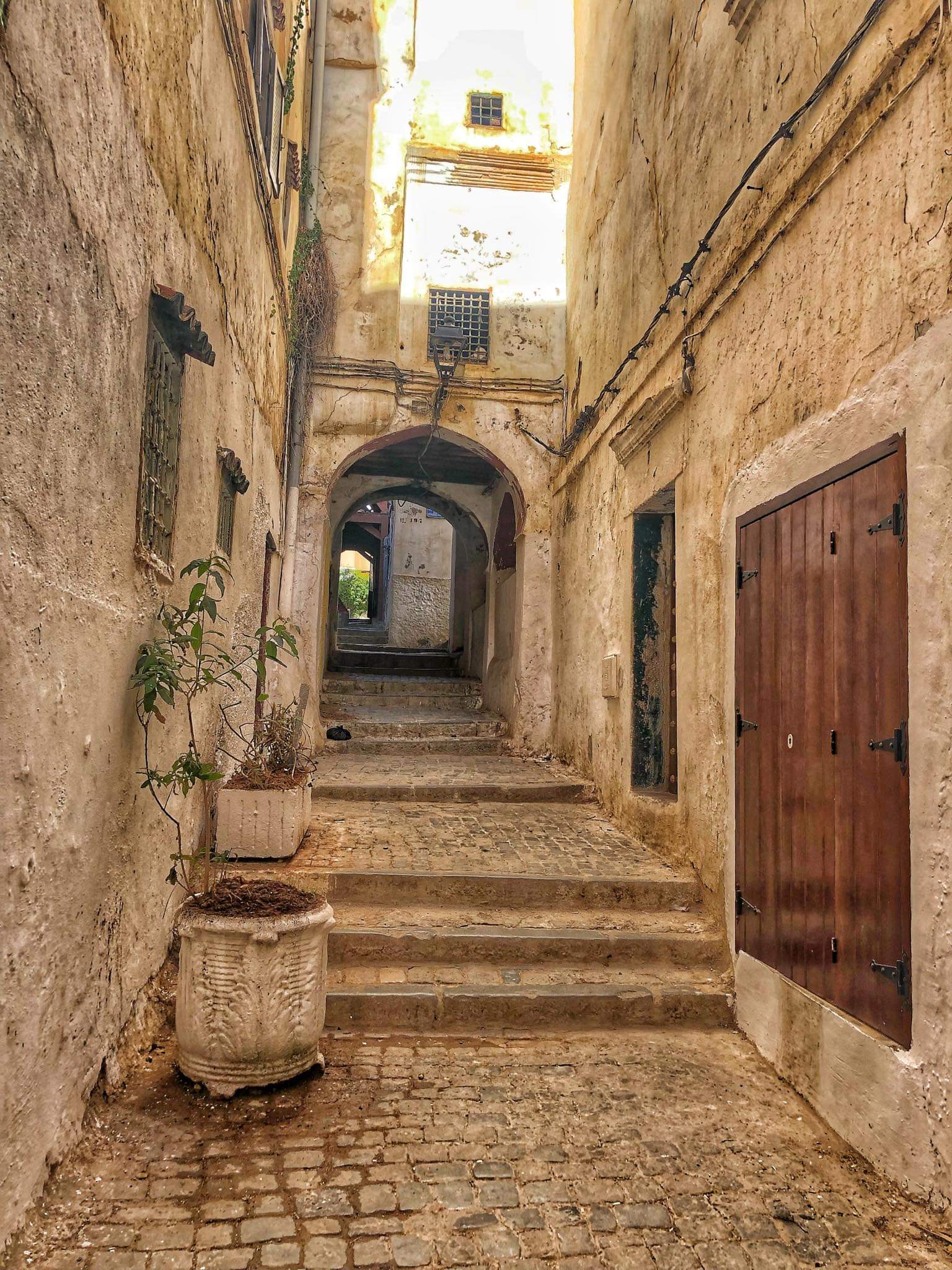
The Casbah is the city’s most famous historic district. UNESCO describes it as an outstanding example of a historic Maghreb city whose urban form influenced town planning around the western Mediterranean and sub-Saharan Africa. The living neighborhood contains traditional houses, palaces, hammams, mosques and souks arranged across a steep and irregular landscape.
Beyond the Casbah, visitors can explore central boulevards, public gardens, museums and coastal viewpoints. The official Algiers destination guide describes the city as a combination of Ottoman-era lanes, French-period boulevards, museums, gardens and a Mediterranean waterfront.
2. Oran: Western Algeria by the Mediterranean
Oran is one of Algeria’s major western cities and an important Mediterranean port. It offers a different atmosphere from Algiers, with broad urban areas, historic architecture, coastal views and a strong musical identity associated with raï.
The city can be combined with coastal excursions and historic sites in western Algeria. The Santa Cruz area provides elevated views over the city and bay, while local markets and neighborhoods offer a chance to experience contemporary Algerian life.
3. Constantine: The city of bridges
Constantine is one of Algeria’s most visually distinctive cities. Built around the dramatic Rhumel Gorge, it is known for bridges connecting sections of the city across deep ravines.
The city’s geography is part of its identity. Viewpoints over the gorge, historic buildings and the surrounding highlands make Constantine a strong addition to an itinerary focused on architecture and landscapes.
4. Tlemcen and western heritage
Tlemcen has deep Islamic, Maghrebi and Andalusian cultural connections. The city is known for historic religious architecture, gardens, scholarship and traditional arts. It can also serve as a base for exploring western Algeria’s varied landscapes.
5. Tipasa: Roman history beside the sea
Tipasa is one of Algeria’s most compelling archaeological destinations because ancient ruins sit close to the Mediterranean. UNESCO lists Tipasa among Algeria’s World Heritage properties, reflecting its importance as a historical site where Mediterranean civilizations left a lasting imprint.
For visitors who enjoy archaeology, Tipasa can be paired with Algiers because of its coastal location and relatively accessible position in northern Algeria. UNESCO’s Algeria country page lists Tipasa alongside other major heritage properties including Djémila, Timgad, the Kasbah of Algiers, the M’Zab Valley, Al Qal’a of Beni Hammad and Tassili n’Ajjer.

6. Timgad: A remarkably preserved Roman city
Timgad, in the Aurès region, is famous for its Roman urban plan. Its grid of streets, monumental structures, theatre and archaeological remains provide an unusually clear picture of Roman city planning in North Africa.
The site is especially valuable for travelers interested in archaeology because the remains can be understood not only as individual monuments but as parts of a planned urban landscape.
7. Djémila: Roman ruins in a mountain setting
Djémila is another UNESCO-listed Roman archaeological site. Unlike Timgad’s broad setting, Djémila is notable for its adaptation to sloping terrain. Temples, basilicas, houses, mosaics and baths reveal how a Roman city developed within a mountainous environment.
8. Ghardaïa and the M’Zab Valley
The M’Zab Valley offers a completely different architectural experience. UNESCO recognizes the valley for its historic settlements and distinctive urban form. Ghardaïa and the surrounding ksour demonstrate how communities developed compact settlements suited to the oasis environment.
The M’Zab is also an important example of living heritage rather than a collection of abandoned ruins. Visitors should approach local communities respectfully and follow local guidance when photographing people, homes or religious spaces.
9. Djanet and Tassili n’Ajjer
For travelers drawn to desert landscapes, Djanet is a gateway to Tassili n’Ajjer. The region is known for extraordinary sandstone formations and prehistoric rock art. UNESCO classifies Tassili n’Ajjer as a mixed World Heritage property because of both its cultural and natural significance.
This is the kind of destination where advance planning matters. Desert routes, transport, guides, weather and access conditions should be checked before departure, particularly for remote areas.
10. Tamanrasset and the Hoggar
Tamanrasset is a major gateway to the Hoggar Mountains. The region combines volcanic landscapes, desert plateaus, Tuareg cultural heritage and long-distance expedition routes. As with other remote Saharan destinations, visitors should arrange appropriate transport and local guidance rather than attempting isolated routes without preparation.
11. Timimoun: The red oasis
Timimoun is known for its red-ocher architecture, palm groves, oasis landscapes and ksour. The town offers a different view of Saharan life, where water management, agriculture and settlement patterns have developed around an extremely dry environment.
12. Taghit and the northern Sahara
Taghit near Béchar combines dunes, palm groves, ksar architecture and rock engravings. It can be an attractive choice for travelers who want a desert experience without immediately heading to the far south.
13. Annaba and Hippo Regius
Annaba lies in northeastern Algeria and combines Mediterranean scenery with ancient history. Nearby Hippo Regius is associated with the Roman period and the heritage of Saint Augustine. The region also offers beaches and forested coastal landscapes.
14. Béjaïa and the Gouraya coast
Béjaïa sits between mountains and the Mediterranean. The city and surrounding Gouraya coast combine beaches, mountain scenery, a historic port and access to natural areas. It provides another perspective on Algeria’s northern landscape beyond the larger cities.
15. The Sahara: Algeria’s vast southern landscape
The Sahara dominates much of Algeria’s territory and contains far more than dunes. There are rocky plateaus, sandstone formations, volcanic mountains, oasis settlements, ancient caravan routes and prehistoric art.
Algeria’s official tourism information emphasizes desert tourism as a major part of the country’s tourism offering, while the Visit Algeria portal highlights Djanet, Tamanrasset, Taghit and Timimoun among the country’s southern destinations.
Algerian food worth trying
A trip through Algeria is also a culinary journey. Regional dishes include couscous, chorba, rechta, chakhchoukha, tajines, grilled meats, breads, pastries and dates. Coastal cities naturally offer seafood, while inland and Saharan regions have their own specialties shaped by local ingredients and traditions.
Food experiences are often best discovered through local restaurants, markets and family-style establishments rather than trying to find one national menu that represents every region.
Best time to visit Algeria
There is no single ideal season for every part of Algeria. Northern coastal cities generally have a Mediterranean climate, while the Sahara has much more extreme heat and large temperature differences between day and night.
For northern city and archaeological trips, shoulder seasons can be comfortable. Desert journeys require more careful seasonal planning because temperatures, road conditions and daylight can affect the experience. Always check current weather and local conditions before traveling into remote areas.
Travel planning and practical advice
Entry requirements depend on nationality and can change, so travelers should verify current visa rules through Algerian diplomatic or official government sources before booking. Remote desert travel should be planned with reputable local operators or guides, and travelers should check current regional security and travel advisories.
Respect local customs, dress appropriately around religious and traditional sites, and ask permission before photographing people or private property. In historic neighborhoods such as the Casbah, remember that these are living communities rather than museum sets.
Algeria and UNESCO heritage
UNESCO currently lists seven Algerian properties on the World Heritage List: Al Qal’a of Beni Hammad, Djémila, the Kasbah of Algiers, the M’Zab Valley, Timgad, Tipasa and Tassili n’Ajjer. Together they demonstrate the extraordinary range of Algeria’s cultural and natural heritage.
Why Algeria deserves a place on the travel map
Algeria rewards travelers who are interested in depth rather than a single type of attraction. Its Mediterranean cities, Ottoman-era neighborhoods, Roman ruins, Amazigh and Saharan heritage, mountain landscapes, oasis settlements and enormous desert spaces form a remarkably diverse travel story.
For further planning, consult the official Visit Algeria destinations guide, the Algerian Ministry of Tourism and UNESCO’s Algeria heritage page.
Continue exploring our country guides: Morocco Travel Guide, Oman Travel Guide and Saudi Arabia Travel Guide.
Discover more from NewsNation Online
Subscribe to get the latest posts sent to your email.
आपके लिए सुझाव