
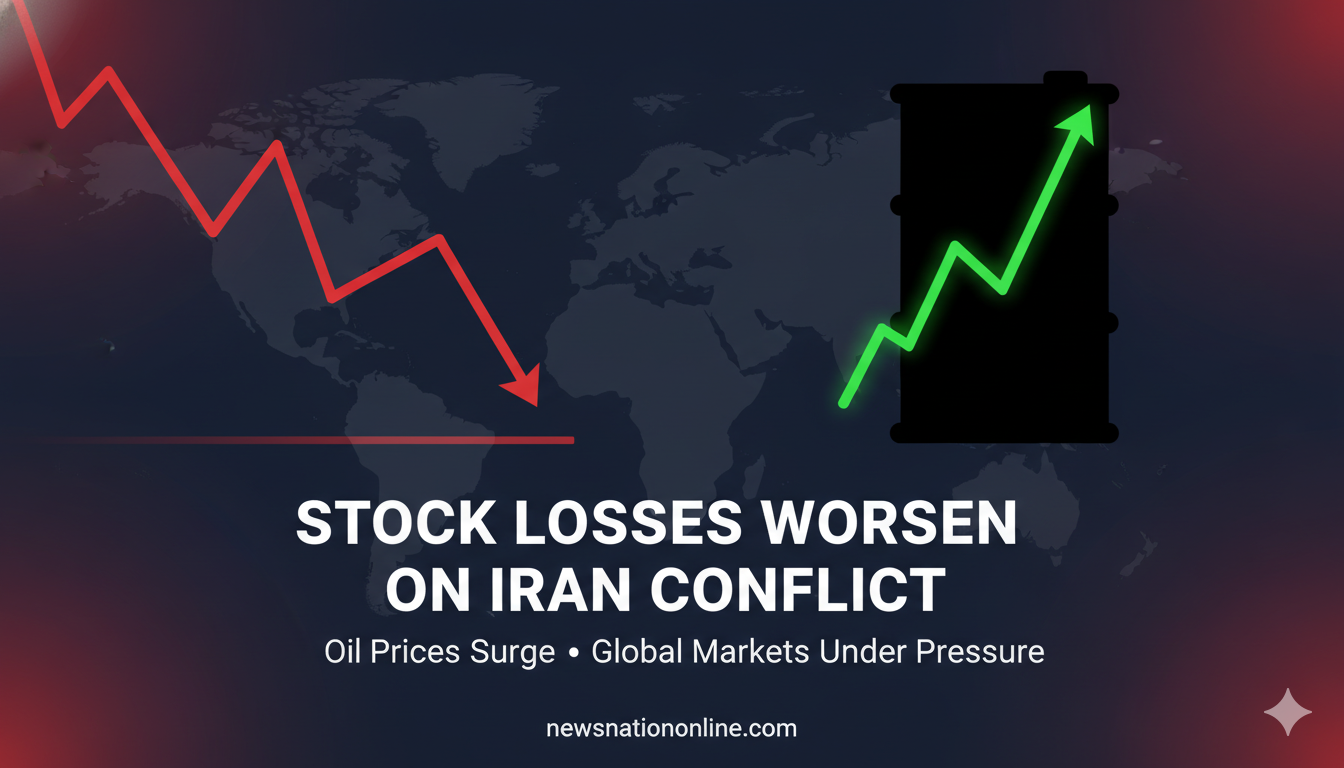
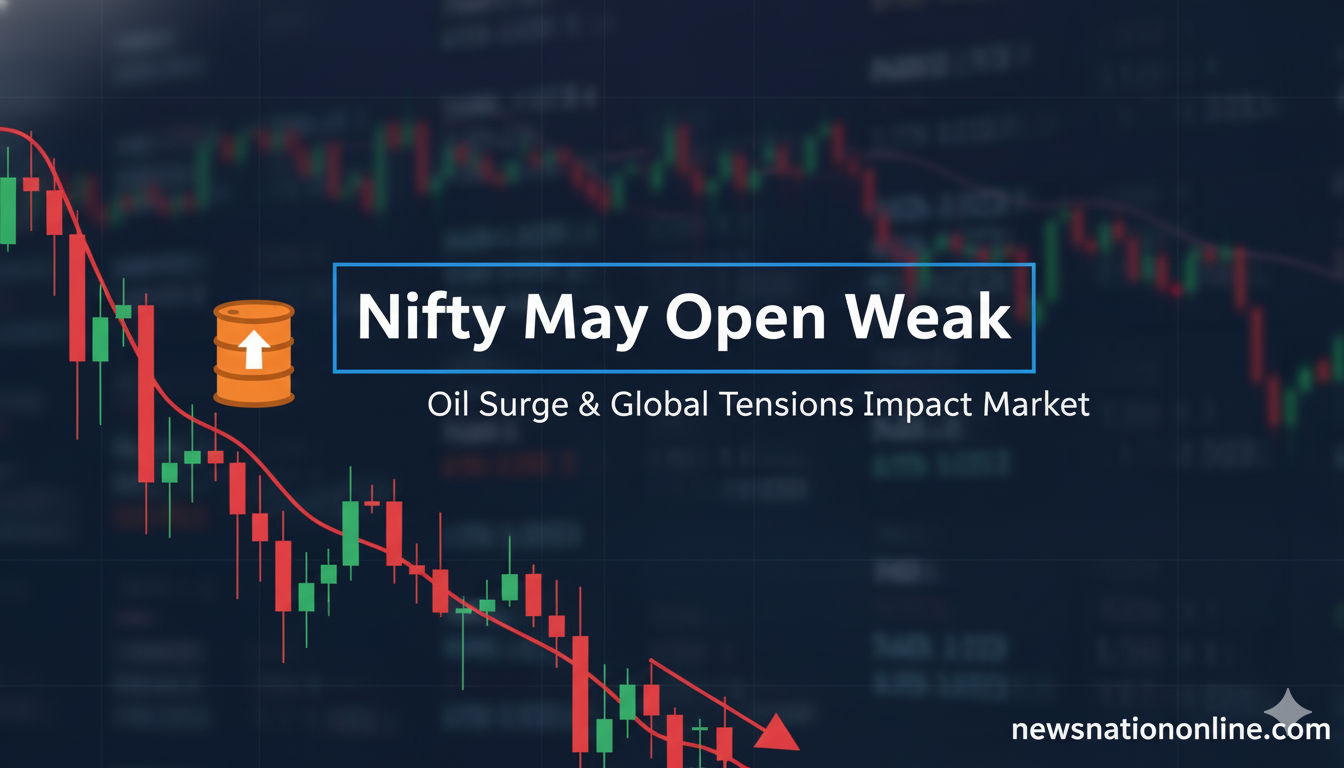
Global financial markets faced renewed pressure as stock losses worsened while oil prices advanced sharply following escalating tensions linked to the Iran conflict. Investors across major economies responded swiftly to rising geopolitical uncertainty, triggering broad-based declines in equities and pushing energy markets higher.
We are witnessing a decisive shift in investor sentiment as concerns surrounding supply disruptions, regional instability, and energy security reshape market dynamics. Equity benchmarks across the United States, Europe, and Asia recorded notable declines, while crude oil futures climbed to multi-week highs.
Global Equity Markets Under Pressure
The intensifying geopolitical situation has weighed heavily on risk-sensitive assets. Major stock indices experienced widespread sell-offs as investors reduced exposure to cyclical sectors and high-risk equities.
In the United States, benchmark indices posted significant losses as energy-driven inflation fears resurfaced. European markets followed suit, reflecting concerns over supply chain vulnerabilities and heightened energy dependence. Asian markets also traded lower, impacted by global risk aversion and currency fluctuations.
Key sectors facing pressure include:
- Technology stocks, affected by valuation concerns
- Industrial shares, vulnerable to supply disruptions
- Consumer discretionary stocks, sensitive to inflationary pressures
- Financial stocks, impacted by risk repricing
The broad decline signals a defensive shift, with investors reallocating capital toward safe-haven assets.
Oil Prices Advance on Supply Concerns
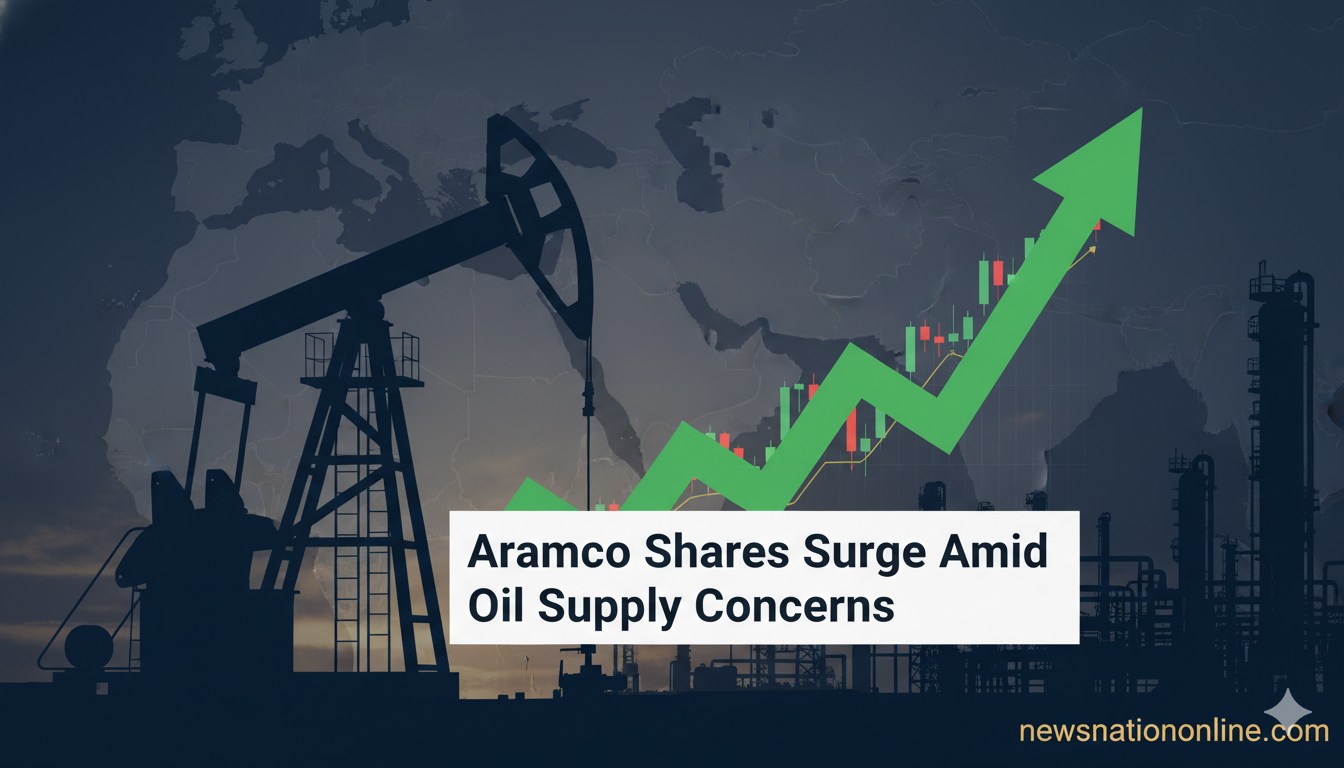
As stock losses worsen, oil markets moved decisively higher. Crude oil futures advanced sharply amid fears that the Iran conflict could disrupt regional production and global supply routes.
Brent crude and West Texas Intermediate (WTI) both climbed as traders factored in:
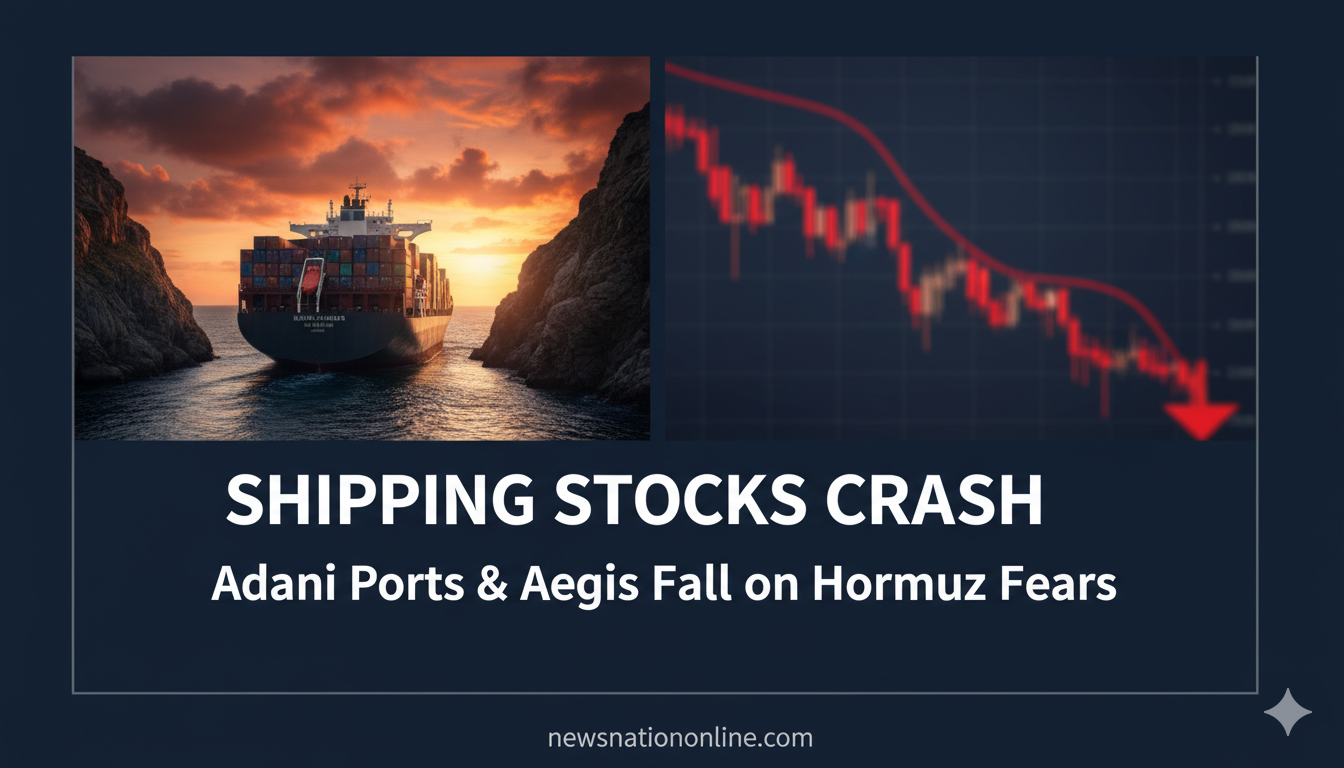
- Potential shipping disruptions in key maritime corridors
- Risk of sanctions escalation
- Regional instability affecting production facilities
- Heightened volatility in energy logistics
The oil advance reflects market sensitivity to geopolitical events involving major energy-producing regions. Even limited disruptions can significantly tighten global supply balances.
Safe-Haven Assets Gain Momentum
With equity markets declining and oil prices surging, investors turned to traditional safe-haven assets. Gold prices strengthened, sovereign bonds attracted renewed demand, and volatility indices spiked.
We observe the following defensive movements:
- Increased demand for gold
- Rising prices for U.S. Treasury bonds
- Strengthening of the U.S. dollar
- Higher readings in volatility indicators
These shifts underscore broader market caution as geopolitical risks intensify.
Energy Sector Emerges as Outperformer
While broader markets experienced losses, energy stocks outperformed due to rising crude prices. Companies involved in upstream production, exploration, and refining saw increased investor interest.
The energy sector benefited from:
- Higher crude benchmarks
- Improved revenue projections
- Stronger margin outlooks
- Renewed capital inflows
This divergence highlights how geopolitical risk can create selective opportunities within otherwise declining markets.
Impact on Inflation and Monetary Policy Expectations
Rising oil prices often translate into inflationary pressure across economies. The latest surge in crude has renewed concerns about energy-driven inflation at a time when central banks remain vigilant.
We anticipate that sustained oil strength could:
- Complicate monetary easing timelines
- Influence interest rate expectations
- Increase transportation and manufacturing costs
- Affect consumer purchasing power
Central banks are closely monitoring the situation, particularly in regions heavily reliant on imported energy.
Currency Markets React to Geopolitical Uncertainty
The foreign exchange market reflected growing risk aversion. The U.S. dollar strengthened against major currencies as investors sought stability. Emerging market currencies, particularly those sensitive to energy imports, experienced volatility.
Key currency movements included:
- Appreciation of the U.S. dollar
- Weakening of energy-importing country currencies
- Increased volatility in commodity-linked currencies
Currency fluctuations further amplified equity market pressures, especially in developing economies.
Investor Strategy Shifts in Volatile Conditions
As stock losses deepen and oil advances, portfolio strategies are adapting. Investors are prioritizing liquidity, defensive positioning, and selective sector exposure.
We are seeing increased allocations toward:
- Energy stocks
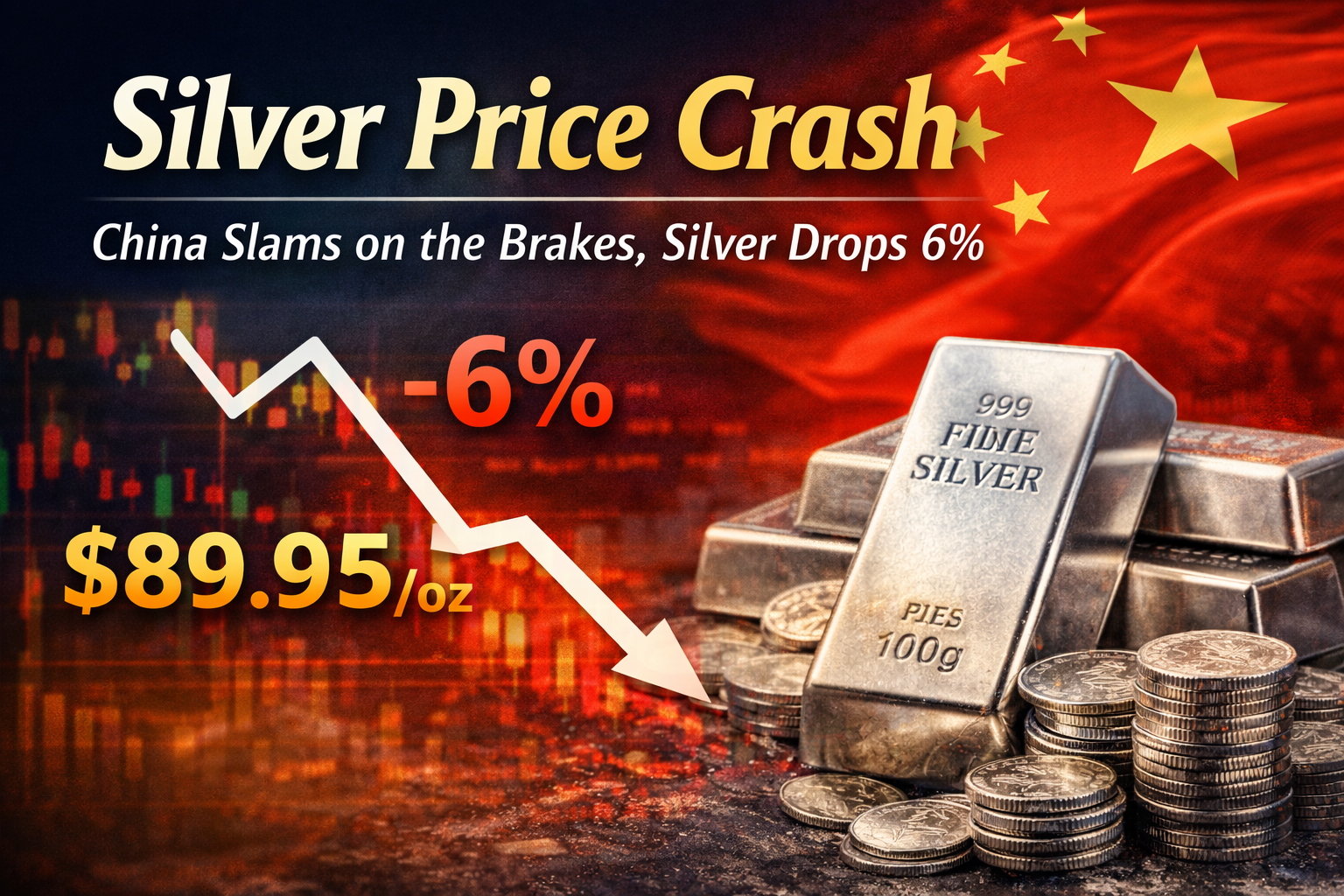
- Precious metals
- Defensive consumer staples
- Healthcare equities
- Government bonds
Simultaneously, exposure to high-growth and speculative sectors is being reduced.
Regional Market Breakdown
United States
Wall Street experienced broad declines, with technology-heavy indices leading losses. Rising oil prices and geopolitical uncertainty contributed to a cautious outlook.
Europe
European markets reacted sharply due to proximity to geopolitical risk zones and energy dependency concerns.
Asia-Pacific
Asian equities reflected global sentiment, with additional pressure from currency volatility and trade concerns.
Commodities Beyond Oil Also Move Higher
While oil dominated headlines, other commodities responded to geopolitical developments. Natural gas prices experienced volatility, and precious metals gained as hedging instruments.
Commodity traders are factoring in:
- Potential trade disruptions
- Transportation route instability
- Energy substitution risks
- Increased insurance and shipping costs
The broader commodity complex reflects tightening supply expectations.
Corporate Earnings Outlook Faces Uncertainty
Escalating tensions introduce uncertainty into corporate earnings projections. Higher input costs, logistics challenges, and currency fluctuations may affect profitability.
Industries most exposed include:
- Airlines
- Manufacturing
- Logistics
- Retail
- Chemicals
Companies with strong pricing power and diversified supply chains are better positioned to navigate volatility.
Market Volatility Likely to Persist
Given the geopolitical backdrop, we anticipate continued market fluctuations. The combination of stock losses and oil advances creates a complex environment where sentiment shifts rapidly.
Investors are closely watching:
- Diplomatic developments
- Sanctions updates
- Military escalation risks
- Oil production statements
- Shipping route security updates
Even incremental developments can trigger sharp market reactions.
Long-Term Implications of the Iran Conflict on Markets
Beyond immediate volatility, prolonged geopolitical tensions may reshape global trade flows, energy policy, and strategic alliances.
Potential long-term outcomes include:
- Accelerated energy diversification
- Increased investment in renewables
- Strategic petroleum reserve adjustments
- Supply chain realignment
- Enhanced geopolitical risk premiums in asset pricing
Markets may gradually incorporate a higher structural risk premium into valuations.
Markets Navigate a Geopolitical Crossroads
As stock losses worsen and oil advances on Iran conflict, global markets are entering a phase marked by caution, repositioning, and heightened volatility. Equity declines reflect immediate risk repricing, while rising oil prices signal supply uncertainty and inflation concerns.
The interplay between geopolitical developments and financial markets underscores the importance of disciplined risk management, diversified allocation, and close monitoring of global events. Energy markets remain central to investor focus, while equity markets adapt to rapidly evolving conditions.
The coming weeks will likely define the trajectory of both oil prices and global stock performance as geopolitical tensions unfold.
Discover more from NewsNation Online
Subscribe to get the latest posts sent to your email.
































































Leave a Reply