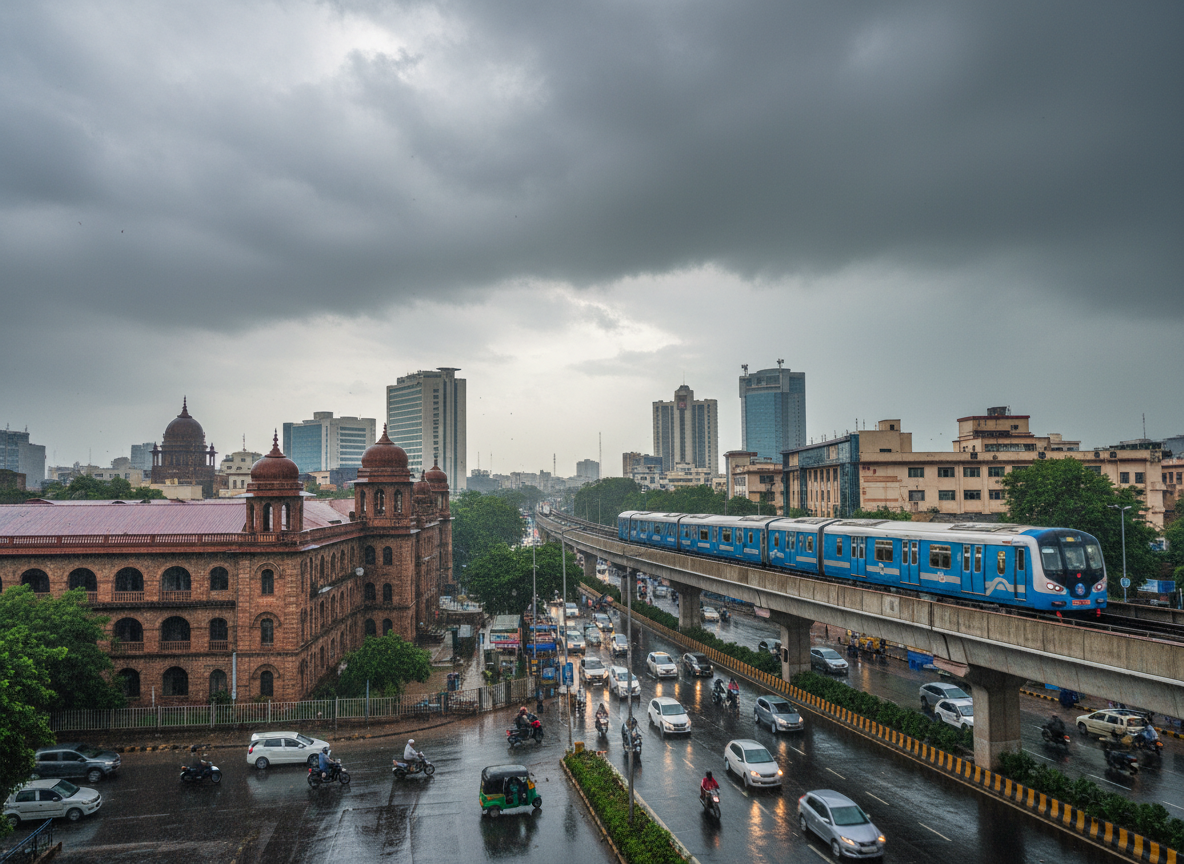

PUNE, October 2, 2026: Pune is moving into a warmer phase as the southwest monsoon weakens, with temperatures expected to rise toward 35°C in the coming days. The early October heat is arriving as the weather pattern shifts from rainy-season conditions to the post-monsoon period.
Recent weather reporting indicates that reduced cloud cover and weakening monsoon activity are allowing daytime temperatures to rise. Humidity can continue to make conditions uncomfortable even when the temperature itself is not at its seasonal peak.
The Times of India reported that Pune could touch around 35°C as the monsoon grip loosens. The India Meteorological Department is also watching the transition as the southwest monsoon withdraws from Maharashtra.
Why Pune feels hotter after the rains
During the active monsoon, cloud cover limits solar heating for long periods. Once the monsoon retreats, clearer skies allow stronger daytime warming. The ground and built-up areas can then absorb more solar energy, contributing to hotter afternoons.
Pune’s elevation gives it a climate different from Mumbai, but the city can still experience strong October heat. Urban expansion, concrete surfaces and traffic can influence local comfort, particularly in densely built areas.
Humidity can increase discomfort
Temperature is only one part of how hot the weather feels. Humidity affects the body’s ability to cool itself through evaporation of sweat. This means an afternoon with moderate-to-high humidity can feel more uncomfortable than the temperature number alone suggests.
People working outdoors, travelling by two-wheelers or spending long periods in direct sunlight should take regular breaks and drink adequate fluids. Children and older adults can be more vulnerable to heat stress and should not be left in hot enclosed spaces.
How the weather shift affects daily life
The change from rain to heat can influence commuting, construction and outdoor events. Road users may welcome drier conditions, but dust can become more noticeable as wet surfaces dry. Construction sites can also generate more airborne dust if adequate controls are not maintained.
Schools, sports organisers and employers should consider the timing of outdoor activities. Morning or evening hours can be more comfortable than the hottest part of the afternoon, although local conditions should guide decisions.
Water management remains important
The arrival of heat immediately after the monsoon does not mean Pune’s water situation is secure indefinitely. Water demand typically increases when temperatures rise. Residents use more water for drinking, cleaning and cooling, while agriculture also depends on stored and groundwater supplies after rainfall declines.
Pune has experienced uneven rainfall this season, with heavy rainfall concentrated during particular periods. That makes reservoir management and conservation important even if seasonal rainfall totals appear adequate.
Simple precautions for residents
Residents can reduce heat-related discomfort by staying hydrated, wearing light clothing, limiting prolonged direct sun exposure and ensuring ventilation. People who develop serious symptoms such as confusion, fainting or persistent vomiting after heat exposure should seek medical attention promptly.
Motorists should never leave children, older people or pets inside parked vehicles. Vehicle interiors can heat rapidly even when outdoor temperatures do not appear extreme.
What to watch in the next week
The key factors will be daytime maximum temperatures, overnight minimums, humidity and any isolated post-monsoon showers. The IMD forecast can change as atmospheric conditions evolve. Residents should use official weather bulletins for decisions involving outdoor work and public events.
For official information, residents can check the IMD Pune weather portal. NewsNationOnline’s Pune News section will continue publishing weather and civic updates.
Source note: The expected 35°C level comes from current weather reporting and is a forecast rather than a guaranteed temperature. Conditions can vary between Pune neighbourhoods and observatories.
आपके लिए सुझाव
