

UNESCO World Heritage Sites are places recognized for their Outstanding Universal Value to humanity. They include cultural landmarks, natural environments and places that combine both. A site does not earn the designation simply by being old, beautiful or popular: it must meet the requirements of the World Heritage Convention and demonstrate why its importance extends beyond national borders.
What is UNESCO World Heritage?
The World Heritage Convention was adopted in 1972. It provides an international framework for identifying, protecting and conserving cultural and natural heritage considered important to present and future generations. UNESCO supports the system, but national governments retain primary responsibility for protecting sites within their territories. The official World Heritage List is maintained by the World Heritage Centre.
Cultural, natural and mixed sites
Cultural properties can include architectural works, historic towns, archaeological sites and cultural landscapes. Natural properties can include ecosystems, geological formations and habitats of exceptional conservation value. Mixed properties satisfy both cultural and natural criteria. This distinction matters because conservation needs can vary: a fragile archaeological structure faces different risks from a rainforest or marine ecosystem.
What does Outstanding Universal Value mean?
Outstanding Universal Value is the central test for inscription. UNESCO’s framework uses ten selection criteria; a nominated site must meet at least one. The evaluation also considers integrity, and for cultural sites authenticity where applicable, as well as protection and management. Being on the List is therefore a judgment based on documented significance and safeguards, not a tourism award.
How does a place get listed?
A country first identifies potential properties on its Tentative List. It can then prepare a nomination dossier describing the proposed site’s significance, boundaries, conservation condition and management arrangements. Advisory bodies evaluate the nomination: ICOMOS generally advises on cultural properties and IUCN on natural properties. The World Heritage Committee decides whether to inscribe, refer, defer or decline a nomination. The process can take years, and a nomination does not guarantee acceptance.
Who protects World Heritage Sites?
The state party is responsible for protecting and managing sites within its jurisdiction, working with regional authorities, local communities and other stakeholders. UNESCO’s designation does not transfer ownership of land or buildings to the United Nations. Management can include visitor controls, habitat restoration, archaeological conservation, disaster planning and protections for residents’ rights and livelihoods.
Why can a site be considered endangered?
Armed conflict, natural disasters, uncontrolled development, pollution, climate change, excessive tourism and weak management can threaten heritage. The List of World Heritage in Danger draws international attention to properties facing serious risks and can support corrective action. Inclusion on that list is not the same as removal from the World Heritage List. Delisting is exceptional and follows a separate process.
Examples of World Heritage
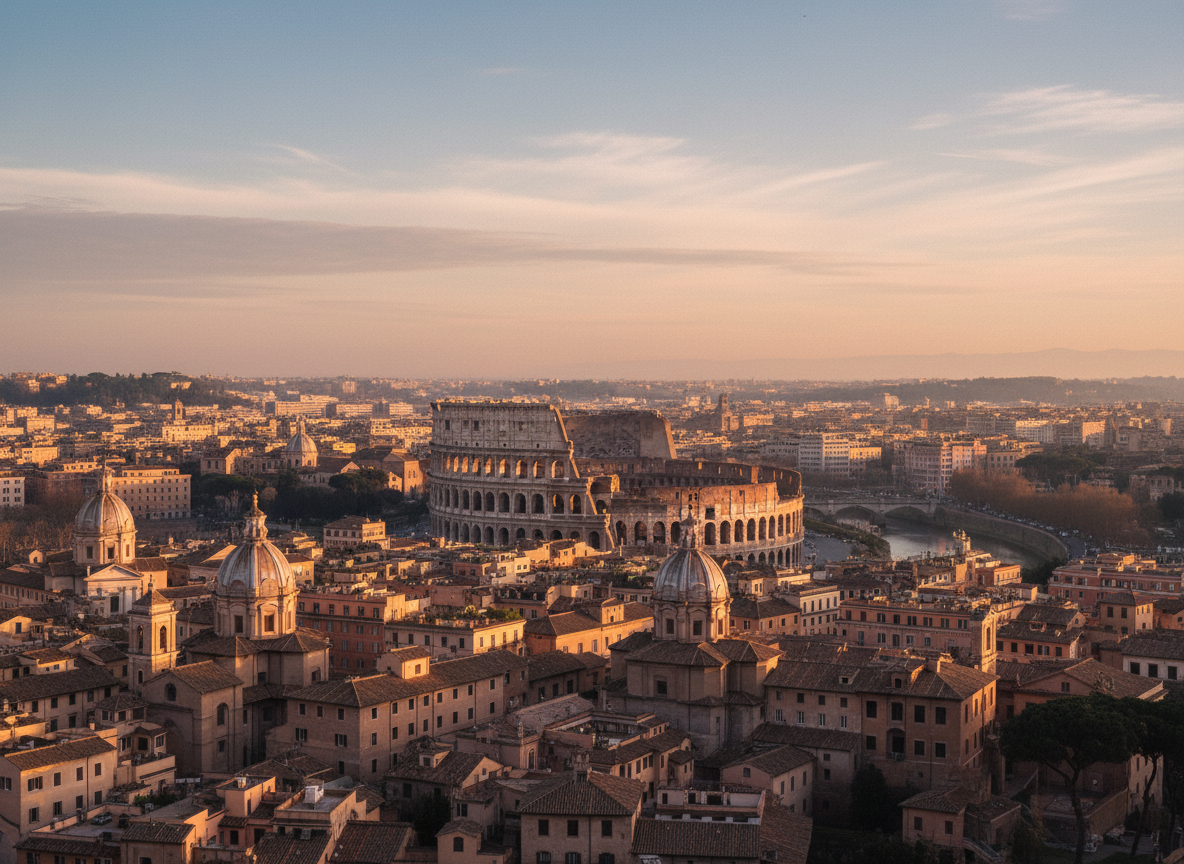
Well-known cultural properties include the Taj Mahal in India, the Historic Centre of Rome and the archaeological site of Petra in Jordan. Natural examples include the Great Barrier Reef in Australia and the Galápagos Islands in Ecuador. Each has a specific inscription history, criteria and conservation context. Readers should consult the official site entry for the most accurate boundaries, descriptions and current status.
Why the designation matters
World Heritage status can encourage preservation, education, research and international cooperation. It may also increase visitor interest and local economic activity. But greater recognition can bring pressure from crowds, infrastructure development and rising costs. A designation works best when long-term conservation and community participation matter more than visitor numbers alone.
How to visit responsibly
Follow local guidance, remain on marked routes and respect restrictions on photography or entry. Avoid removing natural or archaeological materials. Use authorized guides where required and support local conservation initiatives. Conditions and access rules can change, so check the responsible site’s official information before travelling.
World Heritage versus intangible heritage
World Heritage Sites are places. UNESCO also administers a separate Intangible Cultural Heritage framework that addresses living traditions, practices, knowledge and expressions. A festival or traditional craft is not automatically a World Heritage Site, even when it has UNESCO recognition under another programme.
Official sources and related reading
Explore the official World Heritage List, selection criteria and List of World Heritage in Danger. For related background, read Seven Wonders of the World and Natural Wonders of the World.
Frequently asked questions
Does UNESCO own World Heritage Sites?
No. Ownership and legal responsibility generally remain with the relevant national or local authorities and owners.
Is every famous monument a UNESCO site?
No. Recognition requires a formal nomination and inscription decision.
Can a World Heritage Site lose its status?
Yes, in exceptional circumstances when the qualities supporting its inscription have been lost.
Discover more from NewsNation Online
Subscribe to get the latest posts sent to your email.
आपके लिए सुझाव









Leave a Reply